Wood Lathe World is reader-supported: some links on this page are affiliate links, and as an Amazon Associate Wood Lathe World earns from qualifying purchases at no extra cost to you. Learn more.
Setting up the perfect dust collection system for your lathe involves careful planning and selection of components tailored to your specific needs. To achieve an efficient and effective dust collection system, consider factors such as CFM calculation, lathe type, and the best components available in the market.
Table of Contents
- Determining Your Lathe Dust Collection Requirements
- CFM Calculation Methods for Lathe Dust Collection
- Key Components for an Efficient Dust Collection System
- Best Dust Collectors for Wood Lathes
- Designing Your Lathe Dust Collection Layout
- Tools for Designing an Efficient Dust Collection Layout
- Ensuring Safety and Compliance in Dust Collection Systems
- What Safety Measures Are Essential for Dust Collection Systems?
- Maintaining and Troubleshooting Your Dust Collection System
- How Can You Identify Dust Collection System Failures?
- Upgrading Your Lathe Dust Collection System for Better Efficiency
- What Are the Benefits of a High-Efficiency Dust Collection System?
Determining Your Lathe Dust Collection Requirements
You can calculate the CFM needed for your lathe dust collection system by multiplying the cross-sectional area of the duct by the desired air velocity. Generally, the required air velocity is around 4000 FPM (feet per minute). Efficiency factors for a lathe dust system include proper sealing, duct length, and the number of turns in the ductwork. Different lathe types, such as benchtop or large stationary lathes, demand varying dust collection setups due to differences in dust output and workspace configuration. Industry standards like those provided by OSHA and the American Woodworking Institute should guide the design of your lathe dust collection system to ensure safety and compliance.
CFM Calculation Methods for Lathe Dust Collection
To calculate CFM for a lathe, use the formula CFM = (Area of Duct in square feet) * (Air Velocity in FPM). Tools like anemometers can measure CFM for your lathe dust collection system directly. Online CFM calculators for wood lathes can provide quick estimates, but their accuracy depends on the precision of the input data. The most reliable CFM calculation method is using an anemometer, as it offers direct measurement and accounts for actual working conditions in your shop.
Key Components for an Efficient Dust Collection System
The best dust collector for a wood lathe often falls under the range of high CFM units like the Jet DC-1100VX-CK or the Oneida Air Systems Super Dust Deputy. Hoses and ducts are crucial for maintaining dust collection efficiency; smooth, short, and direct paths minimize resistance and static pressure loss. Blast gates play an essential role in a dust collection system by allowing you to close off sections of the ducting when not in use, improving overall system performance. Top brands like Dust Right, Grizzly, and Rockler offer high-quality dust collection components that enhance the efficiency and reliability of your setup.
Best Dust Collectors for Wood Lathes
The top 3 dust collectors for wood lathes are the Jet DC-1100VX-CK, Powermatic PM1300TX-CK, and Oneida Air Systems Super Dust Deputy. The cost of top-rated dust collectors for wood lathes ranges from $300 to $1200, depending on features and power. Reliable brands for wood lathe dust collectors include Jet, Powermatic, and Oneida, known for their durable construction and efficient performance. When selecting a dust collector for a wood lathe, look for features like high CFM ratings, compatibility with HEPA filters, and sturdy build quality to ensure effective dust capture and long-term reliability.
- Improves air quality in your workspace
- Prevents fine dust from harming your respiratory system
- Keeps your tools and lathe clean and free from dust buildup
- Reduces the risk of fire hazards by clearing dust particles
- Makes clean-up quicker and easier
- Enhances visibility while you work, leading to more precise work
- Increases the lifespan of your lathe and other tools
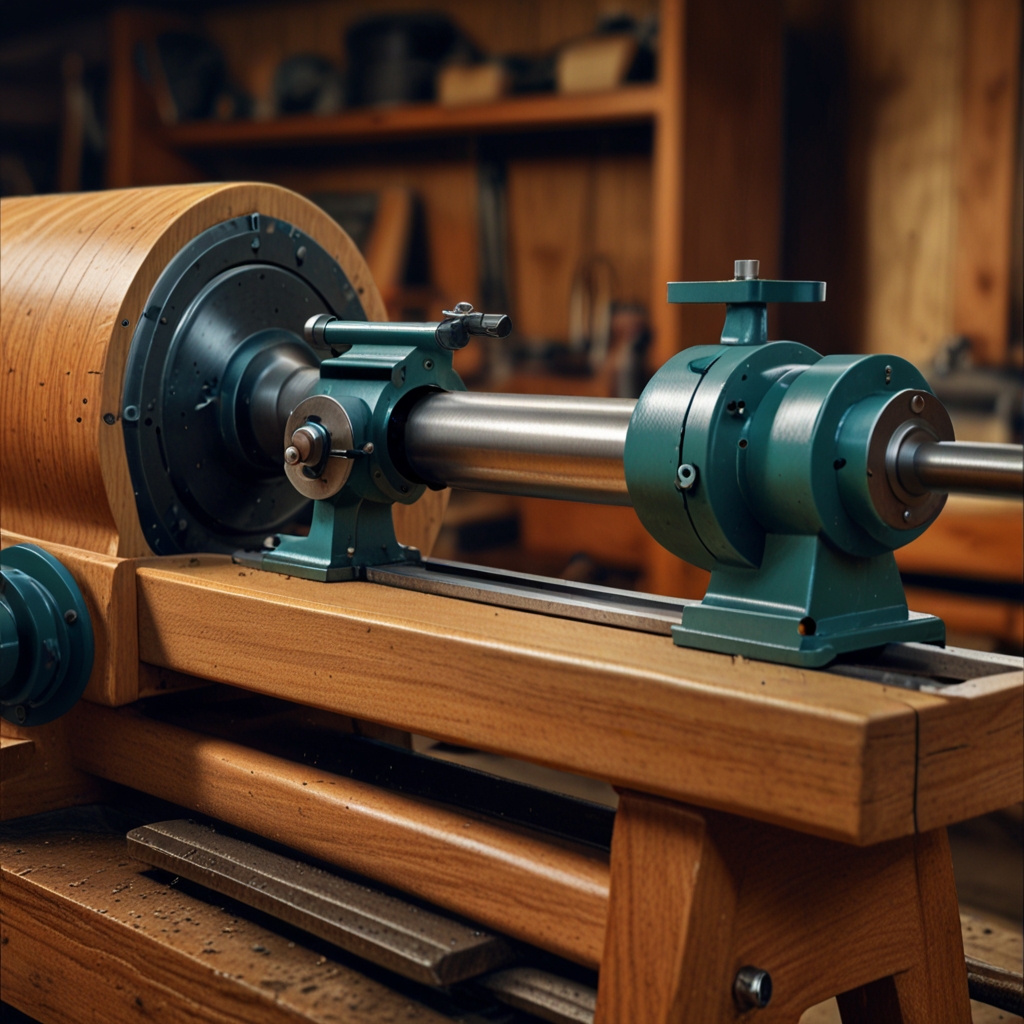
Comparative Aspects of Setting Up the Perfect Dust Collection System for Your Lathe
| Component | Price Range | Efficiency | Maintenance | Installation | Suitable for |
|---|---|---|---|---|---|
| Dust Hood | $20-$50 | Moderate | Low | Easy | Hobbyists |
| Flex Hose | $10-$30 | High | Low | Medium | Amateurs |
| Dust Extractor | $200-$500 | Very High | Medium | Hard | Professionals |
| HEPA Filter | $50-$100 | High | Low | Easy | All Users |
| Blast Gates | $5-$15 | Moderate | Low | Easy | All Users |
| Collection Bag | $10-$25 | Moderate | Medium | Easy | All Users |
Designing Your Lathe Dust Collection Layout
The best layout for a lathe dust collection system involves placing the dust collector close to the lathe while ensuring all debris is effectively captured. To minimize space, utilize vertical storage solutions and compact hoses. Essential layout tools for an efficient lathe dust setup include measuring tapes, duct tape, and power drills. Various software programs like SketchUp and AutoCAD aid in dust collection planning with impressive accuracy, allowing precise designs.
Tools for Designing an Efficient Dust Collection Layout
Essential tools for designing a dust collection layout include a measuring tape, a collection of flexible hoses, and a power drill. High-quality design tools for efficient dust collection range from $50 to $300, depending on features and brand name. Free software programs like SketchUp offer cost-effective solutions for creating detailed dust collection layouts. Manual tools, while sturdy, may lack the precision of advanced software programs, though they are still very effective for basic setups.
Ensuring Safety and Compliance in Dust Collection Systems
Safety risks associated with lathe dust collection include combustible dust, reduced visibility, and respiratory issues. OSHA standards for dust collection systems mandate proper installation and regular cleaning to ensure dust collection compliance. Basic safety equipment for a lathe dust collection system includes face masks, goggles, and hearing protection. There are several training programs offered by industry groups that teach safe operation of lathe dust systems, including those provided by Woodworking Safety Day.
What Safety Measures Are Essential for Dust Collection Systems?
The top 5 safety measures for dust collection systems are ensuring proper ventilation, maintaining equipment, using personal protective equipment, regular safety inspections, and proper training. Safety checks on dust collection systems should be performed bi-weekly to maintain compliance and safety. Essential safety gear while using a lathe dust collection system includes respirators, safety goggles, and durable gloves. Penalties for not complying with safety standards can reach up to $13,494 per violation as per OSHA guidelines.
- Effective dust collectors can capture up to 99% of dust particles
- Most systems use 4-inch pipes to carry dust away efficiently
- Typical dust collection systems operate at 800 to 1200 CFM (Cubic Feet per Minute)
- JET and Grizzly brands are popular for reliable dust collection tools
- Filters should be cleaned or replaced every 50 hours of usage
- Systems cost between $200 and $2000, depending on capacity and brand
- Improper maintenance can reduce efficiency by 30%
Maintaining and Troubleshooting Your Dust Collection System
Common maintenance tasks for a lathe dust collection system include regularly cleaning filters, replacing worn-out hoses, and ensuring seals are tight. Identifying and fixing issues in a dust collection system often involves checking airflow consistency with an anemometer available at Home Depot or similar stores. System repair signs include reduced suction power and unusual noises; these are key indicators of needed dust collection maintenance. Many professional services like Oneida Air Systems offer comprehensive dust collection maintenance and fixing issues for a fee, providing expert-level troubleshooting.
How Can You Identify Dust Collection System Failures?
Common symptoms of dust system failures are decreased suction and increased dust levels around the lathe area, indicating duct blockages. Checking for failures in the dust collection system should be done monthly, especially if the system is used frequently. Diagnostic tools like manometers and smoke pencils help in problem identification by visually indicating air leaks and low pressure areas. Frequent failure reasons often include clogged filters and damaged hoses, which can impair system performance.
Upgrading Your Lathe Dust Collection System for Better Efficiency
Upgrade benefits of a dust collection system include improved air quality and increased operational efficiency by up to 30%. Retrofitting an old lathe with a new dust collection system can be done by adding modern cyclone separators, which can often be found at Rockler Woodworking Hardware stores. New technologies like HEPA filters and high-efficiency motors are now available for dust collection systems, enhancing performance. Cost-effective upgrades such as sealing leaks with inexpensive aluminum tape contribute to significantly better efficiency and improved system functionality.
What Are the Benefits of a High-Efficiency Dust Collection System?
Efficiency can improve greatly with a new dust collection system, often by around 20% or more. Cost savings from using a more efficient dust collection system can accumulate, reducing electricity bills by up to 15%. Features like variable speed controls and advanced filtration contribute to a high-efficiency dust collection system and optimize performance. An efficient dust collection system has a positive impact on air quality, significantly reducing airborne dust particles.