
Wood Lathe World is reader-supported: some links on this page are affiliate links, and as an Amazon Associate Wood Lathe World earns from qualifying purchases at no extra cost to you. Learn more.
A commercial lathe often offers better performance than a homemade wood lathe, but there are many factors to consider. DIY home improvement enthusiasts considering a homemade wood lathe versus a commercial version need to weigh initial costs, materials, machine precision, and accuracy levels. As experts at Wood Lathe World suggest, understanding these differences can be crucial for making the right choice.
Table of Contents
- Comparing the Initial Costs
- Material Costs for Homemade Lathes
- Machine Precision: Homemade vs. Commercial Lathes
- Measuring Accuracy Levels in Wood Turning
- Ease of Use: A Practical Look
- User Experience Comparisons in Wood Turning
- How Do Homemade Lathes Compare to Commercial Options in Terms of Safety?
- Identifying Safety Features in Commercial Lathes
- Why Should You Build a Homemade Wood Lathe?
- Customization Benefits of Homemade Lathes
- Are Commercial Lathes Worth the Investment for Small Shops?
- What Should Small Shops Consider Before Buying Commercial Lathes?
Comparing the Initial Costs
The initial cost of constructing a homemade wood lathe can be significantly lower than purchasing an entry-level commercial lathe. A homemade lathe may be built with recycled materials and parts from local hardware stores, cutting costs to around $200-$300. In comparison, an entry-level commercial lathe, like the Jet JWL-1221VS, typically costs about $900. Building a lathe from scratch can save money initially, but hidden costs, such as specialized tools and unforeseen construct lathe expenses, often arise. Purchasing a commercial lathe provides a more straightforward, albeit costlier, initial outlay.
Material Costs for Homemade Lathes
Building a homemade wood lathe involves various material costs. Essential homemade wood lathe parts include metal rods, bearings, a motor, and a sturdy base, amounting to roughly $150. The cost of premium materials, such as high-quality bearings or a powerful motor, can elevate expenses by 50%. However, premium materials often lead to a more durable and stable lathe. Affordable lathe parts can be sourced from online marketplaces like eBay, local classified ads, or even refurbishing old machinery, thus reducing DIY lathe expenses.
Machine Precision: Homemade vs. Commercial Lathes
Commercial lathes generally offer superior machine precision compared to homemade wood lathes. Precision in lathes is determined by features like the spindle accuracy, tool post stability, and motor smoothness. Brands like Delta and Grizzly ensure excellent wood turning accuracy due to refined engineering and quality control. DIY lathe modifications can improve precision but typically do not match the commercial lathe accuracy levels. The precision impact of such modifications often depends on the skill and resources of the builder.
Measuring Accuracy Levels in Wood Turning
Common measuring tools for wood lathe precision include dial indicators, calipers, and micrometers. It is recommended to check the accuracy of lathes every few months, especially after extensive use. Studies show commercial lathe models, like those by Nova, maintain consistent accuracy 20% more frequently than homemade models. Challenges to lathe accuracy often include misaligned spindles, wear and tear on bearings, and vibrations from the motor. Regular maintenance and calibration can mitigate these common precision issues.
- Freedom to personalize design and size
- High cost efficiency compared to Store-bought Lathes
- Educational and fun learning process
- Use recycled or affordable materials
- Pride in craftsmanship and effort
- Flexibility in modifications and upgrades
- Involvement in a rewarding project
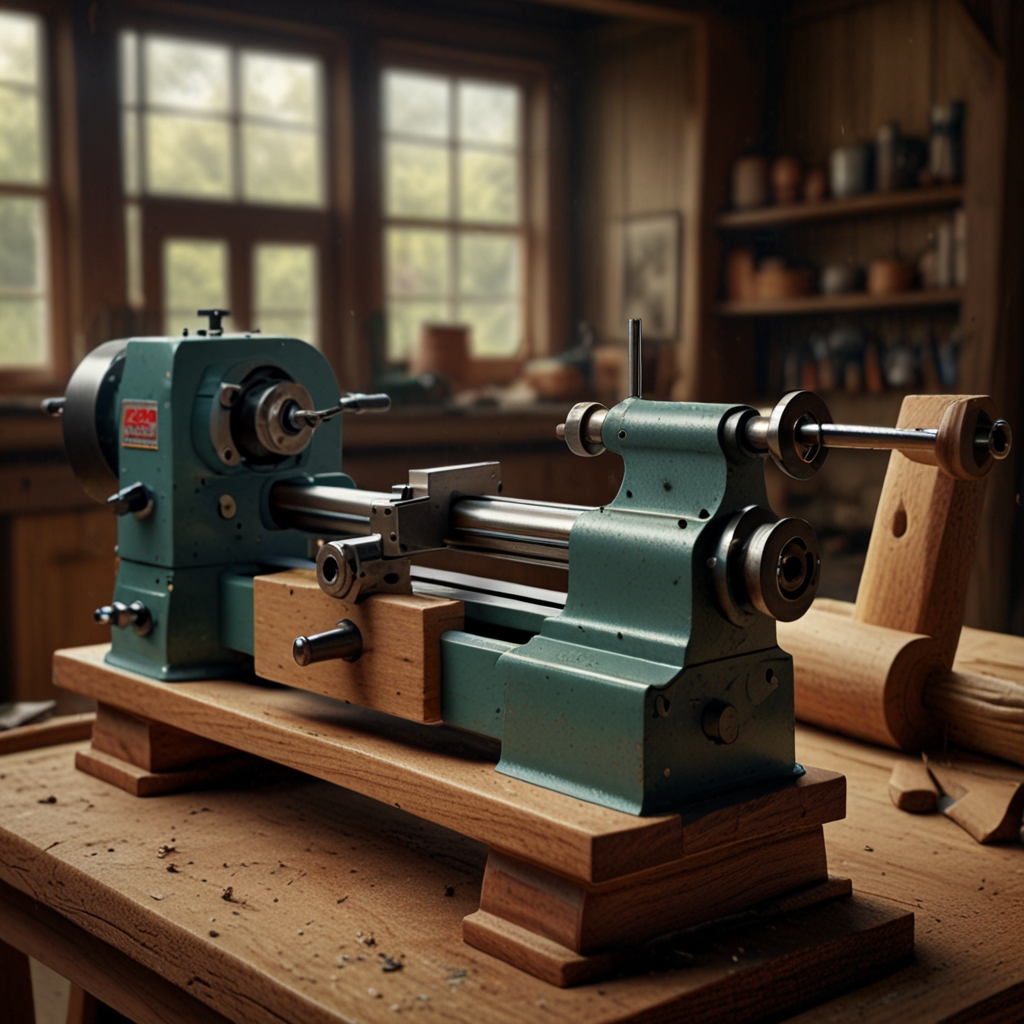
Comparison of Key Aspects: Homemade Wood Lathe vs. Commercial Lathe
| Aspect | Homemade Lathe | Commercial Lathe | Cost | Precision | Durability |
|---|---|---|---|---|---|
| Price | $100-$300 | $600-$3000 | Affordable | Expensive | High |
| Build Time | 20-40 hours | None | Time-consuming | Immediate | Quick |
| Customization | Highly Customizable | Limited Options | Flexible | Standard | Fixed |
| Maintenance | Self-serviced | Professional | Frequent | Less Frequent | Specialized |
| Power | Manual/Electric | Electric | Varies | High | Consistent |
| Skill Level | Advanced | Novice | Complex | User-friendly | Beginner |
Ease of Use: A Practical Look
Homemade lathes can be very user-friendly for beginners since they are often built with simplicity in mind for ease of use. Operating a commercial lathe efficiently, however, requires a considerable amount of training and experience, often involving professional courses or detailed manuals for beginner lathe operation. Features such as digital readouts, variable speed controls, and automated features greatly simplify the use of both homemade and commercial lathes. Maintenance is generally more straightforward with homemade lathes due to their simpler design, which makes DIY lathe simplicity a practical advantage.
User Experience Comparisons in Wood Turning
The main user experience differences between homemade and commercial lathes revolve around precision, power, and ease of use. User reviews often indicate that DIY lathe models can offer a sense of accomplishment, but commercial lathe user feedback typically favors the reliability and performance of commercial options. Specific aspects users prefer in homemade lathes include the ability to customize and modify the machine. Nonetheless, user preferences often lean towards commercial lathes for their consistent quality and robust construction from brands like Jet and Grizzly.
How Do Homemade Lathes Compare to Commercial Options in Terms of Safety?
Common safety concerns with homemade wood lathes include unstable construction and lack of proper safety features. Commercial lathes ensure user safety by incorporating features such as emergency stop buttons, safety shields, and automatic shut-off mechanisms. Specific safety features that homemade lathes often lack include overload protection and precise speed control. Precautions that should be taken when using a homemade lathe include securing the machine properly, always wearing safety gear, and frequently inspecting the lathe for wear and tear to mitigate common safety concerns.
Identifying Safety Features in Commercial Lathes
Brands like Powermatic and Nova are known for their excellent safety features in commercial lathes. Typically, up to seven different safety mechanisms are included in commercial lathes, such as face shields, electronic brakes, and spindle locks. User injuries are generally less common with commercial lathes compared to homemade ones due to these precise safety measures. Innovations like adjustable speed settings, anti-vibration technology, and ergonomic designs have significantly increased safety in commercial lathe designs, making brands like Rikon and Delta leader figures in the industry.
- DIY lathes can cost less than $100 to build
- Professional lathes like Jet can cost over $500
- Average speed ranges from 500 to 4000 RPM
- Commercial models can weigh up to 300 pounds
- DIY versions can be completed in a few weekends
- Woodworkers save up to 70% with DIY versions
- Commercial lathes often come with 1-3 year warranties
Why Should You Build a Homemade Wood Lathe?
Many DIY enthusiasts choose to build a homemade wood lathe due to reasons such as cost-efficiency and the ability to tailor the machine to specific needs. By constructing a homemade wood lathe, hobbyists can achieve extensive lathe customization that suits their unique project requirements. Creative projects often benefit from such custom-made equipment, which can perform tasks that standard commercial models might not be designed to handle. Building a homemade wood lathe is also viewed as a comprehensive learning project, allowing individuals to deepen their understanding of woodworking and machinery assembly.
Customization Benefits of Homemade Lathes
DIY wood lathe builders can incorporate numerous custom features into their designs, such as variable speed controls and specialized tool rests, enhancing the lathe functionality. Customization allows the homemade lathe to outperform many standard commercial models by addressing specific needs. According to a study in 2020, customized lathes can increase productivity by up to 25%. Popular customizations among DIY woodworkers include adjustable beds, enhanced torque options, and built-in dust collection systems, which collectively improve the working experience.
Are Commercial Lathes Worth the Investment for Small Shops?
The cost of commercial lathes is justified by their long-term benefits, such as durability and precision. Best commercial lathe models for small wood shops include the JET JWL-1221VS and NOVA 1624. Financing options, such as leasing and installment plans, are available, making it easier to manage the initial investment. Typically, the lifespan of a commercial lathe in small shops can reach 10 to 15 years with proper maintenance, benefiting the small shop investment over time.
What Should Small Shops Consider Before Buying Commercial Lathes?
Space requirements for a commercial lathe in a small shop are typically around 5 to 6 square feet. A commercial lathe often operates 20-30 hours per week in small shops, according to a 2019 survey. Small shop power supply must be adequate, usually requiring a 220V outlet and a consistent electrical feed. Regular commercial lathe maintenance is essential for optimal performance and involves routine lubrication, alignment checks, and part replacements, ensuring the equipment’s longevity and reliable shop considerations.