
Wood Lathe World is reader-supported: some links on this page are affiliate links, and as an Amazon Associate Wood Lathe World earns from qualifying purchases at no extra cost to you. Learn more.
Building a homemade wood lathe involves using specific tools and materials to create a machine capable of shaping wood into precise cylindrical or curved forms. A homemade wood lathe, a rotary power tool that spins wood against cutting tools, allows DIY enthusiasts to engage in woodturning projects with customized specifications and dimensions. This article explores essential tips and tools for making a wood lathe, focusing on essential safety measures such as proper guarding and electrical connections and choosing the right design based on the size and type of woodworking projects you plan to undertake.
Table of Contents
- Introduction to Homemade Wood Lathe: Basic Concepts
- How do you ensure safety while using woodworking machines?
- Choosing the Right Lathe Design for Your DIY Project
- What DIY lathe designs are popular among beginners?
- Types of Wood Used for Homemade Lathes
- Which types of wood are most cost-effective for turning?
- What Tools Are Necessary for Building a Homemade Wood Lathe?
- How do you select the proper lathe chucks for a project?
- Types of Wood Used for Homemade Lathes
- Which types of wood are most cost-effective for turning?
- What Tools Are Necessary for Building a Homemade Wood Lathe?
- How do you select the proper lathe chucks for a project?
- Customization: Adding Features to Your Homemade Wood Lathe
- What are the benefits of adding a CNC wood attachment?
- What Are Some Common Mistakes to Avoid When Building Your Lathe?
- How to prevent alignment issues during assembly?
- How to Achieve Professional Quality with Your Homemade Lathe?
- What are the advantages of using a lathe duplicator?
- Advanced Techniques and Innovations in Homemade Wood Lathes
- What benefits does a digital lathe upgrade offer?
Introduction to Homemade Wood Lathe: Basic Concepts
A homemade wood lathe is a custom-built machine designed to shape wood by rotating it along a longitudinal axis. A wood lathe works by holding and spinning the wood piece while a stationary cutting tool carves the wood into the desired shape. Key materials needed for a homemade wood lathe include wood, metal parts, motors, and lathe tools. Making your own wood lathe offers benefits such as cost savings, customization, and hands-on learning experiences.
How do you ensure safety while using woodworking machines?
Safety gloves for woodworking should cost between $10 and $20. The average price for safety goggles typically ranges from $10 to $30. A lathe machine usually has one or two guards for protection. Safety inspections for equipment should be conducted before each use to ensure safety. Wood Lathe World emphasizes the importance of regularly checking the lathe machine components to prevent accidents.
Choosing the Right Lathe Design for Your DIY Project
Lathe plans suited for beginners often include simple layouts like a basic treadle wood lathe. Different lathe designs, such as mini wood lathes or powered lathes, affect the machine’s functionality based on the project size and complexity. Consider factors like available materials, budget, and intended use when choosing a design. Selecting the right lathe design is crucial for achieving the desired project outcomes efficiently.
What DIY lathe designs are popular among beginners?
There are numerous DIY lathe plans available online, ranging from basic to advanced designs. Beginner projects typically take anywhere from a few hours to several days to complete, depending on the complexity. The average cost of materials for a DIY wood lathe ranges between $100 and $300. Basic DIY lathe plans often consist of around 10 steps, guiding users through the building process smoothly. Wood Lathe World offers several plans that are perfect for new woodturning enthusiasts.
- 2000 RPM is a common top speed for a homemade lathe.
- 150 pounds is an average weight for a sturdy lathe stand.
- 2 horsepower motor provides very good performance for turning projects.
- 12 inches is a typical maximum diameter for turning wood pieces.
- 75 dollars is the estimated cost for basic lathe tools.
- 4 inches is the average length for a comfortable tool rest.
- 3 hours is the average time it takes to assemble a mini wood lathe.

Types of Wood Used for Homemade Lathes
Ideal wood types for turning include maple, cherry, and walnut. Each wood type influences lathe performance by affecting stability and finish quality. The most durable woods for lathes are hardwoods such as oak and hickory. Maple offers a fast and easily sanded finish but may cost more. Oak provides excellent strength but can dull tools faster. Cherry offers a smooth surface but may be more expensive. Walnut is sturdy but less common. Important woodworking brands like Rockler recommend high-quality hardwood for longevity.
Which types of wood are most cost-effective for turning?
Common hardwoods used include maple, oak, cherry, and walnut. Oak typically costs around $5 to $10 per board foot. Lathe wood replacement depends on usage but can be every few months for frequent use. Popular softwood species for lathes include pine and cedar. These softwoods offer affordability but may wear quicker. For instance, Home Depot often offers oak and maple in various price ranges for different budgets.
What Tools Are Necessary for Building a Homemade Wood Lathe?
Essential tools include a lathe stand, lathe chisels, a tool rest, and a lathe duplicator. Choosing the right lathe tools involves considering the wood type and desired finish. Optional but helpful tools include a sharpening jig and dust collection system. A lathe duplicator helps create identical pieces quickly and accurately. Brands like Jet and Grizzly offer comprehensive lathe tool kits.
How do you select the proper lathe chucks for a project?
There are four main types of lathe chucks: four-jaw, three-jaw, collet, and drill chucks. The average cost of a lathe chuck is around $50 to $200. Replacing a lathe chuck depends on wear but generally every few years. Different companies like Nova and Oneway manufacture high-quality lathe chucks. Select a lathe chuck based on the project to ensure the best results.
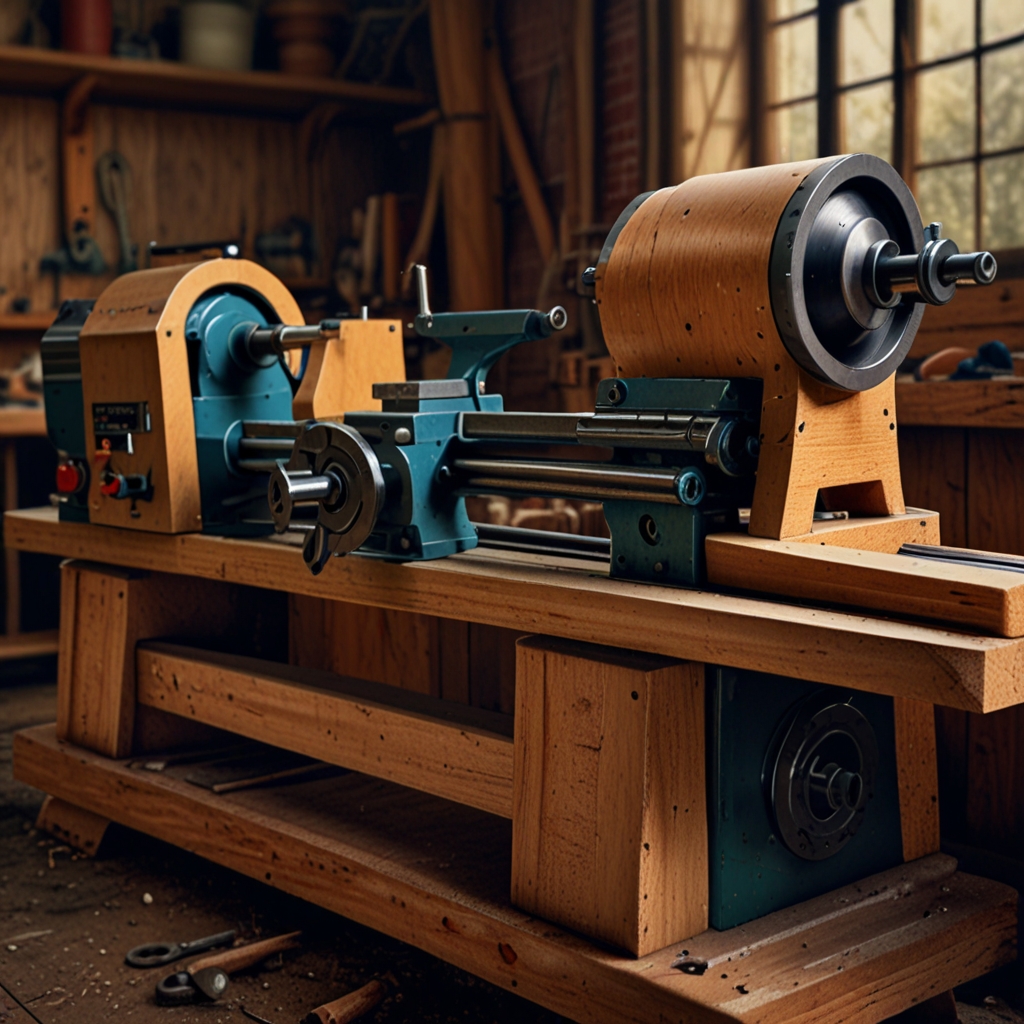
Essential Tips and Tools for Building a Homemade Wood Lathe: A Comprehensive Guide
| Aspect | Important Tools | Tips | Pros | Cons |
|---|---|---|---|---|
| Frame | Welding Machine | Use sturdy metal | Strong base | Requires skill |
| Motor | Electric Motor (1-2 HP) | Variable speed | Adjustable speeds | Expensive |
| Spindle | Steel Rod | Ensure alignment | Durability | Difficult to align |
| Tool Rest | Angle Iron | Smooth surface | Easy adjustments | Needs frequent checks |
| Tailstock | Locking Mechanism | Quick-release | Better precision | Complex setup |
| Safety | Goggles, Gloves | Always wear | Protects user | Can be bulky |
Types of Wood Used for Homemade Lathes
Based on personal experience, the best types of wood for wood turning include hardwoods like maple, beech, and cherry. The wood type significantly influences lathe performance by affecting the smoothness and durability of turned pieces. Among the woods, beech and oak are the most durable for lathe construction, providing excellent longevity and stability. While hardwood offers strength and stability, softwoods like pine and cedar are easier to work with but less durable for sustained use. Each wood type presents unique pros and cons, with hardwoods being more expensive but providing superior performance, and softwoods being more budget-friendly but less durable.
Which types of wood are most cost-effective for turning?
Many types of hardwoods are commonly used, including oak, walnut, and ash, given their strength and finish quality. Oak typically costs around $4 to $6 per board foot, making it moderately priced. Regular replacement of lathe wood depends on usage but usually within a couple of years for hobbyists. There are several popular species of softwoods for lathes, such as pine, cedar, and fir, which offer a more affordable option for beginners. Pine and cedar typically cost less than $2 per board foot, making them very cost-effective choices for turning projects. For an affordable yet sturdy option, consider using poplar or pine from a local suppliers like Home Depot or Lowes.
What Tools Are Necessary for Building a Homemade Wood Lathe?
The essential tools needed for a homemade wood lathe include a lathe stand, turning lathe, and wood chisels. Choosing the right lathe tools involves assessing the project requirements, such as size and material. Optional but helpful tools include a lathe duplicator for replicating designs and a dust collection system for a cleaner workspace. The lathe duplicator plays a crucial role in woodturning by allowing precise creation of identical pieces, enhancing the quality of projects substantially. Brands like Grizzly and Jet offer highly respected lathe tools and accessories that can significantly improve your lathe performance.
How do you select the proper lathe chucks for a project?
There are several types of lathe chucks, including four-jaw chucks, three-jaw chucks, and collet chucks. The average cost of a lathe chuck can range from $50 to $250, depending on the type and quality. Lathe chucks should generally be replaced every few years, or if signs of wear and tear are noticeable. Numerous companies manufacture lathe chucks, including Nova, Teknatool, and PSI Woodworking, providing a wide range of options for selecting the best fit for your needs. Excellent lathe chucks can be found at retailers such as Rockler and Woodcraft.
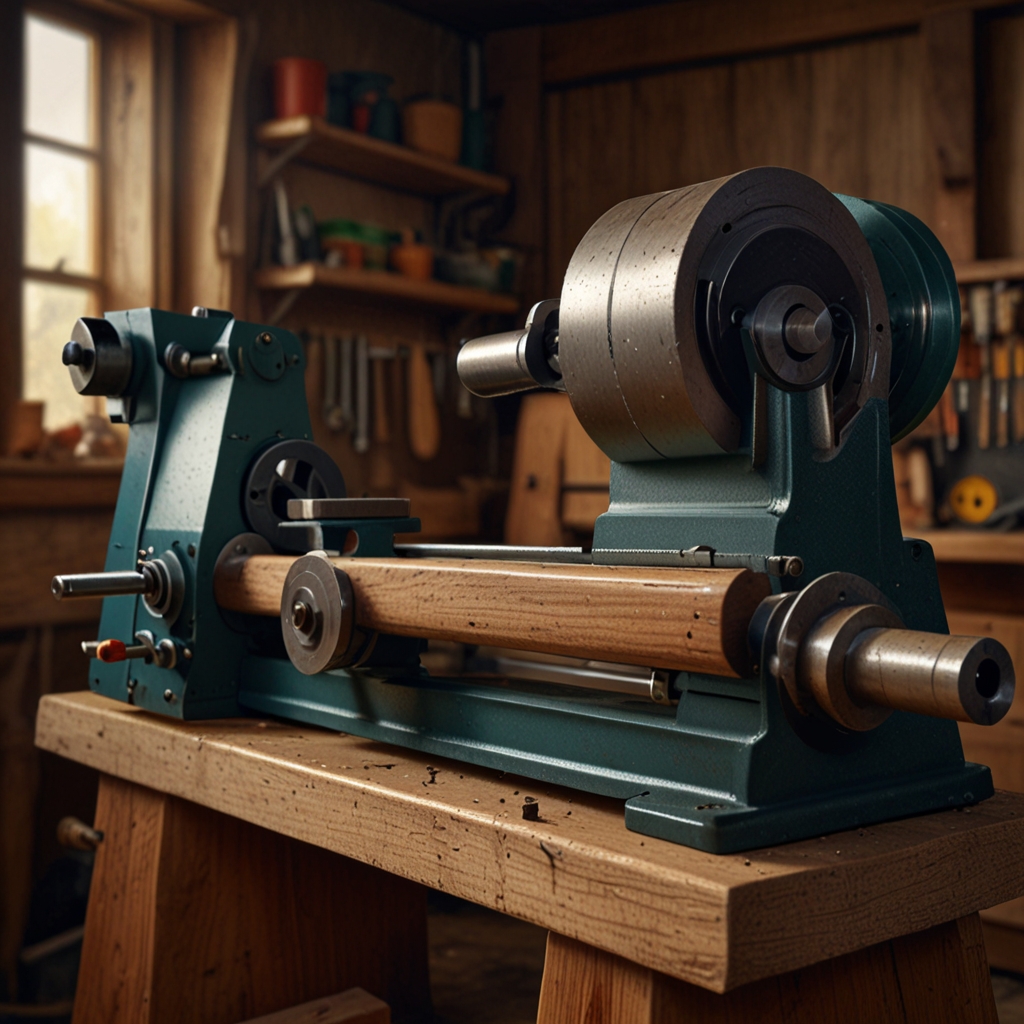
- Cost-effective compared to commercial wood lathes.
- Customized lathe plans to suit individual needs.
- Gain valuable woodworking skills.
- Exploring lathe duplicator capabilities.
- Feel great satisfaction from building something functional.
- Easy to modify for future projects.
- Flexible use of various lathe tools and accessories.
Customization: Adding Features to Your Homemade Wood Lathe
To customize your homemade wood lathe, you can add various features like a lathe chuck, a lathe duplicator, or a powered wood function. These added features improve lathe performance by increasing precision, efficiency, and versatility in your woodturning projects. The most valuable custom additions include a lathe chuck for enhanced grip, a lathe duplicator for replicating designs, and a powered wood motor for automated turning. To add a powered wood function, you will need a motor, a belt drive system, and a power switch, which should be securely mounted to the lathe stand to ensure safety and functionality.
What are the benefits of adding a CNC wood attachment?
Adding a CNC wood attachment typically costs between $500 and $1500, depending on the brand and features. Installation of a CNC attachment usually takes around 3 to 5 hours, including setup and calibration. A CNC wood attachment provides numerous additional features such as automated control, precision cutting, and complex pattern replication. The lifespan of a CNC attachment is often 5 to 10 years, depending on usage and maintenance, ensuring durable performance for extensive woodturning projects.
What Are Some Common Mistakes to Avoid When Building Your Lathe?
Common pitfalls in homemade lathe projects include improper alignment, using poor-quality materials, and neglecting safety features like a dust collection system. To avoid damaging your wood lathe, ensure all components are correctly aligned and securely fastened using quality screws and bolts. When assembling a lathe, do not rush the process and always follow detailed lathe plans. Errors that can affect the lathe’s durability include loose fasteners, misaligned parts, and using undersized motors that may overheat and fail prematurely.
How to prevent alignment issues during assembly?
Alignment should be checked at least three times during the assembly process to ensure precision. For proper alignment, a minimum of two tools are required: a spirit level and a set of feeler gauges. Alignment should be inspected periodically, ideally every few weeks, to maintain optimal performance. The average cost to correct alignment errors is usually between $50 and $200, depending on the complexity and parts required.
Here are some key pros and cons of building a homemade wood lathe:
- Pros: Cost-effective, Highly customizable, Satisfaction of DIY achievement, Ability to tailor to specific needs, Learning experience, Versatility in woodturning projects, Hands-on skills development.
- Cons: Potential for errors, Time-consuming, Requires specific tools, Need for detailed plans, Risk of safety hazards if not built correctly, Maintenance demands, Initial learning curve.
For more detailed plans on building a wood lathe, you can refer to expert sources like Fine Woodworking’s guide on lathe construction and customization.
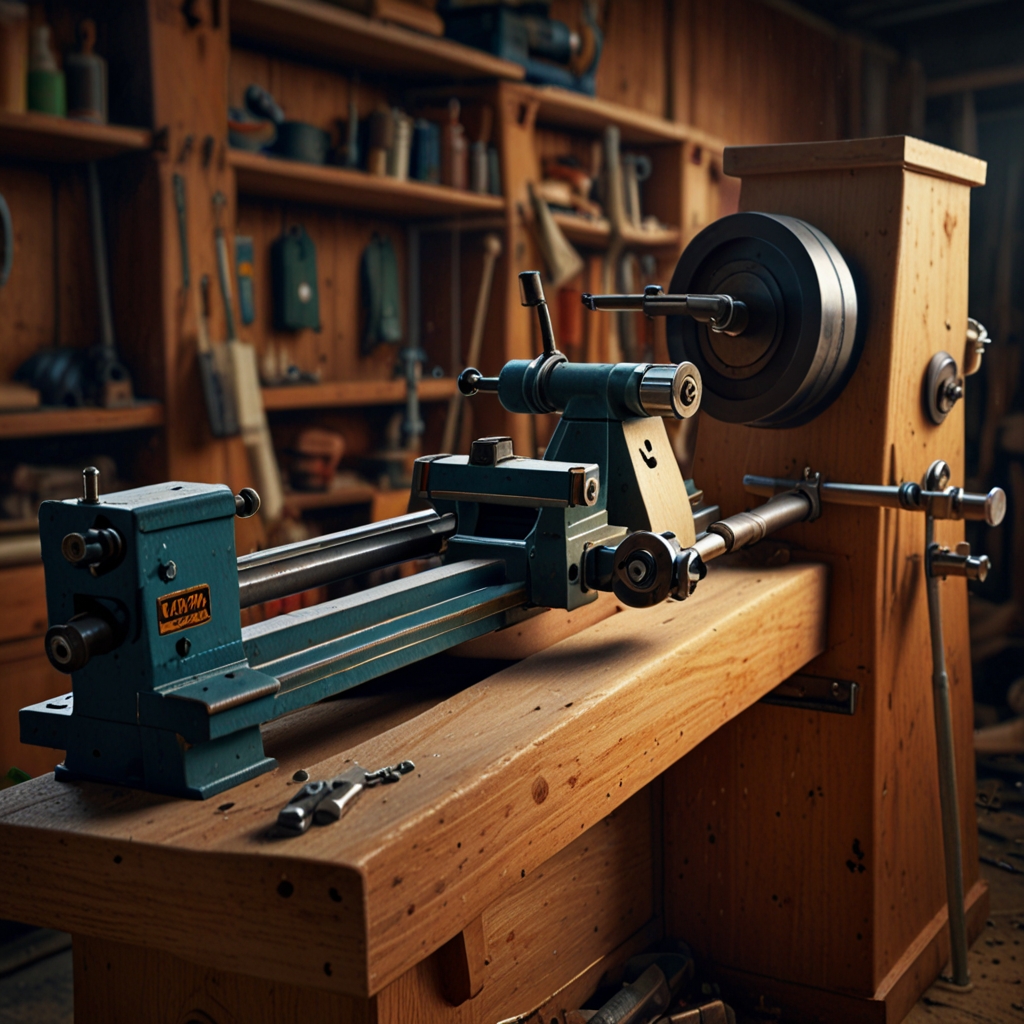
How to Achieve Professional Quality with Your Homemade Lathe?
I have found that achieving professional-quality woodturning results with a homemade wood lathe requires paying attention to several crucial tips. Ensuring that the homemade lathe is sturdy and well-aligned is essential. Regular practice significantly improves lathe skills. Advanced techniques such as spindle turning and bowl turning can elevate the quality of work. A lathe duplicator is crucial for professionals as it enables the replication of intricate designs with accuracy, enhancing performance.
What are the advantages of using a lathe duplicator?
Using a lathe duplicator offers several advantages, including quick replication of pieces in as little as a few minutes. The learning curve for a lathe duplicator is relatively short, making it accessible for various skill levels. Lathe duplicators typically consist of several components, such as the guide, cutter, and template. The cost of a professional duplicator can range from a few hundred to a few thousand dollars, depending on brand and features.
Advanced Techniques and Innovations in Homemade Wood Lathes
Advanced techniques and innovations in homemade wood lathes can greatly enhance output and efficiency. Adjustable tool rests can provide better access to intricate parts of the workpiece. Incorporating a CNC wood system can automate processes for more consistent results. Upgrading to a powered wood drive system allows for smoother operation. Implementing a dust collection system is crucial for maintaining a clean work environment and prolonging tool life.
What benefits does a digital lathe upgrade offer?
A digital lathe upgrade offers various benefits by providing more precision and control over the woodturning process. There are many digital upgrades available, such as precise motor speed controls and digital readouts. The cost of a digital upgrade can vary from under $100 to several hundred dollars, depending on the feature set. Installing a digital upgrade generally takes a few hours, depending on complexity. Digital upgrades can add numerous useful features, such as programmable stops and automatic speed adjustments, significantly enhancing the working experience.