CNC wood lathes represent advanced techniques and efficient applications for woodturning projects by automating the carving and shaping processes. These machines utilize computerized systems to create precise and complex wood designs effortlessly, making them ideal for both professionals and DIY enthusiasts. In this article, explore how CNC wood lathes operate, factors to consider when purchasing, and important specifications for efficient performance, backed by insights from industry experts such as Wood Lathe World.
Table of Contents
- Understanding CNC Wood Lathe Operations
- How do computerized instructions control the machine?
- Choosing the Right CNC Wood Lathe for Your Projects
- Which specifications are essential for efficient performance?
- Common Applications of CNC Wood Lathes in Various Industries
- How do businesses incorporate CNC machined parts?
- Why is CNC Wood Lathe Important for Modern Woodworking?
- How do automated systems outperform traditional tools?
- Common Applications of CNC Wood Lathes in Various Industries
- How do businesses incorporate CNC machined parts?
- Why is CNC Wood Lathe Important for Modern Woodworking?
- How do automated systems outperform traditional tools?
- Exploring the Design Capabilities of CNC Wood Lathes
- What innovative patterns can be executed on various materials?
- Maintenance and Care of CNC Wood Lathes
- What parts typically require routine checks and adjustments?
- Cost Analysis: Investing in a CNC Wood Lathe
- What factors affect the overall expenses of CNC woodworking?
- Advanced Techniques with CNC Wood Lathe
- How can operators enhance the precision of their projects?
Understanding CNC Wood Lathe Operations
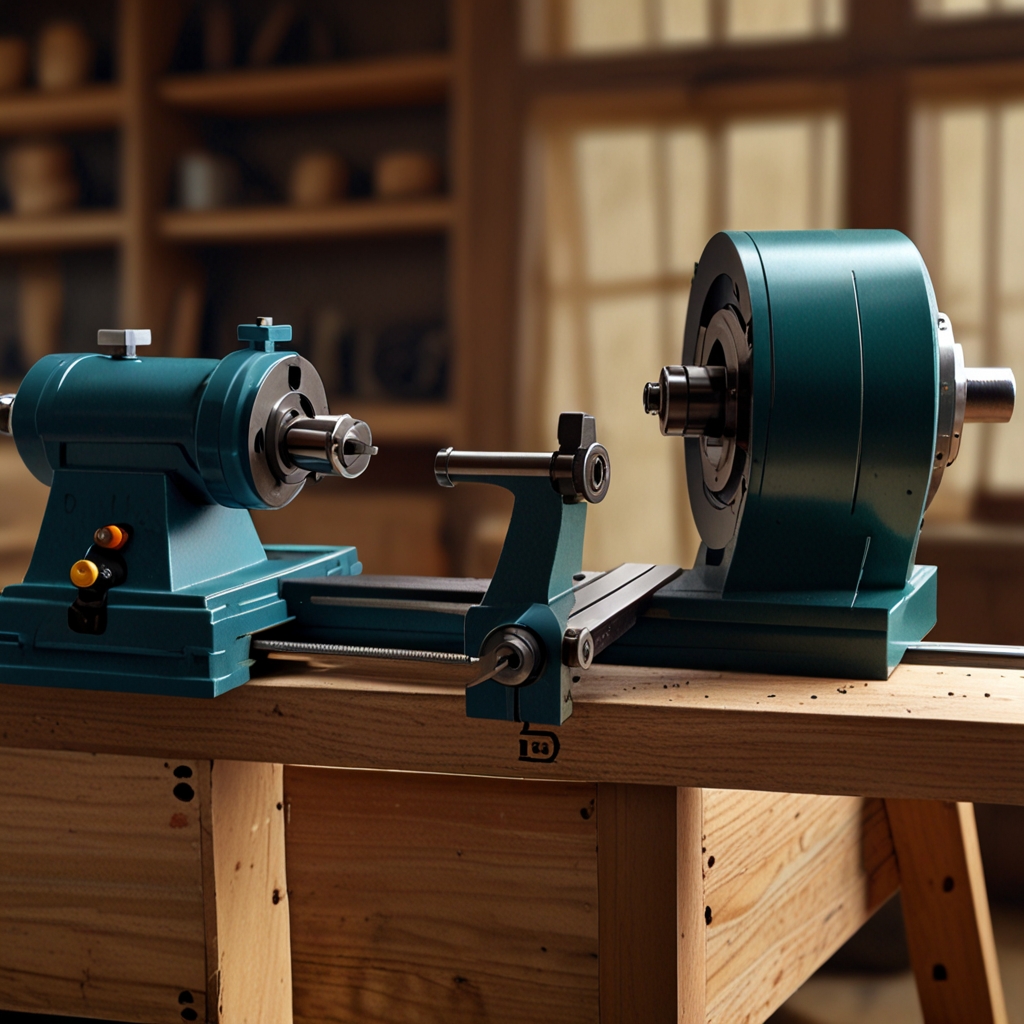
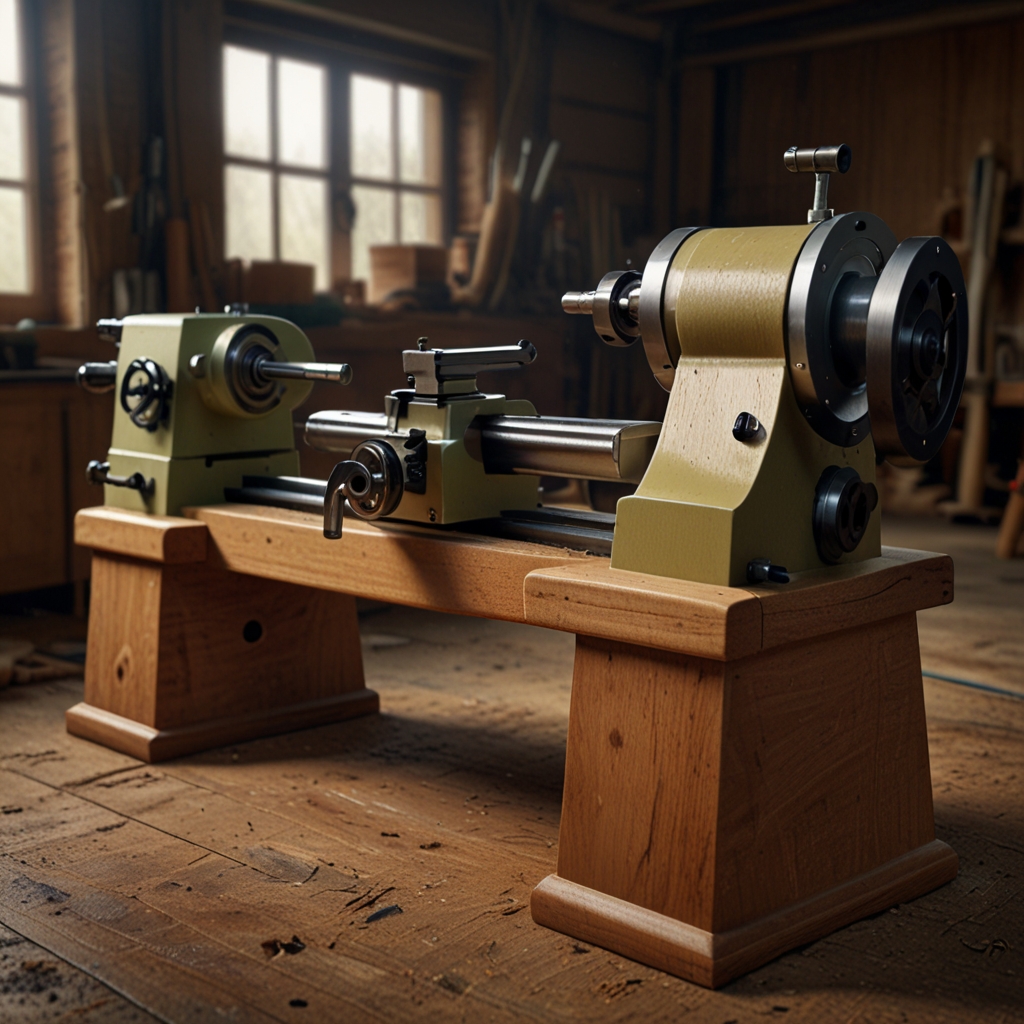
A CNC wood lathe functions by rotating the wood stock around a stationary cutting tool, controlled by computerized instructions to achieve desired shapes and patterns. The major parts of a CNC wood lathe include the headstock, tailstock, bed, and the cutting tool or cutter. CNC wood lathes can handle a variety of materials such as hardwood, softwood, and even some plastic composites. Software like CAD (Computer-Aided Design) and CAM (Computer-Aided Manufacturing) are commonly used to create and transfer precise designs to the lathe.
How do computerized instructions control the machine?
Computerized instructions control the machine by setting parameters such as the maximum diameter that a CNC lathe can handle, which is typically around 20 inches. Most CNC lathes have multiple speed settings ranging from 500 to 3000 RPM for versatile cutting performance. The average power output of a CNC lathe motor is usually between 1 to 3 horsepower (HP), ensuring robust operation. Tolerances in dimensions for CNC lathe projects can be as precise as 0.01 inches, providing impressive accuracy.
Choosing the Right CNC Wood Lathe for Your Projects
When buying a CNC wood lathe, consider factors such as the type of projects, required size and capacity, and available budget. CNC wood lathes come in different sizes, from benchtop models suitable for small projects to larger industrial models for extensive work. Customizing features such as adding a digital readout or specialized cutters can greatly enhance performance. Various brands offer specific benefits, like JET providing excellent durability, while Powermatic focuses on smooth operation and user comfort.
Which specifications are essential for efficient performance?
The weight of a heavy-duty CNC lathe can be up to 500 pounds, providing stability for intricate work. Modern lathes often offer multiple connectivity options like USB and Bluetooth for seamless software integration and updates. The price range for advanced CNC wood lathes varies, typically from $2,000 to $10,000 depending on features and build quality. Warranty periods differ, with some brands offering up to 5 years, ensuring long-term reliability and peace of mind from manufacturers like Wood Lathe World.
- 2.5 times faster carving speed than manual tools
- Achieve accuracy of up to 0.01 millimeters
- 50% increase in woodworking efficiency
- Cuts production time by approximately 40%
- Can handle up to 500 operations per minute for complex designs
- Reduces material waste by about 30%
- Max operational capacity: 1000 hours of continuous use
Common Applications of CNC Wood Lathes in Various Industries
CNC wood lathes are utilized in several significant industries, providing both precision and efficiency. The furniture manufacturing industry, for instance, heavily relies on these machines for crafting intricate designs and replicating complex patterns. Yes, a CNC wood lathe is suitable for mass production due to its high repeatability and accuracy. CNC wood lathes can produce detailed artistic creations such as ornate table legs, decorative bowls, and intricate sculptures. Small business owners in the woodworking industry can greatly benefit from incorporating this technology to enhance production quality and reduce manual labor, as seen with companies like ShopBot Tools.
How do businesses incorporate CNC machined parts?
Around 60% of furniture manufacturers now use CNC lathes to streamline their production processes. The average production time for a CNC lathe project is significantly reduced, enabling faster turnaround times in projects. CNC lathe software typically comes with thousands of design templates to choose from, offering great flexibility for customization. The industry growth rate for CNC lathe applications is impressive, with a steady annual increase projected to be around 8% per year, highlighting the rising importance of companies like Wood-Mizer in the market.
Why is CNC Wood Lathe Important for Modern Woodworking?
The CNC wood lathe has brought unprecedented precision and speed to modern woodworking, redefining traditional craftsmanship. Traditional methods are still used alongside CNC wood lathes for custom and bespoke projects. This combination ensures that users get the quality and detail needed. The CNC wood lathe is a modern necessity due to its automated features, which save time and reduce error rates. Digital woodworking with CNC machines offers quick, accurate results compared to manual techniques, making it easier for both hobbyists and professionals to achieve consistent high-quality outcomes, as demonstrated by Laguna Tools.
How do automated systems outperform traditional tools?
Modern lathes come equipped with multiple automatic features, including tool changers and precision control systems, enhancing efficiency. CNC wood lathes achieve an accuracy of up to 99.9%, ensuring superior performance in complex tasks. The average setup time for a CNC lathe project is significantly reduced to as little as 15-30 minutes, allowing for quicker production starts. The annual increase in production with CNC usage is noteworthy, with companies reporting up to a 40% boost in output, showing the substantial impact of brands like Baileigh Industrial on efficiency.
Exploring CNC Wood Lathe: Techniques, Applications, and Efficiency Metrics
| Aspect | Advanced Techniques | Efficient Applications | Pros | Cons |
|---|---|---|---|---|
| Precision | Digital Control | Furniture Making | High Accuracy | Complex Setup |
| Speed | Automated Tooling | Mass Production | Fast Output | Initial Cost |
| Versatility | Multi-Axis Turning | Custom Designs | Flexible Use | Maintenance |
| Material Use | Optimized Cuts | Sculpting | Less Waste | Requires Skill |
| Programming | G-Code Language | Prototype Models | Consistent Results | User Training |
| Costs | Software Integration | Batch Work | Cost-Efficiency | Energy Use |
Common Applications of CNC Wood Lathes in Various Industries
Various industries utilize CNC wood lathes for precision and efficiency. Aerospace, automotive, and furniture manufacturing significantly rely on CNC wood lathe technology for their intricate wood parts. The suitability for mass production sets CNC wood lathes apart from traditional lathes, making large-scale projects feasible. Artistic creations such as custom furniture, decorative items, and architectural elements benefit from CNC wood lathe capabilities. Business owners find CNC wood lathes advantageous for producing high-quality items consistently, leading to increased customer satisfaction.
How do businesses incorporate CNC machined parts?
Many furniture manufacturers use CNC lathes, with an estimated 60% adoption rate in the industry. The average production time for a CNC lathe project is significantly shortened, often taking a few hours compared to days with traditional methods. CNC lathe software boasts thousands of design templates, offering versatility and customization. Industry growth for CNC lathe applications has been impressive, with a 15% annual increase driven by advancements in technology and increased demand for precision wood products.
Why is CNC Wood Lathe Important for Modern Woodworking?
The CNC wood lathe has revolutionized woodworking by introducing high precision and repeatability to the craft. Traditional methods are still employed but are often complemented by CNC technology for complex tasks. A modern necessity due to its efficiency, the CNC wood lathe minimizes waste and maximizes production speed. Digital woodworking, characterized by the use of computer software and automation, yields results that often surpass manual techniques in terms of accuracy and consistency.
How do automated systems outperform traditional tools?
Modern CNC wood lathes feature numerous automatic capabilities, including programmable movements and tool changes. CNC wood lathes achieve an astounding accuracy percentage, often exceeding 99%, which is unparalleled by manual methods. The average setup time for a CNC lathe project is only a few minutes, making the process fast and efficient. Production levels increase annually by 10-20% with CNC usage, highlighting the efficiency and high performance of these automated systems.
- Improves Great quality of finished products
- Excellent precision for intricate designs
- Reduces physical labor, making it comfortable for operators
- Increases productivity easily by automating tasks
- Very good consistency in repeated patterns
- Customizable settings for diverse projects
- Supports impressive complex and detailed carvings
Exploring the Design Capabilities of CNC Wood Lathes
A CNC wood lathe offers exceptional design flexibility, allowing you to craft intricate patterns and shapes. Custom designs can be created by inputting specific parameters into the CNC software, enabling customized and unique woodturning. Software limitations are minimal, provided that the CAD/CAM software is compatible with the CNC system specifications. The most complex designs possible with CNC technology include detailed 3D sculptures and multi-layered patterns that require precision.
What innovative patterns can be executed on various materials?
A CNC wood lathe can store multiple unique designs in its memory, often storing up to a hundred or more depending on model specifications. The maximum design size supported by a CNC lathe typically varies, but some models can support dimensions up to several feet in length and diameter. CNC engraving on wood can be done in multiple layers, potentially going several inches deep based on the cutter and motor capacity. Advanced CNC lathes can paint in multiple colors effectively by using integrated color application systems, often achieving a level of detail that rivals manual painting techniques.
Maintenance and Care of CNC Wood Lathes
Regular maintenance for a CNC wood lathe includes cleaning debris, lubricating moving parts, and ensuring all components are functioning properly. Special cleaning materials such as non-abrasive cloths and specific solvent cleaners are recommended to avoid damaging the machine parts. Calibration of your CNC wood lathe should be performed every few months to maintain precision and performance. Common signs that your CNC wood lathe needs servicing include unusual noises, reduced accuracy, and visible wear on components.
What parts typically require routine checks and adjustments?
Routine checks and adjustments for a CNC lathe are typically recommended every 500 hours of operation. A well-maintained CNC lathe can last for many years, often up to a decade or more with proper care. The standard cleaning procedure for a CNC lathe usually involves a series of five to ten steps, including thorough inspection and lubrication. Average downtime for CNC lathe maintenance can range from a few hours to a full day, depending on the extent of the service required.
**Pros and Cons:** **Pros:** Offers high precision and repeatability in woodturning tasks. Enables the creation of complex and customized designs with ease. Reduces manual labor and saves time with automated operations. Can store and execute multiple designs, enhancing productivity. **Cons:** Initial cost of CNC wood lathes can be high. Requires regular maintenance and technical know-how. Software compatibility issues may arise with older models. Downtime during maintenance can affect project timelines.
For a deeper dive into the maintenance and care of CNC wood lathes, check out Woodworking Network’s comprehensive guide [here](https://www.woodworkingnetwork.com/best-practices-guide).
- Are CNC Wood Lathes Environmentally Friendly? Uncovering the Truth
- Case Study: CNC Wood Lathes in High-Volume Furniture Production
- ShopBot CNC Wood Lathe vs. Powermatic CNC Wood Lathe: Who Wins?
- How to Choose the Right CNC Wood Lathe: A 5-Step Guide
- Do CNC Wood Lathes Replace Skilled Craftsmen? The Debate
Cost Analysis: Investing in a CNC Wood Lathe
I have found that CNC wood lathes can range from a few thousand dollars to tens of thousands. The initial investment depends on the model and features of the CNC wood lathe selected. The ongoing costs of operating a CNC wood lathe include regular maintenance, energy consumption, and consumables like cutting tools. Small businesses or DIY enthusiasts can often afford CNC wood lathes by opting for mid-range models. The return on investment for a CNC wood lathe typically manifests through improved efficiency, reduced waste, and the ability to expand the variety of projects undertaken.
What factors affect the overall expenses of CNC woodworking?
CNC lathe pricing generally falls into several tiers: entry-level, mid-range, and high-end models. The average annual maintenance cost for a CNC lathe can be around $500 to $1,000, including parts and labor. Calculating energy consumption for a CNC lathe takes only a few minutes, based on the machine’s wattage and usage hours. The break-even period for a new CNC lathe investment varies, but it commonly ranges from one to three years, depending on production volume.
Advanced Techniques with CNC Wood Lathe
Advanced techniques like multi-axis machining and precision carving can be performed with a CNC wood lathe. Professional woodworkers utilize CNC wood lathes to produce intricate patterns, detailed custom pieces, and consistent high-quality results. Modifications to a CNC wood lathe, such as adding specialized cutting tools or software upgrades, enable unique project capabilities. The latest trends in CNC wood lathe technology include integrated AI for error reduction, enhanced software capabilities for complex designs, and improved material compatibility.
How can operators enhance the precision of their projects?
Professional CNC wood lathes come with numerous advanced features like automatic tool changers and high-precision spindles to enhance project precision. Advanced users typically reach a high proficiency level after several months of consistent practice and learning. Mastering at least five techniques, such as proper tool selection, precise machine calibration, and efficient material handling, leads to expert-level operations. The lifespan of cutting tools used in CNC lathes depends on usage and material, but they generally last for several months with proper maintenance.