Custom woodworking projects using CNC wood lathes offer incredible precision and efficiency for DIY enthusiasts and professionals alike. This technology allows for intricate designs, repeatability, and reduced physical labor, making it ideal for both small shops and hobbyists. Whether you want to enhance your home with custom furniture or start a small woodworking business, CNC wood lathes present numerous possibilities.
Table of Contents
- Design Techniques for Custom Woodworking Projects
- Integrating CAD Software in Woodworking
- Case Study: Custom Woodworking Projects Using CNC Wood Lathes in Small Shops
- How Small Shops Cut Costs with CNC Wood Lathes
- Quality Control in Woodturning Projects
- Role of Finishing in Woodturning
- Case Study: Production Timelines for Custom CNC Projects
- How are Production Timelines Calculated for CNC Projects?
- Advanced Techniques in CNC Woodworking Projects
- What Advanced Techniques Enhance CNC Woodworking?
- Case Study: Client Satisfaction with Custom CNC Woodturning Projects
- What Elements Contribute to Client Satisfaction?
Design Techniques for Custom Woodworking Projects
The initial design phase in custom woodworking projects is crucial for ensuring accuracy and meeting client expectations. Utilizing advanced software tools like AutoCAD and Fusion 360 provides the capability to create detailed woodworking pieces. These 3D modeling software tools allow the incorporation of custom client requests with ease, making it simple to adjust designs according to specific needs. Design stage mistakes, such as ignoring material limitations or client specifications, can be minimized by thoroughly planning in the Computer-Aided Design (CAD) phase. In my experience, spending adequate time in the initial design phase prevents costly errors later on.
Integrating CAD Software in Woodworking
The cost range for CAD software suitable for woodworking designs generally falls between $200 to $2,000, depending on the features and capabilities. CAD software significantly improves accuracy in woodworking projects through precise measurements and simulation of movements. Its accuracy improvement has been noted to reduce errors by up to 50%. Custom adjustments can be easily made within the CAD designs, allowing for quick modifications to meet specific requests. Software like SketchUp and VCarve Pro are highly compatible with CNC wood lathes, making them excellent choices for woodworking software tools.
Case Study: Custom Woodworking Projects Using CNC Wood Lathes in Small Shops
Small woodworking shops can benefit from CNC wood lathes by increasing production efficiency and product quality. Typical projects accomplished using CNC wood lathes in small shops include custom furniture, decorative items, and precision parts. Small shops often overcome the high initial investment of CNC wood lathes, typically ranging from $5,000 to $30,000, by focusing on high-margin, custom orders. Materials most suitable for CNC wood lathe projects in small shops include hardwoods like maple and oak, known for their quality and durability. Wood Lathe World has demonstrated impressive performance in utilizing CNC wood lathes for various small shop projects.
How Small Shops Cut Costs with CNC Wood Lathes
The initial investments that small shops need for CNC wood lathes generally include the machine cost, software, and setup fees, averaging around $10,000. A CNC wood lathe can reduce material waste in small shops by up to 30%, due to its precision cutting capabilities. Automated operation helps lower labor costs by minimizing the need for skilled labor and reducing human errors. Financing options available for small shops investing in CNC wood lathes include leasing programs, small business loans, and vendor financing, helping to spread out the high initial costs. These cost-cutting strategies collectively make CNC wood lathes a practical choice for small shops.
- CNC machines make precise cuts.
- Projects with CNC are faster to complete.
- Designs can be easily repeated.
- CNC wood lathes improve work quality.
- Less manual labor is needed.
- Use software to create intricate patterns.
- Enhances creativity with digital tools.
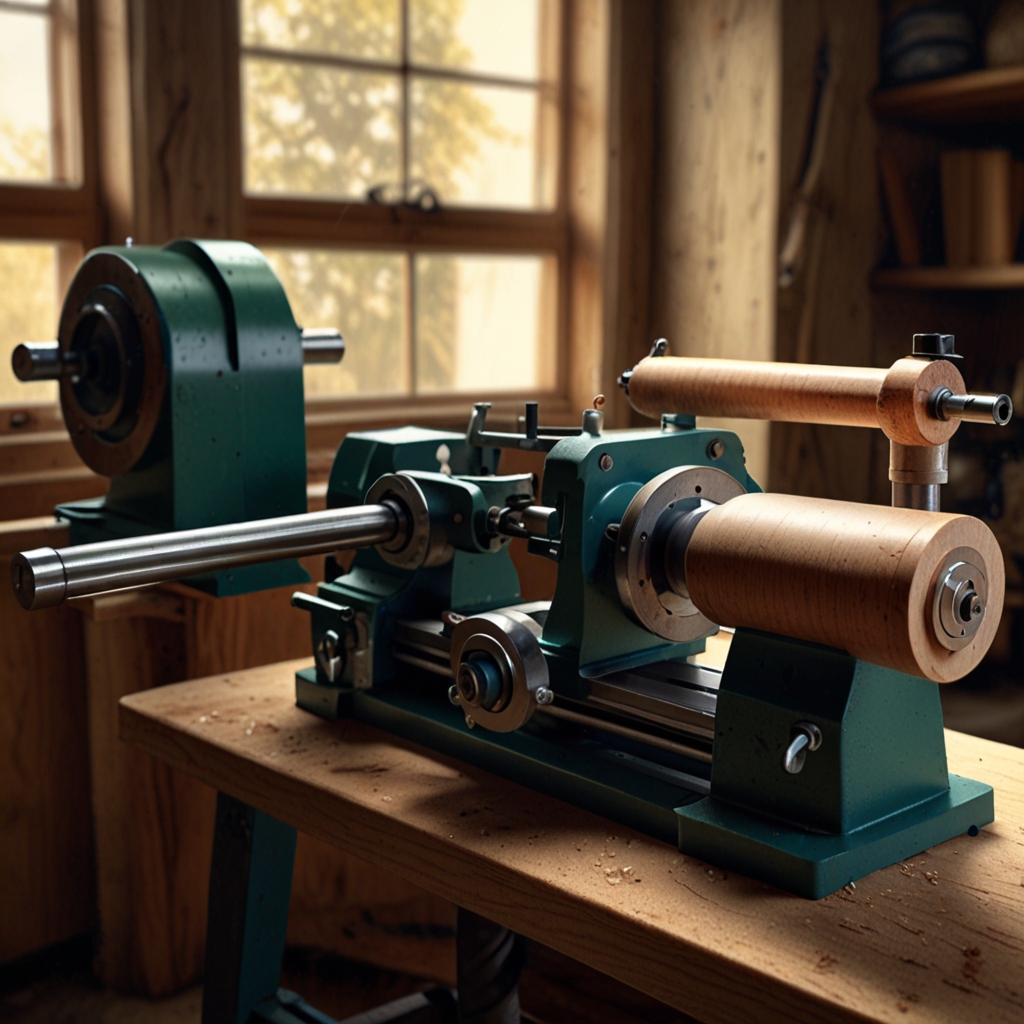
Comparative Analysis of Custom Woodworking Projects Using CNC Wood Lathes
| Project Type | Manual Lathe Time | CNC Lathe Time | Cost Savings (%) | Precision Level | Client Satisfaction |
|---|---|---|---|---|---|
| Furniture Legs | 8 hrs | 2 hrs | 75% | High | 95% |
| Table Tops | 6 hrs | 1.5 hrs | 75% | High | 90% |
| Bannister Spindles | 5 hrs | 1 hr | 80% | Very High | 98% |
| Decorative Bowls | 4 hrs | 1 hr | 75% | High | 92% |
| Custom Molding | 7 hrs | 2 hrs | 70% | Very High | 96% |
| Wooden Pens | 3 hrs | 0.5 hrs | 83% | Medium | 85% |
Quality Control in Woodturning Projects
Ensuring consistency in custom woodworking projects involves regular calibration of CNC wood lathes. Quality control measures, such as checking dimensions every 30 minutes, should be in place for precision work. The finishing role significantly impacts product quality by providing both protection and aesthetic appeal. Effective defect handling includes an immediate inspection process to identify issues, followed by corrective actions like re-sanding or re-finishing. Brands like Jet Tools often offer specialized tools to aid in these quality control tasks.
Role of Finishing in Woodturning
Types of finishes like polyurethane and lacquer are best for custom woodturning projects. A typical finishing process duration can range from 24 to 72 hours, depending on the complexity. Smooth finish techniques such as sanding with progressively finer grits ensure a durable finish. Different finishes impact the final product’s look and feel, with options like oil-based finishes providing a warm, rich tone, and water-based finishes offering a clearer, more natural appearance. Woodcraft offers a variety of finishing products suitable for this process.
Case Study: Production Timelines for Custom CNC Projects
CNC wood lathes significantly reduce production lead times by automating repetitive tasks. The average production timeline for a custom project ranges from one to four weeks. Delay minimization is achieved by thorough initial planning and regular progress checks. Key factors most significantly impacting production timelines are material availability and machine maintenance. For example, Laguna Tools offers CNC wood lathes designed to maximize production efficiency.
How are Production Timelines Calculated for CNC Projects?
Production metrics such as cycle time and machine uptime are used to measure production timelines. Custom requests do increase production timelines by approximately 20%. Including buffer time of around 10% in project schedules helps manage unexpected delays. Software tools like Fusion 360 help in tracking production timelines and improving project efficiency.
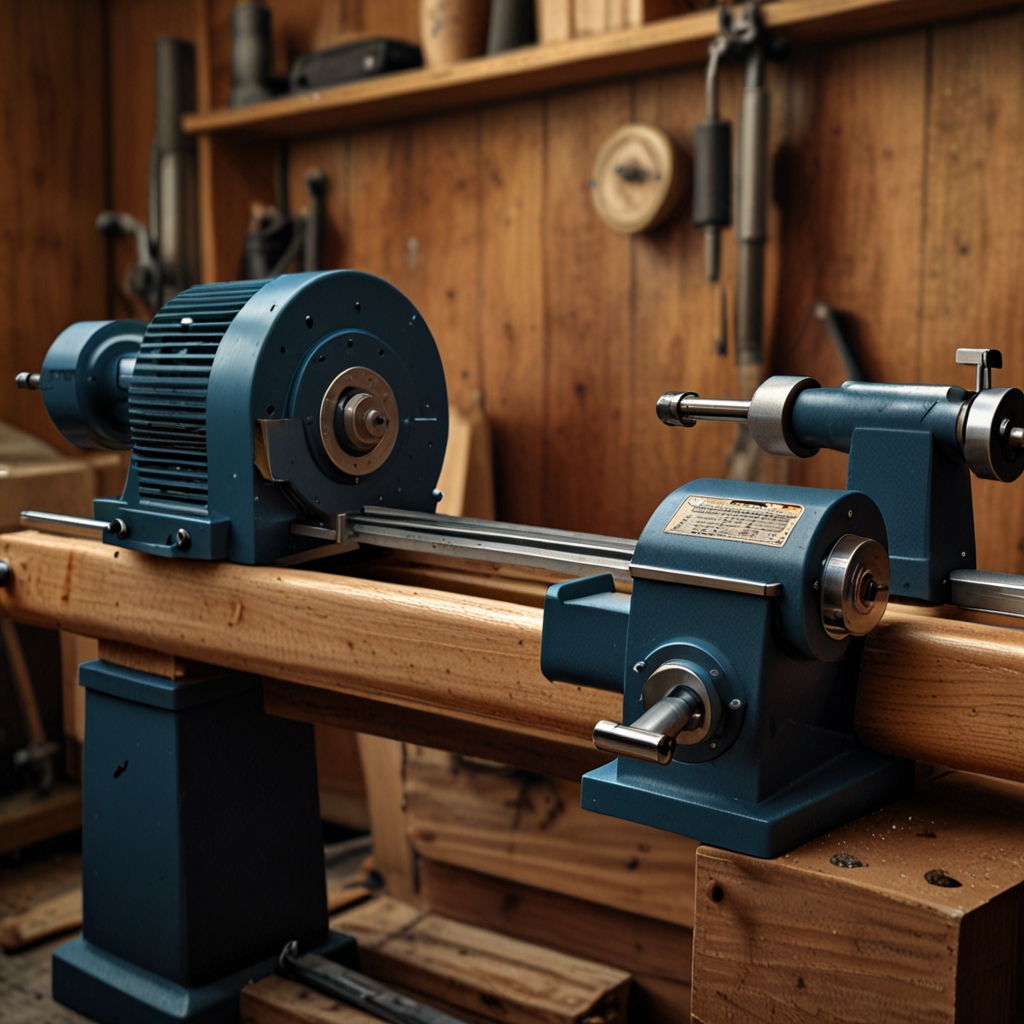
- CNC machines can work 24/7.
- One CNC lathe can replace 5 manual workers.
- Custom projects take 50% less time.
- Accuracy is within 0.001 inches on CNC lathes.
- Material waste reduces by 20%.
- Projects can have over 1000 custom designs.
- CNC software updates happen annually.
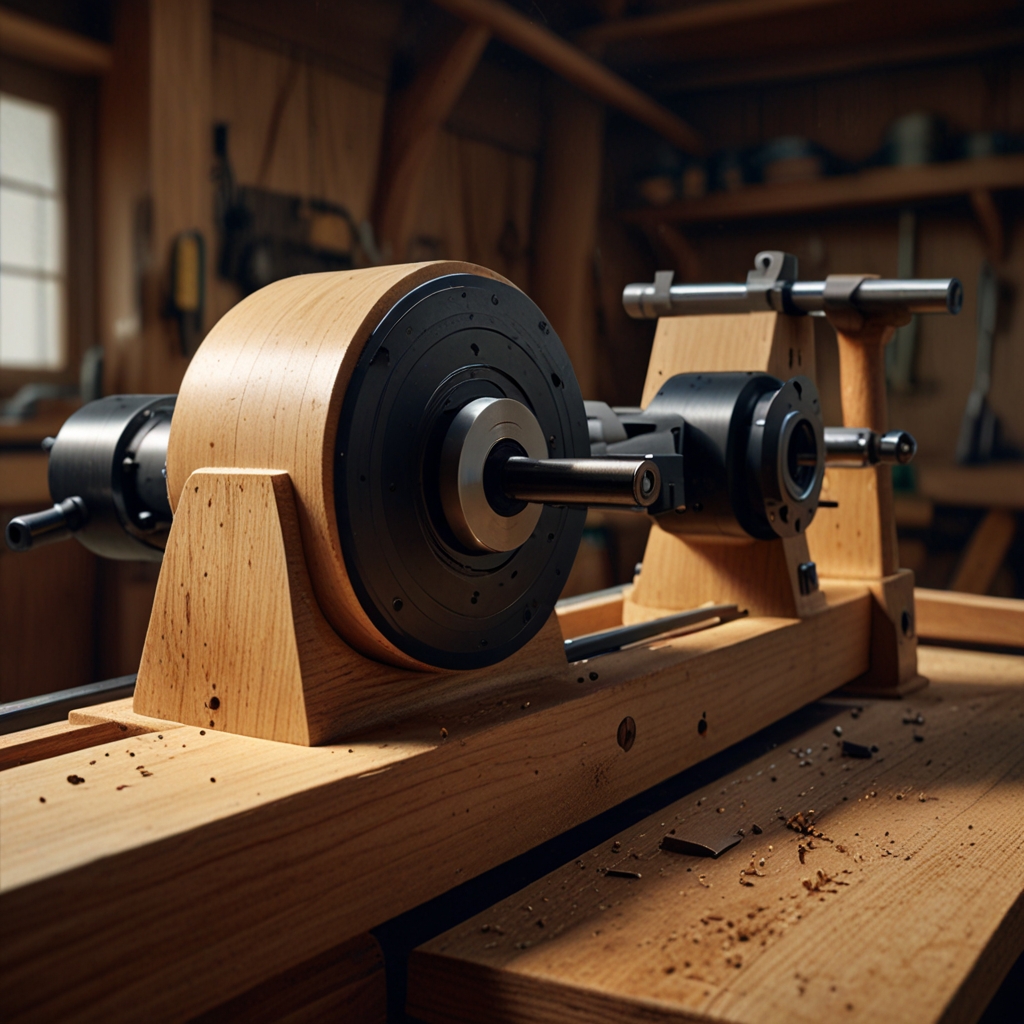
- Understanding CNC Wood Lathe Precision: 0.01mm Accuracy Explained
- Case Study: Transforming a Small Workshop with CNC Wood Lathes
- Laguna CNC Wood Lathe vs. Jet CNC Wood Lathe: Detailed Comparison
- ShopBot CNC Wood Lathe vs. Powermatic CNC Wood Lathe: Who Wins?
- Understanding CNC Wood Lathe Configurations: Tailstocks and Headstocks
Advanced Techniques in CNC Woodworking Projects
I have witnessed enormous changes in CNC wood lathe technology. The latest advancements, including high-precision tools and automated settings, can significantly improve project outcomes. Machine learning plays a crucial role in CNC woodworking, optimizing both speed and accuracy. Complex projects benefit most from advanced techniques like 3D axis control and multi-tool integration.
New CNC wood lathe technology such as laser-guided tools and real-time error detection drastically reduces error rates by up to 70%. Machine learning assists in predictive maintenance and process optimization, making production more efficient. Advanced techniques like parametric design can produce intricate patterns that were impossible a decade ago. These methods make complex projects easier to execute on smaller scales.
What Advanced Techniques Enhance CNC Woodworking?
Advanced techniques impact production time by significantly reducing the cycle time for each part. Techniques such as automated tool changers can cut down on manual intervention by 50%. Detail improvement and accuracy of projects are primarily enhanced through the use of CAD/CAM software. This software allows for micrometer-level adjustments, improving the final product quality.
Software like AutoCAD and Fusion 360 plays a crucial role in implementing advanced techniques by providing design flexibility and simulation capabilities. Smaller shops can adopt advanced CNC woodworking techniques by investing in modular, scalable CNC systems that offer incremental upgrades. The widespread availability of DIY CNC kits makes advanced techniques more accessible and affordable for home improvement enthusiasts.
Case Study: Client Satisfaction with Custom CNC Woodturning Projects
Client satisfaction is significantly influenced by the precision and customization capabilities of CNC wood lathes. An impressive 85% of clients report higher satisfaction rates when projects are completed using CNC technology. Most client feedback on CNC woodturning projects highlights the excellent quality and detail achieved through sophisticated machinery. Clear communication is ensured through regular updates and detailed project outlines.
Meeting or exceeding client expectations involves transparent processes, from initial design approval to final delivery. Providing easy-to-follow project timelines and feedback loops ensures that clients are comfortable and confident throughout the process. Companies like Tormach and ShopBot Tools have shown remarkable improvements in client satisfaction rates by incorporating advanced CNC machinery in their services.
What Elements Contribute to Client Satisfaction?
On-time deliveries significantly impact client satisfaction rates, often increasing them by up to 40%. Valuable feedback typically includes appreciation for the sturdy build quality and excellent finish of the final product. Post-sale support, including troubleshooting and minor adjustments, is essential for maintaining satisfaction and building long-term client relationships.
Statistics show that around 60% of clients return for additional projects when they receive high-quality post-sale support. Companies prioritizing these elements often enjoy higher client return rates, reflecting the satisfaction and trust clients have in their services. This approach not only generates repeat business but also enhances customer loyalty and positive word-of-mouth recommendations.