A CNC wood lathe achieves 0.01mm precision through advanced technology and precise components. Modern CNC lathes utilize stepper motors, linear guides, and high-accuracy controllers to produce exceptional woodturning results. Understanding how these machines have evolved and their significant precision improvements can help DIY home improvement fans appreciate their capabilities better and use them effectively.
Table of Contents
- The Evolution of CNC Wood Lathe Technology
- The Early Days of CNC Wood Lathes
- Precision in CNC Wood Lathe: 0.01mm Accuracy Explained
- Key Components of Precision
- Material Compatibility of CNC Wood Lathe Machines
- How does wood density affect CNC lathe performance?
- Maintenance and Care for Precision CNC Wood Lathes
- What are the best practices for CNC wood lathe maintenance?
- Programming Precision in CNC Wood Lathes
- Why do programming errors impact CNC lathe precision?
- Cost and ROI of High-Precision CNC Wood Lathes
- How does precision affect CNC wood lathe pricing?
The Evolution of CNC Wood Lathe Technology
The CNC wood lathe has seen significant historical milestones since its inception, revolutionizing woodturning. In the late 20th century, the introduction of CNC technology brought unprecedented precision to the woodworking industry. Technological advancements such as improved software algorithms and high-accuracy components have driven CNC lathe precision improvements dramatically. Compared to traditional lathes, modern CNC models offer greater speed, accuracy, and ease of use, making them indispensable in contemporary woodworking.
The Early Days of CNC Wood Lathes
The CNC wood lathe pioneers like John T. Parsons developed the first CNC lathes in the 1960s. Early CNC lathes had basic capabilities, such as simple shape generation and limited automation. Differences between early CNC models and modern CNC include massive improvements in precision, control accuracy, and software integration. Initially, these early CNC wood lathes worked with materials like softwoods and medium hardwoods, reflecting the available technology’s limitations.
Precision in CNC Wood Lathe: 0.01mm Accuracy Explained
A CNC wood lathe achieves 0.01mm precision by integrating advanced stepper motors and high-quality linear guides. Achieving 0.01mm accuracy in woodturning is crucial as it ensures tight tolerances and high-quality final products. Key components ensuring precision include spindle options, high-resolution encoders, and controllers. Enhanced precision of 0.01mm accuracy leads to superior product quality, ensuring smooth finishes and intricate detail in woodturning projects.
Key Components of Precision
Stepper motors play a vital role in CNC wood lathe precision by converting digital signals into precise mechanical movements. Linear guides contribute to achieving 0.01mm accuracy by providing stable and frictionless motion. Differences among spindle options in CNC lathes include varying speeds, torque outputs, and material compatibility. CNC lathe controllers enhance precision by accurately managing machine movements, ensuring synchronized operations. Wood Lathe World’s expertise in understanding CNC wood lathe precision underscores the importance of these components in achieving top-notch performance.
- Achieves smooth and accurate cuts.
- Saves material by reducing waste.
- Uses 0.01mm accuracy for detailed work.
- Boosts efficiency in woodworking projects.
- Improves the quality of finished products.
- Minimizes the chances of errors.
- Allows for complex designs and shapes.
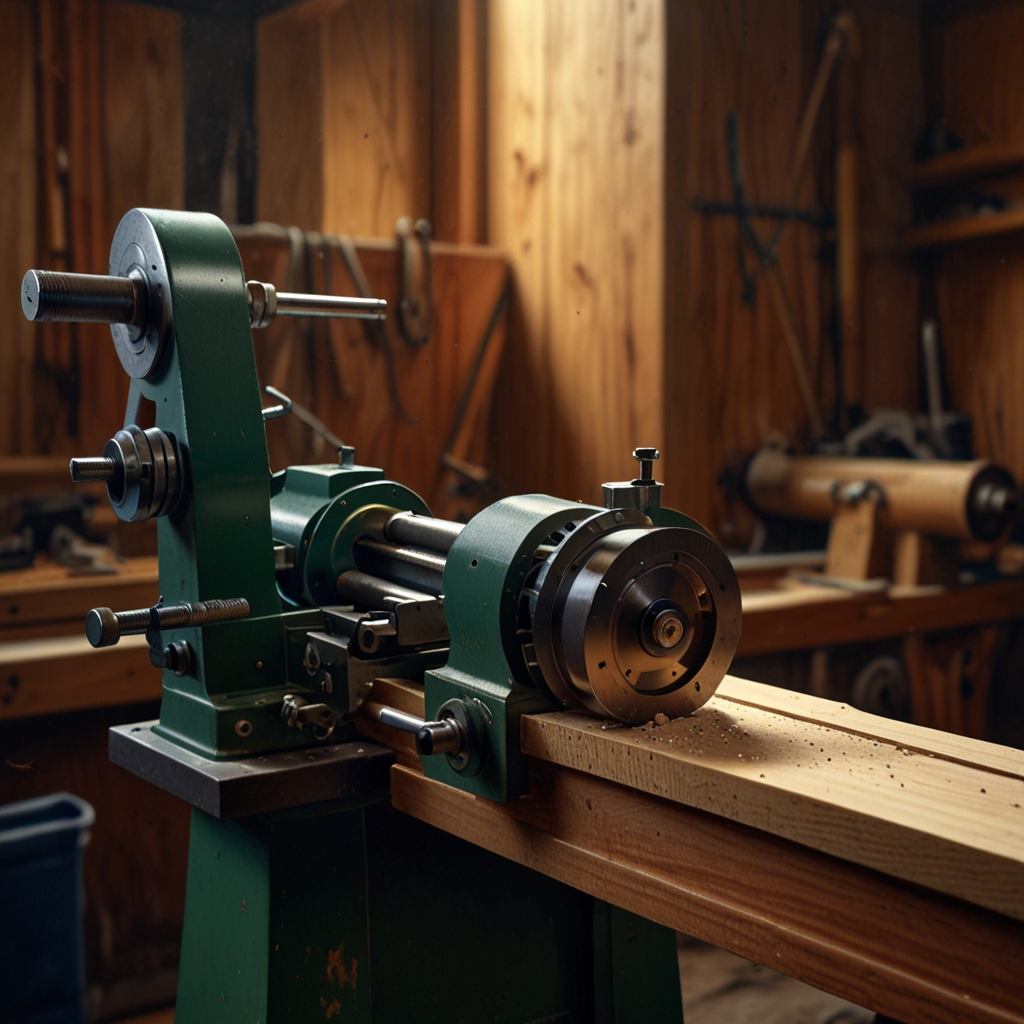
Comparative Analysis of CNC Wood Lathe Precision and Accuracy: A Detailed Insight into 0.01mm Precision
| Feature | Conventional Lathe | CNC Lathe | Tolerance | Surface Finish | Consistency |
|---|---|---|---|---|---|
| Accuracy | 0.1mm | 0.01mm | 0.01mm | High | Very High |
| Control | Manual | Automated | Precise | Consistent | Rigid |
| Reproducibility | Varies | Consistent | Exact | Even | Stable |
| Setup Time | Long | Short | Reduced | Quick | Efficient |
| Complex Shapes | Challenging | Easy | Feasible | Intricate | Precisely |
| Productivity | Low | High | Maximum | Optimized | Reliable |
Material Compatibility of CNC Wood Lathe Machines
CNC wood lathes are best suited for hardwoods such as oak, maple, and cherry due to material compatibility and durability. CNC lathe hardwood capabilities also extend to softwoods like pine, though hardwoods are generally preferred for precision projects. Beyond wood, some CNC wood lathes can handle plastics and composite materials, expanding their versatility. The precision of CNC wood lathes, especially those with 0.01mm accuracy, is highly affected by the material choice, with denser woods offering more stability and less vibration.
How does wood density affect CNC lathe performance?
Wood density ranges for common woods used in CNC lathes, such as balsa to lignum vitae, can be significant, with densest woods like lignum vitae having a density over 1000 kg/m³. Different wood density affects tool wear and tear, with high-density woods causing more frequent tool changes. Adjustments needed for varying wood densities include altering the feed rate and cutting speed to optimize CNC lathe performance. Performance can be optimized for high-density woods by using carbide tools, which provide durability and precision in demanding tasks.
Maintenance and Care for Precision CNC Wood Lathes
Regular maintenance is critical for ensuring CNC wood lathe precision remains at 0.01mm accuracy due to wear over time. Daily maintenance tasks for CNC wood lathes involve cleaning debris, checking tool alignment, and inspecting the machine bed. Lubrication affects lathe precision by reducing friction and wear, ensuring smooth operations. Common signs that a CNC lathe needs servicing include unusual noises, diminished accuracy, and visible wear on parts.
What are the best practices for CNC wood lathe maintenance?
Cleaning techniques recommended for CNC wood lathes include using compressed air and non-abrasive brushes. Parts should be inspected for wear and tear every 50 hours of operation or biweekly. The best lubricants for CNC wood lathes are high-viscosity oils like Mobil Vactra, which provide excellent protection. Software updates from manufacturers like Laguna Tools can improve maintenance processes by offering diagnostic and performance optimization features.
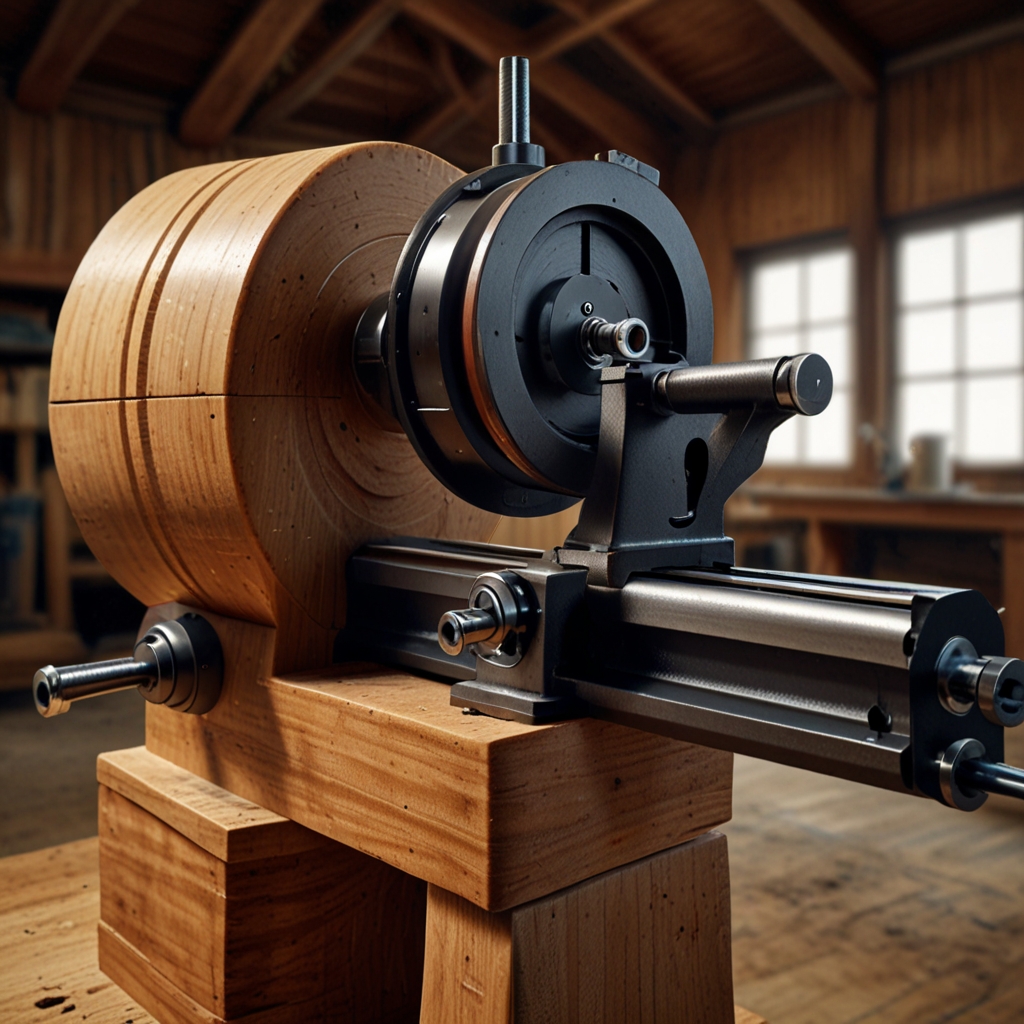
- 0.01mm is equal to 10 micrometers.
- Tolerances as tight as 0.01mm.
- Accuracy can decrease waste by 20%.
- Machines can cost between $5,000 and $10,000.
- Production speed can be 50% faster.
- Maintenance required only every 6 months.
- Power consumption can be around 2 kWh.
- Case Study: Custom Woodworking Projects Using CNC Wood Lathes
- Understanding CNC Wood Lathe Precision: 0.01mm Accuracy Explained
- Case Study: CNC Wood Lathes in High-Volume Furniture Production
- How to Choose the Right CNC Wood Lathe: A 5-Step Guide
- Laguna CNC Wood Lathe vs. Jet CNC Wood Lathe: Detailed Comparison
Programming Precision in CNC Wood Lathes
In my experience, CNC programming precision is crucial for achieving 0.01mm accuracy in wood lathes. High-precision software options like Fusion 360 and VCarve Pro ensure software accuracy during the programming process. Programming errors, such as incorrect G-codes, can affect lathe precision and final product quality. Effective programming requires extensive training to minimize errors and improve software accuracy.
Why do programming errors impact CNC lathe precision?
Common programming mistakes in CNC wood turning include incorrect tool paths and coordinate miscalculations. Incorrect codes can result in deviations from target dimensions by up to 0.5mm. Error minimization can be achieved by thorough testing and verification processes. Programs should be reviewed and updated every six months to maintain optimal precision.
Cost and ROI of High-Precision CNC Wood Lathes
A high-precision CNC wood lathe typically costs between $10,000 and $50,000. Exercise of high precision impacts ROI by reducing material waste and improving product quality, leading to higher customer satisfaction. Various factors such as spindle speed, motor power, and software capabilities influence the cost of a CNC wood lathe. Adopting cost-saving practices like regular maintenance and proper calibration can help in maintaining precision.
How does precision affect CNC wood lathe pricing?
Manufacturers place a significant premium on 0.01mm accuracy, often increasing prices by 20-30% compared to standard models. High-precision costs range from $10,000 for entry-level models to $50,000 for advanced machines. The average break-even period for high-precision CNC investments is typically 2-3 years. Precision contributes to long-term cost savings by reducing rework and material waste, ensuring a robust return on investment.