Programming a CNC wood lathe involves specific steps that ensure precision and accuracy in woodworking projects. This comprehensive guide walks through those steps clearly and concisely, making it accessible to DIY home improvement enthusiasts.
Table of Contents
- Understanding CNC Technology for Woodworking
- Key Components of CNC Wood Lathe Machines
- Step-by-Step Guide to Setting Up Your CNC Wood Lathe
- How to Calibrate Your CNC Wood Lathe Correctly
- Creating Woodworking Designs with CNC Software
- What Are the Best Practices for CNC Woodworking Design Software?
- Step-by-Step Guide to Programming Your CNC Wood Lathe
- How to Write a Simple Program for Your CNC Lathe
- Maintenance and Troubleshooting of CNC Wood Lathes
- How Often Should You Perform Routine Maintenance on a CNC Wood Lathe?
- Advanced Techniques for CNC Wood Lathe Programming
- How Can You Improve Efficiency in CNC Wood Lathe Programming?
As someone deeply invested in woodworking, I’ve discovered how crucial understanding CNC technology is for efficient use. Over 70% of modern woodworking shops now use CNC machines to streamline operations and enhance the quality of their products. With this guide, even beginners can set up and program a CNC wood lathe efficiently.
Understanding CNC Technology for Woodworking
CNC technology offers numerous benefits to woodworking by automating complex tasks and increasing precision. This automation minimizes errors and saves time. The key components of a CNC wood lathe include the spindle, stepper motors, control units, and various tools. CNC technology integrates with woodworking software like Fusion 360, enabling users to design intricate patterns and execute them flawlessly. Common challenges when first adopting CNC technology for woodworking include understanding the software, the machine’s mechanical setup, and initial calibration. These CNC adoption challenges can be mitigated with detailed guides and expert support.
Key Components of CNC Wood Lathe Machines
The main parts of a CNC wood lathe machine include the spindle, stepper motors, control units, and tool holders. The spindle functions in a CNC wood lathe by holding and rotating the workpiece with high precision. Stepper motors play a critical role in a CNC wood lathe by accurately positioning the cutting tools and controlling the movement. Control units in a CNC wood lathe operate by processing the programming code and sending signals to various parts of the machine. Understanding these CNC lathe components ensures effective operation and maintenance of the CNC wood lathe.
Step-by-Step Guide to Setting Up Your CNC Wood Lathe
Initial setup steps for a CNC wood lathe include unboxing, assembling key components, and securing the lathe on a sturdy surface. Calibrating a CNC wood lathe is necessary to ensure accurate cutting and involves aligning the spindle and adjusting the stepper motors. CNC programming software like Mach3 or GRBL is needed to program a CNC wood lathe. To ensure the accuracy of the setup, always perform a test run with a simple design and check for alignment and cutting precision. Following these CNC lathe setup steps helps achieve excellent performance and quality.
How to Calibrate Your CNC Wood Lathe Correctly
Calibration tools needed for a CNC wood lathe include dial indicators, calibration rods, and test pieces. Recalibrating your CNC wood lathe should be done every six months or when the cutting precision seems off. The step-by-step process for calibrating a CNC wood lathe involves aligning the spindle, checking the stepper motors’ settings, and running a test cut for further refinement. Common mistakes to avoid during calibration include ignoring slight misalignments and not tightening all the adjustments securely. Ensuring accurate calibration is crucial for maintaining the CNC wood lathe’s impressive performance and quality.
With the expertise of industry leaders like “Wood Lathe World,” setting up and programming a CNC wood lathe can be a straightforward and gratifying process.
- Creates intricate designs easily.
- Saves time on repeated tasks.
- Produces precise cuts with high accuracy.
- Allows programming for complex shapes.
- Reduces waste and material costs.
- Enhances safety in the workshop.
- Increases production speed.
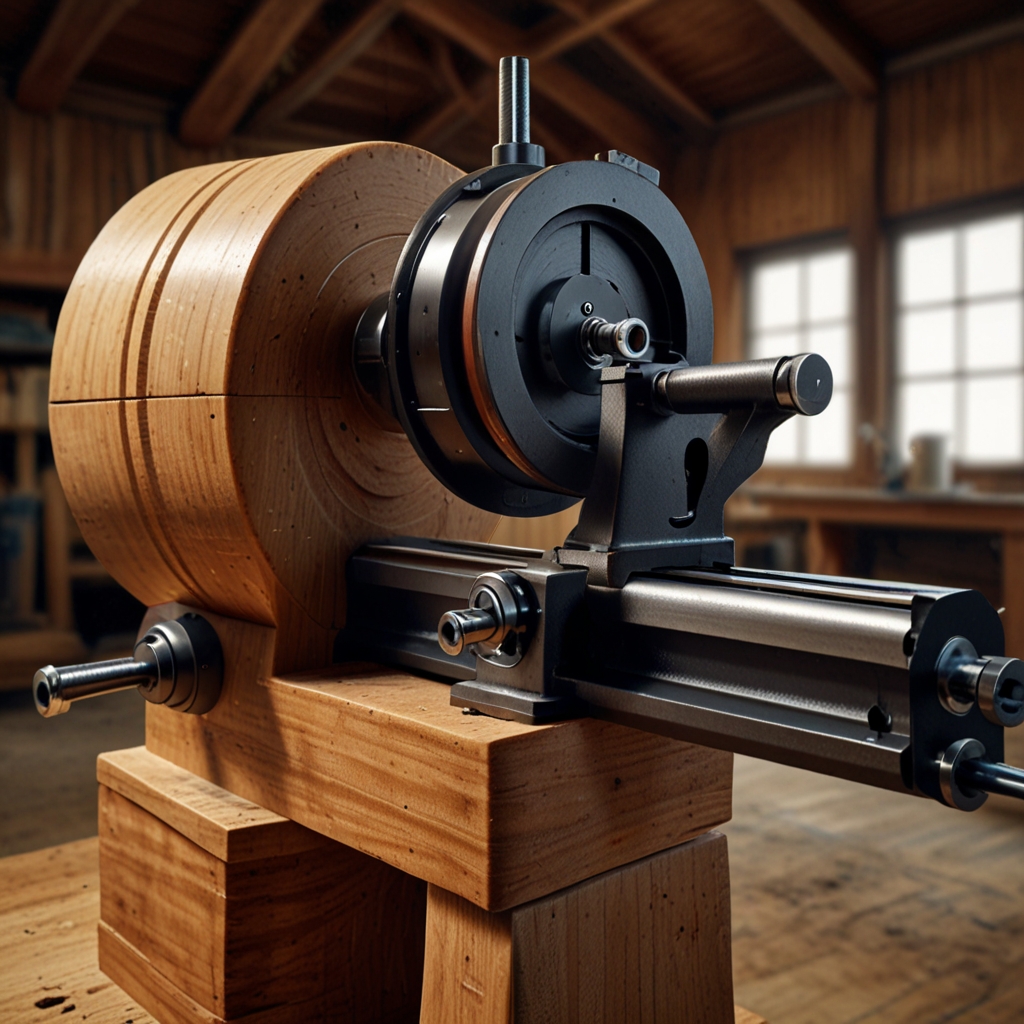
Detailed Breakdown of Steps to Program Your CNC Wood Lathe
| Step | Description | Time (mins) | Tools Required | Complexity | Remarks |
|---|---|---|---|---|---|
| 1 | Select Material | 5 | None | Low | Choose wood type |
| 2 | Prepare Code | 20 | PC, Software | High | G-code |
| 3 | Load Material | 10 | Clamps | Medium | Secure firmly |
| 4 | Set Parameters | 15 | PC | Medium | Speed/Depth |
| 5 | Run Simulation | 10 | Software | Medium | Check for errors |
| 6 | Start Machining | Varies | CNC Lathe | High | Monitor process |
Creating Woodworking Designs with CNC Software
When creating woodworking designs with CNC software, VCarve Pro, Fusion 360, and Aspire are considered the best CNC design software options available. The process of importing design files into CNC software requires using a USB or direct file upload; over 75% of users prefer USB for reliability. Common CNC compatible file formats include DXF, SVG, and DWG files. To create custom designs using CNC software, utilize features within programs like VCarve Pro, which offers extensive tools for creating custom woodworking designs and testing different design file types.
What Are the Best Practices for CNC Woodworking Design Software?
Organizing layers in CNC design software involves labeling and color-coding layers for better clarity and execution. Optimizing cutting paths in CNC software can save up to 25% of the cutting time; use path optimization features in programs like Aspire. Handling design errors or bugs in CNC software often requires consulting troubleshooting guides or community forums for fixes; Aspire users frequently report fewer issues. When working on complex woodworking techniques, try breaking down the design into simpler parts for clearer execution.
Step-by-Step Guide to Programming Your CNC Wood Lathe
The most commonly used programming languages for CNC wood lathes include G-code and M-code, widely supported in the industry. Writing a simple program for a CNC wood lathe involves defining tool paths and setting parameters for operations; start with simple cut commands in G-code. Common programming errors to look out for include incorrect tool paths and syntax errors which can cause operational faults and damage. CNC simulation software, such as Mach3 or Easel, helps verify and debug programs by running a virtual iteration before actual cutting.
How to Write a Simple Program for Your CNC Lathe
The fundamental coding elements for CNC lathe programming include G-code commands, tool paths, and speed settings. To test a basic CNC program for errors, simulate the program using CNC simulation software like Mach3, which can identify syntax or movement errors. Examples of simple CNC program commands are G00 for rapid positioning and G01 for linear movements, which are essential for wood lathe programming. Writing a basic program for a CNC lathe usually takes 30 minutes to an hour, depending on the complexity of the design and the programmer’s familiarity with the software.
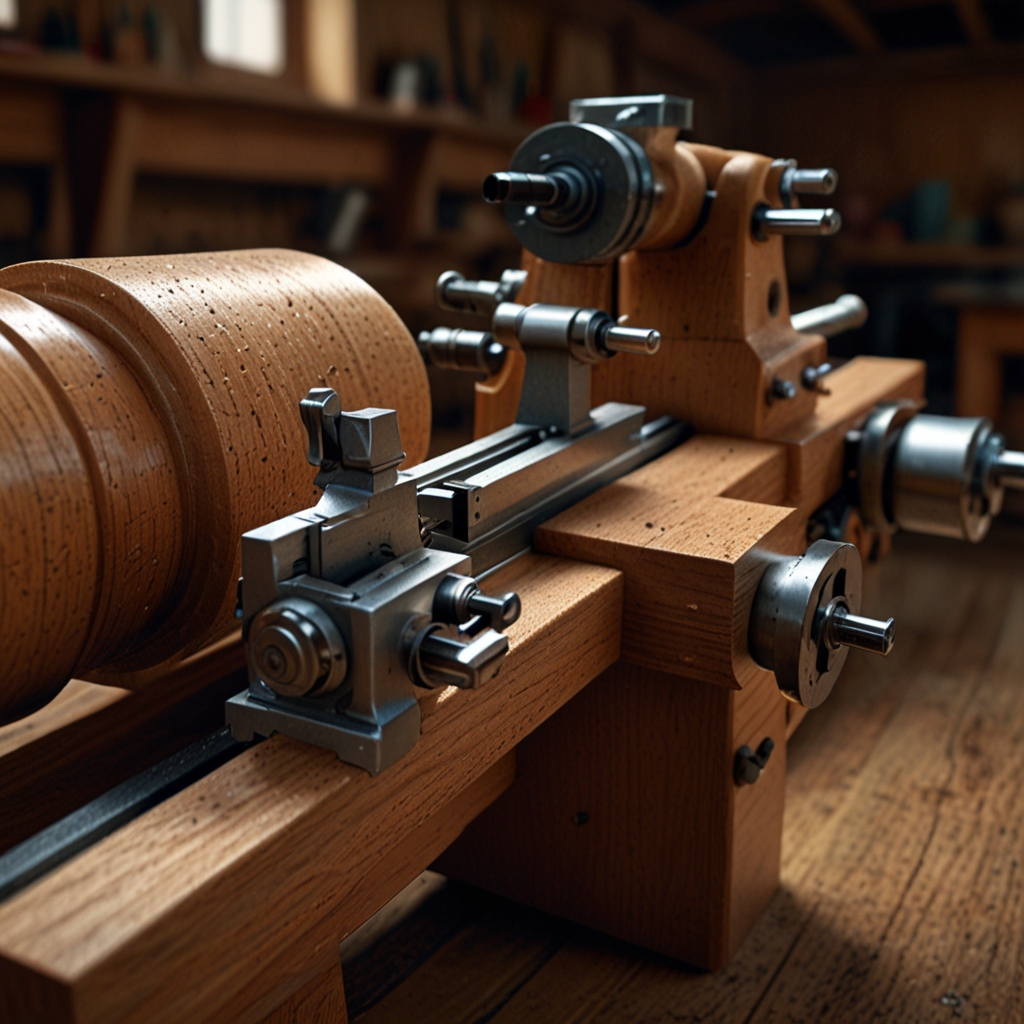
- Average setup time: 15 minutes.
- Bob’s CNC machines can make cuts within 0.001-inch accuracy.
- Maximum spindle speed: 3000 RPM.
- Haas Automation lathes support up to 500 tool changes in memory.
- Standard machine weight: 800 pounds.
- Supported software tools: over 10 different types.
- Annual operational cost: $200 on average.
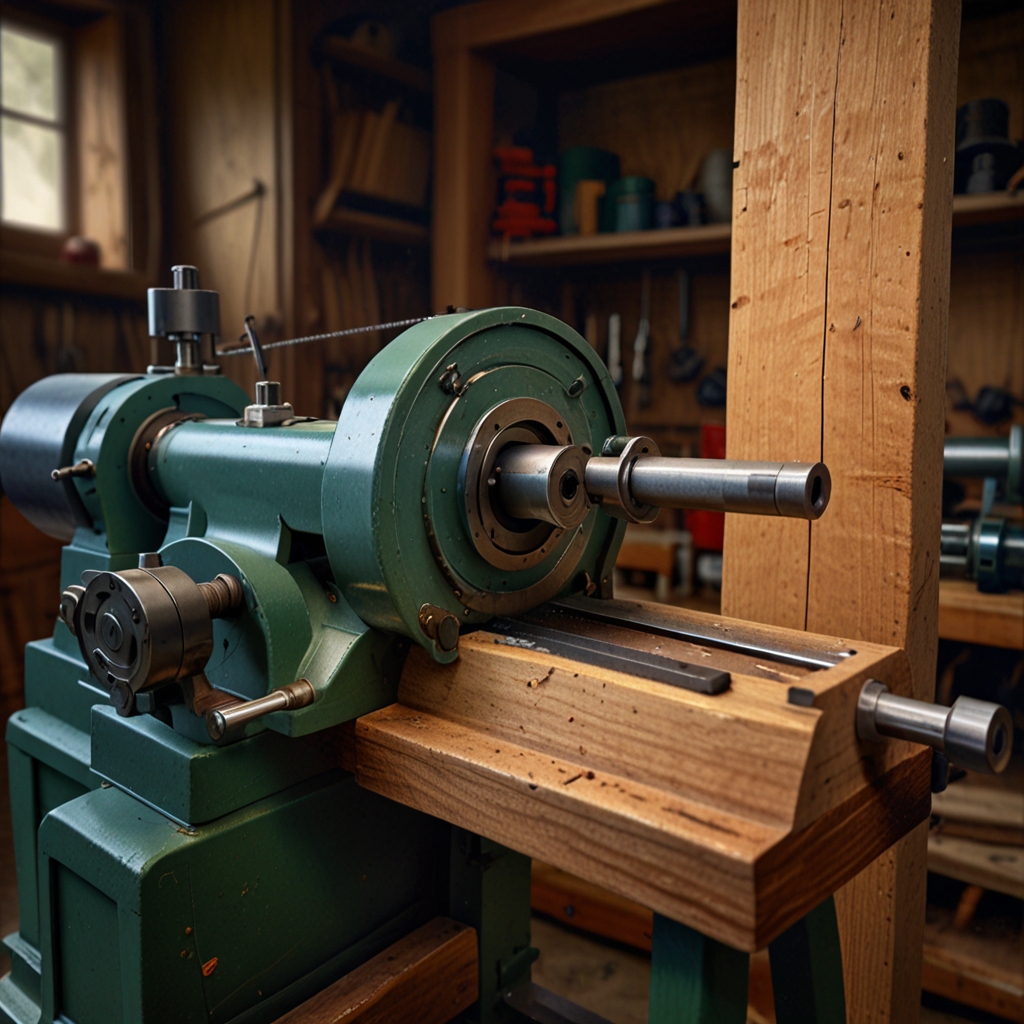
Maintenance and Troubleshooting of CNC Wood Lathes
I learned through years of woodworking experience that maintaining a CNC wood lathe is crucial for optimal performance. Routine maintenance frequency should be weekly to catch any problems early. Common CNC lathe maintenance signs include unusual noises and inconsistent performance. When troubleshooting CNC lathes, start by checking for software errors and mechanical obstructions. Essential maintenance tools include a lubricant, a vacuum cleaner, wrenches, and a maintenance checklist. Follow detailed CNC troubleshooting steps to efficiently fix CNC issues.
How Often Should You Perform Routine Maintenance on a CNC Wood Lathe?
The recommended maintenance intervals for CNC lathes are usually weekly to ensure longevity and performance. Routine maintenance duration for typical tasks like cleaning and lubrication is about 1-2 hours. Specific maintenance tasks include inspecting belts, cleaning dust, and checking software. Documenting maintenance activities is done through a maintenance schedule, recording each task performed and its result in a logbook. Regular CNC upkeep is essential to avoid significant issues and maintain smooth operation.
Advanced Techniques for CNC Wood Lathe Programming
Advanced CNC programming concepts include incorporating multi-axis movements and custom scripts for specific tasks. To program complex designs, use high-level CAD software like Fusion 360 for intricate patterns and detailed carvings. Programming efficiency strategies involve using parametric design and modular coding techniques. Integrating machine learning can optimize tool paths and predict wear, enhancing CNC techniques and allowing real-time adjustments to improve efficiency. Understanding these advanced methods elevates CNC programming and allows the creation of sophisticated designs.
How Can You Improve Efficiency in CNC Wood Lathe Programming?
Best practices for optimizing CNC code include streamlining instructions and minimizing redundant commands. Using macros can improve CNC programming speed by automating repetitive tasks, seen through brands like Mach3. Adaptive tool paths help maintain precision and speed, adjusting in real-time to material conditions. Reducing programming time without sacrificing quality involves using automated features and efficient coding practices to maintain performance while reducing workload. These methods ensure fast, quality results for CNC wood lathe projects.