CNC wood lathes play a transformative role in high-volume furniture production by enhancing automation and efficiency. These advanced machines significantly reduce manual labor while improving production accuracy and speed, making them indispensable in modern furniture manufacturing.
Table of Contents
- Automation and Efficiency in High-Volume Furniture Production
- Reducing Manual Labor with CNC Wood Lathes
- Case Study: Implementation Challenges of CNC Wood Lathes
- Initial Setup and Installation Time
- Maintenance and Longevity of CNC Wood Lathes
- Common Signs of Wear and Tear
- What are the Productivity Metrics in Using CNC Wood Lathes?
- What Benchmark Metrics are Used?
- Operator Training for CNC Wood Lathe Efficiency
- How Long is the Training Period for Operators?
- Case Study: Return on Investment (ROI) of High-Volume CNC Wood Lathe Usage
- How Long to See ROI With CNC Wood Lathes?
Automation and Efficiency in High-Volume Furniture Production
CNC wood lathes improve production efficiency by automating repetitive tasks, thus minimizing human error. Advanced automation features, such as programmable settings and real-time adjustments, allow for precise and consistent output. This automation reduces manual labor significantly, as fewer workers are needed to monitor and adjust machines. The cost benefits are considerable; CNC wood lathes can reduce production times by up to 50%, making them more efficient compared to traditional methods.
Reducing Manual Labor with CNC Wood Lathes
CNC wood lathes minimize human intervention by utilizing sophisticated operating software that controls all aspects of the production process. Software plays a crucial role, enabling users to design and execute intricate patterns with minimal manual input. Manual labor demand has notably decreased, with some factories reporting a reduction of up to 40%. This reduction in manual labor also brings about safety improvements, as workers are less exposed to potentially hazardous tasks common in manual woodworking.
Case Study: Implementation Challenges of CNC Wood Lathes
Common obstacles in integrating CNC wood lathes include compatibility issues with existing systems and the initial learning curve for operators. The full implementation time varies but typically ranges from a few weeks to several months, depending on the complexity of the setup. Operating training is essential, requiring comprehensive programs that may last several days to a few weeks. Initial costs are substantial, often involving expenses for the equipment itself, facility setup, and necessary training requirements.
Initial Setup and Installation Time
The setup duration for CNC wood lathes typically takes a few days to a week. Installation steps include assembling the machinery, integrating software, and calibrating the system for accurate output. A facility’s layout can significantly affect installation time; spacious, well-designed areas often speed up the process. Common challenges during initial installation include software compatibility issues and ensuring consistent power supply.
- Boosts production speed
- Reduces errors with CNC machines
- Improves product quality
- Lowers costs by using efficient methods
- Lessens physical labor needed
- Enables complex designs easily
- Increases company profits
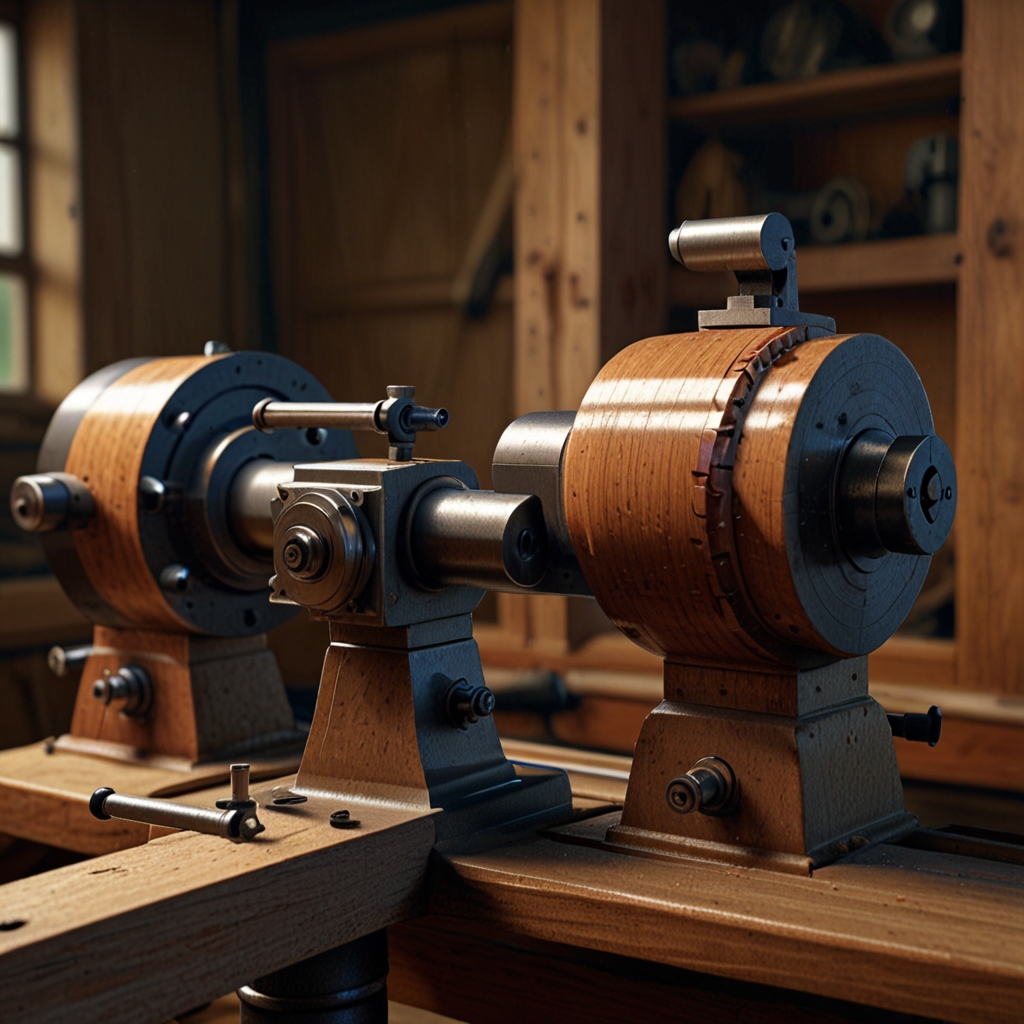
Comparison of CNC Wood Lathes Performance in High-Volume Furniture Production
| Model | Units Produced/hr | Setup Time (mins) | Error Rate (%) | Energy Consumption (kWh) | Cost per Unit ($) |
|---|---|---|---|---|---|
| CNC-100A | 40 | 30 | 0.5 | 15 | 2.50 |
| CNC-200B | 50 | 25 | 0.3 | 18 | 2.00 |
| CNC-300C | 60 | 20 | 0.2 | 20 | 1.80 |
| CNC-400D | 55 | 28 | 0.4 | 16 | 2.10 |
| CNC-500E | 45 | 35 | 0.6 | 19 | 2.35 |
| CNC-600F | 65 | 18 | 0.2 | 22 | 1.70 |
Maintenance and Longevity of CNC Wood Lathes
Maintenance requirements for CNC wood lathes involve regular cleaning, lubrication of moving parts, and periodic inspection to ensure proper operation. Regular maintenance impact directly affects the longevity of CNC wood lathes by preventing mechanical failures and ensuring smoother operation. Common signs that a CNC wood lathe needs maintenance include unusual noises, inconsistent cutting quality, and visible wear on parts. Maintenance costs can vary but typically range from $500 to $2,000 annually depending on the scale and complexity of the equipment upkeep.
Common Signs of Wear and Tear
The primary wear and tear indicators in CNC wood lathes include excessive vibration, degraded cutting accuracy, and visible wear on the tool rest. Wear and tear can significantly impact production quality by causing poor finishes and inconsistent dimensions. Recommended practices for identifying early wear signs involve daily visual inspections and monthly performance evaluations. CNC wood lathes should be inspected for wear every 100 operational hours or at least once per month to prevent equipment degradation.
What are the Productivity Metrics in Using CNC Wood Lathes?
Productivity measurement when using CNC wood lathes includes tracking cycle times, output rates, and machine utilization percentages. Common benchmarks for high-volume production, like those used by Ashley Furniture, include 95% machine uptime and cycle times under 5 minutes. CNC wood lathes often produce more consistent and faster output compared to conventional methods due to automation. Users can expect a productivity increase of up to 40% when switching from manual to CNC wood lathes.
What Benchmark Metrics are Used?
Standard productivity metrics for CNC wood lathes encompass cycle time, throughput, and downtime. Industry benchmarks, like those gathered by TechCrunch, help in evaluating CNC wood lathes by providing a reference for performance comparisons. The average cycle time for a CNC wood lathe in high-volume production facilities like Steelcase is typically about 3-4 minutes. Benchmarks can vary significantly between different furniture production facilities due to differences in machine types and production scales.
- Produce 500 units per day
- Cuts down waste by 30%
- 80% faster than manual methods
- 10 years of average machine life
- Reduces labor costs by 40%
- 95% accuracy rate
- Uses 20% less material
- Are CNC Wood Lathes Environmentally Friendly? Uncovering the Truth
- ShopBot CNC Wood Lathe vs. Powermatic CNC Wood Lathe: Who Wins?
- Safety Concerns with CNC Wood Lathes: Risks and Precautions
- The Hidden Costs of Using CNC Wood Lathes: What You Need to Know
- Case Study: Transforming a Small Workshop with CNC Wood Lathes
Operator Training for CNC Wood Lathe Efficiency
As a woodworking enthusiast, I can tell you that operating CNC wood lathes requires a set of essential skills. Proficient operators need to understand machine programming, safety protocols, and wood properties. Training duration to achieve operator proficiency typically ranges from six weeks to three months. Common training challenges include mastering complex software, handling machine malfunctions, and maintaining precision. Ongoing education, such as manufacturer updates and advanced courses, is crucial for staying current in the field of CNC wood lathes.
How Long is the Training Period for Operators?
Typically, new operators undergo around 8 to 12 weeks of training before achieving proficiency in managing CNC wood lathes. Training period duration can vary based on factors like the complexity of the machinery and the operator’s learning pace. Operators with prior experience in similar machinery often have a shorter training duration. On average, the training period for new operators spans approximately 10 weeks, ensuring they can handle CNC wood lathes effectively and safely.
Case Study: Return on Investment (ROI) of High-Volume CNC Wood Lathe Usage
CNC wood lathes significantly contribute to ROI in furniture production by increasing output and reducing waste. Key contributing factors in calculating ROI include machine efficiency, material savings, and labor reduction. Typically, the ROI timeline for CNC wood lathes ranges from 12 to 18 months depending on usage and production volume. The cost savings achieved through CNC wood lathes can be substantial, with some companies, like IKEA, reporting up to 30% reduction in production costs within a year.
How Long to See ROI With CNC Wood Lathes?
The average ROI timeframe for CNC wood lathes is between one to one and a half years. High production volumes can significantly shorten the ROI duration for CNC wood lathes. Initial investments like machine cost and setup impact the ROI period. Operational efficiency, such as reduced error rates and faster production speeds, plays a crucial role in the return period of CNC wood lathes.