Understanding CNC wood lathe configurations revolves around the functions of tailstocks and headstocks. Both these parts play crucial roles in the performance and capabilities of CNC wood lathes.
Table of Contents
- Types of CNC Wood Lathe Configurations
- Common Applications for CNC Wood Lathe Configurations
- Key Features of CNC Wood Lathe Tailstocks and Headstocks
- Measurement Parameters for Tailstocks
- Role of Automation in CNC Lathe Tailstocks and Headstocks
- Automation Benefits for Tailstocks in Industrial Applications
- Comparing Manual and CNC Wood Lathe Tailstocks
- What is the Accuracy Range for CNC Tailstocks?
- Maintenance and Troubleshooting of CNC Wood Lathe Components
- How to Lubricate CNC Wood Lathe Headstocks Properly?
Types of CNC Wood Lathe Configurations
The different types of CNC wood lathes available include horizontal CNC lathes and vertical CNC lathes. Horizontal CNC lathes are excellent for general-purpose turning and are often found in woodworking shops. Vertical CNC lathes, on the other hand, are better suited for tasks requiring gravity assistance, offering a different set of advantages. Industries such as furniture manufacturing and custom woodworking primarily use horizontal CNC lathes for their versatility. Conversely, vertical CNC lathes are more common in specialized industrial applications such as large-scale mold making. The advantages of CNC lathes include increased precision and repeatability, while disadvantages of wood lathes involve higher initial costs and complexity. Popular CNC lathe models, such as those from Laguna Tools and Jet, frequently surface in DIY woodworking circles.
Common Applications for CNC Wood Lathe Configurations
Common applications for CNC wood lathes include furniture production, custom woodworking, and artistic woodturning. Industries using CNC configurations, such as interior design and bespoke furniture making, benefit significantly from these machines. The CNC wood lathe configuration can influence project outcomes by ensuring higher precision and consistency in wood parts. Specific tasks like spindle turning, bowl making, and intricate pattern carving are particularly suited for CNC wood lathes. Real-world examples include custom table legs and detailed wooden decor items, showcasing the CNC wood lathe benefits in various CNC lathe configurations.
Key Features of CNC Wood Lathe Tailstocks and Headstocks
The essential features of CNC wood lathe tailstocks include adjustable positioning and strong clamping mechanisms. Headstock features influence lathe performance significantly by providing the power drive and aligning the workpiece accurately. Some brand-specific features for tailstocks and headstocks are seen in high-end models from brands such as Powermatic and Wood Lathe World, which offer enhanced stability and precision. Choosing the right tailstock and headstock for specific tasks depends on the project requirements; for intricate designs, a highly precise lathe headstock is recommended, while heavy-duty projects require robust tailstocks. Understanding CNC wood lathe configurations is essential for making the right choices.
Measurement Parameters for Tailstocks
Common measurement parameters for tailstocks include the tailstock height, travel, and optimal length for specific projects. Tailstock height is typically measured from the base to the centerline of the lathe spindle, ensuring alignment with the headstock. The standard range for tailstock travel is often between 2 to 6 inches, accommodating a variety of project sizes. Calculating the optimal tailstock length involves measuring the total distance needed to support the workpiece adequately. Precise measurement techniques and tailored specifications, offered by brands like Nova and Grizzly, ensure perfect alignment and support in CNC tailstock configurations.
- Improves accuracy of shapes
- Tailstocks help steady long pieces
- Increases work speed
- Headstocks offer power and rotation
- Enhances safety during work
- Produces high-quality finishes
- Reduces physical strain
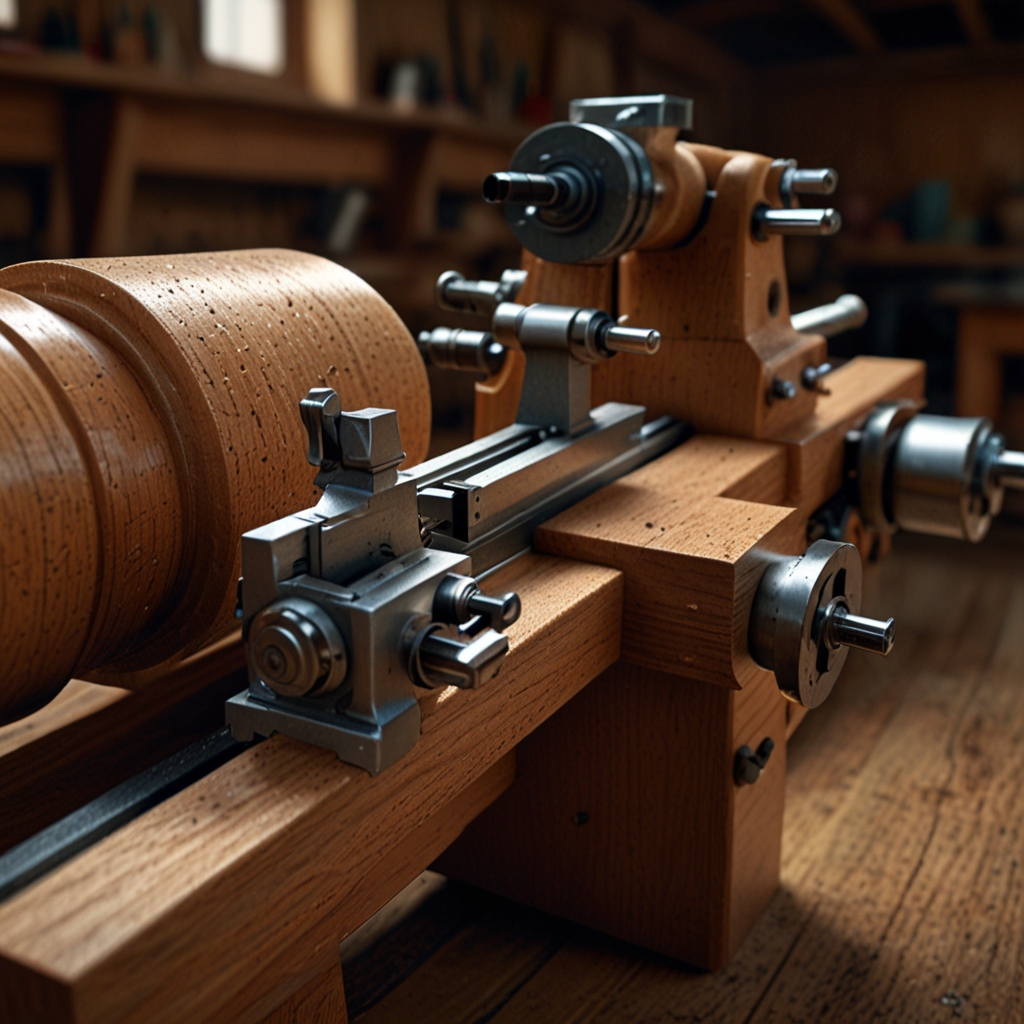
This table explores different aspects of CNC Wood Lathe Configurations, focusing on Tailstocks and Headstocks including their dimensions, weights, and functionalities.
| Aspect | Tailstock Dimension | Headstock Dimension | Tailstock Weight (kg) | Headstock Weight (kg) | Function |
|---|---|---|---|---|---|
| Basic Size | 150mm | 200mm | 25 | 30 | Support & Hold |
| Large Size | 200mm | 300mm | 40 | 50 | Support & Turn |
| Weight Range | 20-50kg | 28-60kg | – | – | Support |
| Typical Material | Steel | Steel | – | – | Stability |
| Advanced | Auto | Auto | 25-45 | 28-55 | Precision |
| Standard | Manual | Manual | 20-40 | 30-60 | Basic |
Role of Automation in CNC Lathe Tailstocks and Headstocks
Automation in CNC lathes has significantly enhanced the functionality of tailstocks by reducing manual adjustments and increasing precision. Latest technologies like servo-driven systems and real-time monitoring in automated headstocks have set new standards. Automated tailstocks improve efficiency by minimizing setup times and ensuring consistent pressure during operations. Advanced automation in CNC lathe configurations is offered by brands like Haas, Tormach, and Laguna.
Automation Benefits for Tailstocks in Industrial Applications
The primary benefits of automated tailstocks in an industrial setting include enhanced precision and reduced operator fatigue. Automation in tailstocks can reduce error by up to 30%, ensuring more consistent outcomes. Cost-savings from using automated tailstocks arise from lower labor costs and reduced material waste. Significant performance improvements, such as a 25% increase in production speed, have been reported with automated tailstocks in CNC industrial settings.
Comparing Manual and CNC Wood Lathe Tailstocks
Manual tailstocks and CNC tailstocks differ mainly in ease of use and precision, with CNC tailstocks offering more automated functionality. CNC tailstocks are generally more accurate, achieving tolerances within 0.001 inches compared to manual tailstocks. The cost implications of choosing CNC over manual tailstocks are often high, with CNC models sometimes costing double. User expertise greatly influences the choice, as less skilled operators may prefer the automated processes of CNC tailstocks.
What is the Accuracy Range for CNC Tailstocks?
The typical accuracy range for CNC tailstocks is within 0.001 to 0.0005 inches, providing high precision for woodworking tasks. Measuring accuracy in CNC tailstocks involves using dial indicators and laser measuring systems. Several factors, such as machine rigidity and alignment, influence the accuracy of CNC tailstocks. Industry standards for CNC tailstock accuracy are set by organizations like ISO, ensuring consistency across brands like Grizzly and Powermatic.
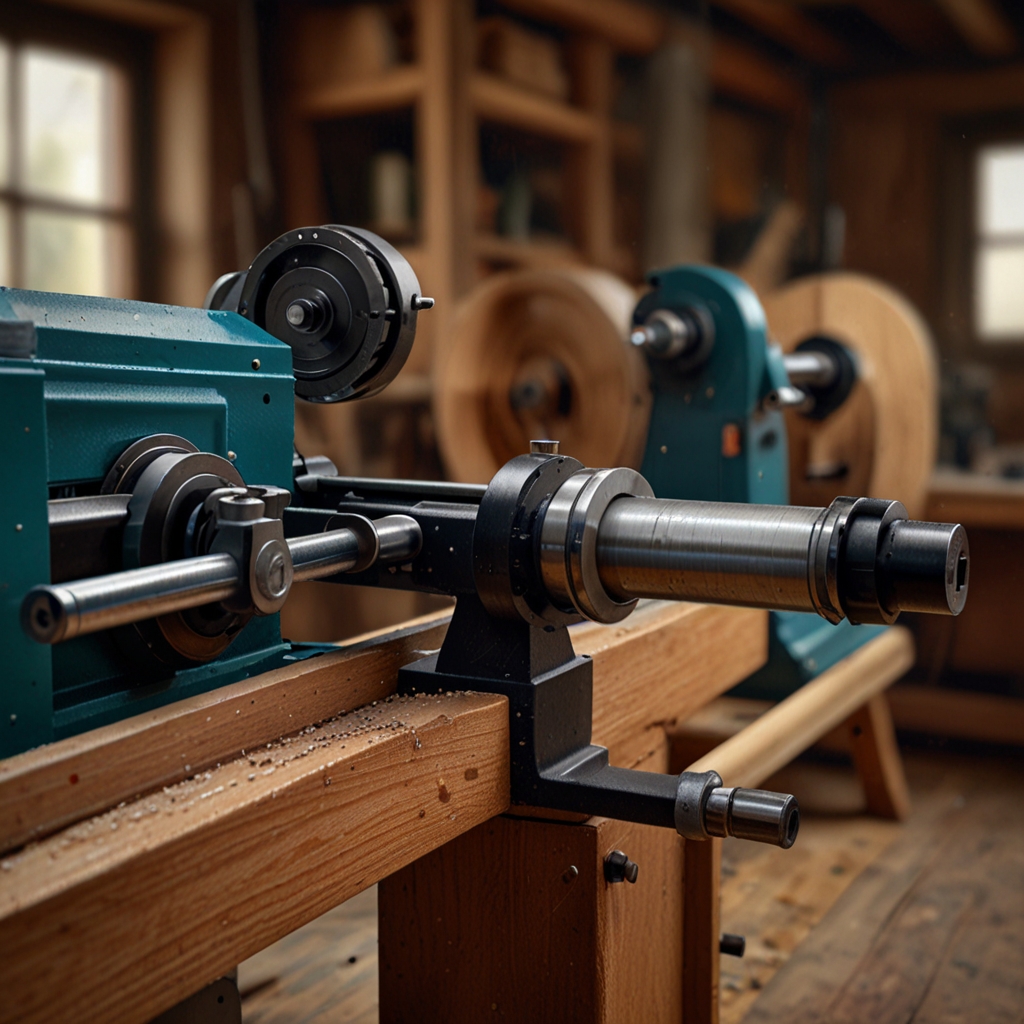
- Tailstocks support pieces up to 6 feet long
- Headstocks have 2,000 RPM rotation speed
- Takes only 10 minutes to set up
- Tailstocks can bear weight up to 500 pounds
- Requires minimal maintenance, just twice a year
- Machines weigh around 700 pounds
- Available in 50 different models
Maintenance and Troubleshooting of CNC Wood Lathe Components
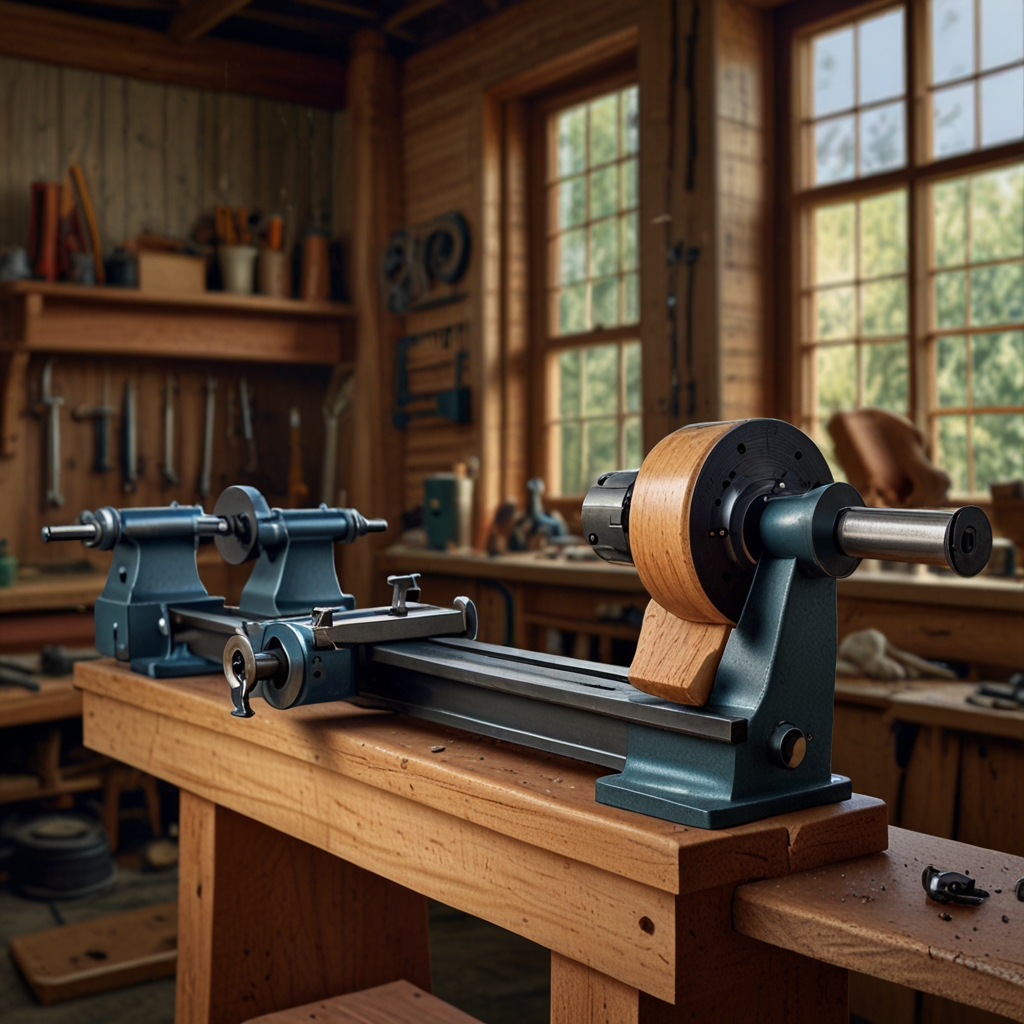
Common maintenance tasks for CNC wood lathe tailstocks and headstocks include regular cleaning, checking alignment, and ensuring bolts are tight. In my experience, troubleshooting issues like unusual noises or vibrations often stems from headstock problems, where bearings may need replacement or lubrication. Extending component life involves consistent CNC lathe upkeep, such as timely lubrication and replacing worn parts; these actions significantly reduce downtime. Essential maintenance tools for a CNC wood lathe encompass a torque wrench, alignment tools, and high-quality lubricants to ensure proper lathe component care.
How to Lubricate CNC Wood Lathe Headstocks Properly?
The steps for properly lubricating CNC lathe headstocks start with turning off the machine and cleaning any dirt or debris. Recommended lubricants for headstocks are high-quality machine oils from brands like Mobil or Castrol, which provide excellent lubrication under heavy use. Lubrication frequency depends on usage, though a general recommendation is every 50 operating hours. Signs indicating a need for lubrication in CNC headstocks include increased noise, higher operation temperatures, and reduced performance, signaling crucial CNC headstock maintenance.