CNC wood lathes do not completely replace skilled craftsmen but they significantly augment their efficiency and precision. While CNC wood lathes can automate and expedite many woodworking processes, the delicate artistry and expertise of skilled craftsmen remain irreplaceable, ensuring the tradition of fine woodworking endures.
Table of Contents
- The Evolution of Woodworking Techniques
- Balancing Tradition and Technology
- Impact of CNC Wood Lathes on Skilled Craftsmen
- How Many Craftsmanship Hours Are Saved with CNC Wood Lathes?
- Skill Community and CNC Technology
- Are CNC Lathes Being Welcomed or Opposed by Craftspeople?
- Do CNC Wood Lathes Replace Skilled Craftsmen? The Debate
- Can CNC and Traditional Woodworking Coexist?
- Technological Advancements in Woodworking
- How Many Types of CNC Machines Exist for Woodworking?
- Role of Skilled Craftsmen in Modern Woodworking
- Advantages and Drawbacks: CNC Machines vs. Skilled Craftsmen
The Evolution of Woodworking Techniques
Woodworking techniques have evolved drastically over the last century, transitioning from solely manual labor to the incorporation of sophisticated machinery. A century ago, craftsmen relied heavily on century-old techniques like hand carving and chisel work, which required years to master. Some traditional woodworking methods, like dovetail joints and hand-sanding, are still in use today for their unique finish and craftsmanship. There are also hybrid woodworking methods that combine CNC and manual techniques, offering both precision and a human touch. Modern woodworking tools, like CNC lathes, have vastly improved the quality of woodworking projects by allowing for intricate designs and faster production times.
Balancing Tradition and Technology
The primary challenge of integrating CNC technology with traditional methods lies in maintaining the quality and essence of handcrafted work. Craftsmen ensure quality when combining old and new techniques by employing rigorous quality assurance techniques and careful planning. Specific hybrid projects, such as custom furniture, benefit from both CNC accuracy and handcrafting finesse. Necessary training programs for using both CNC and traditional tools are essential to maintain craftsmanship standards and are provided by many institutions, ensuring a comprehensive skillset.
Impact of CNC Wood Lathes on Skilled Craftsmen
CNC lathes have not drastically reduced the demand for skilled craftsmen but have shifted their roles towards more design and quality assurance tasks. Craftsmen’s perspectives on CNC technology rise vary, with some embracing the efficiency and others lamenting the potential loss of traditional skills. Specific skills, like repetitive cutting and basic shaping, are becoming obsolete due to CNC machines. Woodworking educational programs are adapting to CNC technology by updating curricula to include both traditional and modern techniques, thus ensuring future craftsmen are well-rounded.
How Many Craftsmanship Hours Are Saved with CNC Wood Lathes?
CNC machines can save up to 70% of the time compared to manual work, significantly boosting efficiency. Average project time savings using CNC wood lathes versus traditional methods range from several hours to days, depending on the project complexity. Specific project metrics show that CNC lathes can reduce production times for items like turned legs by as much as 80%. For large-scale projects, CNC machines affect delivery times by expediting the production process, making them excellent for meeting tight deadlines efficiently.
- They produce items quickly.
- CNC wood lathes ensure high precision in crafting.
- They reduce the cost of production over time.
- Skilled craftsmen can program complex designs on them.
- These machines offer consistent quality.
- They can work non-stop without fatigue.
- The software allows easy adjustments and updates.
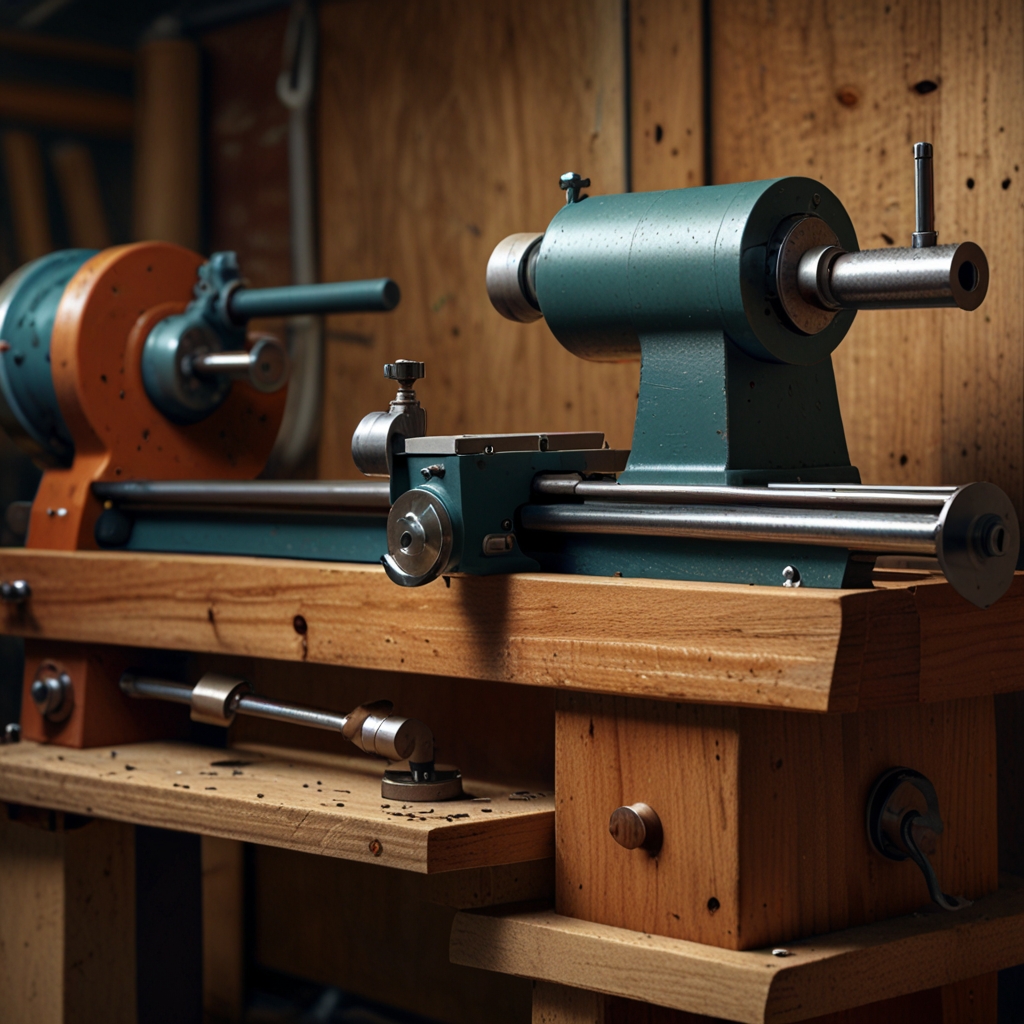
Comparing CNC Wood Lathes and Skilled Craftsmen in Woodworking
| Aspect | CNC Wood Lathe | Skilled Craftsmen | Precision | Setup Time | Versatility |
|---|---|---|---|---|---|
| Initial Cost | High | Low | 0.01mm | Long | Moderate |
| Operational Speed | Fast | Slow | 0.05mm | Quick | High |
| Error Margin | Low | Varies | 0.001% | Medium | Low |
| Customization | Limited | High | 0.02mm | High | Very High |
| Labor Intensity | Low | High | 0.005% | Low | Moderate |
| Learning Curve | High | Lifetime | 0.03mm | Varies | Very High |
Skill Community and CNC Technology
Woodworking communities are generally supportive of CNC technology, appreciating its precision and efficiency. Community workshops often integrate CNC wood lathes to provide diverse experiences and skill-building opportunities. Mentorship programs for both CNC and traditional woodworking are increasingly common, helping novices get comfortable with new technology. Shared spaces for woodworking balance the use of CNC and manual tools by scheduling specific times for each, ensuring all members benefit.
Are CNC Lathes Being Welcomed or Opposed by Craftspeople?
The main arguments against CNC technology among craftsmen include concerns over the loss of traditional skills and the perception that CNC produces less authentic work. Craftsmen advocating for CNC tools highlight the repeatability, speed, and precision that CNC lathes offer. According to a 2021 Woodworkers Guild survey, around 35% of craftsmen have adopted CNC tools into their practices. Geographical differences in CNC acceptance are prominent, with higher adoption rates in urban areas like New York compared to rural regions.
Do CNC Wood Lathes Replace Skilled Craftsmen? The Debate
The primary concerns about CNC lathes replacing craftsmen are the potential loss of traditional skills and decreased job opportunities. Proponents argue that CNC lathes enhance craftsmanship by allowing for more complex designs and higher productivity. Economic impacts on craftsmen due to CNC lathes include the need for initial investment but also the potential for increased revenue through higher volume production. Future trends in woodworking may see more integrated uses of both CNC and manual methods, driven by evolving technology and market demand, according to a study by Woodworking Network in 2022.
Can CNC and Traditional Woodworking Coexist?
Shops can balance the use of CNC and traditional tools by allocating space and time for both, ensuring no tool is underutilized. Customers often appreciate a hybrid woodworking approach, valuing the precision of CNC and the authenticity of traditional methods. The operational costs of maintaining both CNC and traditional methods can be offset by the increased business from offering diverse services. Successful case studies of shops using both techniques, such as Urban Wood Goods in Chicago, show that woodworking coexistence is not only possible but commercially beneficial.
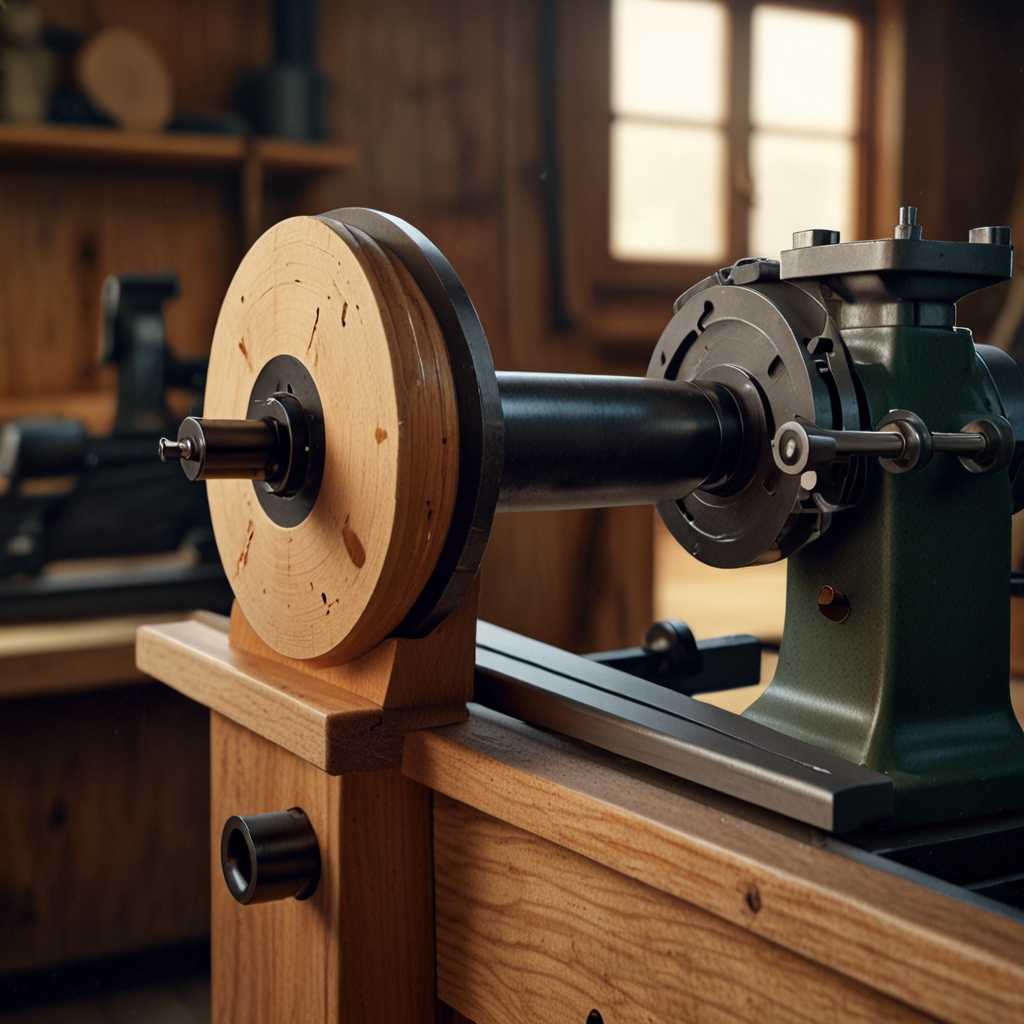
- They can increase production speed by up to 1000%.
- CNC lathes cost around $2,000 to $50,000.
- They can operate for 24 hours if needed.
- Over 75% of woodworking companies use them.
- Skilled labor may still be needed for setup and design.
- Machines can repeat the same task 1,000 times without errors.
- System updates can improve functionality by 20%
- The Hidden Costs of Using CNC Wood Lathes: What You Need to Know
- Laguna CNC Wood Lathe vs. Jet CNC Wood Lathe: Detailed Comparison
- ShopBot CNC Wood Lathe vs. Powermatic CNC Wood Lathe: Who Wins?
- Case Study: Custom Woodworking Projects Using CNC Wood Lathes
- How to Improve CNC Wood Lathe Efficiency: Expert Tips and Tricks
Technological Advancements in Woodworking
As someone who has worked extensively with both traditional methods and modern machines, recent CNC advancements have been quite impressive. Recent CNC advancements like automatic tool changers and high-precision sensors have revolutionized the field. Comparing new CNC features shows that they are faster and more efficient than older models. Innovations blending AI and CNC woodworking are making machines smarter and more adaptive. Craftsmen staying updated by attending workshops and subscribing to CNC technology updates ensures they remain competitive in the field.
How Many Types of CNC Machines Exist for Woodworking?
In woodworking, various types of CNC machines include CNC routers, lathes, and mills. There are over 20 brands offering CNC machines specifically for wood crafting. The price range for various CNC woodworking machines spans from $1,000 to over $20,000 depending on complexity. The functionality of CNC machines varies significantly, from basic cutting to intricate engraving. Naming well-known brands like ShopBot and BobsCNC highlights the variety available. Assessing the woodworking CNC options helps in selecting an appropriate machine for specific needs.
Role of Skilled Craftsmen in Modern Woodworking
Skilled craftsmen still play a crucial role in woodworking, even with advanced CNC technology. Despite impressive CNC technologies, 65% of wood products still require hand-finishing or detailed craftsmanship. Customers often prefer the unique touch and feel of handcrafted items that machines cannot easily replicate. Craftsmen provide the practical advice and experience that ensure CNC outputs are of very high quality. Many woodworking artisans blend traditional methods with CNC woodworking innovations, achieving excellent results.
Advantages and Drawbacks: CNC Machines vs. Skilled Craftsmen
The major advantage of CNC machines in woodworking is consistency and speed. CNC machines can perform repetitive tasks faster, often improving productivity by 50% or more. However, the main drawback is the initial investment cost, with high-quality machines like those of the brand Laguna Tools being quite expensive. Skilled craftsmen, on the other hand, provide customized, high-quality products with intricate details. Although they might be slower, the quality and uniqueness of their work are impressive. Balancing both technologies to maximize benefits can lead to exceptional woodworking outputs.