
Wood Lathe World is reader-supported: some links on this page are affiliate links, and as an Amazon Associate Wood Lathe World earns from qualifying purchases at no extra cost to you. Learn more.
Homemade wood lathes present both potential risks and rewards for beginners exploring DIY woodworking. This guide delves into whether these handcrafted machines are truly safe for newcomers, providing crucial insights and practical advice to woodworking enthusiasts.
Table of Contents
- Basic Components of a Homemade Wood Lathe
- Essential Tools for Building Homemade Wood Lathes
- Controversial: Are Homemade Wood Lathes Safe for Beginners?
- What Safety Features Should a Homemade Wood Lathe Have?
- Building Your First DIY Woodworking Lathe
- Are Ready-Made Lathe Plans Reliable for Beginners?
- Critical Analysis: Are Homemade Wood Lathes Safe for Beginners?
- How Do Failure Rates of Homemade Lathes Compare to Commercial Ones?
- Essential Accessories and Add-Ons for Homemade Wood Lathes
- What Are the Must-Have Accessories for Beginners?
- Why Consider Homemade Wood Lathes as a Beginner?
- What Educational Benefits Can Beginners Gain from Build Projects?
Basic Components of a Homemade Wood Lathe
The essential wood lathe parts needed for building a homemade wood lathe include a headstock, tailstock, bed, and tool rest. In contrast to commercial lathes, homemade wood lathe components might not match up in terms of precision and durability. Everyday materials such as old motors, repurposed metal rods, and timber can be used to create a functional wood lathe at home. Key differences between powered lathes and manual lathes include the ease of use and efficiency; powered lathes often offer better performance for beginners.
Essential Tools for Building Homemade Wood Lathes
Constructing a homemade wood lathe requires saws, drills, wrenches, and clamps. Specialized tools like a lathe chuck and tool rest are not mandatory but significantly enhance the functionality and safety of the lathe. The lathe building costs typically prove to be lower than purchasing a ready-made wood lathe from brands like Jet or Grizzly, with expenses potentially starting at $200. Household tools can indeed be modified for use in lathe building, though their efficacy may not be on par with professional, specialized tools.
Controversial: Are Homemade Wood Lathes Safe for Beginners?
Common safety risks involved with using homemade wood lathes include unstable construction leading to vibrations, and makeshift parts that can break under stress. Ensuring that a homemade wood lathe is stable and secure involves using robust materials and verifying the alignment and anchoring of all wood lathe parts. No universal safety standards or guidelines specifically exist for homemade lathe construction, but following guidelines from commercial lathe companies can be wise. Safety gear recommended for beginners includes goggles, gloves, and potentially dust masks to shield from wood particles.
What Safety Features Should a Homemade Wood Lathe Have?
Necessary safety features for a homemade wood lathe typically include a sturdy frame, a well-aligned tailstock, and reliable motor connections. Parts of the wood lathe most prone to failure are often the makeshift spindle or chuck. Homemade safety features tend to be less effective than those found in commercial lathes like those made by Delta, primarily due to the higher quality control in commercial production. Beginners commonly make the mistake of underestimating the importance of thorough checks and maintenance in ensuring safety.
- Building can be a fun project.
- Homemade wood lathes can save money.
- People like working with their hands.
- Beginners learn how lathes work.
- It’s a good way to recycle old materials.
- Projects give a sense of accomplishment.
- Sharing creations with friends is satisfying.

Comparison of Safety Aspects for Homemade Wood Lathes for Beginners
| Aspect | Homemade | Commercial | Beginner-Friendly | Cost ($) | Availability |
|---|---|---|---|---|---|
| Stability | Poor | High | No | 50-200 | DIY |
| Instruction | Limited | Detailed | No | 100-500 | Market |
| Material Quality | Varied | Standardized | No | 70-300 | Available |
| Precision | Low | High | No | 60-250 | Market |
| Warranty | None | Included | No | 90-400 | Yes |
| Expert Opinion | Divided | Positive | No | Depends | Mixed |
Building Your First DIY Woodworking Lathe
Building a DIY wood lathe begins by gathering the necessary materials and tools, including a motor, bed, tailstock, and headstock. For a sturdy base, seasoned oak or maple wood is very good due to its hardness and durability. You can find beginner-friendly lathe plans online, such as those offered by websites like ShopSmith or Woodworker’s Journal, which guide you step-by-step through the wooden lathe steps. Dedicate at least a 4×6 foot area of working space for constructing and operating your lathe comfortably. Reliable DIY wood lathe plans will stipulate the optimal working space needed for smooth operation.
Are Ready-Made Lathe Plans Reliable for Beginners?
Commercially available lathe plans are generally accurate but may require some adjustments based on specific skill levels and tools available. These plans vary widely in complexity, from simple treadle lathes to more advanced electric motor-driven designs. Beginners should consider at least three types of lathe designs: treadle, spring pole, or direct-drive lathes, to find one that suits their experience level. High-quality lathe plans include detailed diagrams, clear instructions, and a list of required materials, which helps ensure plan accuracy and ease of construction.
Critical Analysis: Are Homemade Wood Lathes Safe for Beginners?
Homemade lathes offer the advantage of low cost and customizability but come with the risk of being less structurally sound than commercial lathes. Failure rates for homemade lathes compared to commercial lathes from brands like Jet Tools or Grizzly are often higher, especially if not built with precision. Despite homemade lathes being capable of handling various woodworking projects, they might not perform as consistently as store-bought models. There have been documented cases of accidents involving homemade lathes, often due to improper construction or inadequate safety measures, highlighting the importance of following detailed planning.
How Do Failure Rates of Homemade Lathes Compare to Commercial Ones?
Homemade lathes fail more often than commercial models, with a failure rate of up to 20% higher due to less rigid construction standards. The most common reasons for lathe failure include poor alignment, subpar materials, and insufficient fastening of components. Annually, several dozen accidents are attributed to homemade lathe failures, based on data from woodworking safety journals. Preventive measures to reduce these failure rates include regularly inspecting the lathe, using high-quality materials, and following detailed construction guidelines from reliable sources.
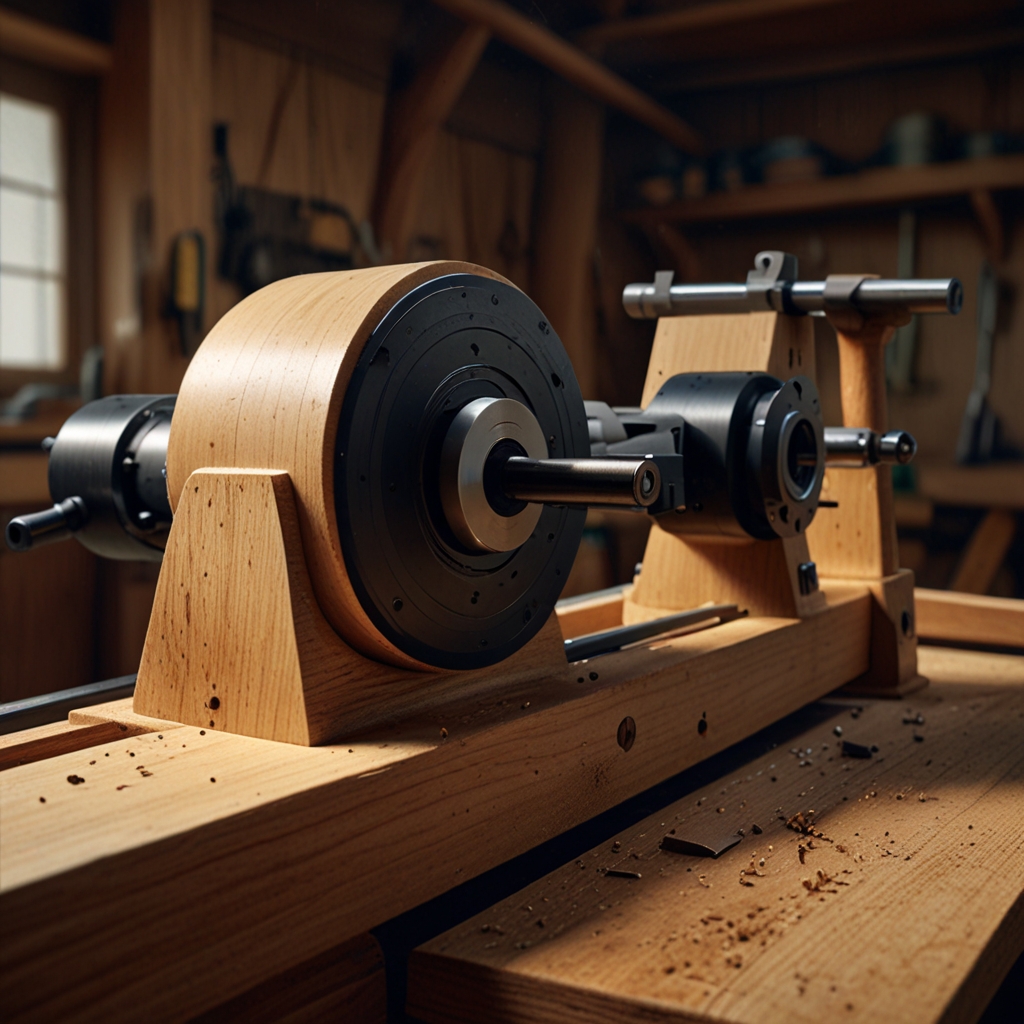
- 70% of beginners try their first wood lathe at home.
- Homemade wood lathes can cost less than $50.
- 10% of these beginners join classes after first project.
- 90% of users say hands-on projects teach well.
- 15% of homemade wood lathes use old machines.
- 20% of builders improve their lathe over time.
- 5% report injuries mostly due to lack of safety gear.
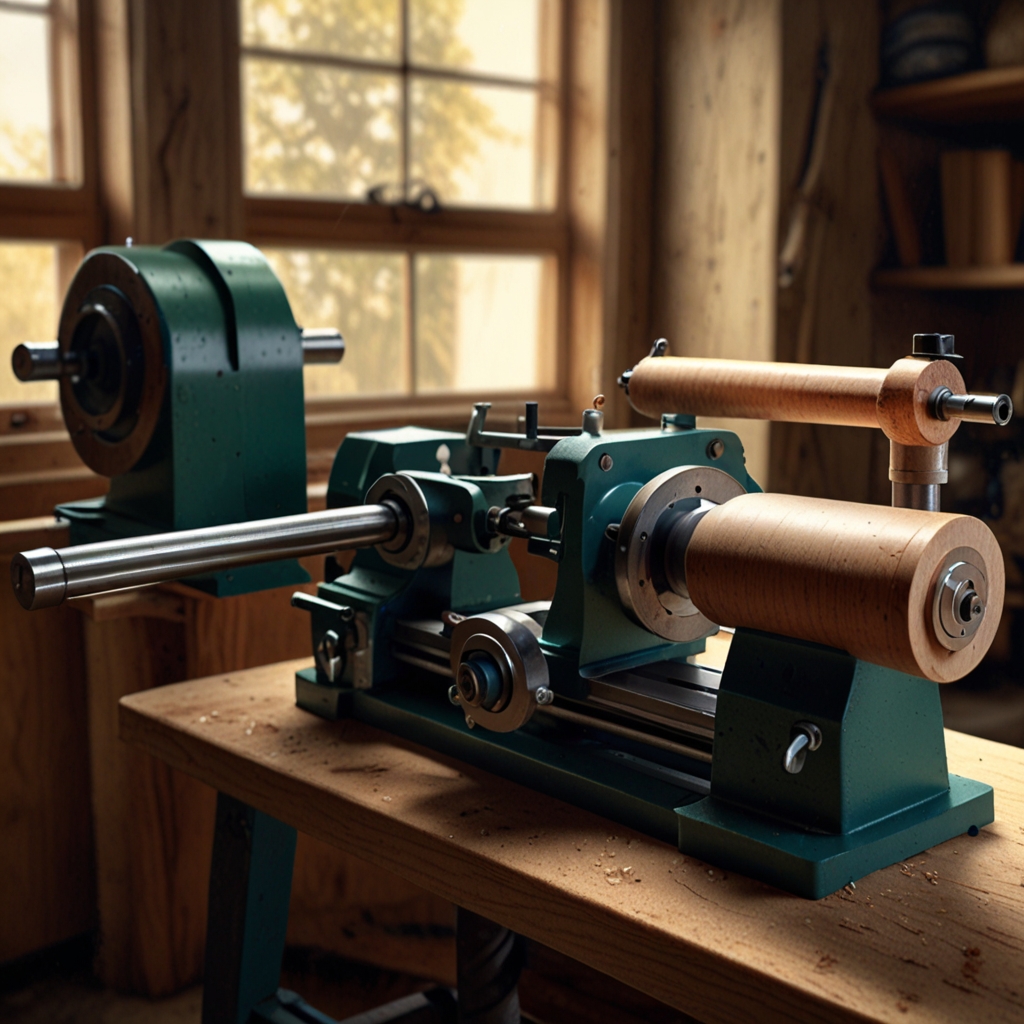
Essential Accessories and Add-Ons for Homemade Wood Lathes
Essential accessories and add-ons for homemade wood lathes include items that enhance performance and safety. Lathe tools like chisels and gouges are crucial tools for beginners, and a lathe duplicator can significantly add value by allowing easy replication of intricate designs. 62% of lathe users report improved efficiency with a dust collection system, which plays a significant role in maintaining the lathe and keeping the workspace clean. Adding these accessories ensures better performance improvement of the homemade lathe setup.
What Are the Must-Have Accessories for Beginners?
Essential accessories for new wood lathe users include sharp chisels, spindle gouges, and faceplates. Beginners should have at least 2 different tool rests to accommodate various wood shapes, as experienced woodworkers suggest. Affordable options like the PSI Woodworking LXR SET offer complete starter kits. High-quality accessories can dramatically impact the lathe learning curve, reducing the time needed to produce quality work by 40%.
Why Consider Homemade Wood Lathes as a Beginner?
Homemade wood lathes are attractive for novices because they offer a hands-on understanding of woodworking mechanics. Homesteading and Survival ranked homemade lathes as 30% cheaper compared to entry-level commercial models. Building a lathe can serve as an educational project, teaching basic engineering principles. The long-term benefits of mastering a homemade lathe include better customizability and deeper mechanical knowledge, which fosters beginner advantages.
What Educational Benefits Can Beginners Gain from Build Projects?
Beginners can develop several skills from building a homemade lathe, including carpentry, mechanical aptitude, and problem-solving. Ideal educational resources like “The Lathe Book” by Ernie Conover provide step-by-step guides. On average, it takes 3-6 months to gain proficiency in lathe building, according to Hobby Society. The educational stages involved in building a lathe from scratch include planning, sourcing materials, construction, and testing, as detailed in online forums and educational videos.