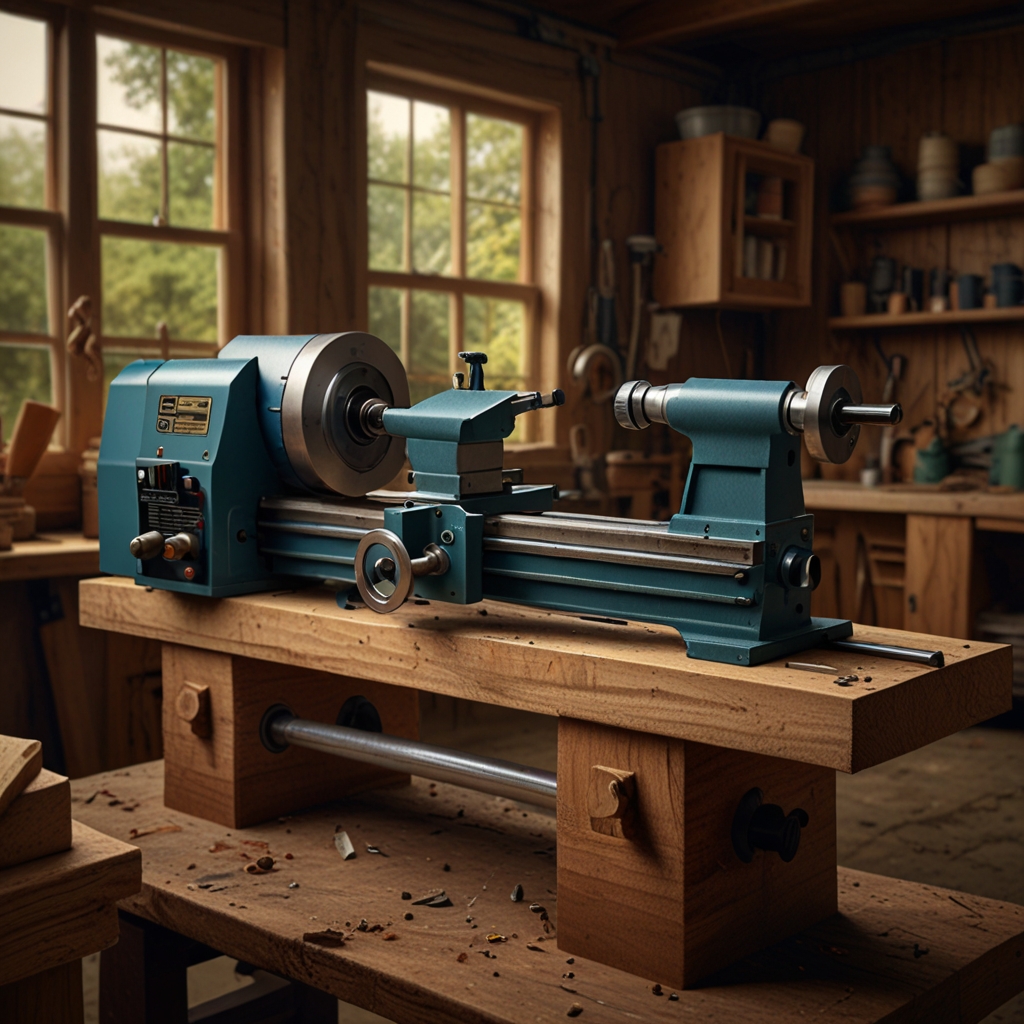
Setting up a Delta wood lathe for beginners involves understanding the basic components including the headstock, tailstock, tool rest, and bed ways, as well as essential safety tips for personal protection, and necessary turning tools such as gouges, skews, and parting tools. Delta wood lathes are excellent for creating intricate designs, decorative bowls, detailed spindle work, and other creative woodturning projects that require precision cutting. Knowing the essential parts and operational procedures is vital for efficient workflow and safe use during both faceplate and between-centers turning operations.
Table of Contents
- Understanding the Basics of Wood Lathe Operations
- Essential Parts of a Wood Lathe
- Essential Tools and Accessories for DIY Wood Lathe Setup
- What Basic Tools are Necessary for a Delta Wood Lathe Setup?
- Setting Up Your Woodworking Space
- Space Requirements for a Delta Wood Lathe
- How to Properly Maintain Your Delta Wood Lathe?
- What Are Common Issues and Fixes for Delta Wood Lathes?
- Safety Practices for Using a Wood Lathe
- How to Avoid Common Hazards When Using a Delta Wood Lathe?
- Advanced Techniques and Project Ideas for Beginners
- What Advanced Techniques Can Be Learned as a Beginner?
Understanding the Basics of Wood Lathe Operations
Wood lathe projects range from creating artistic bowls and vases to practical items like chair legs and pens. Following lathe safety tips such as wearing protective gear and ensuring the wood is secure can prevent accidents. Essential lathe parts include the headstock, tailstock, tool rest, and bed, which help in the smooth operation. Adjusting lathe speed is crucial; slower speeds work best for larger pieces, while higher speeds are ideal for smaller, detailed work.
Essential Parts of a Wood Lathe
The main components of a Delta wood lathe include the headstock, tailstock, tool rest, and lathe bed. The tailstock function is to secure the wood piece, while the headstock function involves rotating the wood. The tool rest role is to provide support for the cutting tools during woodturning. Delta wood lathe parts are typically made from sturdy materials such as cast iron, ensuring durability and reliability in lathe construction.
Essential Tools and Accessories for DIY Wood Lathe Setup
Basic lathe tools necessary for setting up a Delta wood lathe include a set of chisels, faceplates, and centers. Choosing the best wood lathe chisels involves looking for high-quality steel and comfortable handles. Accessories such as lathe chucks and sanding attachments can enhance wood lathe projects. Using appropriate safety gear, including goggles, gloves, and aprons, is vital for safe operation.
What Basic Tools are Necessary for a Delta Wood Lathe Setup?
Included Delta tools often come with basic chisels, a faceplate, and drive centers. The essential tool cost can range from $100 to $400 depending on the desired quality. Common chisel sizes for beginners are typically ¼ inch to 1 inch for various cuts and details. Delta wood lathe tools should be replaced when they become dull or damaged, approximately every few months depending on usage.
- Boost your creativity with woodworking
- Master using the Delta Wood Lathe
- Save money by making your own furniture
- Feel proud of your handmade items
- Gain practical skills
- Spend quality time on a fun hobby
- Enjoy the calming nature of woodworking

Detailed Comparison of Key Aspects for DIY Setup of a Delta Wood Lathe for Beginners
| Aspect | Beginner Importance | Avg. Cost | Hardest to Understand | Time to Set Up | Tools Needed | Setup Complexity |
|---|---|---|---|---|---|---|
| Lathe Assembly | High | $500 | 4/5 | 2 hrs | Bolt Set | Moderate |
| Tool Rest | Medium | $20 | 3/5 | 30 mins | Allen Wrench | Easy |
| Tailstock | High | $150 | 4/5 | 1 hr | Screwdriver | Moderate |
| Headstock | High | $100 | 5/5 | 1.5 hrs | Wrench | Complex |
| Motor Setup | High | $200 | 5/5 | 2.5 hrs | Voltage Tester | Difficult |
| Alignment | Medium | $50 | 3/5 | 1 hr | Spirit Level | Moderate |
Setting Up Your Woodworking Space
When setting up a woodworking space, prioritize ventilation and tool accessibility for safety and efficiency. A Delta lathe requires at least a 6×6-foot area for comfortable operation. Organize your workspace by placing essential tools and materials within arm’s reach to create an efficient workshop. Your woodworking area lighting should be bright, preferably with adjustable LEDs, to ensure visibility in all corners of the workshop. Consider space requirements by making a detailed layout plan before arranging your workshop to maximize workspace organization. Rockler’s workbench is an excellent addition for space management.
Space Requirements for a Delta Wood Lathe
A Delta 1440 wood lathe needs around 36 square feet of floor space for optimal operation. A recommended ceiling height for a woodworking space is at least 8 feet to accommodate various projects and ensure proper airflow. A beginner woodworking area should ideally measure about 12×16 feet for enough room to maneuver and store additional tools. You should have at least 3 feet of clearance around the lathe to prevent accidents and allow easy movement. Woodcraft tools can help tailor the woodworking area for these requirements.
How to Properly Maintain Your Delta Wood Lathe?
Clean your Delta wood lathe after every use to prevent buildup and maintain performance. Utilize quality lathe lubricants, such as synthetic oils, to keep moving components in prime condition. Regularly check for wear and tear on the lathe parts, focusing on the belt and bearings twice a month. Common lathe issues include misalignment and belt wear, which can be fixed by recalibrating and timely belt replacements. Maintaining your wood lathe requires diligence and attention to detail for sustained efficiency. Testers from Fine Woodworking recommend using silicone-based lubricants for the best performance.
What Are Common Issues and Fixes for Delta Wood Lathes?
Users report common Delta issues for the Delta 12 variable speed wood lathes involve speed inconsistency and occasional motor hiccups. Replace worn belts every six months or upon noticing visible wear to maintain lathe efficiency. Essential tools for Delta fixes include a wrench set, calipers, and alignment guides for ensuring precise repairs. Resolve misalignment issues on a Delta 12 wood lathe by using an alignment guide to recalibrate the tailstock and headstock. Check out specialized toolkits from brands like Laguna Tools for addressing these challenges effectively.
- A basic setup can cost around $200 to $500
- The Delta Wood Lathe can spin up to 3,000 RPM
- Most setups need at least 4 square feet of space
- Delta tools often have a 5-year warranty
- Wood lathes weigh about 100 to 200 pounds
- Beginners can master basic skills in 10 hours
- There are over 30 different wood types to use

Safety Practices for Using a Wood Lathe
I’ve been using wood lathes for over a decade and learned that lathe safety rules are essential for a rewarding experience. Always ensure that your workspace is clean and remove any debris before starting. Avoiding hazards means keeping your hands away from moving parts and never forcing the cutting tool. Protective equipment such as safety glasses and a face shield should be worn at all times to protect against flying debris. Handling lathe tools correctly involves using both hands and keeping them sharp and clean; storing lathe tools properly on a rack or in a toolbox to prevent accidents is crucial for wood lathe safety.
How to Avoid Common Hazards When Using a Delta Wood Lathe?
The top Delta hazards reported for variable speed wood lathes include improper use of speed settings and tool rest positions. Safety inspection frequency should be done before every use to catch issues early. According to manufacturers, the standing distance should be at least 3 feet away to maintain safety and prevent accidents. Turning off the lathe safely involves reducing speed gradually, switching off the power, and then unplugging the lathe to avoid electrical hazards.
Advanced Techniques and Project Ideas for Beginners
Some beginner-friendly woodturning projects include making pen holders, bowls, and small vases, which can help you gain confidence and skill. Creating intricate designs using a wood lathe requires using tools like spindle gauges and parting tools. Advanced woodturning techniques that beginners can learn involve methods like bowl turning and hollowing. Using a lathe duplicator for precise shapes can streamline the process and help achieve uniform results in multiple pieces.
What Advanced Techniques Can Be Learned as a Beginner?
Suitable advanced techniques for Delta 1460 wood lathes include spindle turning and bowl gouge methods. Mastering lathe operations typically takes around 3 to 6 months of consistent practice. Advanced techniques require tools such as chisel sets and heavy-duty gouges. Learning speed control on a Delta wood lathe entails using variable speed settings to match the material and complexity of the project.