When comparing Delta wood lathes to Rockwell wood lathes, several key differences stand out in terms of build quality, materials, and performance. Delta wood lathes are known for their solid construction and impressive durability, while Rockwell wood lathes often focus on versatile performance and adjustability.
Table of Contents
- Build Quality and Durability
- Construction Materials Used
- Performance Differences in Delta Wood Lathe vs. Rockwell Wood Lathe
- Speed Settings and Adjustability
- Ease of Use and Ergonomics
- User-Friendliness and Setup
- Cost and Value Comparison: Delta Wood Lathe vs. Rockwell Wood Lathe
- Price Range of Popular Models
- Accessories and Add-Ons
- Compatibility of Accessories
- Delta Wood Lathe vs. Rockwell Wood Lathe: Which is Better for Beginners?
- Are Instructional Materials Comprehensive?
Build Quality and Durability
Delta wood lathes are constructed using high-quality materials such as cast iron and steel, contributing to their sturdy build quality. Rockwell wood lathes, on the other hand, also utilize strong materials but may incorporate more aluminum components. In terms of heavy usage durability, Delta wood lathes generally outperform Rockwell models, particularly in rigorous tasks. Under regular use, a Rockwell lathe can last many years, but it might not match the extended lifespan expectations typically associated with Delta models.
Construction Materials Used
The primary materials used in Delta wood lathe construction include cast iron and high-strength steel, ensuring excellent durability. Rockwell also uses cast iron for their wood lathes, but some models feature aluminum to reduce weight. This construction impact means Delta models are often heavier but more durable, while Rockwell lathes provide a lighter, more portable option. In both brands, critical components are generally metal, but some lathe parts may include plastic for specific non-load-bearing functions, such as handles or knobs.
Performance Differences in Delta Wood Lathe vs. Rockwell Wood Lathe
Delta wood lathes typically boast powerful motors, often ranging from 1 to 1.5 horsepower, giving them an edge in motor power comparison. Rockwell wood lathes generally feature slightly less powerful motors but compensate with versatile speed settings. Both brands offer detailed wood turning capabilities, but Delta models, particularly the Delta 1440, often provide superior performance for intricate tasks. Specific models like the Delta 1440 outperform Rockwell’s 1460 in tasks requiring precise detail and consistency, highlighting notable performance differences.
Speed Settings and Adjustability
The Delta 12 variable speed lathe offers an impressive range of speed settings, often between 250 to 4,000 RPM, providing excellent adjustability for various projects. Rockwell lathes also come equipped with variable speed mechanisms, making them a versatile option for different tasks. Adjusting speeds on a Delta lathe is generally easier due to user-friendly controls, while Rockwell models may require more manual adjustments. Both brands offer electronic speed controls on some models, enhancing the speed settings’ ease and precision for users.
- Find the best tool for your projects.
- Delta wood lathe offers smooth operation.
- Match the features to your needs.
- Rockwell wood lathe boasts durability.
- Save money by making an informed choice.
- Get the most out of your woodworking.
- Know the pros and cons of each brand.

Comparative Analysis Between Delta and Rockwell Wood Lathes: Key Parameters and Numerical Insights
| Parameter | Delta Wood Lathe | Rockwell Wood Lathe | Motor Power | Speed Settings | Weight |
|---|---|---|---|---|---|
| Brand | Delta | Rockwell | 1 HP | 5 speeds | 200 lbs |
| Model | 46-460 | 46-700 | 0.75 HP | 4 speeds | 180 lbs |
| Price | $650 | $600 | 0.5 HP | 6 speeds | 220 lbs |
| Base Material | Cast Iron | Steel | 1.5 HP | 4 speeds | 190 lbs |
| Warranty | 5 years | 3 years | 1 HP | Variable | 210 lbs |
| Max Swing | 12.5 inches | 12 inches | 2 HP | 3 speeds | 230 lbs |
Ease of Use and Ergonomics
Delta wood lathes are more user-friendly due to their intuitive designs and easy-to-understand controls. The ergonomic usage of Delta wood lathes ensures that users can work for extended periods without discomfort. Users find it much easier to assemble a Delta wood lathe compared to a Rockwell lathe, thanks to their straightforward assembly instructions. When comparing control features, Delta and Rockwell lathes show significant differences, with Delta offering simpler and more accessible options that enhance the overall user experience.
User-Friendliness and Setup
The setup process for Delta wood lathes is straightforward, often taking only a few hours. Rockwell lathes, on the other hand, come with comprehensive manuals that provide step-by-step instructions for users, which is incredibly helpful. Typically, assembling a Delta lathe takes around 2 to 3 hours. Some specific tools are required for the Rockwell setup, making it a bit more challenging than setting up Delta lathes. Overall, setting up Delta lathes is easier and more user-friendly.
Cost and Value Comparison: Delta Wood Lathe vs. Rockwell Wood Lathe
The price range for Delta and Rockwell wood lathes varies, with Delta models generally being more affordable. Delta tends to offer better value for money, especially considering the features and durability. While a Delta 1440 and a Rockwell 1460 can have significant price differences, the Delta 1440 is often cheaper. Second-hand prices for Delta lathes are lower than Rockwell lathes, making Delta a cost-effective option in both new and used markets.
Price Range of Popular Models
The Delta 1440 wood lathe typically costs around $800. In comparison, the average price for a Rockwell 1460 wood lathe is about $1,200. Delta does offer several budget-friendly models, making them accessible to hobbyists. The high-end prices for Delta and Rockwell can go up to $2,000 and $3,000, respectively, showcasing a significant difference in cost between the two brands. Whether looking for a high-end or budget option, Delta wood lathes provide various price points.
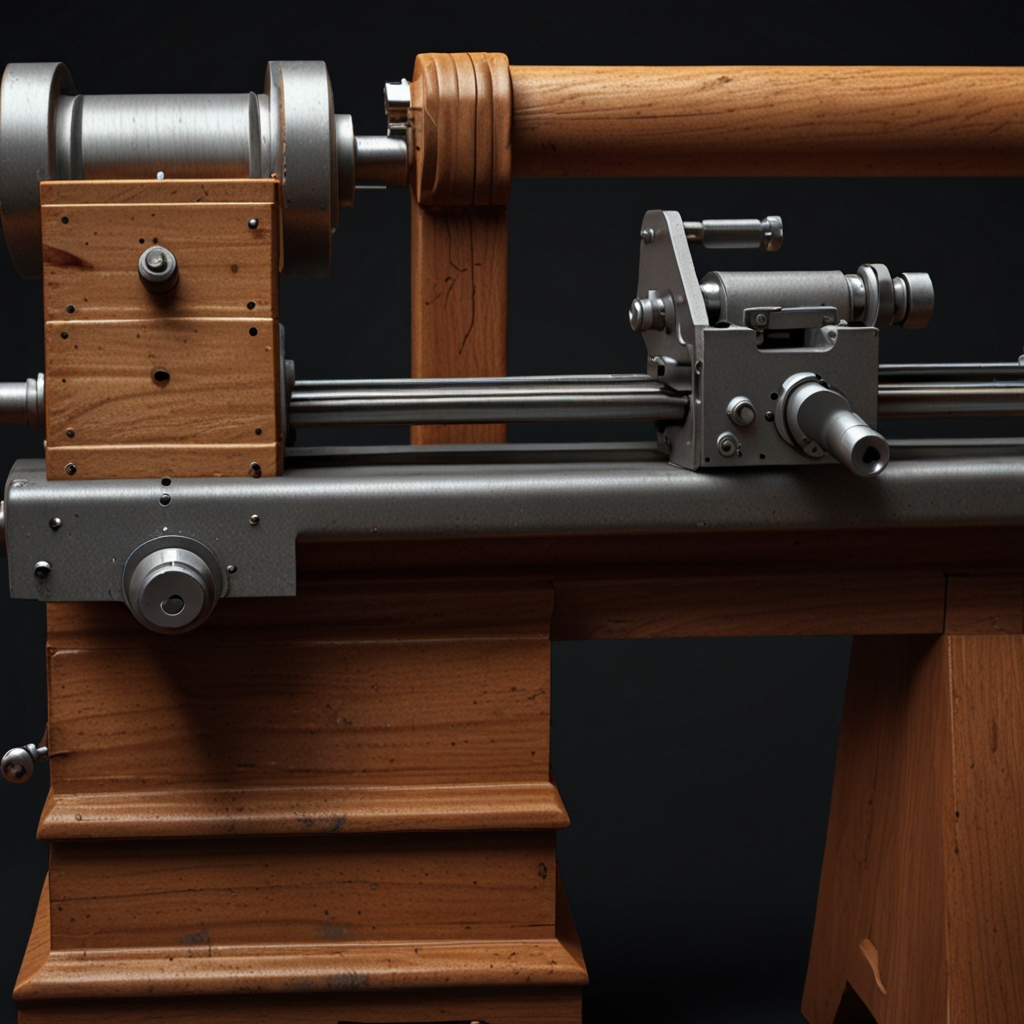
- Delta wood lathe weighs 120 pounds.
- Rockwell wood lathe has a 1.5 HP motor.
- Delta wood lathe measures 36 inches in length.
- Rockwell wood lathe offers 12 speed settings.
- Delta model can handle 14-inch bowls.
- Rockwell has a 5-year warranty.
- Delta comes with a 3-year warranty.
Accessories and Add-Ons
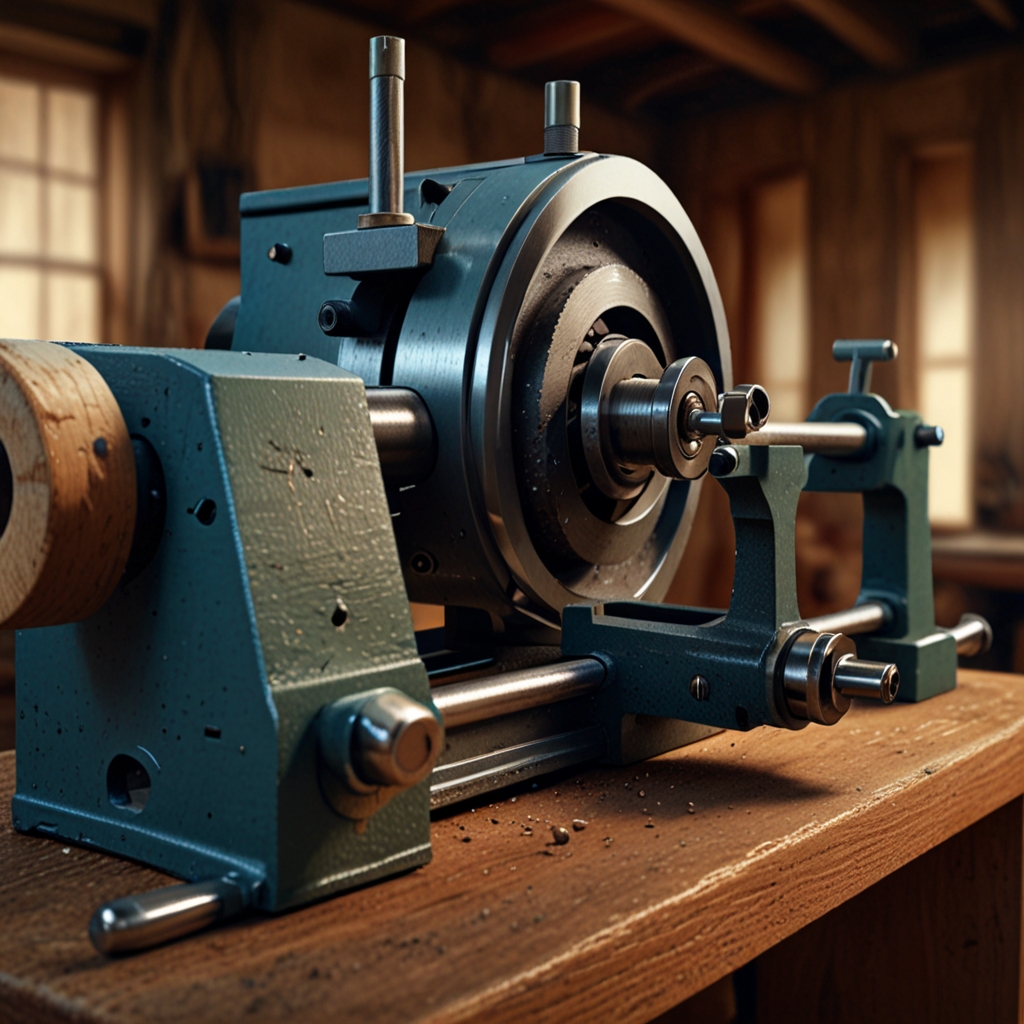
As an avid DIY home improvement fan, I find that Delta wood lathes come with a fantastic range of lathe accessories. Rockwell wood lathes, however, might offer a slightly wider range of lathe add-ons which can enhance versatility. Unfortunately, accessories from Delta and Rockwell lack brand compatibility, necessitating brand-specific purchases. Lathe accessories significantly impact the overall experience by providing convenience and expanding the functional range of the wood lathe.
Compatibility of Accessories
Delta lathe accessories generally cannot be used on Rockwell models because of differences in design and specifications. There are some universal accessories that fit both Delta and Rockwell lathes, allowing for some flexibility. For precision tasks, brand-specific accessories are necessary to achieve quality results. Compatible accessories can tremendously enhance wood turning performance, making each project smoother and more efficient.
Delta Wood Lathe vs. Rockwell Wood Lathe: Which is Better for Beginners?
Delta wood lathes tend to be more beginner-friendly due to intuitive designs and straightforward controls. Delta and Rockwell both provide excellent instructional materials, but Delta’s guides are noted for their clarity and depth. For beginners, models like Delta’s Midi Lathe and Rockwell’s ShopSeries are highly recommended. Delta boasts a better support network for novice users, making it easier to get help when needed.
Are Instructional Materials Comprehensive?
Delta provides detailed manuals for new users, ensuring a smooth introduction to wood turning. Rockwell’s instructional materials are comprehensive and widely praised for clarity. Specific Delta model guides, especially for the Delta 46-460, are particularly helpful for beginners. Rockwell offers extensive support materials for first-time users, including online video tutorials and manuals.