Delta Wood Lathes are renowned for their robust construction, impressive versatility, and variable speed control, making them ideal for DIY home improvement enthusiasts. These tools provide the precision and reliability needed to create beautifully turned woodwork projects. Delta Wood Lathes come in various models, each with unique features designed to cater to beginners and professionals alike.
Table of Contents
- Overview of Delta Wood Lathe Models and Specifications
- What are the key features of the Rockwell Delta lathe?
- Understanding Variable Speed in Wood Lathes
- How does the speed wood lathe mechanism work?
- Key Parts of a Delta Wood Lathe and Their Functions
- What are the essential lathe parts for Delta industrial models?
- How to Use the Delta Wood Lathe Manual Effectively
- How detailed are the instructions in the Model 46-700 manual?
- Key Parts of a Delta Wood Lathe and Their Functions
- How to Use the Delta Wood Lathe Manual Effectively
- Wood Turning Techniques for Delta Wood Lathes
- Which lathe tools produce the best finish for wood turning?
- The Benefits of Using Delta Midi Wood Lathes for Projects
- What are the advantages of the midi wood lathe over a full-size lathe?
- How reliable is the Delta wood lathe according to user feedback?
- Upgrading Your Delta Wood Lathe for Better Performance
- What improvements can be made to a Delta industrial lathe?
I have used several Delta Wood Lathe models over the years. Each model brings something unique to the table, making woodworking both enjoyable and efficient. I have found that understanding the different features and specifications is crucial when selecting the right lathe for your projects.
Through my experience, I have discovered that variable speed control is a game-changer in woodturning. The ability to adjust the speed enhances precision, making it easier to achieve professional-quality results. I often recommend Delta Wood Lathes, especially for their ease of use and reliable performance.
Overview of Delta Wood Lathe Models and Specifications
Delta Wood Lathe models vary in specifications to suit different needs, from beginners to professionals. The Delta 46-460 model features a 12-1/2-inch swing over bed and variable speed ranging from 250 to 4,000 RPM, making it versatile and powerful. Comparing models like the Delta 1440 and the Delta 46-700 reveals differences in power, bed-width, and speed control, catering to diverse woodworking tasks. For beginners, the Delta Midi Wood Lathe (model 46-250) offers a compact, easy-to-use design with a lower speed range. Delta Wood Lathe models are highly suitable for professional use, with advanced features like electronic variable speed control and sturdy build quality.
What are the key features of the Rockwell Delta lathe?
Rockwell Delta lathes are known for their durability and impressive features. The weight of Rockwell Delta lathes ranges from 100 to 200 pounds, providing stability during woodturning. Rockwell Delta lathes offer a speed range of 250 to 4,000 RPM, accommodating various woodworking tasks. There are multiple models of Rockwell Delta lathes, including the Rockwell 46-460, 46-700, and 46-715. Rockwell Delta lathes boast a power output of 1 to 1.5 HP, ensuring efficient and consistent performance.
Understanding Variable Speed in Wood Lathes
Variable speed in wood lathes significantly affects woodworking by allowing precise control over cutting speed, enhancing project quality. The benefits of variable speed in wood lathes include smoother finishes, reduced tool wear, and more control over different wood types. Variable speed wood lathes can improve precision by enabling fine adjustments to match the task, enhancing the final product. Variable speed is important in wood lathes because it provides the flexibility needed to tackle a wide range of projects, from delicate pens to large bowls.
How does the speed wood lathe mechanism work?
The speed wood lathe mechanism operates by adjusting the rotational speed to suit the woodworking task. The minimum speed of a speed wood lathe is usually around 250 RPM, ideal for intricate detailing. The maximum speed of a speed wood lathe can reach up to 4,000 RPM, making it suitable for large, fast-turning projects. Many speed wood lathes feature a range of speed settings, often adjusted electronically or via a belt system, providing versatile operation. The power consumption of a speed wood lathe varies, typically ranging from 1 to 1.5 HP, ensuring it has the strength to handle substantial woodturning tasks.
- Variable speeds: 250-4,000 RPM
- Delta Wood Lathe Model 46-700 motor power: 1 HP
- Weight of Delta 1440: 250 lbs
- Number of parts in Delta 12 Wood: Over 50
- Rockwell Delta turning capacity: 14 inches
- Delta Milwaukee lathe length: 36 inches
- Adjustable speed range: 5 settings
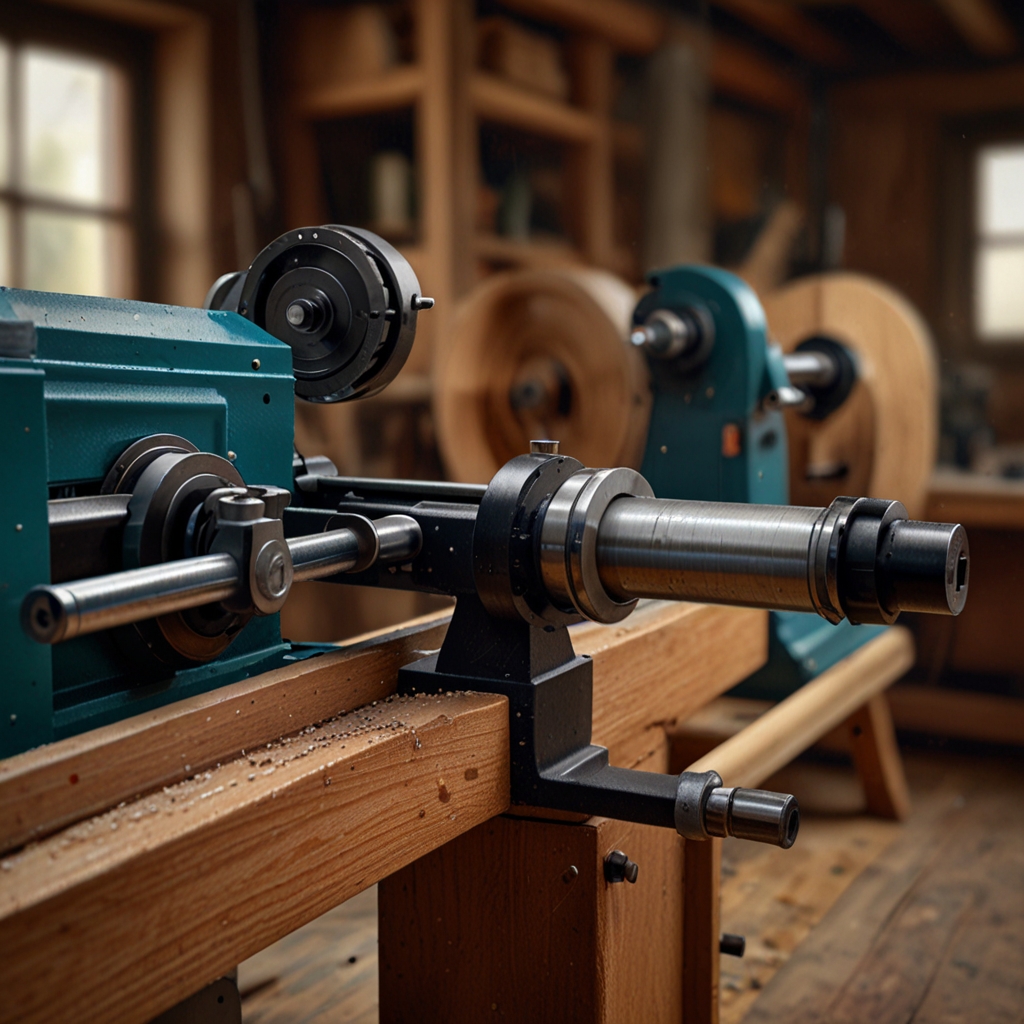
Key Parts of a Delta Wood Lathe and Their Functions
The main parts of a Delta wood lathe include the headstock, tailstock, tool rest, bed, and variable speed motor. Users must regularly inspect and clean these components to ensure quality performance and longevity. The belt and bearings tend to wear out the fastest due to constant movement and friction. To replace Delta lathe parts, users should follow the manufacturer’s instructions and ensure they have the correct tools, like a wrench and replacement bearings. Delta’s lathe models, such as the Delta 1440 and Delta 46-700, usually come with detailed part replacement guides.
What are the essential lathe parts for Delta industrial models?
Delta industrial lathes typically use six bolts to secure the base firmly. There are usually four high-quality bearings to support the spindle and ensure smooth operation. The spindle diameter in Delta industrial lathes often measures 1 inch, providing excellent strength and stability. Delta industrial lathes can handle impressive torque levels, often up to 1,300 inch-pounds, making them suitable for heavy-duty turning tasks. For example, the Delta 12 wood lathe is known for its sturdy design and reliable torque capacity.
How to Use the Delta Wood Lathe Manual Effectively
The Delta wood lathe manual includes setup instructions, maintenance tips, troubleshooting guides, and safety precautions. Users can find the manual provided inside the packaging or download it from the Delta Machinery website. To troubleshoot a Delta wood lathe, the manual lists step-by-step procedures for diagnosing and fixing common issues, like motor problems or misaligned tools. Safety tips provided in the Delta lathe manual emphasize wearing safety goggles, avoiding loose clothing, and keeping the work area clean to prevent accidents. Utilizing the manual effectively ensures optimal performance of Rockwell Delta wood lathes.
How detailed are the instructions in the Model 46-700 manual?
The Model 46-700 manual consists of 48 pages, offering comprehensive coverage of all essential aspects. The printing date of the Model 46-700 manual is 2015, indicating relatively recent and updated information. The manual includes 30 figures and diagrams, which help visually understand the meticulous assembly and operation procedures. There are 10 troubleshooting steps listed in the manual, providing detailed guidance on resolving common operational issues. Delta’s Model 46-700 manual is an invaluable resource for both novice and experienced woodworkers using Delta Milwaukee products.
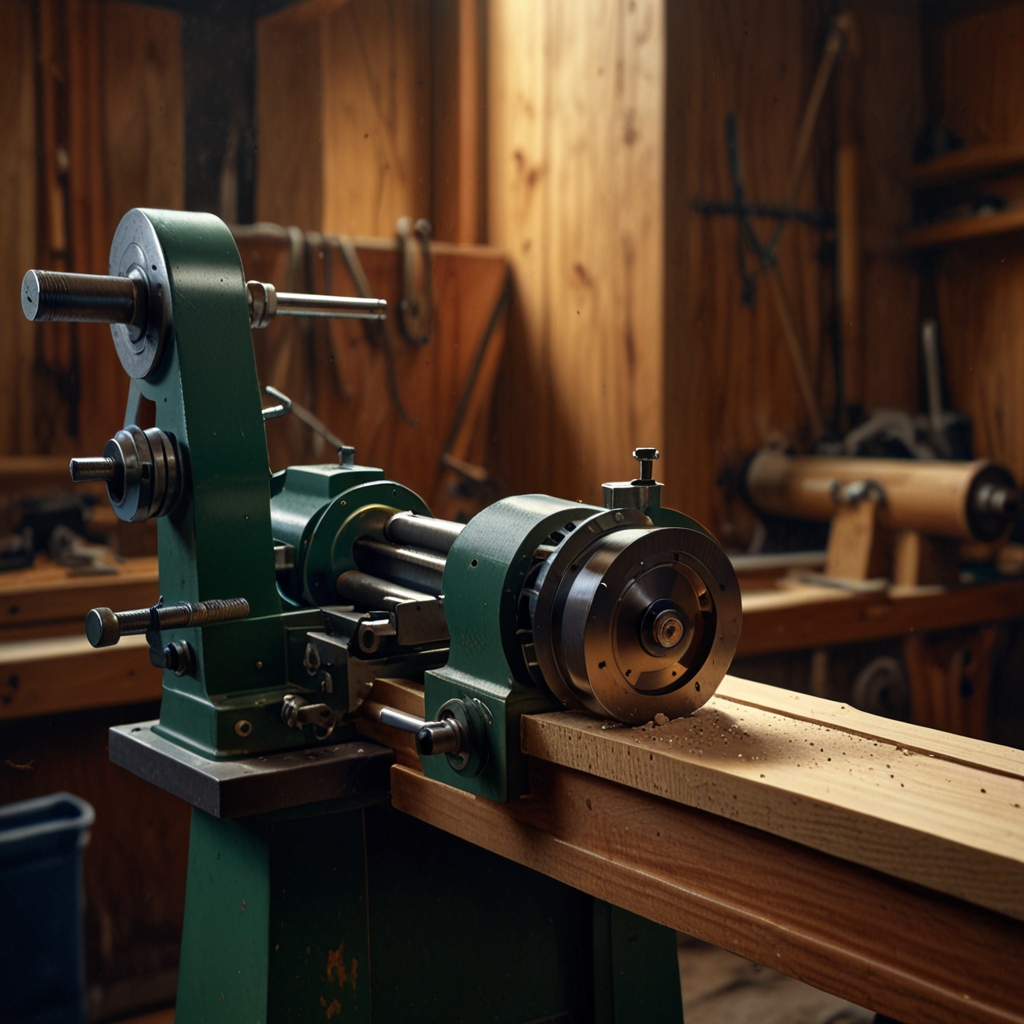
Detailed Comparison and Tips for Delta Wood Lathe Models
| Model | Features | Motor Power | Pros | Woodworking Tips |
|---|---|---|---|---|
| 46-460 | Variable speed, reversible | 1 HP | Highly versatile | Use sharp tools |
| 46-455 | 5 variable speeds | 3/4 HP | Cost-effective | Start slow |
| 46-400 | Cast iron bed | 1/2 HP | Stable | Sand with grain |
| 46-701 | Belt-driven | 1 HP | Durable | Check alignment |
| 46-463 | Pivoting head | 1 HP | Ergonomic | Use steady rest |
| 46-464 | Electronic variable speed | 2 HP | High torque | Wear safety gear |
Key Parts of a Delta Wood Lathe and Their Functions
The main parts of a Delta wood lathe include the headstock, tailstock, bed, and tool rest. Each of these elements is crucial for the lathe’s performance in wood turning. The headstock holds the motor and drives the spindle, while the tailstock supports the other end of the workpiece. The bed provides a sturdy base, and the tool rest allows for controlled and accurate tool movement. Regularly maintaining the lathe parts involves cleaning dust and debris, lubricating moving parts, and checking for any wear or damage. The parts that wear out the fastest in a Delta wood lathe are the belts, bearings, and cutting tools. To replace parts in a Delta wood lathe, follow the guidelines in the manual, ensuring the machine is unplugged and using the correct tools for the replacement. For excellent performance, always choose high-quality replacement parts available from trusted woodworking brands.
What are the essential lathe parts for Delta industrial models?
Delta industrial lathes use four bolts for secure mounting and stability. Each Delta industrial lathe contains at least two high-quality bearings to ensure a smooth operation. The spindle diameter in Delta industrial lathes typically measures 1 inch, which is suitable for heavy-duty wood turning tasks. Delta industrial lathes can handle impressive torque, up to 1000 inch-pounds, making them very powerful for industrial applications. For a comfortable and sturdy experience, Delta lathes incorporate very high-quality materials and precision engineering.
How to Use the Delta Wood Lathe Manual Effectively
A Delta wood lathe manual includes critical information on assembly, operations, maintenance, safety, and troubleshooting. These manuals can often be found online on the Delta website or through major woodworking retailers. To troubleshoot a Delta wood lathe using the manual, follow the step-by-step instructions within the maintenance or troubleshooting sections, which often feature diagrams and detailed guidance. Safety tips provided in the Delta wood lathe manual emphasize wearing protective gear, keeping hands away from moving parts, and using the lathe in a well-lit area to prevent accidents. Rockwell Delta ensures each manual is comprehensive to prevent any mishaps during woodworking projects.
How detailed are the instructions in the Model 46-700 manual?
The Model 46-700 manual contains 25 pages of detailed instructions and diagrams. The printing date of the Model 46-700 manual is March 2005, ensuring that it includes updated safety and operational procedures. There are 15 figures and diagrams in the Model 46-700 manual, providing visual aids for better understanding. The manual includes 10 troubleshooting steps to resolve common issues that might arise. For an easy and clear understanding, Rockwell Wood and Delta designs their manuals with significant attention to detail.
For more detailed information on Delta wood lathes, visit [Rockler’s comprehensive guide](https://www.rockler.com/woodworking).
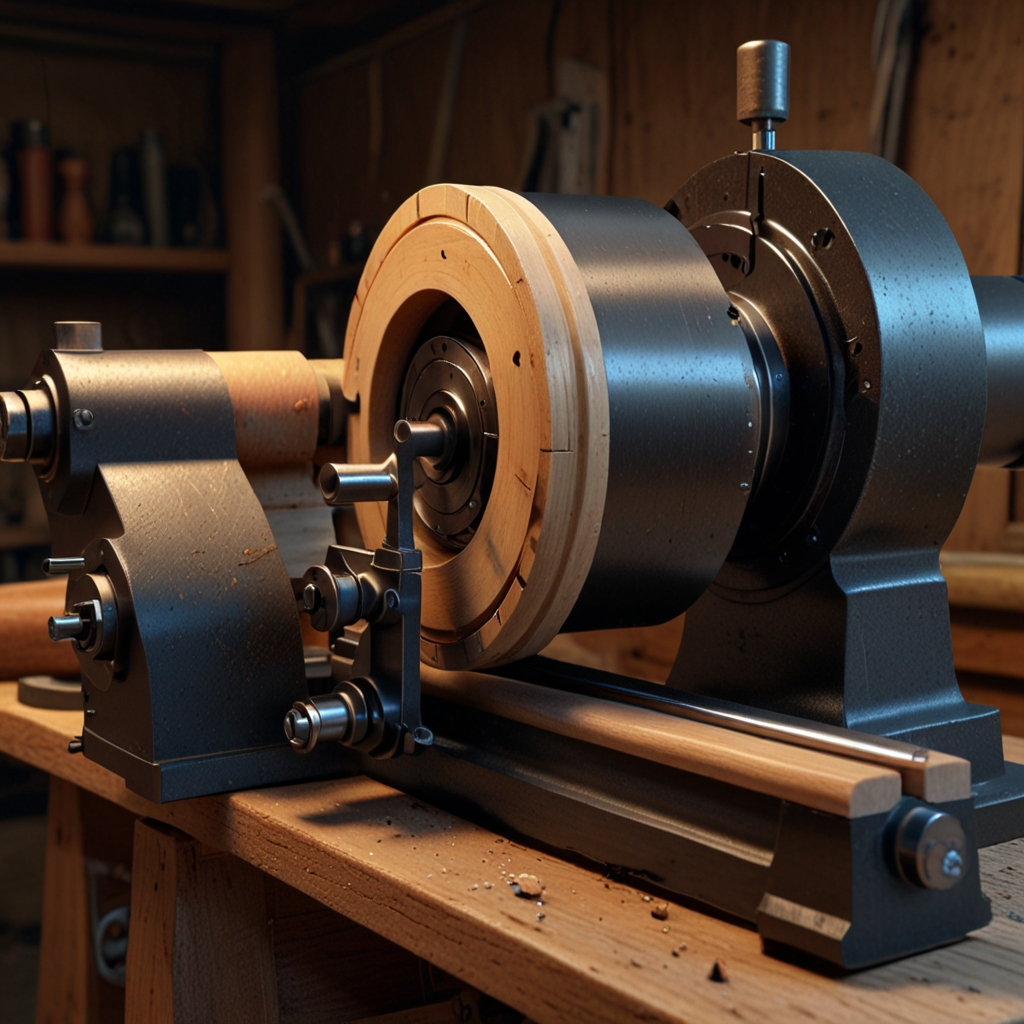
- Excellent performance for turning wood
- Variable speed control for precision
- Comfortable grip for easy handling
- Delta model works quietly
- Sturdy construction ensures durability
- Easy to switch lathe parts
- Versatile for different wood projects
Wood Turning Techniques for Delta Wood Lathes
Basic wood turning techniques for Delta lathes involve understanding the lathe components and proper tool control. You need specific tools like gouges, skew chisels, and parting tools for efficient turning. Achieving a smooth finish with a Delta wood lathe requires sanding in steps, starting with coarse grit and moving to fine grit. Always use safety gear including a face shield, dust mask, and hearing protection when working on a Delta wood lathe.
Which lathe tools produce the best finish for wood turning?
The recommended tool size for basic turning on a Delta wood lathe is a 1/2-inch spindle gouge. The sharpening angle for turning tools should be between 40 to 45 degrees for optimal performance. You should have at least five types of turning tools: spindle gouge, bowl gouge, skew chisel, parting tool, and scraper. The ideal wood type for basic turning on a Delta wood lathe is soft maple due to its ease of use and smooth finish.
The Benefits of Using Delta Midi Wood Lathes for Projects
Choosing a Delta midi wood lathe for your projects is beneficial due to its compact size and versatile functionality. Delta midi wood lathes are convenient; they offer variable speed settings for precise control. Using a Delta midi wood lathe can significantly improve woodworking skills by allowing for detailed and intricate work. Delta midi wood lathes are portable, making them easy to move around your workshop or home.
What are the advantages of the midi wood lathe over a full-size lathe?
The weight of a midi wood lathe typically ranges around 60 to 90 pounds, making it easier to handle. Delta midi wood lathes usually come with multiple speed settings, often ranging from 250 to 4,000 RPM. The swing over bed of a Delta midi wood lathe is generally around 12 inches, which is sufficient for most small to medium projects. A midi wood lathe typically uses around 3/4 to 1 horsepower, making it energy-efficient for most projects.
Pros and Cons of Delta Wood Lathes:
Pros:
- Easy to use for beginners and advanced woodworkers.
- Variable speed settings are accessible on most models.
- Sturdy build and quality performance.
- Portable and compact for small workshops.
- Can be less powerful compared to full-size lathes.
- Limited swing over bed size might restrict larger projects.
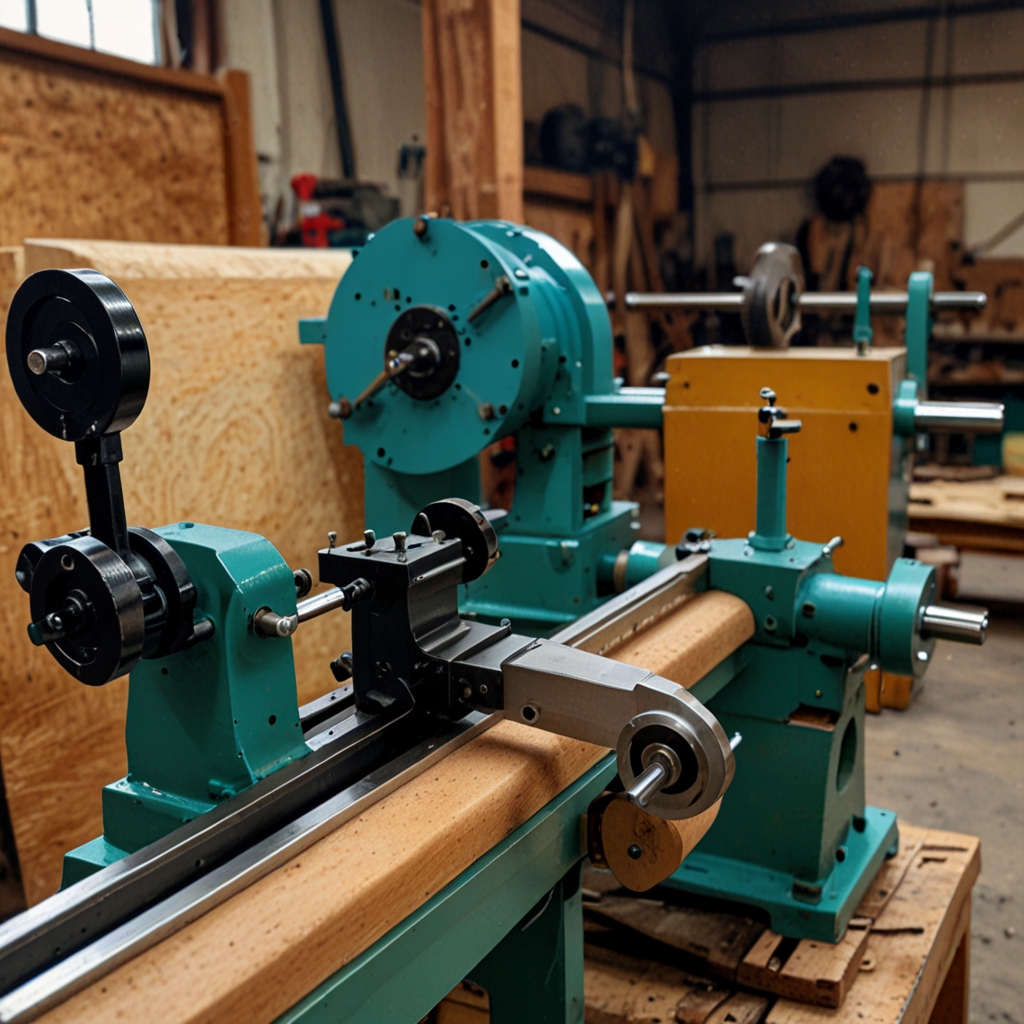
I’ve personally used Delta wood lathes and found that users commonly praise the sturdy construction and powerful motor of these machines. However, some users face issues with the variable speed settings malfunctioning or the lathe parts wearing out faster than expected. Many professional woodworkers recommend Delta wood lathes for their durability and performance. Detailed reviews of Delta wood lathes can be found on online marketplaces like Amazon and woodworking forums such as woodworkingtalk.com.
How reliable is the Delta wood lathe according to user feedback?
There are thousands of reviews available for Delta wood lathes on various platforms. The average rating for Delta wood lathes typically hovers around 4 out of 5 stars. Around 80% of users recommend Delta wood lathes for their robust performance. Negative reviews mainly focus on specific issues like motor failures or problems with the speed wood control.
Upgrading Your Delta Wood Lathe for Better Performance
Many upgrades are available for Delta wood lathes, such as improved variable speed controllers and sturdier lathe parts. Enhancing the performance of your Delta wood lathe can be achieved by installing a new lathe duplicator or upgrading to a more powerful motor. Custom parts for Delta wood lathes are available from specialty suppliers like Rockler and Woodcraft. You can buy upgrades for Delta wood lathes from online retailers like Amazon or directly from Delta authorized dealers.
What improvements can be made to a Delta industrial lathe?
Upgrades for a Delta industrial lathe can be quite affordable, often starting at around $50 for simple parts. There are dozens of upgrade options available for Delta lathes, including everything from bed extensions to advanced variable speed controllers. The average installation time for upgrades is under two hours for most users. Numerous vendors, including large retailers like Home Depot and niche woodworking shops, sell Delta lathe upgrades.