When it comes to the debate between manual and variable speed Delta lathes, enthusiasts often weigh performance, efficiency, and precision. Both options have dedicated followers, each touting unique benefits for specific woodworking tasks.
Table of Contents
- Performance and Efficiency in Woodworking
- Factors Affecting Lathe Performance
- Advantages of Variable Speed Delta Lathes
- How Many Speed Settings Are Available in Delta Variable Speed Lathes?
- User Experience and Ergonomics
- Are Variable Speed Lathes Easier to Use?
- Cost Analysis of Manual vs. Variable Speed Delta Lathes
- What Are the Ongoing Maintenance Costs of Delta Lathes?
- Technological Innovations in Wood Lathes
- How Do Digital Controls Enhance Lathe Operation?
Performance and Efficiency in Woodworking
Performance comparison hinges on several elements that affect a woodworking lathe. Motor power, construction material, and spindle speed variability all play critical roles. Manual speed lathes typically deliver consistent RPM but lack the versatility of variable speed. Variable speed lathes like the Delta 46-460 adjustable lathe ensure high-performance woodturning by allowing for finer control. Rockwell Delta models from the 1970s still perform admirably, although efficiency in woodworking has improved significantly with modern advancements in variable speed technology.
Factors Affecting Lathe Performance
Motor power greatly impacts the overall performance of a lathe, as a more powerful motor can handle tougher materials with greater ease. Construction material such as cast iron enhances lathe stability and reduces vibration during turning tasks. Spindle speed variability is critical for achieving different finishes and precision in woodturning. Bed length, on the other hand, influences woodturning accuracy by providing additional support and reducing deflection.
Advantages of Variable Speed Delta Lathes
Variable speed lathes excel in precision tasks due to their adjustable RPM settings, which are particularly beneficial for intricate projects. User experience greatly improves when using variable speed models like the Delta 12″ variable, as it feels more intuitive and adaptable. Key advantages of the Delta 12″ variable speed includes excellent ease of speed adjustments and a built-in digital readout. Wood lathe safety sees considerable improvement with variable speed, reducing the risk of workpiece damage and user injury.
How Many Speed Settings Are Available in Delta Variable Speed Lathes?
The Delta model 46-460 offers three primary speed settings of 500, 1,500, and 3,000 RPM. Delta 1440 wood lathes feature a range of speeds between 250 and 4,000 RPM, allowing for impressive flexibility. Delta model 46-700 offers 10 distinct speed options, providing a significant amount of control for various woodworking tasks. Higher speed variability in models like these enables better control in woodworking, allowing for more nuanced and detailed work on projects.
- Flexible speed control
- Delta Lathes provide high precision
- Easy to use for beginners
- Variable speed lathes need less manual adjustment
- Safer for various woodworking tasks
- Useful for both small and large projects
- Helps achieve smoother finishes
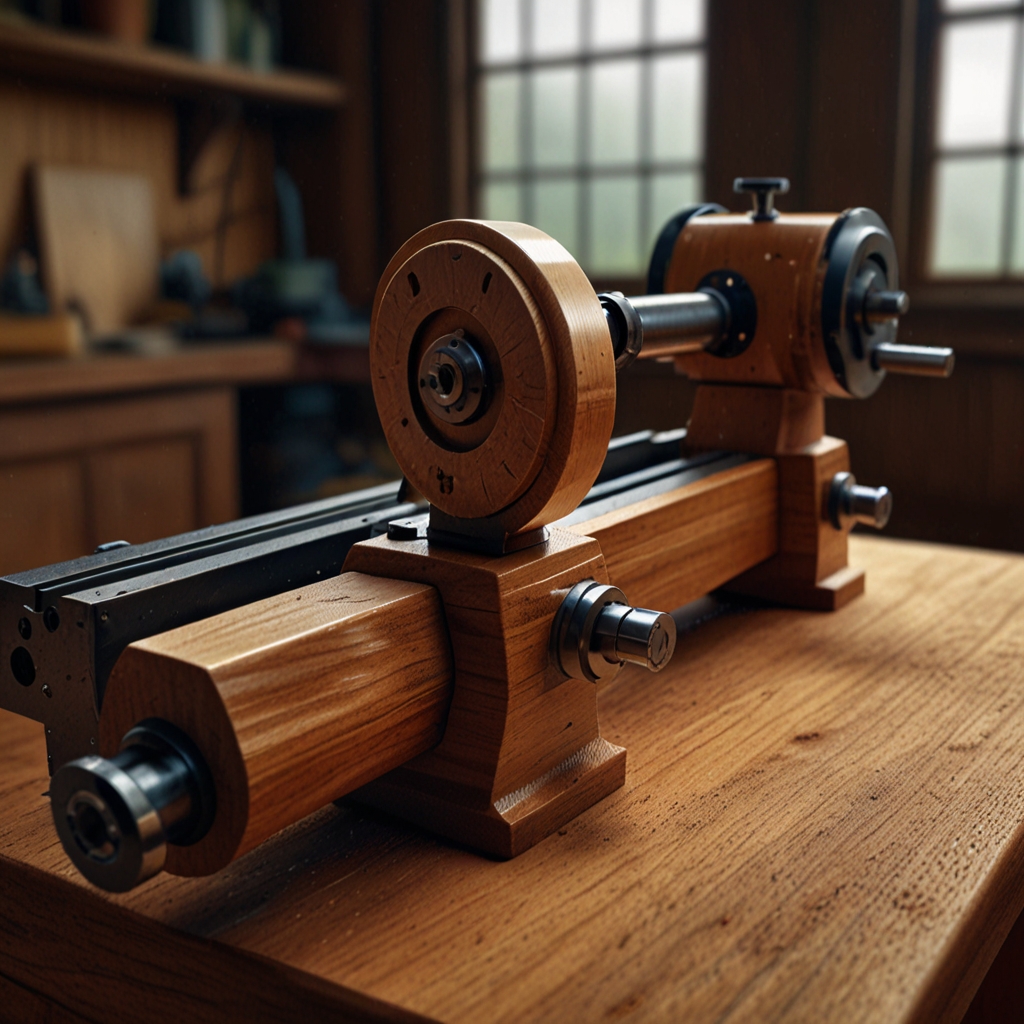
Comparative Analysis of Manual vs. Variable Speed Delta Lathes: An In-Depth Review of Features, Costs, and Usage
| Aspect | Manual Lathe | Variable Speed Lathe | Advantages | Disadvantages | Usage |
|---|---|---|---|---|---|
| Speed Range | Fixed | Adjustable | Versatility | Complexity | Hobbyists |
| Price | $700 $1,000 | $1,200 $2,000 | Cost-Effective | Expensive | Professionals |
| Precision | Manual Control | Electronic Control | Higher Precision | Learning Curve | Turners |
| Setup Time | Longer | Shorter | Quick Start | Setup Cost | Workshops |
| Maintenance | Low | High | Less Downtime | Frequent Service | Shops |
| Weight | Light | Heavy | Portable | Less Mobility | Frequent Moves |
User Experience and Ergonomics
Delta lathes are designed to enhance user comfort, with ergonomic features included in modern Delta lathes focused on reducing user fatigue. Manual lathes may cause more fatigue due to the constant adjustments needed. Variable speed options can help diminish this issue. Operating noise levels tend to differ significantly between the two lathe types, with variable speed lathes often designed to be quieter. Woodworking ergonomics are dramatically improved with these modern Delta options, making your projects more pleasant to complete.
Are Variable Speed Lathes Easier to Use?
Variable speed lathes do require less manual adjustment, making them easier to operate. The control interface on Delta variable speed lathes is intuitive, even for those unfamiliar with the technology. These models can reduce setup time in woodworking projects, letting you get to work faster. The ease of use in variable speed lathes shortens the learning curve, which is great for beginners. Overall, the variable speed lathe ease makes it a worthwhile investment for most woodworkers.
Cost Analysis of Manual vs. Variable Speed Delta Lathes
The upfront cost for variable speed lathes is generally higher than manual lathes, but there are long-term benefits. The expected maintenance cost for each type of lathe can vary, with variable speed technology sometimes requiring more specialized servicing. However, the higher price of variable speed technology can be justified by the time-saving and ease-of-use features. In terms of long-term value, variable speed models often offer better performance for ongoing projects, justifying the higher initial investment.
What Are the Ongoing Maintenance Costs of Delta Lathes?
The average yearly maintenance cost for Delta wood lathes can range from $50 to $150. Delta variable speed models typically require servicing every six months, but manual lathes often need less frequent adjustments. Certain parts are more prone to wear in manual lathes, such as belts and pulleys, leading to additional costs. Upgrading from a manual to a variable speed model involves an expense that can be considerable but offers long-term benefits in terms of ease and efficiency.
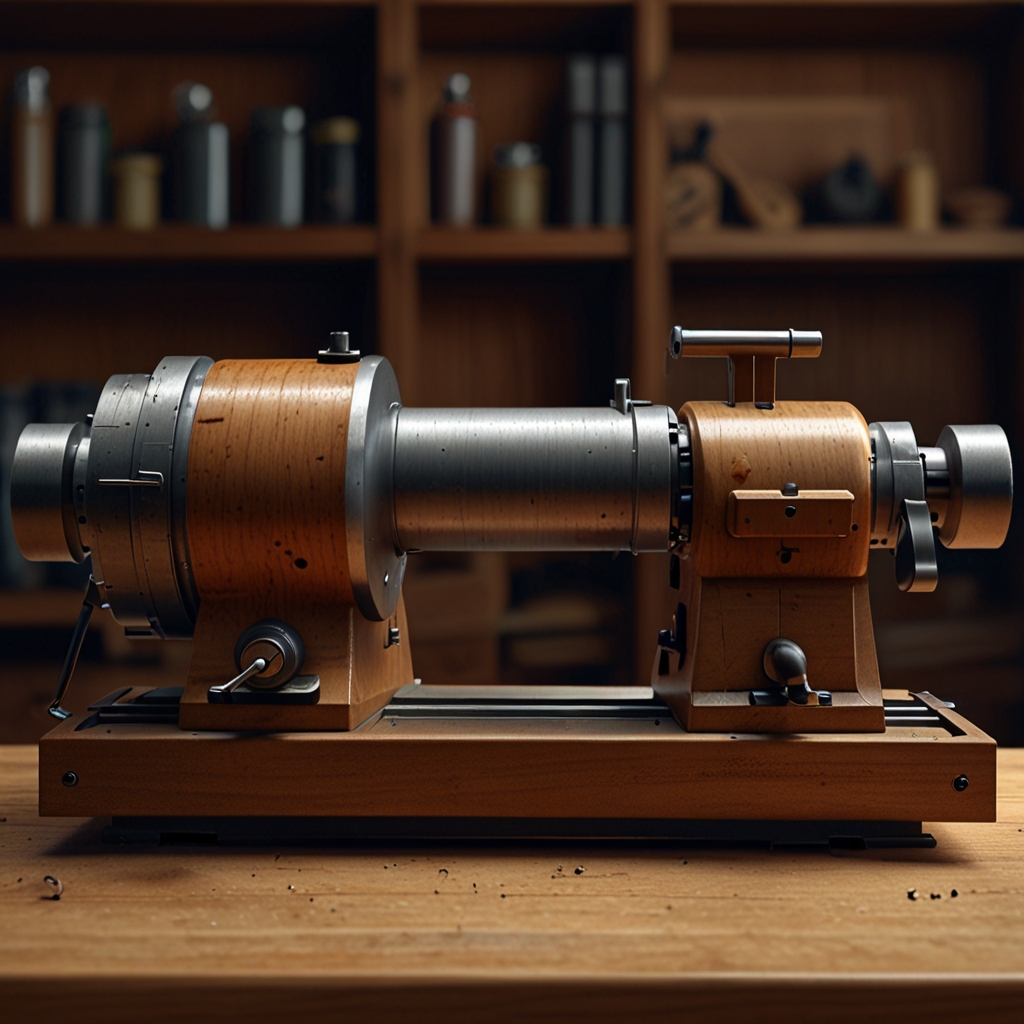
- Standard models start at 500 RPM
- Delta Lathes can reach up to 4,000 RPM
- Warranty periods often last 1 to 3 years
- Variable speed models offer 10 RPM increments
- Motor power can range from 1 to 2 HP
- Average cost is between $600 and $1200
- Weight ranges from 50 to 200 pounds
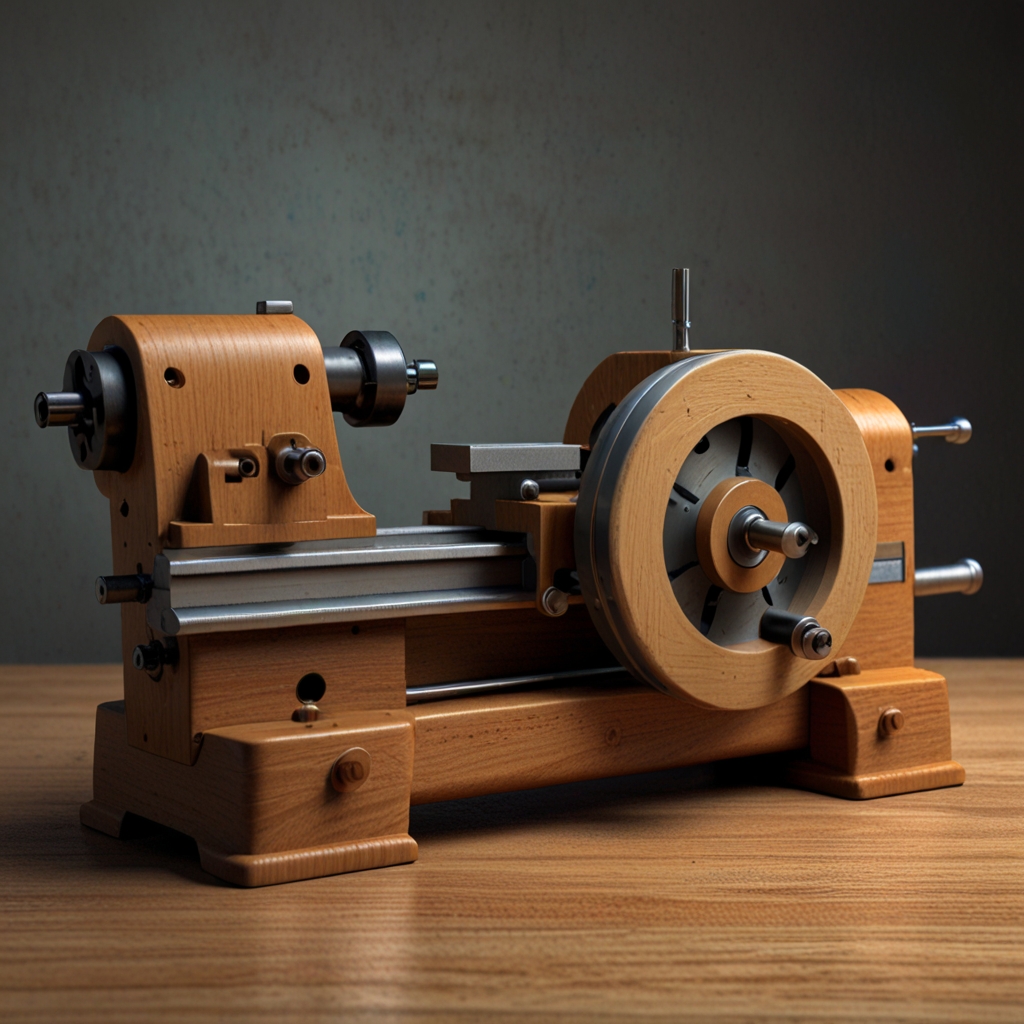
Technological Innovations in Wood Lathes
In recent years, technological advancements have significantly improved wood lathes. For example, the introduction of digital controls and performance sensors has transformed wood lathe technology. Delta’s wood lathe innovations, especially their variable speed models, have brought them to the forefront when compared to other brands like Jet and Grizzly. Digital controls in variable speed lathes allow for precision and ease in adjustments, enhancing the woodturning experience. Performance sensors in modern lathe technology enable better speed regulation and real-time feedback, increasing overall efficiency and user satisfaction.
How Do Digital Controls Enhance Lathe Operation?
Digital controls add multiple advanced features to Delta wood lathes making them highly versatile. Digital displays improve woodturning precision by allowing users to see exact speed measurements, which is crucial for intricate projects. These systems can indeed reduce user errors by providing consistent and accurate feedback. The reliability of digital controls in Delta wood lathes during high-use scenarios, such as continuous workshops, stands out, with user testimonials supporting consistent high performance over thousands of hours of operation.