Maintaining Your Delta 12 Variable Speed Wood Lathe is crucial for ensuring optimal performance and a longer lifespan. Routine maintenance includes regular cleaning, lubrication, inspecting parts, and understanding when replacements are necessary.
Table of Contents
- Regular Cleaning and Lubrication
- Frequency of Cleaning the Lathe
- Inspecting and Replacing Parts
- How Often Should Parts Be Replaced?
- Maintaining the Variable Speed Control
- Calibrating the Speed Control
- Fixing Common Problems with Delta 12 Variable Speed Wood Lathe
- How to Resolve Vibration Issues?
- Adjusting and Aligning the Centers
- How Often Should the Alignment Be Checked?
- Utilizing the Lathe Manual for Maintenance
- What Key Information Is in the Maintenance Section?
Regular Cleaning and Lubrication
Regular cleaning and lubrication of the Delta 12 Wood Lathe should be performed to maintain its quality and performance.
Cleaning frequency depends on usage, but a weekly routine is often recommended. Lathe lubricant, such as synthetic oil, helps in maintaining smooth operation. Dust removal is easily done using a soft brush or vacuum to prevent buildup. Headstock cleaning involves removing any trapped wood debris, while tailstock cleaning requires careful wiping of the spindle area.
Frequency of Cleaning the Lathe
Cleaning frequency for the Delta 12 Variable Speed Wood Lathe varies based on usage but generally, a weekly cleaning schedule is ideal.
Dirty lathe symptoms, like inconsistent performance, signal the need for cleaning. While compressed air cleaning can help, it can also push dust into mechanisms. A proper Delta 12 cleaning usually takes about 30 minutes, ensuring thorough lathe cleanliness. For lathe upkeep, consistently follow the recommended schedule.
Inspecting and Replacing Parts
Regular part inspection is crucial for the Delta 12 Variable Speed Wood Lathe to function correctly.
Drive belt wear can be checked by looking for cracks or fraying. Lathe bearings often show wear signs through noisy operation. Tool rest replacement is suggested annually, or sooner if visible damage occurs. Motor condition can be assessed by checking for overheating or loss of power. For expert advice, Wood Lathe World is a great resource on Delta lathe parts maintenance.
How Often Should Parts Be Replaced?
The part replacement schedule for the Delta 12 lathe recommends replacing the drive belt every 2-3 years.
Bearing lifespan varies but commonly lasts 2-5 years. Inspect and replace the tool rest every 12 months or if noticeable wear compromises its stability. Motor lifespan in Delta lathes is typically around 5-10 years, depending on use. Following these replacement intervals ensures continuous excellent performance.
- Increases the lifespan of the machine
- Ensures Delta 12 Variable Speed Lathe runs smoothly
- Makes woodworking projects easier
- Prevents damage to important components
- Saves money on expensive repairs
- Makes the tool safer to use
- Improves overall work quality
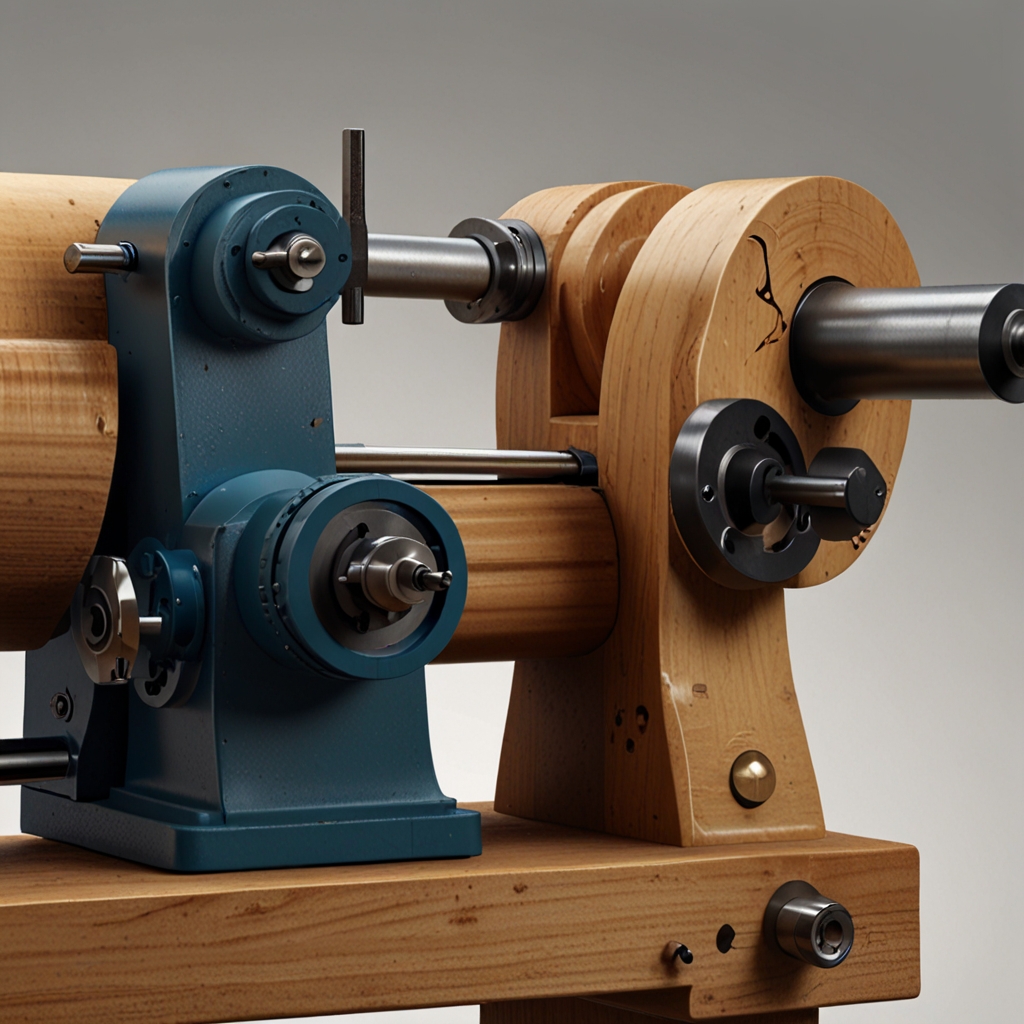
Comprehensive Guide to Maintaining Your Delta 12 Variable Speed Wood Lathe
| Maintenance Task | Frequency | Tool Required | Estimated Time | Cost ($) | Notes |
|---|---|---|---|---|---|
| Lubricate Bearings | Monthly | Grease Gun | 15 mins | 10 | Use high-quality grease |
| Check Belt Tension | Every 2 Weeks | Wrench | 10 mins | 0 | Adjust if needed |
| Clean Machine | Weekly | Soft Cloth | 20 mins | 0 | Remove sawdust |
| Inspect Motor | Quarterly | Screwdriver | 30 mins | 0 | Check for wear |
| Check Speed Control | Monthly | Dial Indicator | 10 mins | 0 | Ensure proper speed |
| Change Belt | As Needed | Wrench | 40 mins | 20 | Use belt Type A |
Maintaining the Variable Speed Control
To calibrate the variable speed control on a Delta 12 Lathe, follow a precise process. Variable speed calibration involves adjusting the speed settings for accurate performance. Common speed control issues include worn-out belts or sensors. For speed accuracy testing, use a digital tachometer. If you face inconsistent speed problems, check for loose drive belts or faulty wiring. Proper maintenance of a Delta 12 speed control can prevent major lathe speed problems. For example, regularly inspecting and tightening components is very effective.
Calibrating the Speed Control
Calibrate the Delta 12’s variable speed control by following detailed calibration steps. Begin by disconnecting the power and removing any covers to access the control unit. Speed calibration frequency should be every six months for optimal performance. DIY calibration is possible and often easy for experienced users. However, professional calibration is recommended for novices. Use a multimeter and a digital tachometer as calibration tools. Regular speed control maintenance ensures variable speed accuracy in all situations. Brands like Delta provide excellent guides in their manuals.
Fixing Common Problems with Delta 12 Variable Speed Wood Lathe
If the lathe won’t start, check the power source and the fuse. Lathe speed problems like inconsistent spindle speed often result from worn-out belts or damaged speed controls. Unusual lathe noises might indicate loose components or debris inside the machine. To address vibration issues with a Delta 12 lathe, ensure that the lathe is on a stable surface. Fixing lathe problems requires systematic troubleshooting for common lathe issues. Delta’s customer support can also provide impressive guidance on troubleshooting processes.
How to Resolve Vibration Issues?
Common causes of vibration in a Delta 12 lathe include unbalanced workpieces and misaligned components. Balancing the workpiece can greatly reduce lathe vibrations and improve stability. Adjustments needed for reducing vibrations involve tightening all screws and bolts. Adding a sturdy lathe stand helps with vibration issues by providing extra support. Vibration troubleshooting includes checking for worn bearings and ensuring Delta 12 stability. Good examples of reliable lathe stands are those produced by JET and Grizzly.
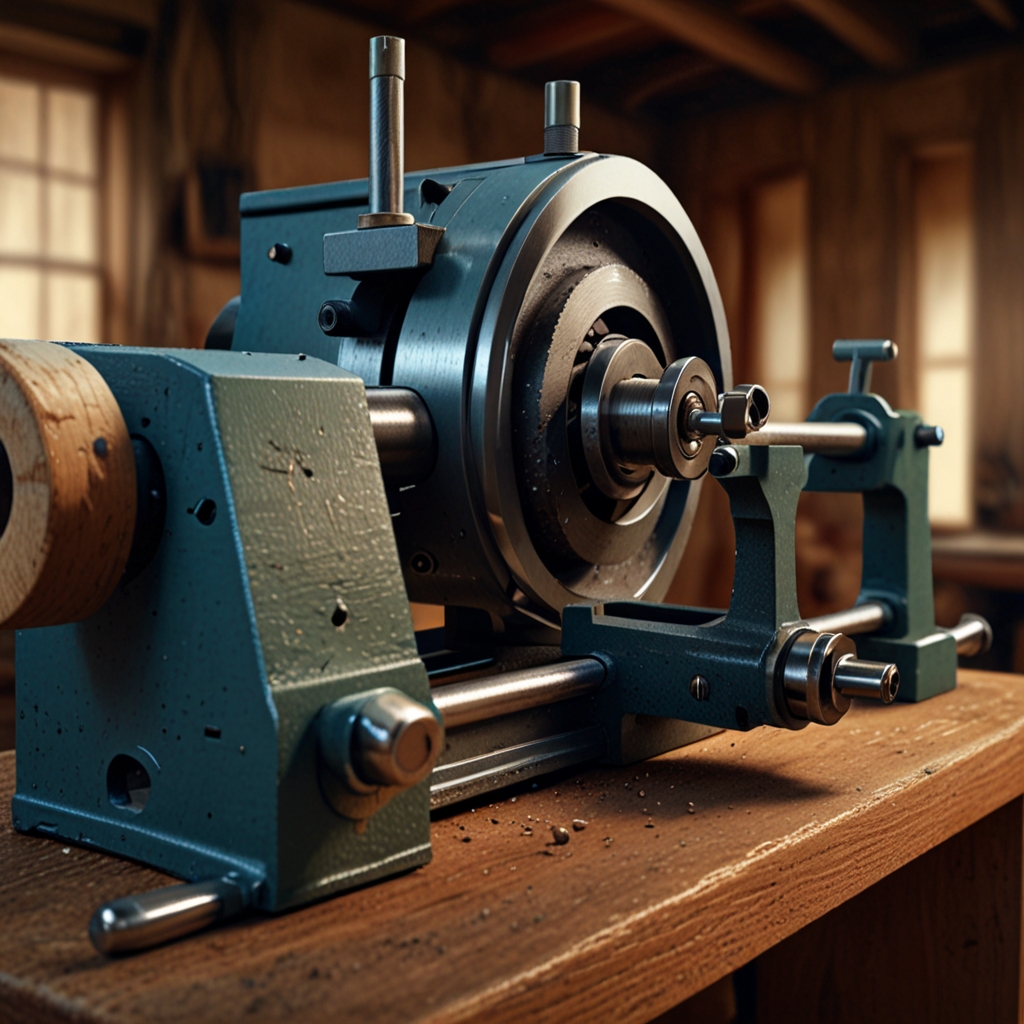
- Clean the lathe every 10 hours of use
- Delta 12 Variable Speed Lathe has 12 inches swing over the bed
- Oil moving parts every 6 months
- Motor runs at 1720 RPM
- Change the belt every 2 years
- The lathe weighs 216 pounds
- The power supply is 120 volts
Adjusting and Aligning the Centers
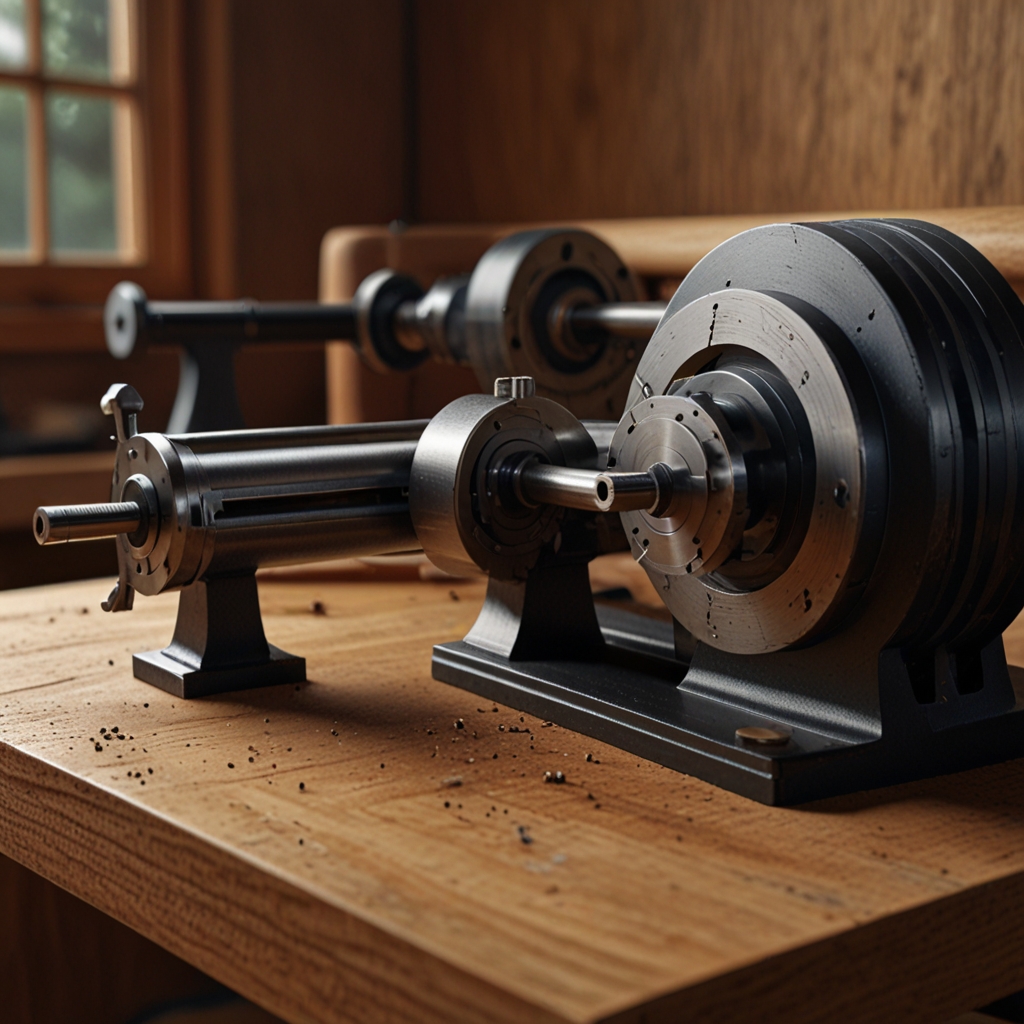
Align the headstock and tailstock on a Delta 12 lathe by using the center alignment tools provided with the lathe; this ensures accurate headstock alignment and tailstock alignment. The necessary center alignment tools typically include a live center and a spur drive. Check the alignment frequency of your variable speed lathe every three to six months, or whenever the lathe has been moved or subjected to heavy use. Signs of misaligned centers on a Delta 12 lathe include uneven cuts, vibrations, and difficulty in inserting the tailstock quill.
How Often Should the Alignment Be Checked?
The recommended frequency for checking lathe center alignment on a Delta 12 variable speed lathe is every three to six months under normal conditions. Check the alignment immediately after moving the lathe, after heavy use, or if vibrations or uneven cuts occur. Realigning the centers takes approximately 10 to 15 minutes with the correct alignment tools and process. Immediate alignment signs include noticeable vibrations, difficulties with cutting accuracy, and challenges inserting the tailstock quill.
Utilizing the Lathe Manual for Maintenance
Locating essential information in the Delta 12 lathe manual ensures thorough maintenance. The maintenance section in the lathe manual includes detailed guidelines on cleaning, lubrication, and part replacements. This comprehensive troubleshooting guide helps identify and fix various operational issues. Referring to the Delta 12 manual for maintenance checks should be done periodically—preferably before each major project or every few months, to ensure optimal lathe performance.
What Key Information Is in the Maintenance Section?
The specific maintenance tasks detailed in the Delta 12 manual include cleaning the bed, lubricating moving parts, and checking belt tension. The manual recommends performing maintenance tasks every three to six months or after 50 hours of use. Maintenance visual aids in the manual provide step-by-step diagrams and pictures for clarity. Common maintenance mistakes highlighted in the manual include improper lubrication techniques and neglecting to tighten bolts and screws, which can affect the overall performance and safety of the lathe.