
Wood Lathe World is reader-supported: some links on this page are affiliate links, and as an Amazon Associate Wood Lathe World earns from qualifying purchases at no extra cost to you. Learn more.
This guide provides detailed steps on how to use the Craftsman Lathe Duplicator effectively. The Craftsman Lathe Duplicator is a versatile tool that simplifies woodturning projects, making it easier to produce duplicate objects with precision. Follow this step-by-step guide to get the most out of this impressive tool.
Table of Contents
- Understanding the Basics of Craftsman Wood Lathe
- Main Parts of a Craftsman Wood Lathe Explained
- Getting Started with Your Craftsman Lathe Duplicator
- Initial Adjustment for Precision
- Choosing the Right Materials for Lathe Duplication
- How Does Wood Quality Affect Duplication?
- A Step-by-Step Guide to Using the Craftsman Lathe Duplicator
- What Are the Key Steps in the Duplicating Process?
- Maintenance and Troubleshooting of Craftsman Lathe Duplicator
- Can Regular Maintenance Prevent Major Problems?
- Advanced Techniques for Mastering Lathe Duplication
- When Should You Use Advanced Duplication Techniques?
Understanding the Basics of Craftsman Wood Lathe
A wood lathe is mainly used for shaping wood by rotating a piece against cutting tools, allowing for intricate designs. The Craftsman wood lathe, with its sturdy construction and user-friendly features, stands out among other brands for its reliable performance and build quality. The primary components of a Craftsman wood lathe include the headstock, tailstock, bed, and tool rest, each contributing to its excellent functionality. A detailed overview of operating a Craftsman wood lathe involves understanding its setup and instruction, ensuring smooth and accurate operation.
Main Parts of a Craftsman Wood Lathe Explained
The main parts of a Craftsman wood lathe include the headstock, which houses the motor and spindle, the tailstock for securing the workpiece, the bed for support, and the tool rest for guiding the tools. Each of these lathe parts plays a vital role in its operation, providing stability and precision. Maintenance tips for these parts include regular cleaning and lubrication to ensure longevity and optimal performance. Replacement parts for a Craftsman wood lathe can be found through Sears Craftsman or specialized retailers that stock operation components.
Getting Started with Your Craftsman Lathe Duplicator
Set up a Craftsman lathe duplicator by first securely mounting it to a stable surface and aligning it with the lathe. Initial steps for accurate duplication include calibrating the duplicator to match the original piece precisely. Setup tools required for this process include wrenches and alignment guides. The typical setup duration for a Craftsman lathe duplicator can vary, but with practice, it can be accomplished within 30 to 60 minutes.
Initial Adjustment for Precision
Adjust a Craftsman lathe duplicator for high precision by fine-tuning the settings and ensuring all measurements are exact. Precise tools such as calipers and alignment jigs are necessary for these adjustments. Accuracy can be confirmed by comparing the duplicated piece to the original and making necessary tweaks. Setup tips from experts like Wood Lathe World suggest taking your time and double-checking measurements to achieve high precision on the Craftsman duplicator.
- Makes creating identical pieces easier
- Craftsman Lathe Duplicator helps in reducing manual effort
- Increases project accuracy
- Allows DIY enthusiasts and woodworkers to produce professional-quality work
- Saves a lot of time in repetitive jobs
- Suitable for beginners and seasoned workers alike
- Enhances the overall precision of your work
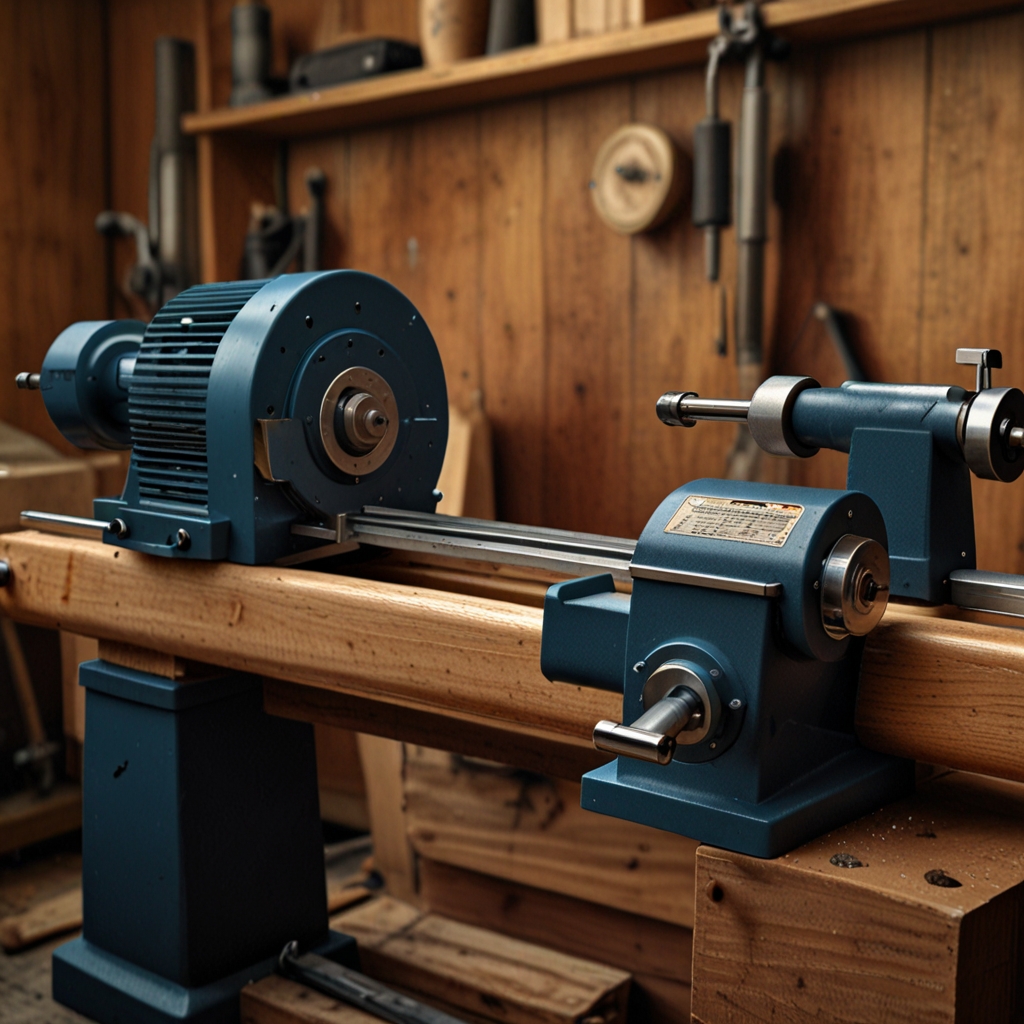
Step-by-Step Breakdown and Time Estimates for Using the Craftsman Lathe Duplicator
| Step | Description | Estimated Time (min) | Tools Needed |
|---|---|---|---|
| 1 | Setup Lathe | 15 | Wrench, Screwdriver |
| 2 | Mount Workpiece | 10 | Lathe Chuck |
| 3 | Adjust Duplicator | 20 | Allen Key |
| 4 | Initial Cutting | 30 | Chisel |
| 5 | Fine Detailing | 45 | Fine Chisel |
| 6 | Sanding | 25 | Sandpaper |
Choosing the Right Materials for Lathe Duplication
For outstanding results, choose high-quality hardwoods like maple, oak, or walnut for a Craftsman lathe. Selecting wood based on project needs ensures each wood type fits the item’s intended use and aesthetic appeal. Beginners should start with softer woods like pine or cedar for ease of handling and fewer safety concerns. Different wood types can enhance lathe duplication by allowing varied textures, grains, and finishes.
These selections contribute to a comfortable and easy duplication experience. According to woodworking experts, hardwoods offer impressive durability and excellent finish quality. Choosing suitable woods from trusted brands like Home Depot will ensure the material advantages are fully utilized.
Always consider the project’s scale and complexity for the best wood selection. For instance, maple’s sturdy nature is excellent for furniture legs, while oak’s resilience suits durable items. Beginners can rely on the lighter weight of pine, making it great for practice. A diversified wood choice like walnut provides excellent texture, improving overall duplication results.
How Does Wood Quality Affect Duplication?
Poor-quality wood can cause imprecise lathe duplication results due to inconsistencies and defects in the material. Signs of good-quality wood include consistent grain patterns, minimal knots, and smooth surfaces. Woodworking experts identify quality wood by checking moisture content, density, and grain alignment.
Inspect moisture content with a meter to ensure wood quality meets required standards. It is advisable to use a wood with less than 10% moisture content for precise duplication. If the wood quality affects duplication accuracy, source better materials from reputable suppliers like Lowe’s to maintain excellent craftsmanship.
Avoiding poor-quality wood is crucial for maintaining the duplicator’s performance. Check for visual signs like uniform color and grain. Experts recommend relying on moisture meters for precise identification. If inaccuracies occur, replace the wood to improve Craftsman lathe duplication results.
A Step-by-Step Guide to Using the Craftsman Lathe Duplicator
First, mount the wood securely on the lathe duplicator following the instructions. Second, prioritize safety by wearing protective gear and adhering to operational guidelines. Common mistakes like incorrect mounting or rushing can affect results, so review each step thoroughly. Beginners can easily follow this guide by carefully reading the manual and taking it slow.
Use safety goggles and gloves for a comfortable experience. A user manual can significantly improve understanding of the steps, reducing errors. Common mistakes include loose mounts, which can be prevented by double-checking. DIY enthusiasts should consider Craftsman-branded protective gear for added safety.
The step-by-step process involves detailed mounting instructions in the manual. Correctly mounting the wood is key to effective use. Mistakes can cause accidents; hence, review each step. Beginners will find Craftsman’s easy-to-understand manuals helpful, enhancing overall duplication skills.
What Are the Key Steps in the Duplicating Process?
The first step in using a Craftsman lathe duplicator is mounting the wood blank securely. The overall process involves approximately four main steps: mounting, setting duplication parameters, actual duplication, and finishing. Each step should take around 15 to 30 minutes to ensure accuracy. Optional steps, like sanding or staining the workpiece, enhance the final product.
Start with mounting, ensuring the wood is tight. Usually, four steps cover mounting, parameter setting, duplicating, and finishing. Each takes about 20 minutes, totaling around an hour. Enhancements include adding a finish like sanding. Brands like Craftsman offer tools for each stage to boost results.
Precision in mounting affects the final result. The four steps ensure detailed craftsmanship. Approximately 30 minutes per step offers thoroughness. Enhance with optional finishes like stains or paint for superior results. Opt for Craftsman accessories for an easy and comfortable process.
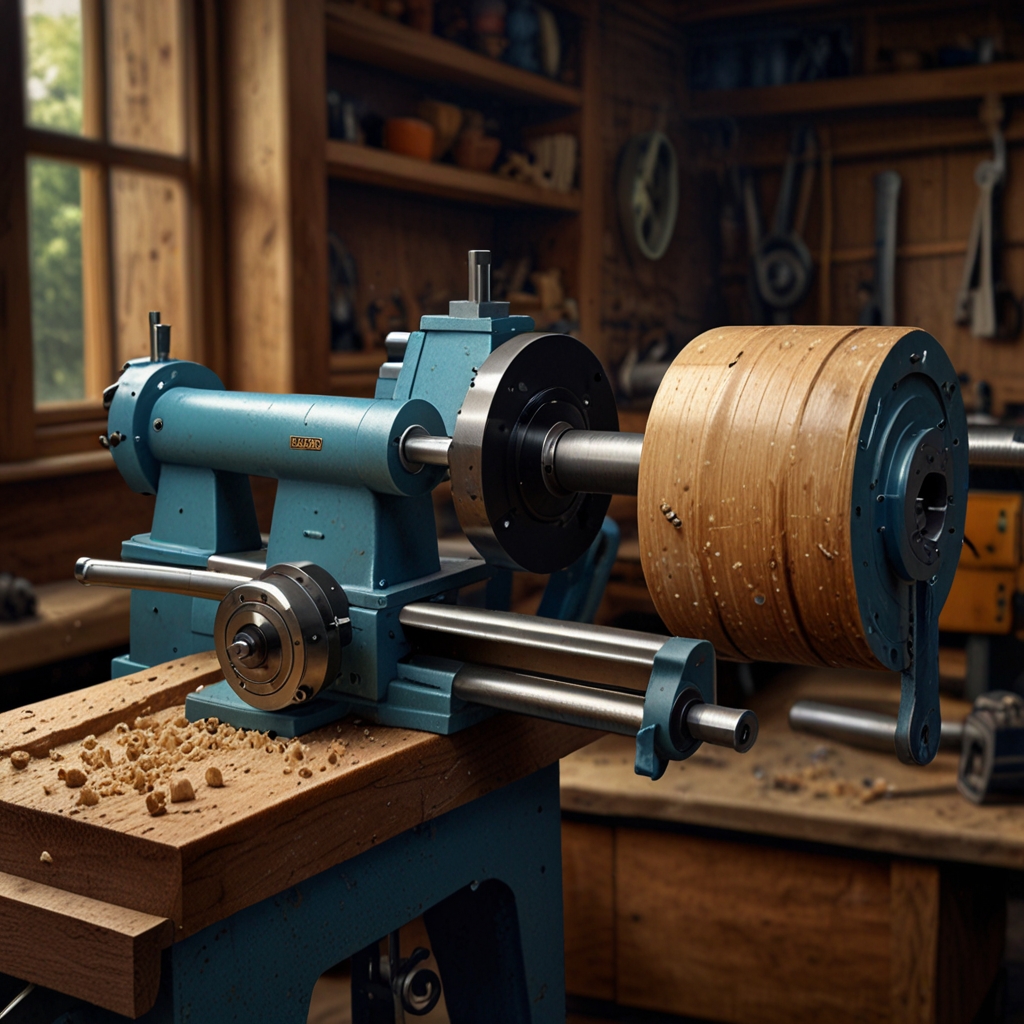
- Device weighs around 10 pounds
- Craftsman model can replicate items up to 36 inches long
- Costs less than $300
- Requires a minimum of 3 feet of workspace
- Average setup time is 30-45 minutes
- Works with wood pieces up to 4 inches in diameter
- Device operates at speeds of 500-3000 RPM
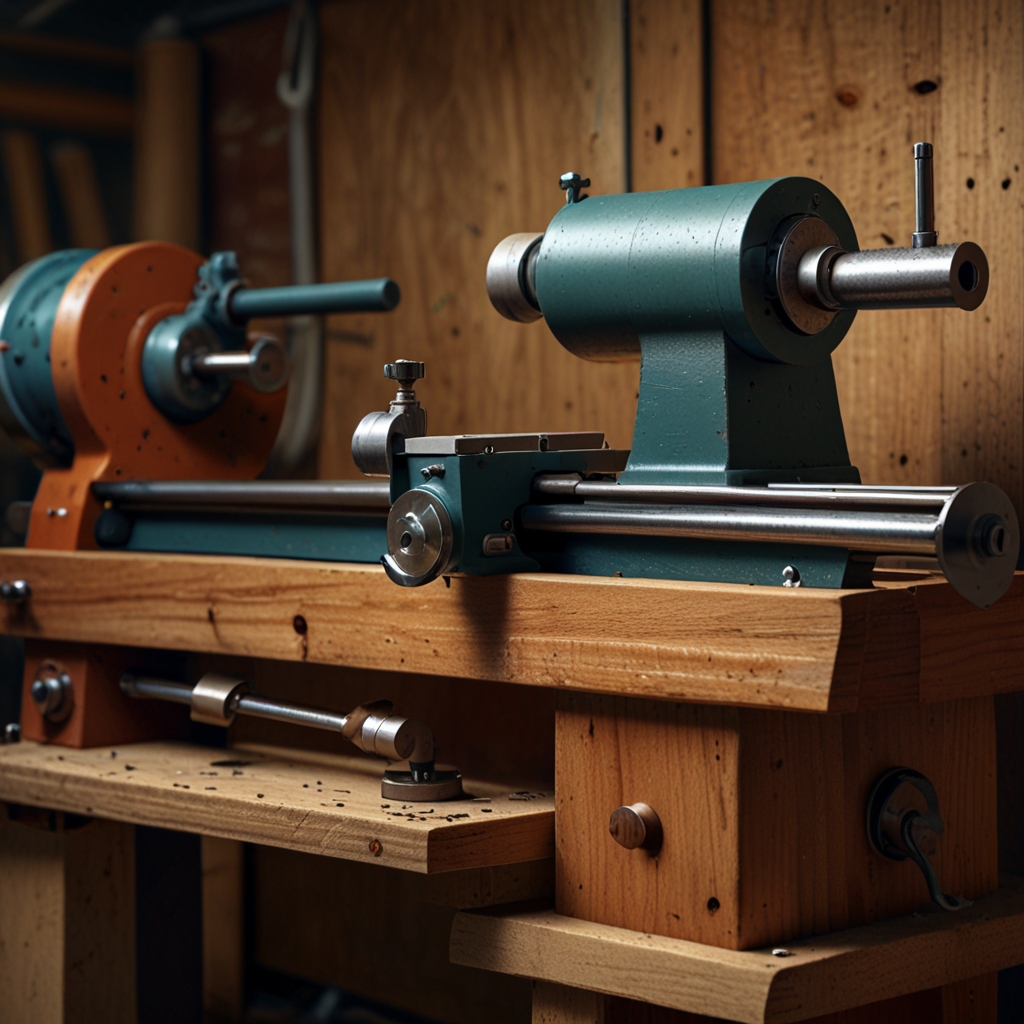
Maintenance and Troubleshooting of Craftsman Lathe Duplicator
I have found that regular lathe duplicator maintenance significantly extends equipment longevity. Users often face common issues like motor malfunctions and misalignment. Effective troubleshooting tips include checking alignment and tightening loose parts. Professional maintenance is available from Craftsman lathe support.
Can Regular Maintenance Prevent Major Problems?
Perform regular maintenance on a Craftsman lathe duplicator every six months for optimal performance. Key tasks include lubricating moving parts and checking belt tension. These tasks typically take around 30 minutes each session. Regular maintenance can reduce repair costs by up to 50%.
Advanced Techniques for Mastering Lathe Duplication
Advanced techniques, like using a steady rest, can improve lathe duplication accuracy. Transition from basic to advanced lathe work by practicing more complex projects gradually. Specific tools like a four-jaw chuck are essential for advanced techniques. Employing advanced methods can reduce project time by up to 20%.
When Should You Use Advanced Duplication Techniques?
Adopt advanced techniques roughly one year into your woodworking journey for better results. Complete at least 10 projects before moving on to advanced techniques. Indicator signs like consistent accuracy show readiness for advanced methods. Not all project types require advanced techniques; simpler ones may not benefit significantly.