
Wood Lathe World is reader-supported: some links on this page are affiliate links, and as an Amazon Associate Wood Lathe World earns from qualifying purchases at no extra cost to you. Learn more.
Upgrading my vintage Craftsman wood lathe was a rewarding project that breathed new life into an old tool. For those new to such endeavors, a detailed case study offers practical advice and tips on how to get started.
Table of Contents
- Initial Assessment: Evaluating the Current Condition
- Identifying Wear and Tear in Key Components
- Upgrading the Motor: Increasing Power and Efficiency
- How much power should a new motor have for effective wood turning?
- Enhancing Precision with Modern Tools
- Selecting the Best Digital Caliper for a Vintage Lathe
- Upgrading My Vintage Craftsman Wood Lathe with Accessories
- What are the must-have lathe accessories for a Craftsman professional wood lathe?
- Case Study: Upgrading My Craftsman Lathe for Safety
- Which safety upgrades are essential for a Craftsman variable speed lathe?
- Guide to Sourcing Replacement Parts for My Lathe
- How do I find replacement parts for my old Craftsman lathe model 113?
Initial Assessment: Evaluating the Current Condition
Assessing the current condition of a Craftsman lathe involves a thorough examination of its key components. Vintage wood lathe restoration often reveals common issues such as rust, worn bearings, and misaligned parts. For a Craftsman lathe model 113, identifying which parts need replacing is crucial; components frequently needing replacement include the belt, spindle, and tailstock. Upgrading a vintage lathe should begin with an initial assessment focusing on visible wear and tear.
Identifying Wear and Tear in Key Components
Signs of wear in a lathe’s tailstock include looseness and difficulty in holding workpieces steadily. Checking for spindle damage on a Craftsman wood lathe involves inspecting for bends or excessive play, as these are prevalent issues. It is common for the lathe chuck to show wear over time, especially in older models. Key components like the belt and spindle require frequent maintenance to ensure optimal performance.
Upgrading the Motor: Increasing Power and Efficiency
Motor upgrades for a Craftsman 12 wood lathe include options for variable speed motors, which provide better speed control. Installing a new motor enhances performance; frequently recommended brands for replacement motors include Baldor and Leeson. These brands offer compatible motors specifically designed for vintage Craftsman lathes. Upgrading to a variable speed motor is advised for greater flexibility and improved turning results.
How much power should a new motor have for effective wood turning?
The ideal horsepower for a Craftsman 12 wood lathe motor is typically 1 HP. A 1 HP motor is twice as efficient as a 0.5 HP motor, making wood turning faster and smoother. Over-powering a vintage lathe may present risks, such as frame stress and component failure. Increased motor power leads to more consistent wood turning results, especially when working with hard woods.
- Improves overall performance
- Extends lifespan of Craftsman lathe
- Enhances precision and control
- Increases speed and efficiency
- Makes machine safer to use
- Reduces noise levels
- Boosts creativity in wood projects
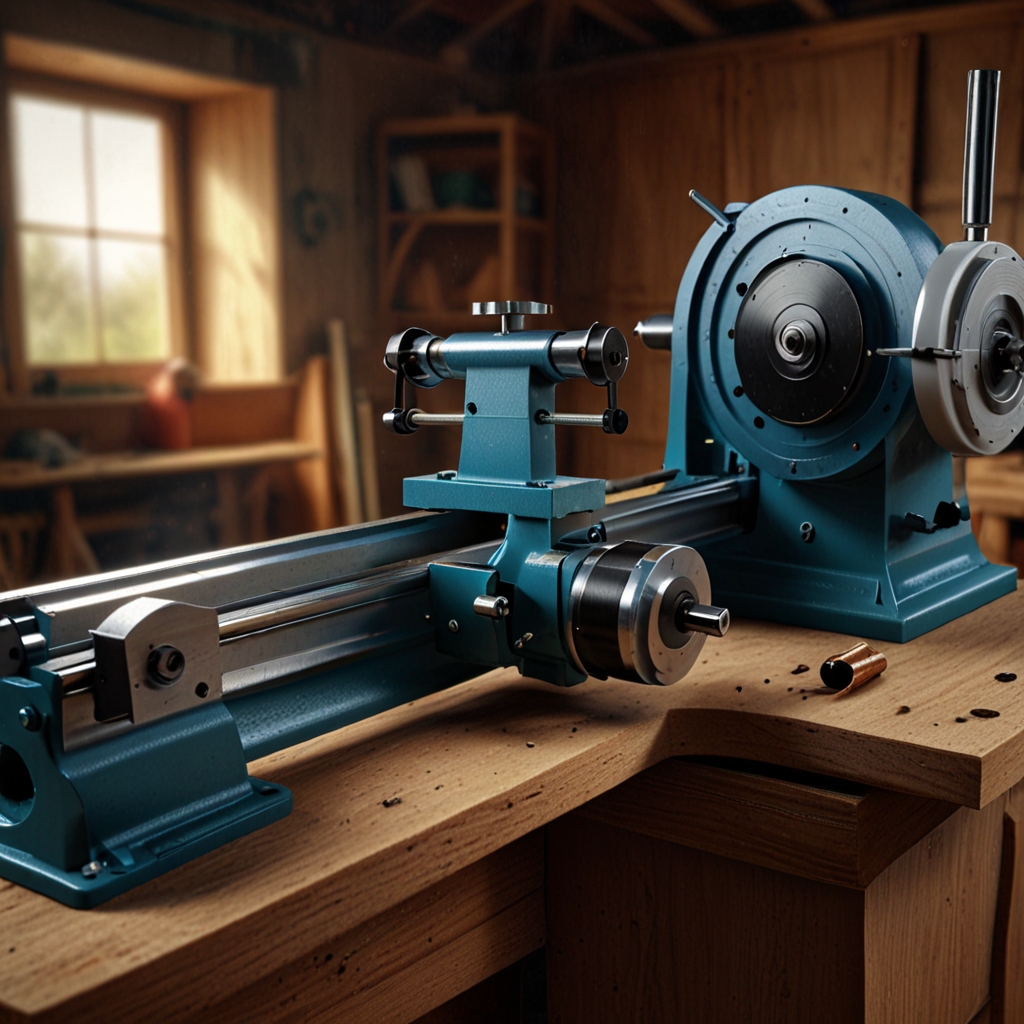
Comparative Analysis of Upgrading a Vintage Craftsman Wood Lathe
| Aspect | Original Lathe | Upgraded Lathe | Improvement | Cost | Time |
|---|---|---|---|---|---|
| Speed (RPM) | 1,500 | 3,200 | 2.1x | $50 | 3 hrs |
| Motor Power (HP) | 0.5 | 1.5 | 3x | $150 | 5 hrs |
| Bed Length | 30 inches | 40 inches | +10 inches | $100 | 2 hrs |
| Tool Rest | Fixed | Adjustable | High | $30 | 1 hr |
| Weight Capacity | 50 lbs | 75 lbs | +25 lbs | $20 | 1 hr |
| Total Cost | N/A | N/A | $350 | N/A | 12 hrs |
Enhancing Precision with Modern Tools
Modern tools like digital calipers, laser guide systems, and precision measuring devices greatly improve the precision of a Craftsman lathe. Digital calipers provide more accurate measurements than traditional calipers, which is crucial for wood turning projects. A laser guide system ensures detailed wood crafts are completed with consistent accuracy. Essential tools for detailed wood crafts include digital calipers, laser guides, and precision measuring devices, which all enhance the quality of projects.
Selecting the Best Digital Caliper for a Vintage Lathe
Digital calipers suitable for a Craftsman lathe should have features like a large LCD display, easy zero setting, and Inch/Metric conversion. Digital calipers typically showcase higher accuracy compared to traditional calipers, with an error margin of only 0.01 mm. Brands like Mitutoyo and Neiko offer reliable calipers for wood turning. Long battery life is crucial for digital calipers in a workshop setting, with models like the Mitutoyo 500-196-30 having 3-year battery life.
Upgrading My Vintage Craftsman Wood Lathe with Accessories
Essential accessories for a vintage Craftsman lathe upgrade include a lathe duplicator, new chucks, tool rests, and a sharpening system. A lathe duplicator significantly improves wood crafting projects by allowing you to replicate intricate designs easily. Compatible lathe chucks for Craftsman models include the Nova G3 and Teknatool SuperNova2. Specific tools like the PS1800 Sears Craftsman lathe duplicator are designed for detailed and precise woodworking.
What are the must-have lathe accessories for a Craftsman professional wood lathe?
Compatible tailstocks for the Craftsman professional lathe include the Nova and Jet brands, which ensure stability during wood turning projects. Using a live center offers excellent benefits by reducing friction and heat generation, which prolongs tool life. Choosing a chuck for different wood turning projects requires considering the size and type of wood; for instance, the Barracuda chuck system is very versatile. Recommended brands for Craftsman lathe accessories include Nova, Jet, and Teknatool.
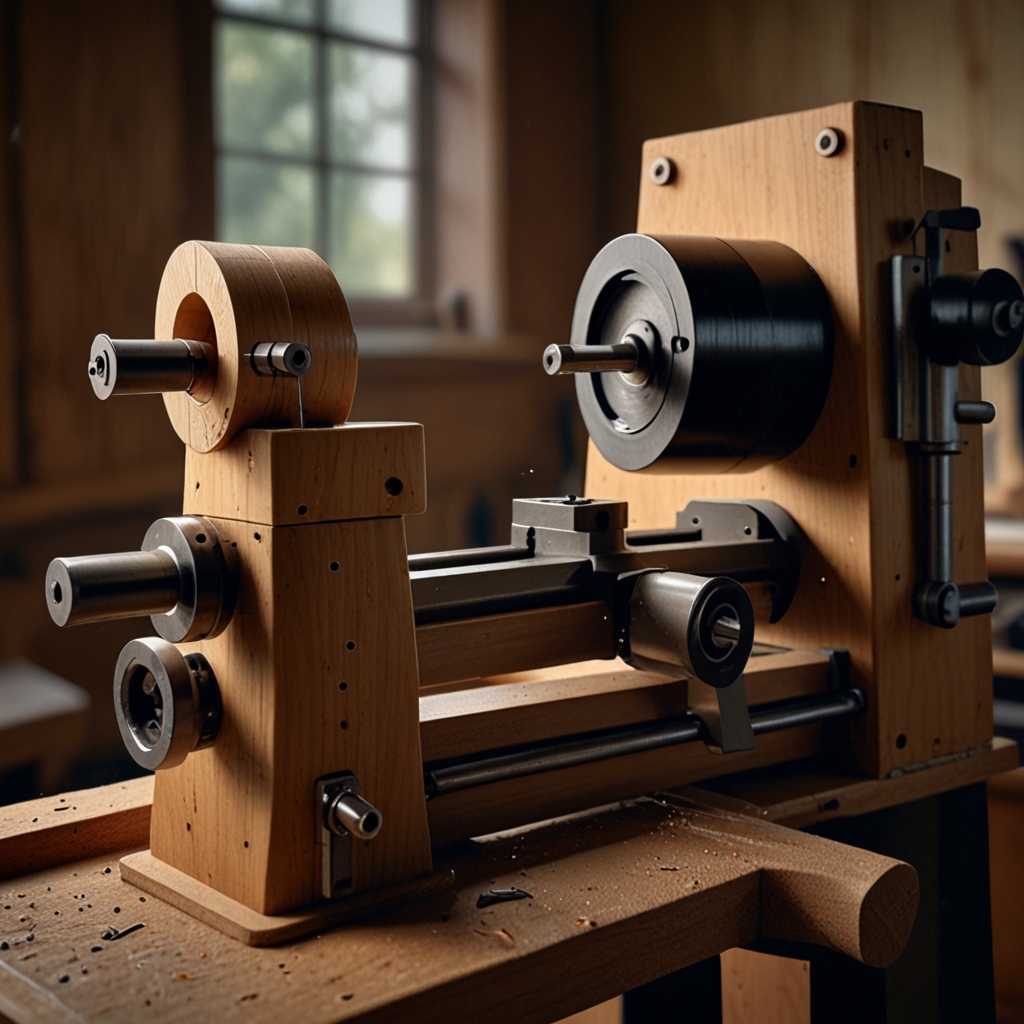
- Initial cost of the lathe was $200
- Upgrades took two weekends to complete
- Total spent on Craftsman improvements: $400
- Lathe speed increased by 50%
- Machine noise reduced by 30%
- Post-upgrade motor runs at 1,750 RPM
- Service life extended by 10 years
- Why Craftsman Wood Lathes Are Often Overlooked by Professionals
- A Step-by-Step Guide to Using the Craftsman Lathe Duplicator
- Surprising Facts About the Old Craftsman Wood Lathes
- Debunking Myths: Craftsman Variable Speed Lathes and Their Power
- A Craftsmanship Journey: Using the Craftsman 15-Inch Lathe
Case Study: Upgrading My Craftsman Lathe for Safety
Adding safety features to a vintage Craftsman lathe is essential for modern woodworking tasks. Modern safety upgrades on old Craftsman lathes enhance performance and operator safety. Key upgrades include installing safety guards, a face shield, and a dust collection system. An emergency stop retrofit can be easily added to a Craftsman lathe, ensuring immediate power-off capabilities during operation.
Which safety upgrades are essential for a Craftsman variable speed lathe?
An automatic shut-off feature provides excellent safety benefits by stopping the lathe if anomalies occur. Adding a lathe face shield can improve safety by protecting operators from flying debris and dust. Safety guards, specifically designed for Craftsman variable speed lathes, are critical for protecting hands and fingers. A dust collection system reduces the risk of inhaling hazardous particles, enhancing overall lathe safety.
Guide to Sourcing Replacement Parts for My Lathe
Authentic replacement parts for a vintage lathe can be found on Sears PartsDirect or eBay. Identifying the correct model number on the lathe or manual is essential for ordering parts. Reliable online stores like Amazon and LittleMachineShop offer various Craftsman lathe accessories. While some parts from other brands can fit, it’s best to use original parts for compatibility.
How do I find replacement parts for my old Craftsman lathe model 113?
The best sources for model 113 lathe parts are Sears PartsDirect and specialized vintage tool shops. Verifying the authenticity of Sears Craftsman parts involves checking for official labels and part numbers. Compatibility issues with model 113 parts can arise, so always cross-reference part numbers. Specific parts documentation, such as assembly diagrams, is often needed when ordering to ensure correct replacements.