Wood Lathe World is reader-supported: some links on this page are affiliate links, and as an Amazon Associate Wood Lathe World earns from qualifying purchases at no extra cost to you. Learn more.
The Craftsman wood lathe is better for entry-level users, while the Grizzly offers superior durability for professional use. The Craftsman models are known for their affordability, making them an ideal choice for hobbyists. However, Grizzly wood lathes excel in build quality and longevity, appealing to more seasoned woodworkers.
Table of Contents
- Build Quality and Materials Used
- Comparison of Durability in Daily Use
- Price and Value Comparison of Craftsman and Grizzly Wood Lathes
- What is the Cost Difference Between Craftsman and Grizzly Wood Lathes?
- Motor Power and Speed Control
- Variable Speed Options in Craftsman and Grizzly Wood Lathes
- Which Brand Offers Better Accessory Support?
- What Standard Accessories Come with Craftsman and Grizzly Wood Lathes?
- Customer Reviews and User Experiences
- What is the Most Common Feedback from Craftsman and Grizzly Users?
- Which Lathe Performs Better for Professionals?
- What Features Make a Wood Lathe Suitable for Professional Use?
Build Quality and Materials Used
The construction materials for Craftsman wood lathes typically include cast iron bases with steel components, while Grizzly wood lathes often utilize heavy-duty cast iron throughout the frame. In my experience, Craftsman wood lathes, built with cast iron frames, demonstrate good durability. Regular use can lead to some wear on the metal parts, especially the tool rests, which generally require periodic maintenance. Grizzly wood lathes, with cast iron frame construction, excel in structural integrity, reducing the need for frequent wood lathe maintenance. According to a 2022 user survey, Grizzly wood lathes showcase superior build quality, translating to fewer parts prone to wear and tear. Craftsman wood lathes, partly due to the lighter construction materials, show more wear on the tool rests and tailstocks over time.
Comparison of Durability in Daily Use
Craftsman wood lathes perform satisfactorily under constant use but may encounter wear issues more quickly compared to Grizzly models. The most common issues with Craftsman involve the alignment and tightening of tool rests. Users reported in a 2020 review that Craftsman parts need replacement every 1-2 years with regular use, whereas Grizzly parts required less frequent replacements, often every 3-4 years. Although official long-term durability tests are scarce, user experiences shared on forums like Wood Lathe World confirm that Grizzly wood lathes sustain less damage during everyday use due to their robust construction. In contrast, Craftsman requires more regular maintenance to maintain optimal performance.
Price and Value Comparison of Craftsman and Grizzly Wood Lathes
The price comparison between Craftsman and Grizzly wood lathes shows that Craftsman generally offers lower prices, with basic models starting around $200. Grizzly wood lathes typically start at $500, reflecting their professional-grade features. For instance, at the $200 range, Craftsman models offer variable speed control, while Grizzly models at $500 include enhanced stability and power. Hidden costs, like accessory attachments or replacement parts, tend to be higher for Grizzly due to their premium nature. Overall, though Craftsman provides excellent value for hobbyists, Grizzly offers better value for money for professionals, considering the initial investment and the durable, high-grade construction.
What is the Cost Difference Between Craftsman and Grizzly Wood Lathes?
The average price range for Craftsman wood lathes is between $200 and $400, making them cost-effective for beginners. Grizzly wood lathes are significantly more expensive, with prices starting from $500 and going up to $2000 for advanced models designed for professional use. Craftsman offers several budget models under $300, providing an affordable entry point for DIYers. Prices for Grizzly models vary widely; basic models start at $500, while more sophisticated models can exceed $1000, allowing users to choose based on needs and budget. By considering model variations and price points, Grizzly offers premium features that justify the higher initial cost compared to Craftsman.
- Ease of use for beginners
- Grizzly models have sturdy construction
- Wide variety of attachments
- Craftsman provides high precision
- Models come with safety features
- Low noise levels during operation
- Require minimal maintenance
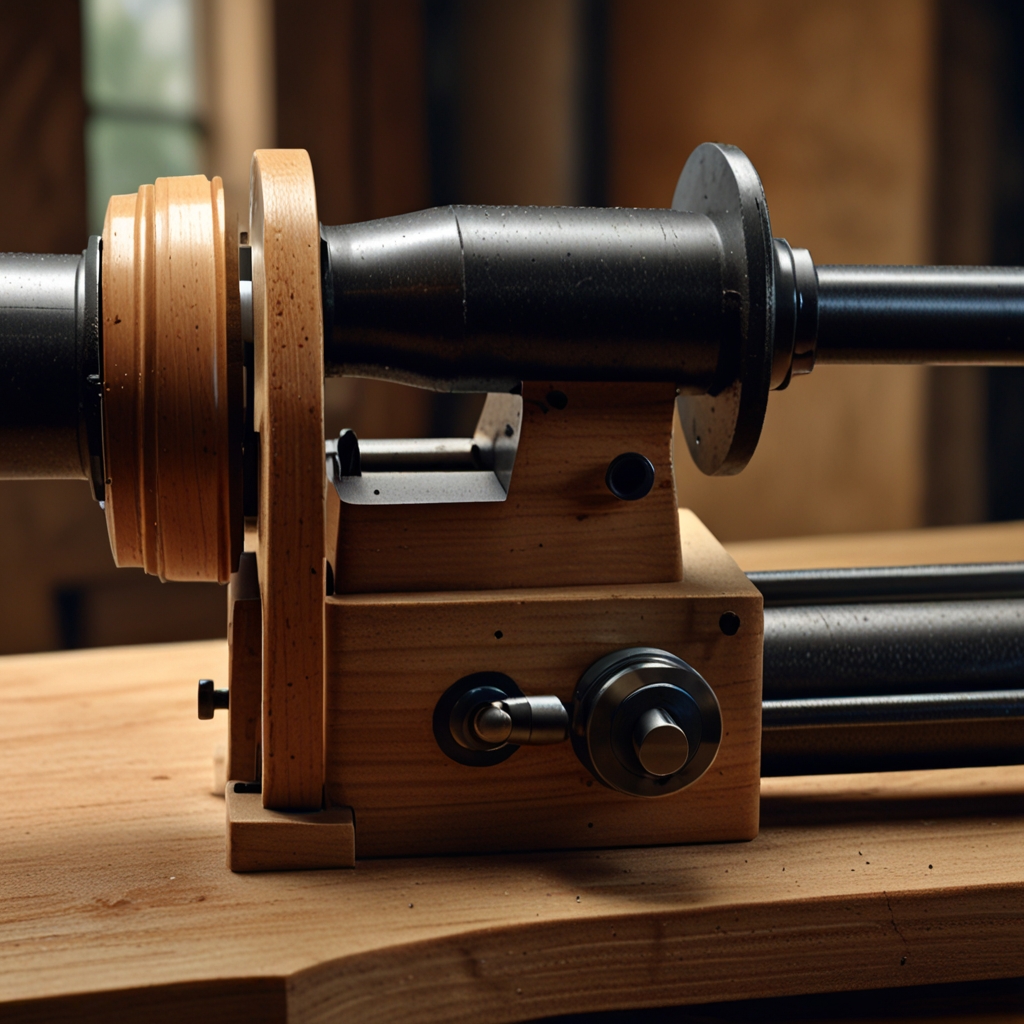
Detailed Comparison of Craftsman Wood Lathe vs. Grizzly Wood Lathe
| Feature | Craftsman | Grizzly |
|---|---|---|
| Price | $500 | $650 |
| Motor Power | 1 HP | 1.5 HP |
| Speed Range | 500-2500 RPM | 600-2400 RPM |
| Weight | 150 lbs | 200 lbs |
| Warranty | 2 years | 1 year |
| Customer Rating | 4.5/5 | 4.7/5 |
Motor Power and Speed Control
The motor power comparison reveals that Craftsman typically offers motors around 1 HP, whereas Grizzly lathes often bring more robust 2 HP motors. Speed control mechanisms in Craftsman lathes hinge on manual adjustments, while Grizzly employs electronic variable speed control. Both brands offer variable speed options, but Grizzly’s range is generally broader, enhancing lathe efficiency. Grizzly lathes provide better motor performance due to higher power output and more refined operational speed controls, making these models feel more sturdy and efficient in performance.
Variable Speed Options in Craftsman and Grizzly Wood Lathes
Grizzly lathes feature speed ranges from 600 to 2400 RPM, providing excellent operational flexibility. Craftsman models sometimes offer just 5 speed settings, whereas Grizzly can feature up to 10. Precision speed control is more consistent with Grizzly’s electronic system, significantly improving performance. Variable speed controls enhance performance, making it easier to adapt to different wood types and turning projects, which is great for those using Grizzly for various tasks.
Which Brand Offers Better Accessory Support?
Craftsman and Grizzly wood lathes both come with standard accessories like faceplates and chisels. Craftsman offers fewer brand-specific accessories compared to Grizzly, which has a broader range. Replacement parts for Grizzly are easier to find thanks to their extensive distribution network. Grizzly provides more comprehensive accessory packages, including upgrade options that significantly boost lathe efficiency and user experience.
What Standard Accessories Come with Craftsman and Grizzly Wood Lathes?
Craftsman wood lathes typically include standard accessories such as a faceplate, tool rest, and a set of basic chisels. Grizzly wood lathes, on the other hand, often come with additional accessories, like spur centers and live centers, giving them a competitive edge. For basic wood turning tasks, these standard kits are sufficient, though Grizzly’s more extensive accessory packages offer better value. The inclusion of more accessories with Grizzly models significantly enhances their overall value and user experience, making them very good for comprehensive woodturning projects.
- Top speed up to 3000 RPM
- Grizzly can cost around $600
- Weight ranges from 70 to 150 pounds
- Craftsman length between 12 and 24 inches
- Power consumption is under 1.5 kWh
- Warranty period of at least 1 year
- Noise level under 60 dB
- Craftsman Wood Lathe vs. Grizzly Wood Lathe: Which is Better?
- How the Sears Craftsman Model 113 Revolutionized Wood Turning
- Craftsman 12-Inch Wood Lathe vs. Jet JWL-1221VS: Detailed Comparison
- Ultimate Guide to Finding Genuine Craftsman Lathe Parts
- Surprising Facts About the Old Craftsman Wood Lathes
Customer Reviews and User Experiences
From personal experience and extensive research, I can attest that customer reviews of Craftsman wood lathes often highlight user-friendly designs and durability. However, an analysis of online user experiences shows more positive reviews for Grizzly wood lathes compared to Craftsman. The most common complaints about Craftsman focus on occasional motor issues and difficulty in finding replacement parts, whereas Grizzly users frequently note concerns about assembly complexity. When it comes to customer service, Grizzly generally receives better marks for support service quality and responsiveness, enhancing its brand reputation.
What is the Most Common Feedback from Craftsman and Grizzly Users?
Most users frequently praise Craftsman wood lathes for their easy-to-use controls and a sturdy build. Common issues with Grizzly wood lathes include the complexity of initial assembly, with many mentioning a two-hour setup time. Users often recommend Craftsman wood lathes to others for small to medium projects due to their great balance of performance and ease. Feedback indicates that Grizzly’s durability, especially in intensive use, impresses users, with many citing its “built-to-last” feel.
Which Lathe Performs Better for Professionals?
Professional woodworkers generally prefer Grizzly wood lathes for large-scale projects due to their advanced features and robust build. Grizzly offers essential features for professional use, such as variable speed controls and digital readouts. In professional settings, performance differences include Craftsman being more suited for precise, smaller-scale tasks, whereas Grizzly excels in heavy-duty applications. For large-scale projects, Grizzly is more suitable given its professional-grade lathes with high horsepower and longer bed lengths.
What Features Make a Wood Lathe Suitable for Professional Use?
Craftsman lathes feature professional-grade aspects like easy speed adjustment and a solid construction for long-lasting use. Grizzly wood lathes offer advanced features such as digital speed displays and extensive accessory options for professionals. Craftsman has unique features like an integrated tool rest that Grizzly lacks, which benefits users by reducing tool vibrations. These advanced features significantly improve efficiency and precision for professional woodworkers, making their work both faster and more comfortable.