
Wood Lathe World is reader-supported: some links on this page are affiliate links, and as an Amazon Associate Wood Lathe World earns from qualifying purchases at no extra cost to you. Learn more.
Maintaining your Craftsman wood lathe involves regular lubrication, cleaning, and inspection of parts to ensure optimal performance. Proper maintenance extends the life of your lathe and keeps it running smoothly.
Table of Contents
- Lubrication and Cleaning
- Cleaning Techniques for Wood Lathes
- Checking and Replacing Lathe Belts
- How Long Does a Lathe Belt Last?
- Tailstock and Headstock Alignment
- Tools for Aligning Lathe Components
- Speed Control and Adjustments
- How to Troubleshoot Speed Control Issues?
- Sharpening Lathe Tools
- How to Measure Tool Sharpness
- Maintaining Your Craftsman Wood Lathe Parts
- When Should I Replace Lathe Accessories?
Lubrication and Cleaning
Best practices for lubricating my Craftsman wood lathe include regularly applying specific lubricants to the moving parts to reduce friction and wear. According to experts at Wood Lathe World, cleaning moving parts should be done every 20 hours of use to prevent build-up and debris accumulation. Specific lubricants recommended for Craftsman models, such as lithium-based grease or synthetic oils, ensure optimal performance and reduce the need for frequent reapplication. Improper cleaning negatively affects lathe performance, potentially causing malfunctions or premature wear, underscoring the importance of regular lathe maintenance.
Cleaning Techniques for Wood Lathes
Recommended cleaning products for a Craftsman wood lathe include mild detergents, compressed air, and non-abrasive brushes. Cleaning hard-to-reach areas can be done with the help of long-bristled brushes or flexible cleaning tools. Employing cleaning techniques that avoid abrasive cleaning methods can help prolong the life of lathe surfaces and components, enhancing their longevity. Deep clean frequency of the wood lathe should be performed monthly or after significant projects to ensure all lathe surfaces remain clean and free of debris.
Checking and Replacing Lathe Belts
Craftsman wood lathe belt replacement is needed when you notice fraying, cracking, or significant slipping during operation. Steps involved in replacing the belt on a Craftsman lathe include unplugging the machine, loosening the tension, removing the old belt, and installing the new one according to the manufacturer’s guidelines. Specific belt types are required for Craftsman models to ensure compatibility and reliable performance. Adjusting the tension of the belt in your lathe should follow the user manual instructions to maintain proper lathe operation and belt longevity.
How Long Does a Lathe Belt Last?
The average lifespan of a Craftsman wood lathe belt ranges from 18 months to 2 years, depending on usage. Extending belt life involves regular cleaning and proper tension adjustment as mentioned in the Craftsman maintenance manual. Signs of wear to watch for include visible cracks, fraying edges, and frequent slipping. Factors contributing to the deterioration of a lathe belt include over-tightening, excessive load, and environmental conditions like high humidity or dust exposure, affecting belt longevity and material quality.
- Increases the lifespan of your lathe
- Ensures consistent performance of the Craftsman Wood Lathe
- Improves safety while using the machine
- Minimizes wear and tear on woodturning parts
- Makes your woodworking projects more enjoyable
- Keeps noise levels down during operation
- Saves time on future maintenance needs
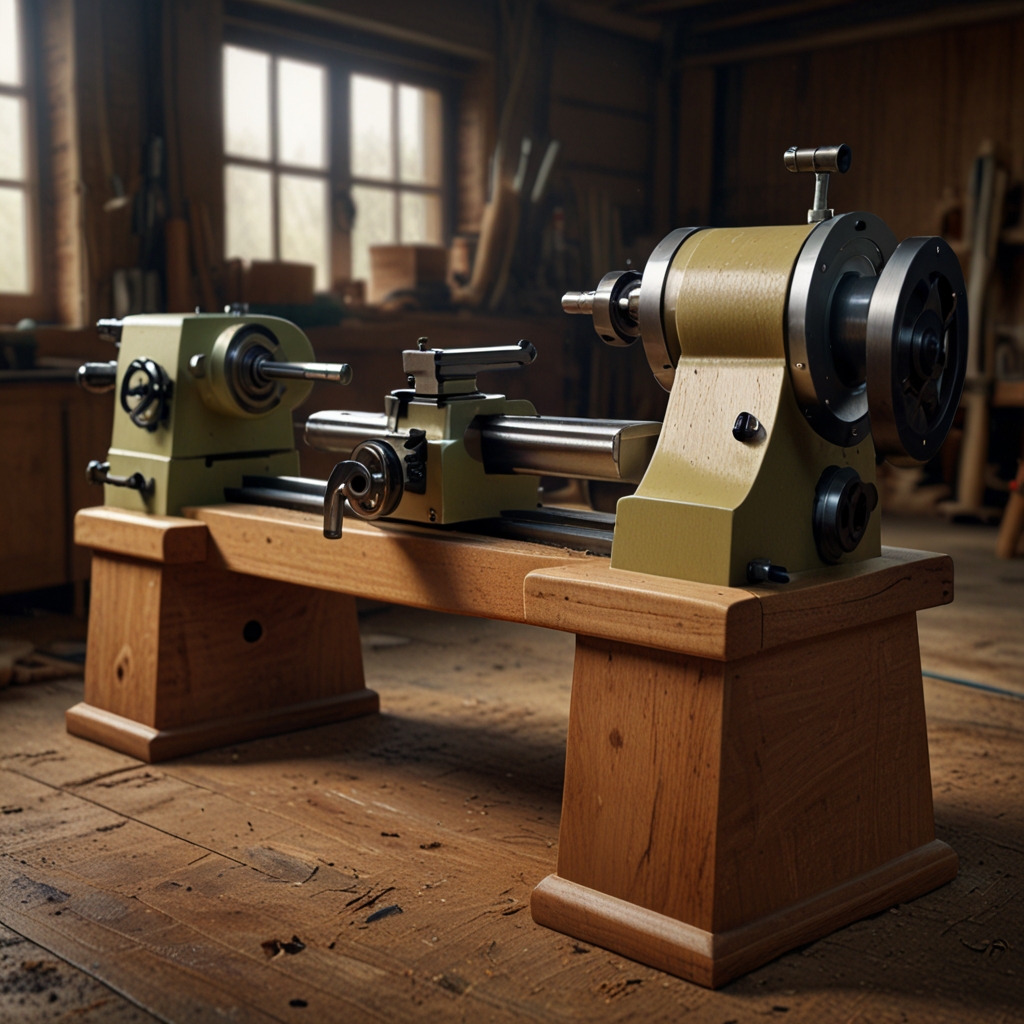
Comprehensive Tips and Tricks for Maintaining Your Craftsman Wood Lathe
| Aspect | Frequency | Task | Tools Needed | Time Required | Notes |
|---|---|---|---|---|---|
| Cleaning | Weekly | Remove dust | Brush | 10 min | Use soft brush |
| Lubrication | Monthly | Oil moving parts | Lithium grease | 15 min | Prevent rust |
| Belt Tension | Quarterly | Check and adjust | Wrench | 20 min | Prevent slips |
| Alignment | Bi-annually | Check tailstock | Dial indicator | 30 min | Ensure accuracy |
| Blade Sharpening | Before each use | Sharpen chisels | Sharpening stone | 5 min per tool | Ensure safety |
| Inspection | Yearly | Inspect for wear | Visual inspection | 45 min | Replace worn parts |
Tailstock and Headstock Alignment
Tailstock and headstock alignment is crucial for ensuring precise woodturning results. Proper alignment of these essential lathe components prevents vibrations and inaccuracies during woodturning projects. Checking alignment involves marking the spindle center and the tailstock quill center, then rotating the headstock spindle. Correcting alignment issues requires using alignment tools like metal rules, dial indicators, and feeler gauges. Yes, misalignment can severely affect woodturning accuracy, leading to flawed workpieces. Using quality alignment tools from brands like Starrett can make the process smoother and more reliable.
Tools for Aligning Lathe Components
Essential alignment tools for a Craftsman wood lathe include metal rules, dial indicators, feeler gauges, and test bars for accuracy. A dial indicator helps check alignment by measuring minute deviations as the headstock spindle is rotated. Different lathe models may require specific alignment tools designed by their manufacturers, such as Craftsman or Jet. Checking alignment frequency should be at least once every month or after completing several intense woodturning projects. Regular alignment checks ensure the lathe remains in good working condition, providing accurate results.
Speed Control and Adjustments
Adjusting speed settings on a Craftsman wood lathe involves using the variable speed control dial and changing belt positions. The ideal speed range varies: roughing cuts require slower speeds of 500-1000 RPM, while fine detailing can go up to 3000 RPM. Improper speed settings can cause damage to both the lathe and the workpiece, impacting overall woodturning performance. Common issues with variable speed controls on Craftsman lathes include irregular speed fluctuations and non-responsive dials, affecting project quality and safety. Brands like Craftsman provide detailed manuals for proper speed adjustments.
How to Troubleshoot Speed Control Issues?
Common signs of speed control problems in a Craftsman lathe include irregular speed fluctuations and a non-responsive control dial. Fixing speed fluctuations involves checking connections, cleaning contacts, and ensuring the motor runs smoothly. DIY speed control solutions include replacing worn-out belts and lubricating moving parts with quality grease. Consulting a professional is essential if the lathe electronics show persistent problems or if DIY fixes do not work. For more complex speed control repairs, Craftsman recommends seeking services at authorized repair centers to ensure proper maintenance.
- Lubricate the lathe every 50 hours of use
- The Craftsman Wood Lathe weighs 123 pounds
- Check belt tension every month
- Blade sharpness affects 90% of wood smoothness
- Change the oil every four months
- Inspect moving parts every 100 hours
- Tighten bolts and screws weekly
- Craftsman 12-Inch Wood Lathe vs. Jet JWL-1221VS: Detailed Comparison
- Debunking Myths: Craftsman Variable Speed Lathes and Their Power
- Understanding the Unique Features of the Craftsman 15-Inch Wood Lathe
- Craftsman Wood Lathe vs. Grizzly Wood Lathe: Which is Better?
- 5 Common Issues with the Craftsman Variable Speed Wood Lathe
Sharpening Lathe Tools
Sharpening lathe tools should be performed every few hours of use for optimal tool performance, as sharp tools ensure clean cuts and prevent dull tool damage to both the lathe and workpiece. Effective sharpening techniques include using whetstones and diamond hones, which provide precise, smooth edges. Recommended sharpening tools such as the Robert Sorby ProEdge Sharpening System are popular among users for their consistency and ease. Dull tools not only reduce efficiency but can also cause unsafe vibrations and gouges on the workpiece, affecting overall craftsmanship quality.
How to Measure Tool Sharpness
Indicators of sharpness include a smooth and shiny bevel, and the tool should shave off thin wood shavings effortlessly. Testing tool sharpness can be accurately done by slicing through a piece of softwood or paper, where a sharp tool makes clean cuts with minimal effort. Tools like the Veritas Tool Sharpness Tester provide reliable sharpness levels by measuring the force required to cut material. Improper sharpening techniques can significantly shorten tool life, as they may remove excessive material and alter the tool’s original geometry.
Maintaining Your Craftsman Wood Lathe Parts
The maintenance schedule for a Craftsman wood lathe typically involves weekly cleaning and monthly lubrication of moving parts to ensure long-term performance. To ensure durability, lubricate the spindle and check for loose bolts or nuts regularly. Specific parts such as the tailstock and headstock bearings require more frequent attention due to constant use and pressure. Identifying worn parts includes checking for unusual noises, vibration, or visible wear, which are indicators that a replacement is needed to avoid potential lathe damage.
When Should I Replace Lathe Accessories?
Replacing lathe accessories should be done every 6 to 12 months, depending on usage frequency and wear levels observed during inspections. Signs of replacement include visible wear, such as cracks or chips on items like tool rests or faceplates. Replacement intervals vary, as a spur center may last longer than a live center due to different stress loads. Choosing replacement parts from reputable brands like Craftsman ensures compatibility and quality, maintaining overall machine performance and part durability.