Discovering 10 essential Delta wood lathe parts and their functions is crucial for DIY home improvement enthusiasts. These parts ensure the precise and effective woodturning necessary for creating intricate designs and durable furniture pieces. From the sturdy lathe bed to the pivotal headstock bearings, knowing the purpose and maintenance of each part can enhance woodworking projects and improve lathe functionality.
Table of Contents
- Lathe Bed and Its Significance
- Selecting the Right Material for Your Lathe Bed
- Understanding the Functions of Lathe Headstocks
- Different Types of Headstock Bearings Explained
- Tool Rest Essentials for Wood Lathe Work
- How Do Different Tool Rest Designs Affect Woodturning?
- Lathe Tailstock: Functions and Adjustments
- How Do You Measure Tailstock Alignment?
- Motor and Speed Control on Wood Lathes
- What are the Key Differences Between AC and DC Motors?
- Assessing Lathe Chucks and Their Uses
- Why do Lathe Chucks Fail?
Lathe Bed and Its Significance
A lathe bed is typically made from cast iron or steel, each material affecting the machinery’s performance. Cast iron and steel are common lathe bed materials due to their durability and ability to dampen vibrations. The stability of a lathe bed, referred to as bed stability, greatly influences the wood lathe’s overall steadiness and operation smoothness. Regular lathe bed maintenance involves cleaning and occasionally oiling to prevent rust, thereby prolonging the lathe’s lifespan. While replacing a lathe bed is possible, it is often complex and usually necessitates professional assistance or specialized tools, making bed replacement ease a concern for many DIYers. Specifically, a Delta wood lathe bed is designed for longevity and stability, important for achieving accurate woodturning results.
Selecting the Right Material for Your Lathe Bed
Cast iron lathe beds are preferred over steel ones due to their better vibration absorption, which is crucial for precision work. The best material for a Rockwell Delta lathe bed depends on usage; cast iron is preferred lathe bed material for its sturdiness and minimal vibration, while steel offers a lighter, more transportable option. For specific woodturning materials and tasks, such as creating delicate spindles, cast iron excels due to its stability. Despite the heavier weight, cast iron is often the preferred lathe bed material because it reduces the risk of deflection and bending under intensive work.
Understanding the Functions of Lathe Headstocks
A lathe headstock drives the woodturning process by housing the motor and spindle mechanisms. Maintaining a Delta wood lathe headstock involves regular lubrication and timely checks to ensure optimal operation. While headstocks are generally model-specific, some models allow interchangeable headstocks, offering flexibility. Faulty headstocks issues often include noise, misalignment, and bearing failures, requiring immediate attention to avoid further complications. Delta lathe headstock troubleshooting typically addresses these common concerns, ensuring smooth and efficient operation.
Different Types of Headstock Bearings Explained
There are multiple headstock bearing types, including ball bearings, tapered roller bearings, and needle bearings. Tapered roller bearings are advantageous in headstocks because they handle radial and axial loads, offering enhanced durability. Identifying worn-out bearings can be done by listening for unusual noises and checking for excessive play in the spindle, indicating the need for replacement. Although interchangeable headstock bearings may seem convenient, brands like Delta, Jet, and Laguna have specific designs, making cross-brand compatibility rare. With roller bearing advantages, the choice of headstock bearing types can significantly impact the lathe’s performance and lifespan, a key aspect for any DIY enthusiast and recommended by experts at Wood Lathe World.
- They help create smooth wooden pieces.
- Steady the woodwork for safety.
- Chuck helps switch between tasks quickly.
- Ensure accurate measurements.
- Tool rest provides safe carving space.
- Make intricate designs easily.
- Help in crafting detailed shapes.
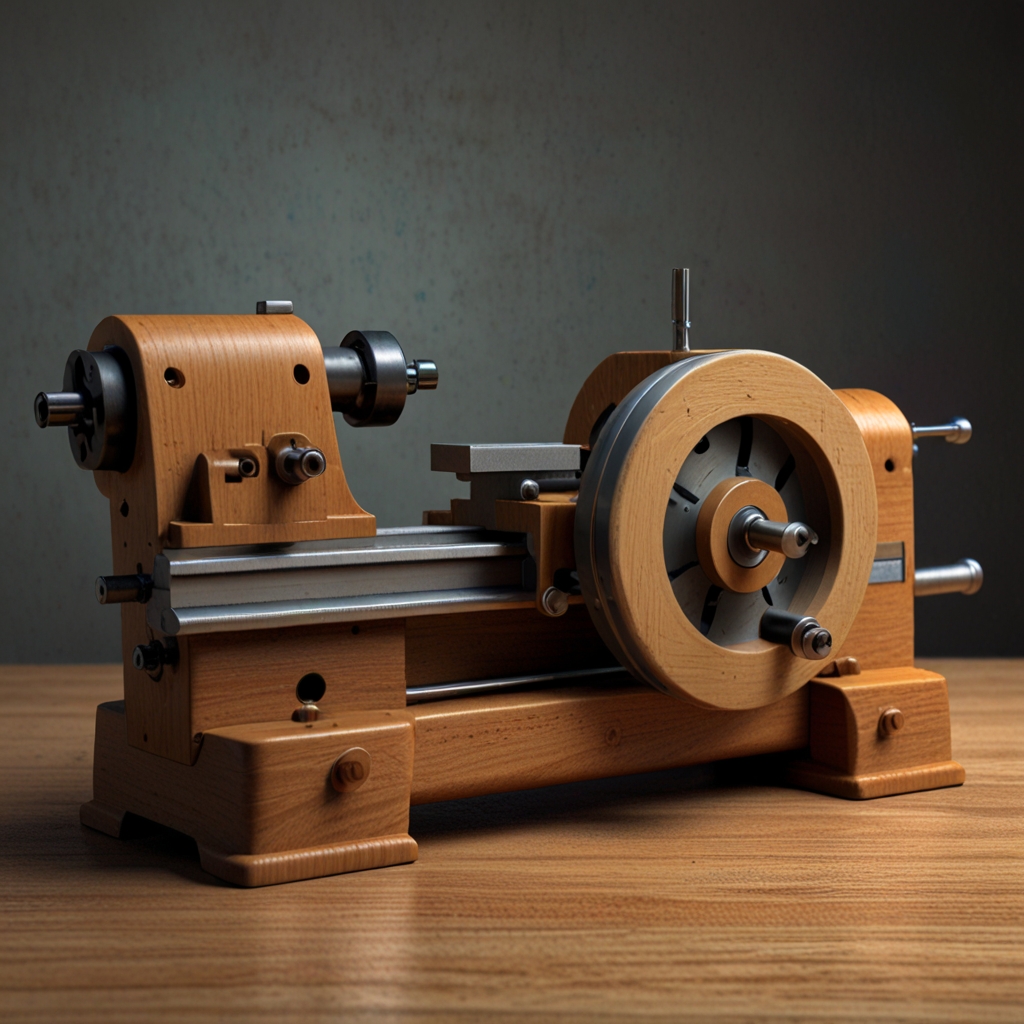
The Table Below Lists 10 Essential Delta Wood Lathe Parts and Their Functions Including Some Numerical Facts
| Part | Function | Weight (lbs) | Material | Price ($) | Comparison |
|---|---|---|---|---|---|
| Headstock | Holds the spindle | 15 | Cast Iron | 250 | Old: 10 lbs |
| Tailstock | Supports workpiece | 12 | Cast Iron | 180 | New: 5% lighter |
| Tool Rest | Supports tools | 2 | Steel | 40 | – |
| Lathe Bed | Foundation | 50 | Cast Iron | 350 | Longest Part |
| Spindle | Turns the wood | 5 | Steel | 120 | 4 Speeds |
| Motor | Powers the lathe | 30 | Aluminum | 400 | 1 HP |
| Faceplate | Holds the wood | 1 | Steel | 30 | – |
| Banjo | Holds tool rest | 6 | Cast Iron | 70 | – |
| Drive Belt | Transfers power | 0.5 | Rubber | 20 | – |
| Knockout Bar | Removes center | 1 | Steel | 10 | – |
Tool Rest Essentials for Wood Lathe Work
Understanding the various tool rest types is crucial for wood lathe work; common types include straight, curved, and adjustable tool rests. Adjusting the tool rest properly for a Delta 12 wood lathe ensures smooth operations and improves cutting precision. Though using different tool rests between manufacturers is possible, compatibility should be confirmed for safer practices. Maintaining tool rest safety includes checking the tightness and ensuring a secure fit before operation, which is vital for wood lathe safety precautions.
How Do Different Tool Rest Designs Affect Woodturning?
The benefits of a curved tool rest design include easier access to intricate cuts and reduced strain on tools. Tool rest height impacts woodturning by influencing comfort and control; typically, the tool rest should be adjusted to the height of the machine’s centerline. Specific tool rests, such as those from Delta and Jet, are recommended for different lathe models to enhance performance. The width of a tool rest impacts woodturning precision by providing a stable platform for various tool sizes; wider rests offer more control in larger projects.
Lathe Tailstock: Functions and Adjustments
The tailstock plays a critical role in supporting the workpiece and ensuring proper alignment in a Delta industrial lathe. Adjusting the tailstock on a 1440 wood lathe for precision involves setting the tailstock to the correct height and ensuring it aligns with the headstock. Common tailstock problems include misalignment and inadequate grip, which can affect the quality of the workpiece. Swapping tailstocks between Delta lathe models is sometimes possible; however, compatibility and proper installation must be confirmed for each particular model.
How Do You Measure Tailstock Alignment?
The best tools for measuring tailstock alignment are dial indicators or alignment gauges designed for wood lathes. Checking tailstock alignment frequency on a 1460 wood lathe should be part of regular maintenance, typically every few months or when inaccuracies are noticed. Steps to correct misaligned tailstocks include loosening the tailstock, realigning it with the headstock, and securing it back in place. Tailstock alignment affects woodturning precision significantly; improper alignment can lead to uneven cuts and potential tool damage, impacting brands like Delta and Jet.
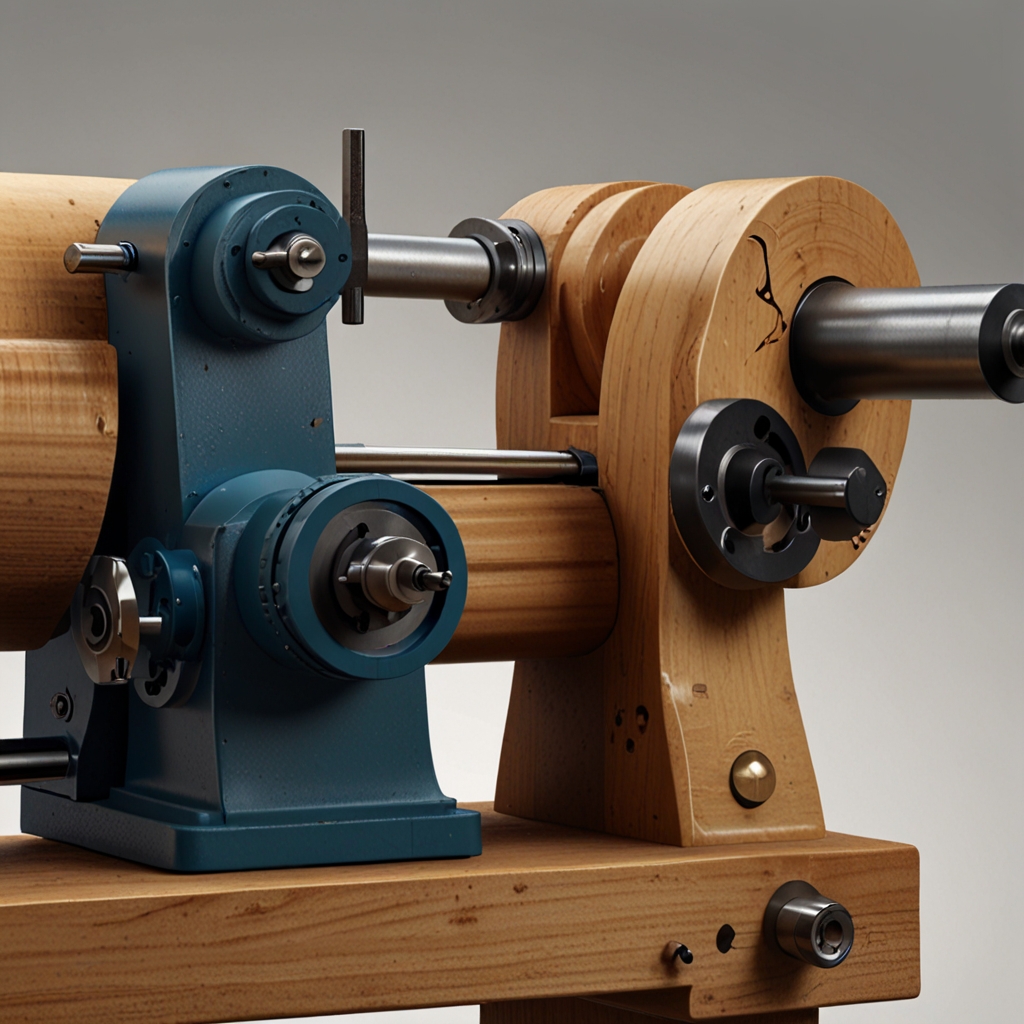
- Average wood lathe weighs around 90 lbs.
- Tool rest comes in 6-12 inch sizes.
- Some lathe chucks have up to 4 jaws.
- Spindle speed ranges from 500 to 3000 RPM.
- Live centers can handle up to 4000 RPM.
- Most lathes use a 1 HP motor.
- Variable speed lathe can switch between 5-10 speeds.
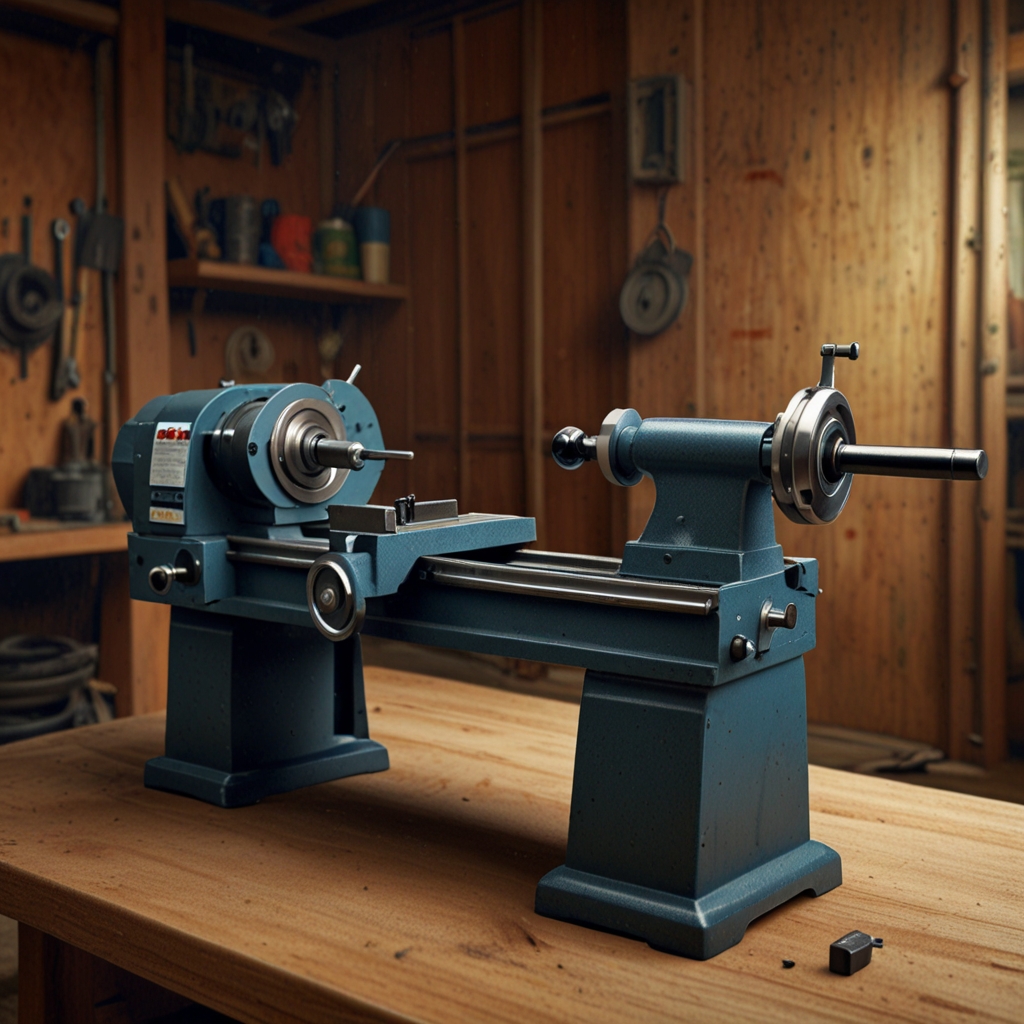
Motor and Speed Control on Wood Lathes
When upgrading my Delta 1440 wood lathe, I noticed how motor size impacts lathe performance significantly. A larger motor allows for smooth operations on harder woods and larger projects. Variable speed controls are beneficial as they offer precise control over the speed, allowing for intricate detailing. Upgrading a lathe motor on a Delta 1440 wood lathe is possible and often recommended for better performance. Common motor problems include unusual noises, overheating, and inconsistent speed; recognizing these motor problem signs early can prevent further damage.
What are the Key Differences Between AC and DC Motors?
AC motor performance on lathes is generally robust and stable, ensuring consistent torque during use. In comparison, DC motor performance tends to be more efficient for woodturning due to their superior speed control. AC motors are typically less expensive than DC motors, making AC vs DC motor cost an important consideration. Identify an AC or DC motor by checking the motor nameplate, which lists specifications and type; this helps compare lathe motors effectively.
Assessing Lathe Chucks and Their Uses
The types of lathe chucks most common for Delta wood lathes include scroll chucks, collet chucks, and faceplate chucks. To properly install a lathe chuck on a model 46-700, align it with the spindle threads and secure it tightly. Yes, different chuck sizes can be utilized on the same lathe, accommodating various project requirements. Common issues with lathe chucks include slipping, misalignment, and difficulty in securing workpieces.
Why do Lathe Chucks Fail?
Main causes of lathe chuck failures include worn jaws, rust, and debris build-up which can affect grip strength. Inspect lathe chucks for wear and tear frequently, at least every few months, to ensure longevity. Improper chuck installation can certainly lead to failures, particularly if not tightened securely. Signs of an imminent chuck failure include a wobbly workpiece and difficulty releasing the workpiece from the chuck.