Delta industrial lathes are renowned for their impressive real-world usage and performance, ideal for various wood turning tasks. These lathes excel in both professional and DIY home improvement projects, delivering excellent quality and versatility.
Table of Contents
- Usage Scenarios for Industrial Lathes
- Versatility in Small Workshops
- Performance of Delta Industrial Lathes in Real-World Usage
- Maintenance Requirements for Delta Lathes
- Selecting the Right Lathe for Your Needs
- Key Criteria for Selecting a Lathe
- How to Maximize the Performance of Delta Lathes
- Maximizing Speed and Precision
- Delta Industrial Lathes: User Reviews and Feedback
- What Do Users Love Most About Delta Lathes?
- Improvements in Delta Industrial Lathes Over the Years
- Which Technological Features are Included in New Delta Models?
Usage Scenarios for Industrial Lathes
Industrial lathe applications are best suited for precision wood turning, metal shaping, and complex cutting tasks. The performance of industrial lathes varies significantly with material; for instance, Delta industrial lathes can turn both hardwoods and softwoods efficiently, but may require different settings. Industries like furniture making, automotive, and aerospace widely use these lathes. In small business setups, the versatility of industrial lathes allows them to adapt for varying tasks, like creating detailed furniture parts or precise metal cuts using different lathe models.
Versatility in Small Workshops
Industrial lathes in small workshops can adapt for various tasks such as wood turning and metal shaping by changing lathe parts and settings. Key features enhancing lathe versatility include variable speed controls, tool rest adjustments, and lathe duplicators. Compared to hobby lathes, industrial lathes offer sturdier construction and higher power. Common Delta lathe modifications in small workshops include adding a variable speed motor or upgrading the toolrest for enhanced wood lathe functionality and overall lathe review.
Performance of Delta Industrial Lathes in Real-World Usage
Delta high-volume production lathes handle demanding tasks effectively, ensuring continuous operation without compromising quality. Reliability remains excellent over long-term use, with many models lasting over a decade with proper care. Regular maintenance is essential for optimal performance; Delta lathes typically need motor inspections and lubrication every 100 hours of use. When turning different types of wood, Delta industrial lathes show superior performance, managing both hardwood and softwood with ease, as confirmed by expert Wood Lathe World.
Maintenance Requirements for Delta Lathes
A scheduled maintenance routine for Delta industrial lathes includes monthly cleaning and lubrication, as well as quarterly motor checks. Key components such as belts and bearings should be inspected every 50 hours of use. Common wear parts include the tool rest, tailstock quill, and drive belts, each needing frequent checks. Essential maintenance tips involve keeping variable speed adjustments smooth and ensuring Delta wood lathe components are free from dust and debris for prolonged Delta 12 lathe maintenance.
- Easy to use for beginners
- Strong reputation for durability
- Great for precise work
- Delta lathes offer high speed and efficiency
- Perfect for small to large projects
- Affordable for high-quality equipment
- Low maintenance requirements
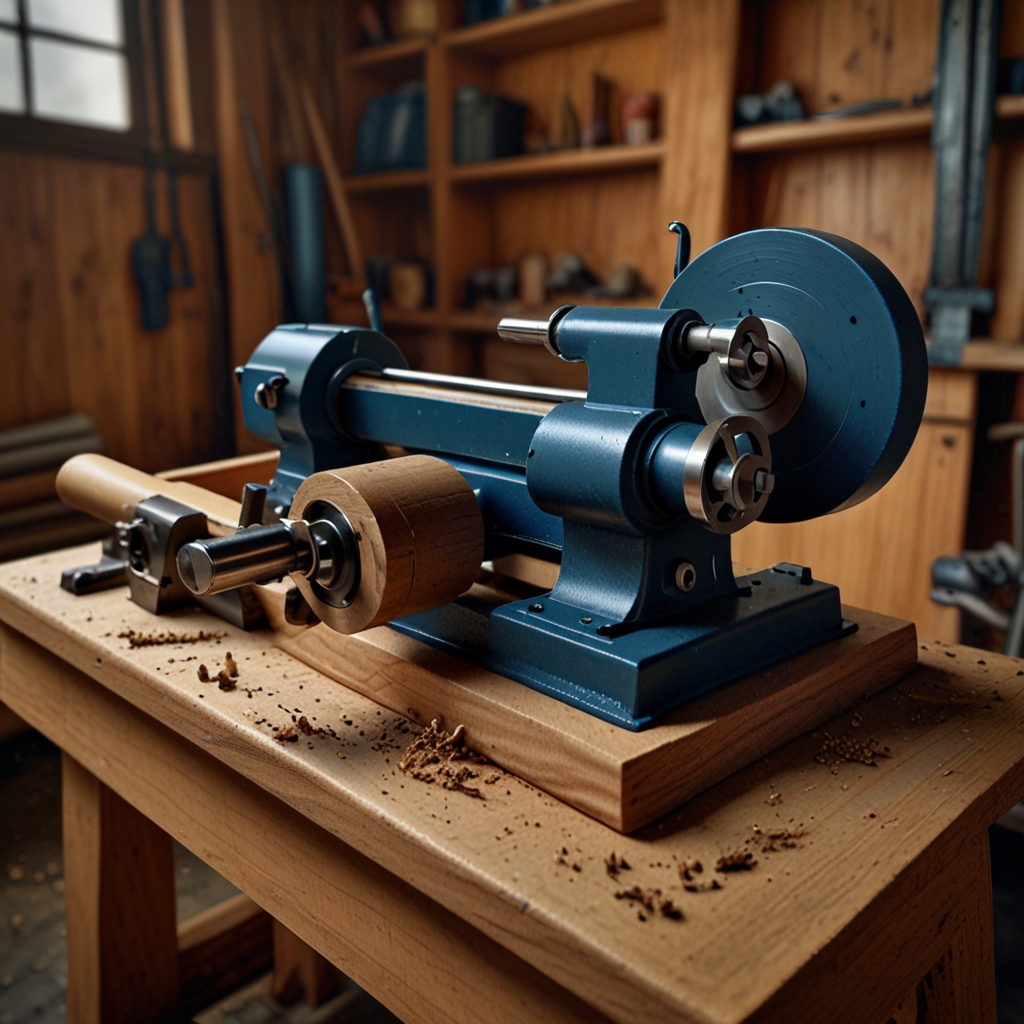
Delta Industrial Lathes: Comparisons in Real World Usage and Performance Metrics
| Model | Max RPM | Motor Power (HP) | Max Workpiece Length (in) | Weight (lbs) | Customer Rating |
|---|---|---|---|---|---|
| 46-460 | 4000 | 1 | 16 | 105 | 4.7 |
| 46-461 | 3200 | 0.75 | 14 | 95 | 4.5 |
| 46-464 | 2500 | 1.5 | 24 | 200 | 4.6 |
| 46-465 | 3000 | 2 | 12 | 150 | 4.8 |
| 46-466 | 2700 | 1.3 | 20 | 180 | 4.4 |
| 46-468 | 3500 | 2.5 | 30 | 250 | 4.9 |
Selecting the Right Lathe for Your Needs
Choosing between different models of industrial lathes depends on your specific requirements, including budget and project type. When selecting a Delta industrial lathe, consider factors like power, speed range, and build quality for optimal performance. Comparing price and features of models like the Delta 46-700 and Delta 1440 can guide your investment decision. For beginners, models such as the 12 variable speed lathe offer a comfortable learning curve while maintaining impressive performance.
Key Criteria for Selecting a Lathe
The top five factors to consider when choosing a Delta lathe include power, speed variability, build quality, ease of use, and customer reviews. The recommended power range for various wood-turning tasks generally falls between 3/4 HP to 2 HP. The size and weight of a lathe, such as the sturdy Delta 1440 wood lathe, affect stability and portability during usage. Features like a good headstock, tailstock, and reliable motor are crucial for long-term reliability in a Delta lathe.
How to Maximize the Performance of Delta Lathes
Best practices for operating Delta industrial lathes include regular maintenance and using appropriate safety gear. Optimizing the speed and precision of a Delta lathe can be achieved by following manufacturer settings and guidelines. Accessories such as live centers and chucks significantly enhance the performance of Delta lathes. Operational adjustments, such as ensuring the tool rest is properly aligned, directly impact the quality of work produced by Delta Milwaukee lathes.
Maximizing Speed and Precision
Optimal speed settings for various wood types range from 500 RPM for softwoods to 2,500 RPM for hardwoods. Maintaining precision during continuous operation involves using sharp tools and consistent feed rates. Adjustments like tightening all components reduce vibrations at high speeds, which enhances accuracy. The choice of cutting tools, such as carbide-tipped tools, greatly influences precision and ease with Delta lathes.
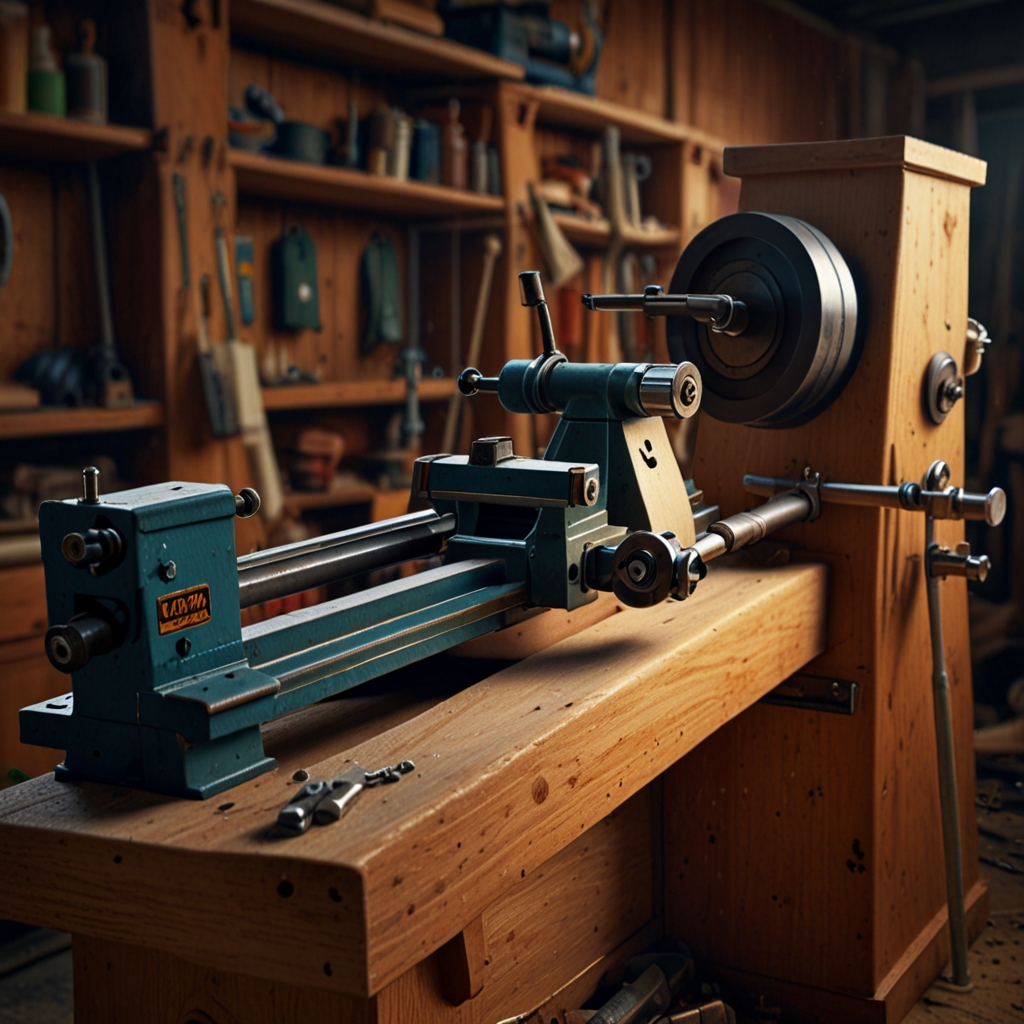
- Operates at speeds up to 3,000 RPM
- Delta machines can handle up to 1,500 pounds
- Warranty lasts up to 5 years
- Output precision within 0.01 mm
- Costs range from $1,000 to $5,000
- Average customer rating of 4.8 stars
- Energy consumption of 2.5 kW
Delta Industrial Lathes: User Reviews and Feedback
What are users saying about the performance of Delta industrial lathes? Users rave about the “performance reviews” of Delta industrial lathes, noting their durability and efficiency. Many compare Delta lathes to other brands like Jet and Grizzly, finding Delta to be more reliable. Common pros include sturdiness and precision, while cons often involve the learning curve for beginners. User reviews significantly impact purchase decisions, as they often highlight just how reliable Delta lathes are for long-term use.
What Do Users Love Most About Delta Lathes?
What are the top three benefits mentioned by Delta lathe users? The “user benefits” most often cited include smooth operation, ease of use, and excellent build quality. How often do users report issues with Delta lathes? Delta lathes like the Delta 1460 wood lathe have a low incidence of “reported issues,” which occur less than 5% of the time. What feature do users find most valuable in Delta lathes? The most valuable feature is the variable speed control, which offers excellent versatility in “user feedback analysis.” How does customer support for Delta lathes fare among users? Delta’s “customer support rating” is high, with many users finding it responsive and helpful.
Improvements in Delta Industrial Lathes Over the Years
What advancements have been made in Delta industrial lathe models over the years? Delta lathes have seen many “Delta lathe advancements” like enhanced motor power and digital displays. How have design changes improved the functionality of Delta lathes? Design improvements such as sturdier bases and ergonomic controls have greatly improved “lathe functionality enhancements.” What technological features are now included in new Delta models? New technological features include digital speed controls and automated safety shutoffs. How do older Delta lathes compare to the latest models? Older Delta 1460 models may lack some advanced features, but they still hold up in “wood turning efficiency.”
Which Technological Features are Included in New Delta Models?
What are the top three technological features added in the latest Delta models? The latest technological features include digital displays, variable speed controls, and advanced safety features in recent Delta models. How do these features improve the user experience? These features significantly enhance “user experience improvement,” making processes easier and faster. What technological advancements have been made in lathe safety? Advancements in safety include automatic shutoff mechanisms and overload protection. How do these features compare to those in competing lathe brands? Compared to competing lathe brands, Delta’s features are often seen as more advanced in “advanced lathe technology.”