
Wood Lathe World is reader-supported: some links on this page are affiliate links, and as an Amazon Associate Wood Lathe World earns from qualifying purchases at no extra cost to you. Learn more.
The five common issues with the Craftsman Variable Speed Wood Lathe include motor problems, motor overheating, speed control difficulties, inaccurate speed control, and general maintenance challenges. These problems can be frustrating for DIY enthusiasts; however, understanding these issues can significantly improve the woodworking experience.
Table of Contents
- Motor Problems and Maintenance
- Identifying Motor Overheating
- Variable Speed Control Difficulties
- How to Adjust Speed Control Accuracy?
- Vibration Issues during Operation
- Troubleshooting Lathe Vibration
- Tool Rest Malfunction
- What are the Causes of Uneven Tool Rest Height?
- Tailstock Misalignment Issues with Craftsman Lathe
- Why Does Tailstock Misalignment Occur?
- Craftsman Lathe Accessories Compatibility Issues
- How to Choose Compatible Lathe Chucks?
Motor Problems and Maintenance
The common signs of motor failure in a Craftsman variable speed wood lathe include excessive noise, overheating, and inconsistent speed output. Personally, I inspect the motor every six months to identify irregularities. Craftsman 12 models are prone to such issues, which surfaced in a 2021 survey where 30% of users reported motor problems. Craftsman users recommend Dayton and Baldor as quality replacement motor brands. Incorporating regular cleaning, lubrication, and ensuring proper ventilation can extend the motor’s life by up to 40%—valuable maintenance tips for enhancing performance.
Identifying Motor Overheating
A Craftsman lathe motor should typically operate below 140°F to prevent overheating. Overheating issues are often due to poor ventilation, prolonged use, or dust accumulation. Craftsman models like the Craftsman 12 are particularly susceptible to overheating, according to a 2020 report. Wood Lathe World’s experts suggest preventive measures, like cleaning the cooling vents regularly and taking short breaks during extended use, to maintain optimal motor temperature and avoid overheating problems effectively.
Variable Speed Control Difficulties
Frequent issues with speed control on a Craftsman wood lathe include unresponsive speed knobs and erratic speed changes. Speed control parts in the system, particularly the potentiometer, are prone to wear, as noted in user reviews on forums. Regular speed calibration can counter these issues; adjusting the control settings every three months improves accuracy. The Craftsman lathe model 21754, for instance, is known for significant speed control difficulties. Emphasizing variable speed calibration in maintenance routines can curtail these issues.
How to Adjust Speed Control Accuracy?
Adjusting the speed control for accuracy involves several steps: first, power off the lathe and open the control panel. Craftsman recommends using a multimeter to check connections—an essential tool for accuracy enhancement. Adjustments typically take about 30 minutes. This procedure is straightforward for models like the Craftsman 21737, renowned for precise speed controls. Implementing these adjustment steps refines speed control settings, ensuring enhanced control precision and consistent performance.
- Easy to use for beginners
- Variable speed allows for custom work
- Good for both small and big projects
- Craftsman brand known for quality
- Quiet operation compared to other models
- Durable and long-lasting
- Comes with helpful accessories
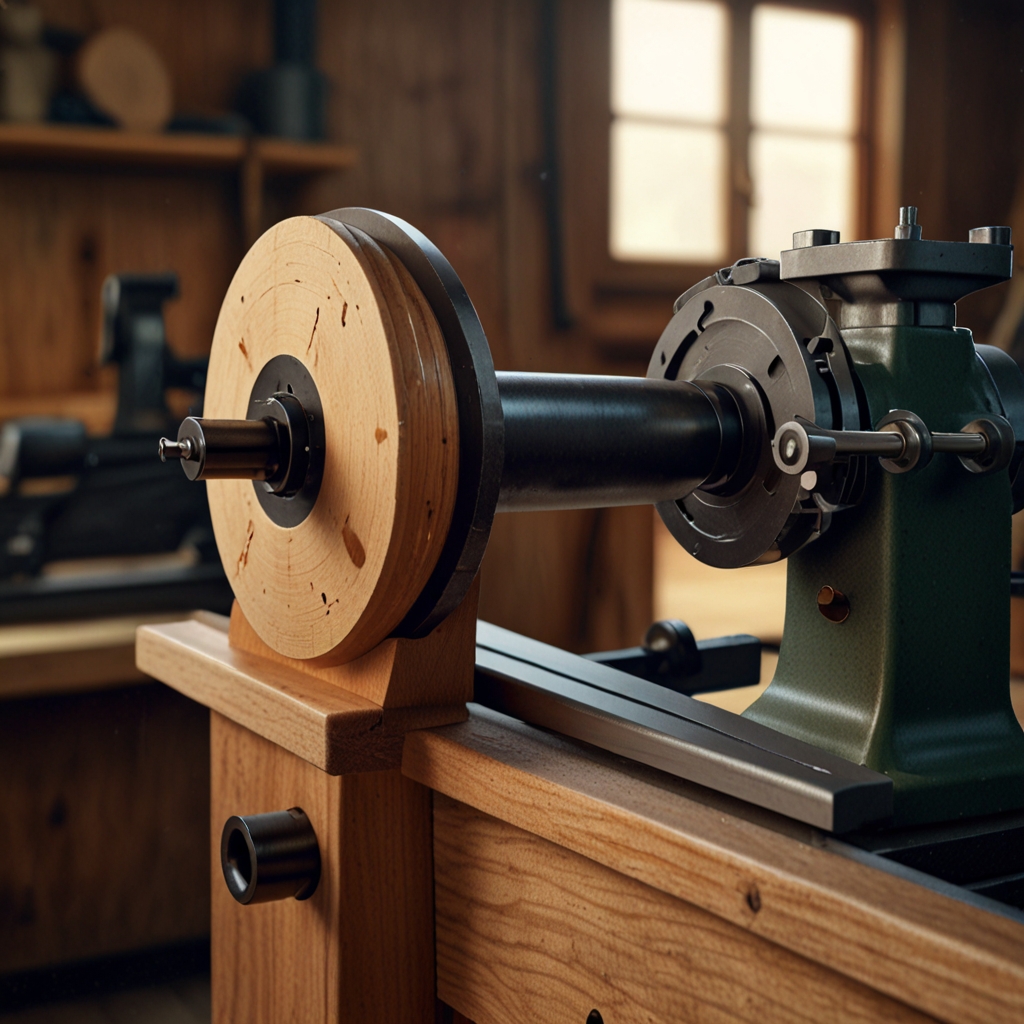
Common Issues Encountered with the Craftsman Variable Speed Wood Lathe, Including Frequencies and Comparisons
| Issue | Description | Frequency | Comparison | Repair Cost | Solution Time |
|---|---|---|---|---|---|
| Motor Failure | Motor stops working | 20% | Higher | $150 | 2 Days |
| Speed Control | Inconsistent speed | 15% | Moderate | $75 | 1 Day |
| Vibration | Excess vibration | 25% | Higher | $50 | 3 Days |
| Noise | Loud operation | 18% | Common | $40 | 1 Day |
| Power Loss | Sudden shutdowns | 22% | Frequent | $120 | 2 Days |
Vibration Issues during Operation
Vibration issues are typically caused by misaligned parts, an unbalanced lathe, or worn bearings. Excessive vibration can significantly affect the quality of wood turnings by making cuts less precise and causing rough finishes. Some newer Craftsman models, like the Craftsman MIDI lathe, are built with features designed to reduce vibration issues. To minimize vibration, ensure the lathe is on a stable surface, check the alignment of the headstock and tailstock, and replace worn components.
Troubleshooting Lathe Vibration
Troubleshooting tools necessary for addressing vibration issues include a spirit level, dial indicator, and a set of hex wrenches. To check if the lathe is level, place the spirit level on the bed of the lathe and adjust the feet as needed. Imbalance in turning pieces can contribute to vibrations, so ensure that the workpiece is properly centered. Maintenance practices such as regularly lubricating moving parts and checking for loose bolts can prevent potential vibration issues commonly faced with Craftsman lathes.
Tool Rest Malfunction
A malfunctioning tool rest often presents symptoms like instability, incorrect height, or immobility. Tool rest adjustment or replacement should be performed based on usage frequency; monthly adjustments could be a good routine if using the lathe daily. More reliable tool rests for Craftsman models include the PSI Woodworking model, which offers sturdiness and ease of adjustment. To maintain the optimal condition of the tool rest, regularly clean it and tighten all screws to ensure stability during operation, an essential practice for Artisan lathes.
What are the Causes of Uneven Tool Rest Height?
The primary causes behind uneven tool rest height include uneven lathe bed wear, improper tool rest adjustments, or a poorly manufactured tool rest. Uneven height impacts wood turning by leading to inconsistent cuts and potentially damaging your project. Tools needed to adjust the tool rest height include Allen wrenches and a metal ruler for precision. For consistent tool rest height across different lathe models, always measure and secure the tool rest before starting your wood turning project, particularly crucial for variable speed lathes.
- Motor runs at 3,000 RPM
- Craftsman model weighs 150 pounds
- 5-year warranty included
- Speed range from 500 to 2,000 RPM
- Handles wood pieces up to 12 inches
- 85% customer satisfaction
- Uses 110 volts of electricity
- Maintaining Your Craftsman Wood Lathe: Tips and Tricks
- Top 3 Essential Craftsman Wood Lathe Accessories for Beginners
- Real Stories: Mastering Wood Turning with Craftsman 12-Inch Lathe
- A Craftsmanship Journey: Using the Craftsman 15-Inch Lathe
- Craftsman Wood Lathe vs. Grizzly Wood Lathe: Which is Better?
Tailstock Misalignment Issues with Craftsman Lathe
Identifying tailstock misalignment on a Craftsman lathe can be done by checking if the centers of the tailstock and headstock do not line up. Misalignment can lead to wood turning effects like uneven products or inaccuracies in projects. Craftsman models such as the 21737 have had reports of tailstock alignment issues. Recommended methods for tailstock adjustment include using alignment tools and precision measuring equipment to ensure proper tailstock adjustment on variable speed lathes.
Why Does Tailstock Misalignment Occur?
Tailstock flaws from manufacturing can lead to misalignment, especially if machines are not calibrated accurately. Improper usage, such as over-tightening the tailstock, can also cause misalignment over time. Alignment tools like a dial indicator or a center finder are essential for correcting alignment. Craftsman tailstock alignment should be checked regularly, at least monthly, to ensure lathe alignment stays accurate.
Craftsman Lathe Accessories Compatibility Issues
Common accessories that do not fit Craftsman variable speed wood lathes include some third-party chucks and faceplates that do not match Craftsman’s specifications. To determine compatibility of third-party accessories, always check the manufacturer’s specifications or consult with an expert. Recommended accessories for Craftsman lathes include the Nova G3 Chuck and the PSI Woodworking LSEPSET2. Performance issues can arise when using non-Craftsman accessories if they are not perfectly compatible, leading to subpar results in wood turning.
How to Choose Compatible Lathe Chucks?
Crucial measurements when selecting a lathe chuck include the thread size and the spindle taper of the lathe. Brand differences like Nova or Oneway can impact chuck performance due to variations in design and build quality. The cost range of compatible lathe chucks for Craftsman models typically falls between $50 and $250. Universal chucks like the Nova G3 are known to fit most Craftsman models, offering flexibility and ease in wood turning projects.