Many wood turners dislike CNC lathe duplicators because they feel it removes the personal touch involved in traditional woodturning. Traditional craftsmanship allows artisans to exert control and express creativity, aspects often diminished by CNC technology.
Table of Contents
- Traditional Craftsmanship Versus Modern CNC Techniques
- Artistic Integrity and Personal Touch
- Lack of Hands-On Experience with CNC Lathe Duplicators
- How Much Time Does It Take to Master a Traditional Lathe?
- Cost Implications of CNC Lathe Duplicators
- The Hidden Costs of CNC Technology
- Precision and Customizability: Why Some Prefer Traditional Methods
- Which Precision Tools Are Used in Traditional Woodturning?
- Learning Curve and Skill Development in Traditional Woodturning
- What Is the Average Time Investment in Learning Traditional Woodturning?
- Why Some Dislike CNC Lathe Duplicators for Woodturning
- What Are the Major Drawbacks of CNC Lathe Duplicators?
Traditional Craftsmanship Versus Modern CNC Techniques
Artisan wood turners prefer traditional lathes over CNC machines because traditional craftsmanship involves hands-on skills that take years to perfect. According to Wood Lathe World, the intricacy of manual woodturning, with its user control, adds a unique artistry impact that often gets lost with CNC technology. Traditional woodturning methods are valued for producing one-of-a-kind pieces. Traditional lathes offer more immediate, tactile feedback and control to the user, making each piece unique.
Artistic Integrity and Personal Touch
Using a traditional lathe enhances the personal touch in woodturning as each artisan directly shapes the material. Studies show that avoiding CNC technology can increase the artistic benefits by fostering a stronger connection between the wood and the artisan. CNC technology limits artistic expression skills, reducing opportunities for unique personal touches. Achieving the same intricacy in CNC as in traditional woodturning is challenging; traditional methods provide greater depth and detail to each piece.
Lack of Hands-On Experience with CNC Lathe Duplicators
Wood turners miss out on valuable hands-on experience when only using CNC duplicators. Manual woodturning offers a different feel; it’s more immersive and rewarding. Traditional wood lathe use develops skills like precision, patience, and attention to detail. Hands-on experience is crucial as it enhances craftsmanship and fosters a deeper understanding of the medium, much like learning to play a musical instrument.
How Much Time Does It Take to Master a Traditional Lathe?
Mastering a traditional wood lathe typically takes around 1,000 hours of practice. Proficiency in manual woodturning often requires consistent practice over months or years. Time investment ranges from six months to two years depending on the commitment level. Experts recommend dedicating daily practice sessions to hone skills in traditional wood lathes, suggesting a minimum of one hour daily to achieve a good level of proficiency.
- They save a lot of time.
- Home users can create beautiful furniture pieces without extensive training.
- They can produce very detailed and precise carvings.
- Modern CNC lathe duplicators have advanced technology aids, like Vectric and Fusion 360.
- They are great for making multiple identical items.
- They reduce the risk of manual cutting errors.
- They allow you to use designs from computer programs easily.
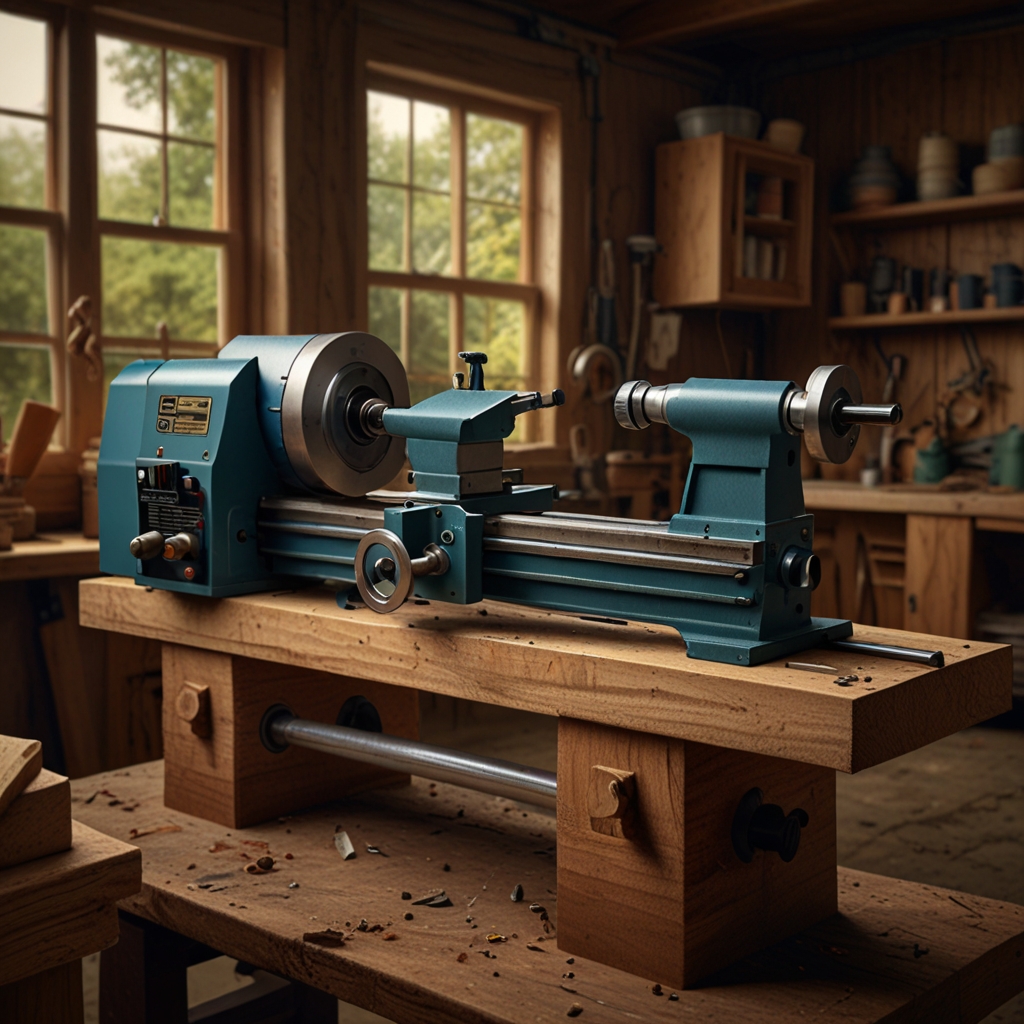
Common Reasons Why Some Wood Turners Dislike CNC Lathe Duplicators with Comparative Data
| Reason | Hand-Crafted | CNC Duplicator | Skill Development | Creativity | Production Speed |
|---|---|---|---|---|---|
| Lack of Skill Use | High | Low | Major | High | Moderate |
| Creativity Limitation | Flexible | Fixed | Moderate | Very High | Slow |
| Cost | $500-$2000 | $2000-$15000 | Low | N/A | High |
| Precision | Variable | Consistent | Low | Moderate | Fast |
| Set-up Time | Short | Long | N/A | N/A | Slow |
| Maintenance | Low | High | Very Low | N/A | Moderate |
Cost Implications of CNC Lathe Duplicators
The initial costs of purchasing a CNC wood lathe duplicator can be substantial, often starting at $3,000. Maintenance costs for CNC duplicators are generally higher than traditional lathes due to the need for specialized parts and software. While the initial investment in CNC duplicators is justified by precision and automation benefits, it can be prohibitive for hobbyists. For most hobbyists, affordability remains a significant concern when considering CNC wood lathe duplicators.
The Hidden Costs of CNC Technology
Additional costs often associated with CNC lathe duplicators include tooling, fixturing, and setup. There are ongoing expenses for software updates and licenses, sometimes requiring annual fees. CNC devices generally have higher energy costs compared to manual lathes, impacting overall expenses. Long-term financial considerations for using CNC lathe duplicators include potential replacement or upgrade costs every 5-10 years, according to industry experts.
Precision and Customizability: Why Some Prefer Traditional Methods
Traditional methods offer more customizability in woodturning because the craftsperson has direct control over every cut. Precision limitations in CNC lathe duplicators can arise due to constraints of programming and machine mechanics. The customization benefits of traditional woodturning include the ability to create varied and unique designs easily. A traditional lathe facilitates unique woodworking designs by allowing the artisan to feel and adjust the work in real-time.
Which Precision Tools Are Used in Traditional Woodturning?
The most common precision tools in traditional woodturning include gouges, chisels, and skews. These precision tools enhance the quality of traditional wood pieces by allowing intricate and detailed work. Specific brands known for their high-quality woodworking precision tools include Sorby and Crown. Precision tools play a critical role in traditional woodturning by enabling the creation of fine details and smooth finishes in wooden artifacts.

- The machines can work up to 20 times faster than hand tools.
- CNC lathe duplicators like the JET JWL-1440VSK cost around $1,400.
- Some CNC lathe duplicators can store over 100 different designs.
- Automated machines have a 95% success rate in producing exact copies.
- These machines can operate for 8-10 hours continuously.
- They can reduce wood waste by close to 30%.
- Many brands offer warranties that last for at least 2 years.
Learning Curve and Skill Development in Traditional Woodturning
In my experience, the learning curve for traditional woodturning is steep but rewarding. It often takes several months of consistent practice to become comfortable with basic techniques, as learning woodturning involves mastering skills such as spindle turning and bowl making. There are numerous educational resources, from instructional books to online videos, that greatly assist in this journey. Additionally, proficiency and skill acquisition in woodturning are greatly enhanced through mentorship, as learning from an experienced wood turner accelerates the process.
What Is the Average Time Investment in Learning Traditional Woodturning?
On average, it takes 2-5 years to become proficient in traditional woodturning. Beginners typically need to dedicate around 5-10 hours weekly to practice. Different levels of expertise in woodturning usually span from novice to master after about 15 years of dedication. Fortunately, various intensive training programs, such as those conducted by Arrowmont School of Arts and Crafts, are available for those looking to speed up their learning curve.
Why Some Dislike CNC Lathe Duplicators for Woodturning
The main reasons some wood turners avoid CNC duplicators include the loss of tactile experience and the sense of direct engagement with the material. CNC duplicators differ significantly from traditional methods, missing out on the feel of the tool interacting with wood. Common frustrations include technical glitches, software issues, and the absence of hands-on crafting. Additionally, some artists find CNC duplicators limiting in creative expression, as these machines often produce repetitive, less intricate designs.
What Are the Major Drawbacks of CNC Lathe Duplicators?
The most commonly cited disadvantages of using CNC lathe duplicators are technical complexity and high maintenance requirements. CNC duplicators fall short in artistic flexibility, as they excel in producing uniform pieces rather than unique, handcrafted designs. Frequent technical issues faced by CNC lathe users include software malfunctions and mechanical breakdowns, leading to considerable downtime. Comparing costs versus perceived benefits, many wood turners find the high initial cost of CNC lathe duplicators does not justify the limited enhancement in their creative process.