Maintaining your Sears Craftsman Wood Lathe Duplicator requires a structured approach to lubrication, cleaning, and the use of recommended tools. Regular upkeep is essential for the longevity of your lathe duplicator and ensures optimal performance.
Table of Contents
- Lubrication and Oil Maintenance
- Recommended Lubrication Frequency
- Cleaning your Lathe Duplicator
- Recommended Cleaning Tools
- Checking for Wear and Tear
- Key lathe parts that wear out
- Safety Measures for Sears Craftsman Wood Lathe Duplicator
- How to prevent lathe duplicator accidents?
- Routine Adjustments and Calibration
- What tools are required for calibration?
- Storing Your Wood Lathe Duplicator
- Are there special storage cases available?
Lubrication and Oil Maintenance
Regular lubrication of your Sears Craftsman Wood Lathe Duplicator is critical and should follow the manufacturer’s lubrication schedule closely.
You should lubricate your lathe once a month if used frequently or every 20 hours of operation. Craftsman wood lathe oil is the recommended oil type for your tool. Failure to follow the correct lathe duplicator maintenance through improper lubrication can cause severe damage. You may notice squeaking, increased friction, or reduced performance as signs of oiling need.
Recommended Lubrication Frequency
The lubrication frequency for a Sears Craftsman Wood Lathe Duplicator depends on usage but generally requires monthly attention.
After 20 hours of operation, you should oil your Craftsman wood lathe according to Sears manufacturer guidelines. Weekly lubrication is typically enough for light usage. Refer to the lathe duplicator oiling schedule in the manual for recommended intervals.
Cleaning your Lathe Duplicator
The best way to clean your Sears Craftsman wood lathe duplicator involves using specific cleaning methods and recommended tools.
Use non-abrasive cleaning agents designed for wood lathe duplicators. Rags, brushes, and compressed air can help clean hard-to-reach areas effectively. Some recommended cleaning tools include soft brushes and vacuum nozzles for a detailed cleaning process.
Recommended Cleaning Tools
Specific tools such as soft bristle brushes and vacuum attachments are best for cleaning your wood lathe.
Wood Lathe World, a well-known expert in lathe maintenance, recommends using small, precision brushes for hard-to-reach areas. Sizes ranging from 1/2 inch to 2 inches work best for varied cleaning needs. Specialized cleaning kits designed for lathe duplicators often include all necessary tools and accessories.
- Produces precise wood pieces
- Works well with Sears Craftsman equipment
- Improves efficiency in woodworking projects
- Makes duplicating shapes easy and quick
- Durable and long-lasting materials
- Simple to set up and operate
- Offers customization options
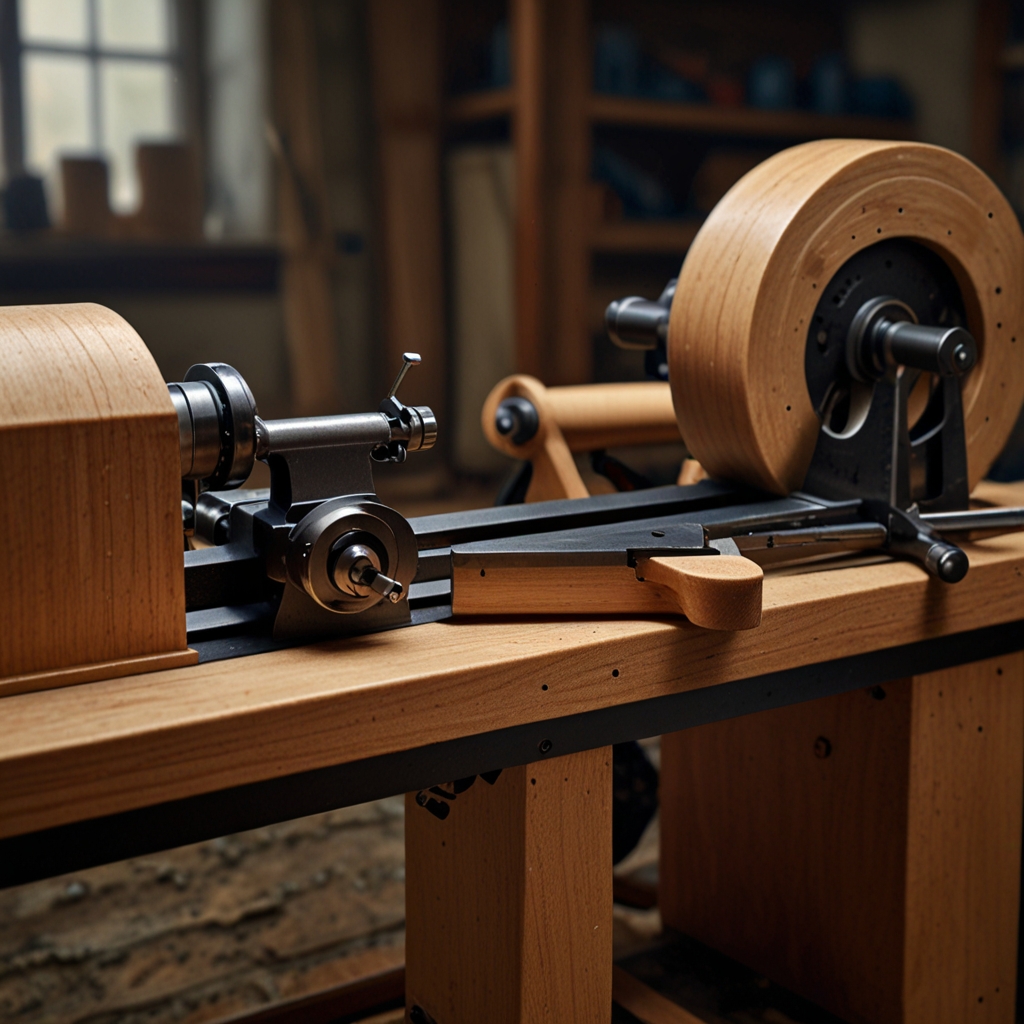
Essential Tips for Maintaining Your Sears Craftsman Wood Lathe Duplicator, Including Key Comparisons and Numerical Facts
| Tip | Tools Needed | Frequency | Effort Level | Cost | Impact |
|---|---|---|---|---|---|
| Lubricate Parts | Lubricant | Monthly | Low | $10 | High |
| Clean Debris | Brush | Weekly | Medium | $5 | Medium |
| Tighten Bolts | Wrench | Quarterly | Medium | $0 | High |
| Replace Belt | New Belt | Yearly | High | $20 | High |
| Check Alignment | Gauge | Monthly | Low | $0 | High |
| Sharpen Tools | Grinder | As Needed | High | $30 | High |
Checking for Wear and Tear
Inspect the Sears Craftsman wood lathe duplicator for wear and tear by visually examining all moving and frequently used parts. Common parts prone to wear include the belt, tailstock, and tool rest. Using worn-out parts can significantly impact lathe performance, leading to uneven turning and reduced accuracy. It’s advised to perform a thorough Sears Craftsman lathe inspection every 20 hours of use, ensuring proper wood lathe maintenance. Checking the condition and function of worn-out lathe parts regularly helps maintain optimal performance.
Key lathe parts that wear out
Frequent replacement parts on a Sears Craftsman lathe include the drive belt, tool rest, and tailstock. The average lifespan of parts like the tailstock and tool rest is approximately 200 hours of use before needing replacement. About five to six lathe parts require regular inspection, depending on the model. The user manual specifies high-wear parts like the spindle and the belt, emphasizing Sears Craftsman lathe parts care. Tailstock maintenance and tool rest longevity are critical for extending lathe life.
Safety Measures for Sears Craftsman Wood Lathe Duplicator
Wear proper safety gear, including goggles, gloves, and a face shield while using a wood lathe duplicator. Lathe duplicator safety procedures specify standing to the side when starting the machine to avoid flying debris. Ensuring a safe workspace setup involves clearing the area of obstructions and using stable seating. Common safety hazards with a wood lathe duplicator include loose clothing and entanglement, as identified in Sears Craftsman safety recommendations. Proper lathe operation safety practices help prevent accidents.
How to prevent lathe duplicator accidents?
Prevent lathe duplicator accidents by keeping work tools organized and the workspace clean. Approximately two to three common lathe accidents occur due to operator inattention and equipment failure. Follow an accident prevention checklist that includes machine maintenance, tool sharpness, and proper setup. The Sears Craftsman user manual outlines preventive safety measures tailored for wood lathe duplicator use. Avoiding lathe hazards ensures safe and efficient woodturning sessions, following Sears Craftsman preventive steps effectively.
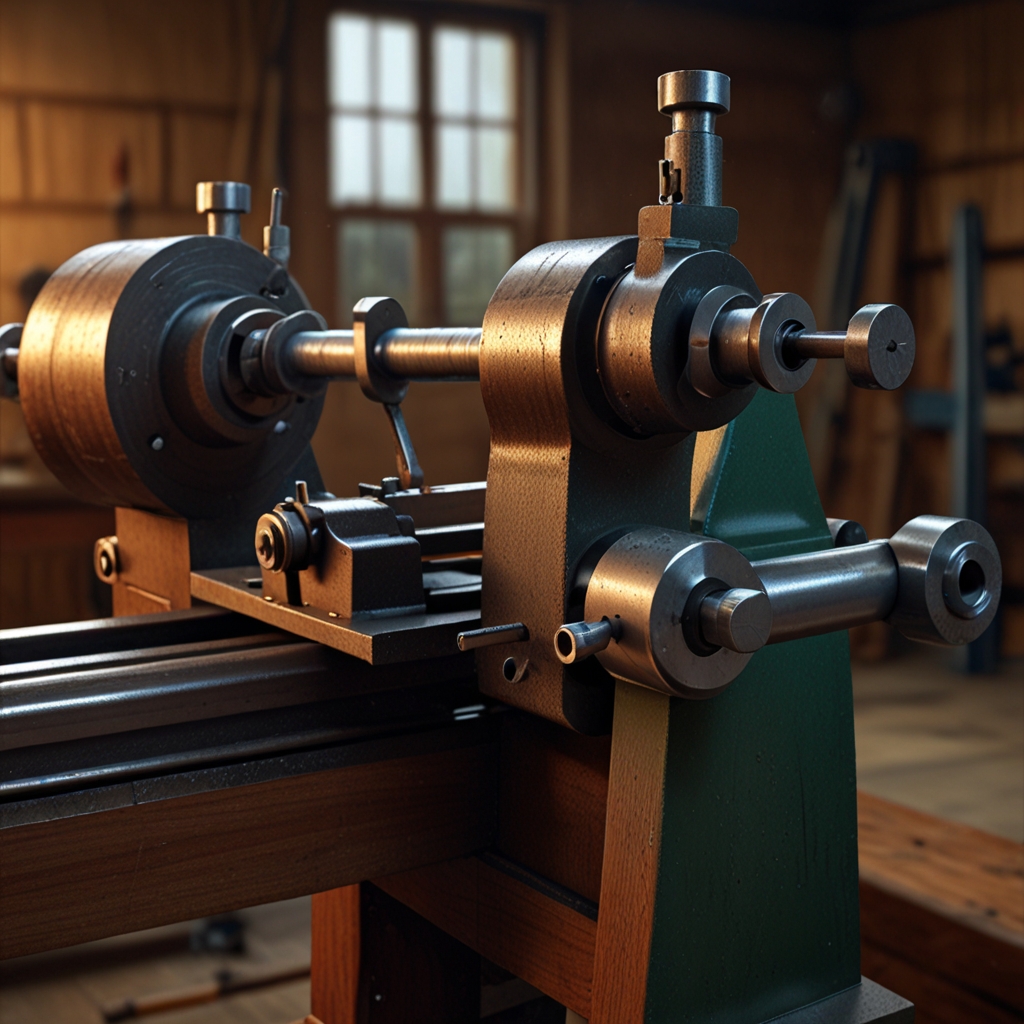
- Weighs approximately 50 pounds
- Compatible with Sears Craftsman Wood Lathe Duplicator
- Works with wood pieces up to 36 inches long
- Uses a motor with 1,500 RPM speed
- Comes with a 2-year warranty
- Electric power consumption is 120V
- Tool rest width is about 6 inches
Routine Adjustments and Calibration
Routine adjustments and calibration are essential for maintaining optimal lathe operation. Calibrating the Sears Craftsman wood lathe duplicator for best performance ensures precision in every project. Routine adjustments, such as checking the alignment and tension of belts, contribute significantly to the machine’s longevity. Improper calibration effects, like uneven finishes, can undermine duplicator functionality. A wood lathe maintenance schedule, adhered to monthly, keeps the duplicator in excellent working condition.
What tools are required for calibration?
Calibration tools for wood lathe precision include a dial indicator, feeler gauges, and a set of Allen wrenches. Typically, only three specialized calibration tools are necessary for precise calibration methods. Brands like Starrett or Mitutoyo are suggested tool brands for their quality and reliability. Commonly used size wrenches for lathe adjustments include 7/16-inch and 1/2-inch, which are practical for Sears Craftsman lathe adjustments.
Storing Your Wood Lathe Duplicator
The best storage method for a Sears Craftsman wood lathe duplicator is in a dry, clean environment. Covering the lathe duplicator when not in use helps prevent dust accumulation and rust formation. Prepping for long-term storage requires cleaning all components and applying a light coat of machine oil to metal parts. Avoiding environmental storage conditions such as high humidity or direct sunlight ensures longer durability and maintains performance.
Are there special storage cases available?
There are pre-manufactured storage cases designed specifically for lathe duplicators. At least four brands, such as Delta and Jet, offer storage cases for Craftsman lathes. The best materials for storage cases include durable plastics and metals that protect against moisture and impact. Making a homemade case for a wood lathe duplicator is possible using plywood and foam padding for custom fit and added protection.