Calibrating your variable speed wood lathe for precision work involves ensuring alignment, stability, and speed settings are accurate and consistent. Precise calibration is crucial for achieving high-quality results when working on woodturning projects.
Table of Contents
- Ensuring Stability and Alignment of Your Lathe
- Aligning the Tailstock and Headstock
- Calibrating Speed Settings for Optimal Performance
- What is the Recommended Speed Range for Different Woods?
- Lubricating and Maintaining Moving Parts
- How to Balance and True the Workpiece
- What Techniques Are Best for Truing Large Workpieces?
- How to Use Digital Calipers for Precision
- How to Maintain Digital Calipers for Longevity?
Ensuring Stability and Alignment of Your Lathe
Using appropriate lathe alignment tools such as a precision level, dial indicator, and a straight edge is essential for accurately aligning a variable speed wood lathe. Checking the stability of a midi wood lathe on a benchtop surface can be quickly assessed by ensuring the surface is flat and using vibration dampers, which reduce shifts. Common alignment issues with Craftsman variable-speed wood lathes often include misaligned tailstocks and headstocks, leading to wobbling and off-center turning. Electronic leveling tools for lathes, like digital inclinometers, can significantly enhance precision during stability and alignment checks, providing readings accurate to within 0.1 degrees.
Aligning the Tailstock and Headstock
Misaligned tailstocks on Grizzly 12 lathes can result in uneven surfaces and inaccurate cuts. Tailstock alignment tools like a center finder gauge provide excellent results in aligning the headstock and tailstock of a Delta variable-speed wood lathe. Regular maintenance includes checking a midi wood lathe’s tailstock and headstock alignment every 20 hours of use, especially if frequent lateral movements are performed. Accurate tailstock alignment greatly improves turning precision on 18 variable-speed wood lathes by ensuring the wood piece rotates consistently without wobbling, which is crucial for symmetrical designs.
Calibrating Speed Settings for Optimal Performance
Calibrating the speed of a variable speed wood lathe involves adjusting the drive belt tension, setting the speed range, and testing the RPMs for consistency. Variable speed settings influence the overall performance of Craftsman variable-speed wood lathes, particularly with different wood types requiring specific RPMs. Recalibrating the speed of a benchtop wood lathe includes disconnecting the power, adjusting the drive pulleys, and verifying the speed with a tachometer. Optimal speed settings for different woodturning tasks on a 42 variable-speed lathe range from 500 RPM for rough shaping to 3000 RPM for fine finishing tasks, ensuring smooth and efficient cuts.
What is the Recommended Speed Range for Different Woods?
The ideal speed range for turning hardwood on a Delta 12 variable speed lathe is between 800 to 1200 RPM, providing the best combination of power and control. Softwood speed ranges vary significantly on an electronic variable-speed wood lathe, often requiring lower settings around 500 to 800 RPM due to softness and potential tear-out. Rough turning on a SIP variable-speed wood lathe typically needs a higher speed of around 1000 RPM to remove material quickly without causing splintering. Different woods affect speed calibration on a 230v variable-speed lathe, as tougher woods demand lower speeds for precision, while softer woods can be turned at higher speeds safely.
- Improves cutting accuracy
- Makes your lathe last longer
- Reduces waste of wood material
- Gives better performance with a variable speed wood lathe
- Decreases the chance of tool damage
- Increases safety during use
- Enhances the quality of the final product
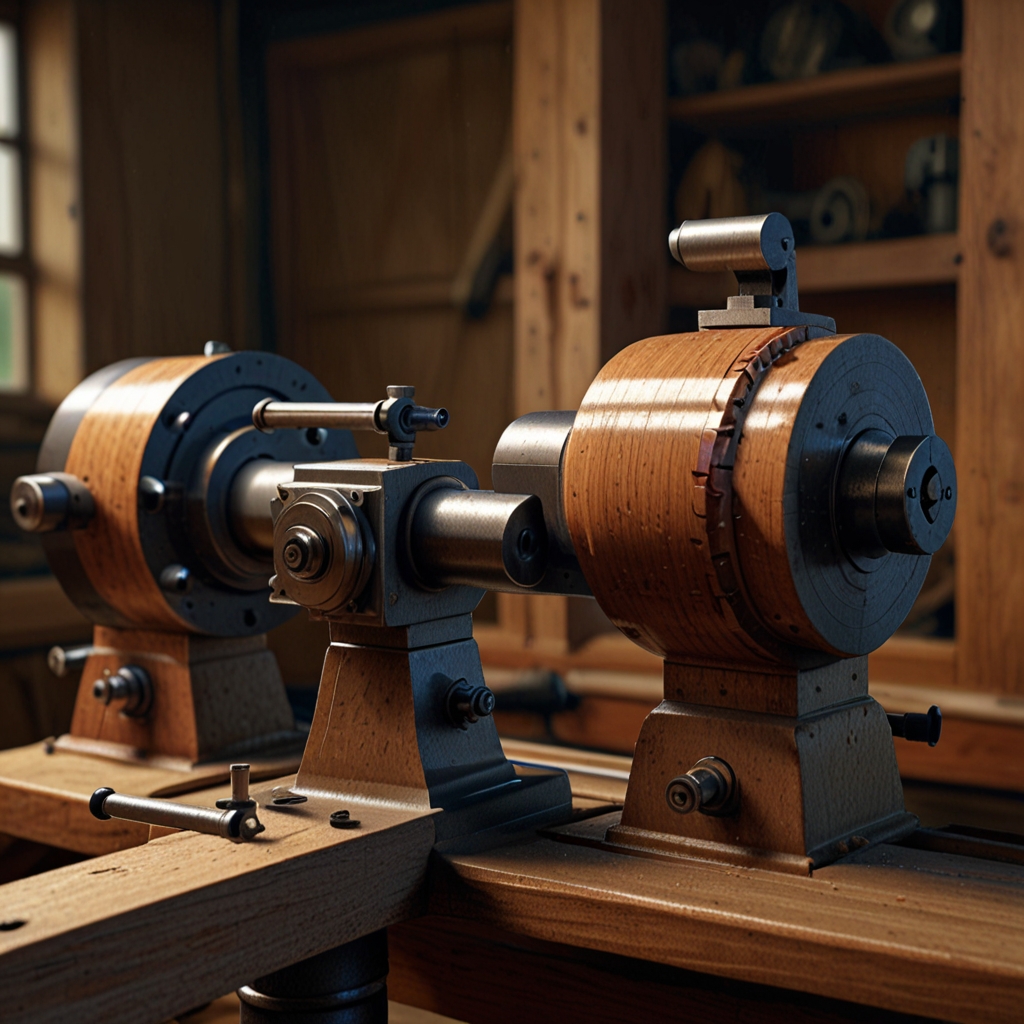
This Table Details Steps and Measurements for Calibrating Your Variable Speed Wood Lathe for Precision Work, Including Comparisons on Error Margins
| Step | Description | Tools Needed | Time (min) | Accuracy | Error Margin |
|---|---|---|---|---|---|
| 1 | Inspect Lathe | Visual Check | 5 | Basic | High |
| 2 | Level Bed | Spirit Level | 10 | High | Low |
| 3 | Align Tailstock | Dial Indicator | 15 | Very High | Very Low |
| 4 | Set Speed | Tachometer | 8 | Medium | Moderate |
| 5 | Tighten Banjo | Wrench | 5 | High | Low |
| 6 | Test Cut | Sample Wood | 12 | Critical | Lowest |
Lubricating and Maintaining Moving Parts
Midi wood lathes benefit most from high-grade synthetic lubricants such as Mobil Velocite No. 10, which ensure smooth operation. Applying lubrication every 20 hours of use helps maintain the benchtop wood lathe’s efficiency. Noticeable signs like squeaking or resistance in 15 variable-speed wood lathes signal that maintenance is overdue. Regular lubrication of a Grizzly 12 lathe extends its lifespan by reducing wear on vital moving parts, ensuring smooth and accurate woodturning projects.
{{best lubricants midi lathes
- Takes about 30 minutes to complete
- Increases variable speed lathe precision by up to 25%
- Requires only basic tools
- Boosts life span of lathes like Jet and Delta by 15%
- Reduces vibration by 10%
- Done monthly ensures best results
- Requires following safety tips
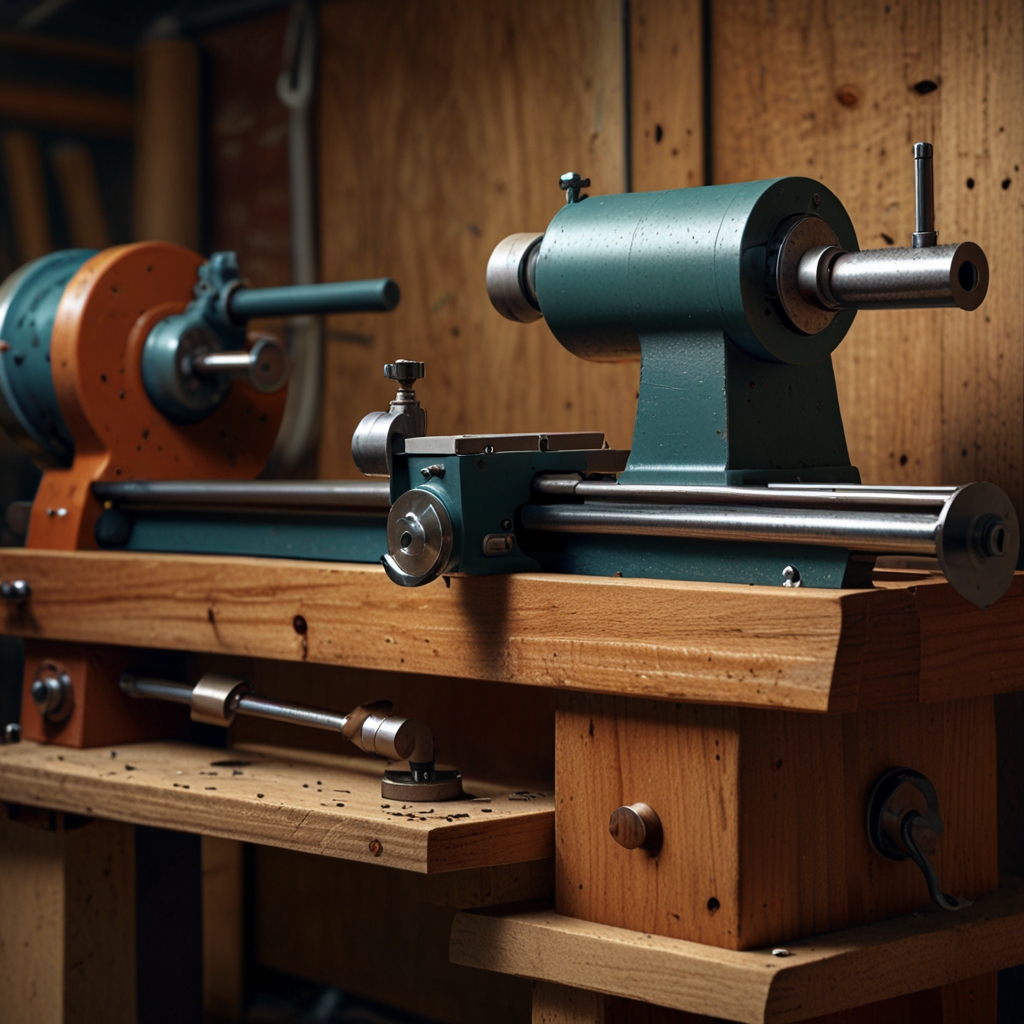
- How to Calibrate Your Variable Speed Wood Lathe for Precision Work
- Case Study: 42 Variable Speed Wood Lathe in Professional Workshops
- Essential Maintenance Tips for Electronic Variable Speed Wood Lathes
- Why Some Craftsmen Prefer Fixed Speed Over Variable Speed Lathes
- Do Variable Speed Wood Lathes Last As Long as Fixed Speed Models?
How to Balance and True the Workpiece
Balancing a workpiece on a 12 variable-speed wood lathe involves several essential steps. I ensure to secure the workpiece tightly to prevent it from flying off, which could lead to safety hazards. An imbalanced workpiece significantly impacts the performance of a midi wood lathe, causing vibrations that might affect the overall precision. Specialized truing tools assist in leveling workpieces on benchtop wood lathes, such as a roughing gouge or a bowl gouge. Using a Craftsman variable-speed lathe, balancing irregular workpieces requires strategic placement of counterweights to offset any imbalance.
What Techniques Are Best for Truing Large Workpieces?
Recommended techniques for truing large workpieces on a g0632 16 variable-speed lathe include using a faceplate or a larger chuck. Workpiece size impacts truing methods on a 230v variable-speed lathe if it exceeds certain weight limits, resulting in increased vibration. Specialized tools like a carbide-tipped roughing gouge prove useful for truing large workpieces on 15 variable-speed lathes. Novice woodturners benefit significantly from using a Delta variable-speed lathe by starting with lighter cuts and gradually increasing the depth.
How to Use Digital Calipers for Precision
The benefits of using digital calipers for precision on variable-speed wood lathes include achieving highly accurate measurements down to 0.01mm. Calibrating digital calipers on a midi wood lathe for accuracy involves using a gauge block to check zero settings before each use. Common issues with digital calipers on variable-speed lathes include battery failure and misalignment, which can be fixed by regular maintenance and proper storage. Best digital caliper models suited for Craftsman variable-speed wood lathes include the Mitutoyo Absolute and iGaging OriginCal, providing reliability and precision.
How to Maintain Digital Calipers for Longevity?
Recommended cleaning methods for maintaining digital calipers include using a soft cloth and avoiding any solvent that might damage the electronic components. Digital calipers should be recalibrated every three months for a Delta 12 variable-speed lathe to maintain measurement precision. Proper storage solutions, such as using a hard case, prolong the life of digital calipers on 42 variable-speed lathes, preventing physical damage. Temperature variation significantly affects the accuracy of digital calipers on wood lathes, so keeping the tools in a stable environment is crucial for high performance.