When comparing a Benchtop Wood Lathe and a Midi Wood Lathe, the variable speed control is a crucial feature to consider. The ability to adjust speed settings can significantly impact woodturning projects by allowing greater precision and customization. Benchtop lathes typically offer basic speed adjustment mechanisms, while midi lathes often feature more advanced electronic variable speed control systems. As these two types of lathes appeal to different users, understanding the specifics of their speed control options can help DIY home improvement enthusiasts make an informed decision based on project requirements, workshop space, and skill level.
Table of Contents
- Understanding Key Features in Wood Lathes
- Advanced Variable Speed Control Mechanism
- Benchtop Wood Lathe vs. Midi Wood Lathe: Speed Ranges
- How to Adjust Speed Ranges in Wood Lathes?
- Pricing and Value for Money in Wood Lathes
- Do Benchtop or Midi Lathes Offer Better Value?
- Benchtop Wood Lathe vs. Midi Wood Lathe: Variable Speed Options
- What Are the Limitations of Variable Speed?
- User Experience and Feedback on Variable Speed Lathes
- Is User Feedback Essential for Choosing a Lathe?
- Benchtop Wood Lathe vs. Midi Wood Lathe: Power and Efficiency
- Which Lathe Provides More Consistent Power?
Understanding Key Features in Wood Lathes
Key features in a wood lathe include motor power, speed ranges, bed length, and tool rest size. These features impact lathe performance by either enhancing precision or increasing the project’s scope. Benchtop lathes often have stability and compact size as unique features, while midi lathes provide a balance of power and portability. Brand comparison reveals that companies like Jet and Delta offer the most comprehensive features in both benchtop and midi lathes.
Advanced Variable Speed Control Mechanism
Variable speed control improves lathe performance by allowing the craftsman to match the optimal speed according to the material and project type. Brands like Nova and Rikon are known for excellent variable speed mechanisms. The cost difference for advanced speed control can be significant, often adding around $100-$200 depending on the brand. One downside to variable speed controls is that they can be less durable than fixed-speed mechanisms.
Benchtop Wood Lathe vs. Midi Wood Lathe: Speed Ranges
Benchtop wood lathes commonly feature speed ranges from 500 to 3000 RPM, offering versatility for various small projects. Midi wood lathes usually range from 250 to 4000 RPM, providing greater flexibility for experienced users. For beginners, a speed range around 500-2500 RPM is ideal, such as found in the Delta 46-460. Jet lathes are renowned for their superior speed ranges in both benchtop and midi models.
How to Adjust Speed Ranges in Wood Lathes?
Changing the speed settings in a wood lathe typically involves turning a dial or moving a belt to different pulleys. Models like the Nova 1624-44 allow for quick speed changes with minimal effort. Fine-tuning the speed adjustments is easier by starting at a lower speed and gradually increasing it. Electronic speed control is generally very accurate, although the reliability can vary across different lathe models.
- Ideal for small workshops.
- Variable speed offers better control.
- Lightweight and portable.
- A benchtop lathe is great for beginners.
- Works well for small projects.
- Easy to store when not in use.
- Often more affordable than larger models.
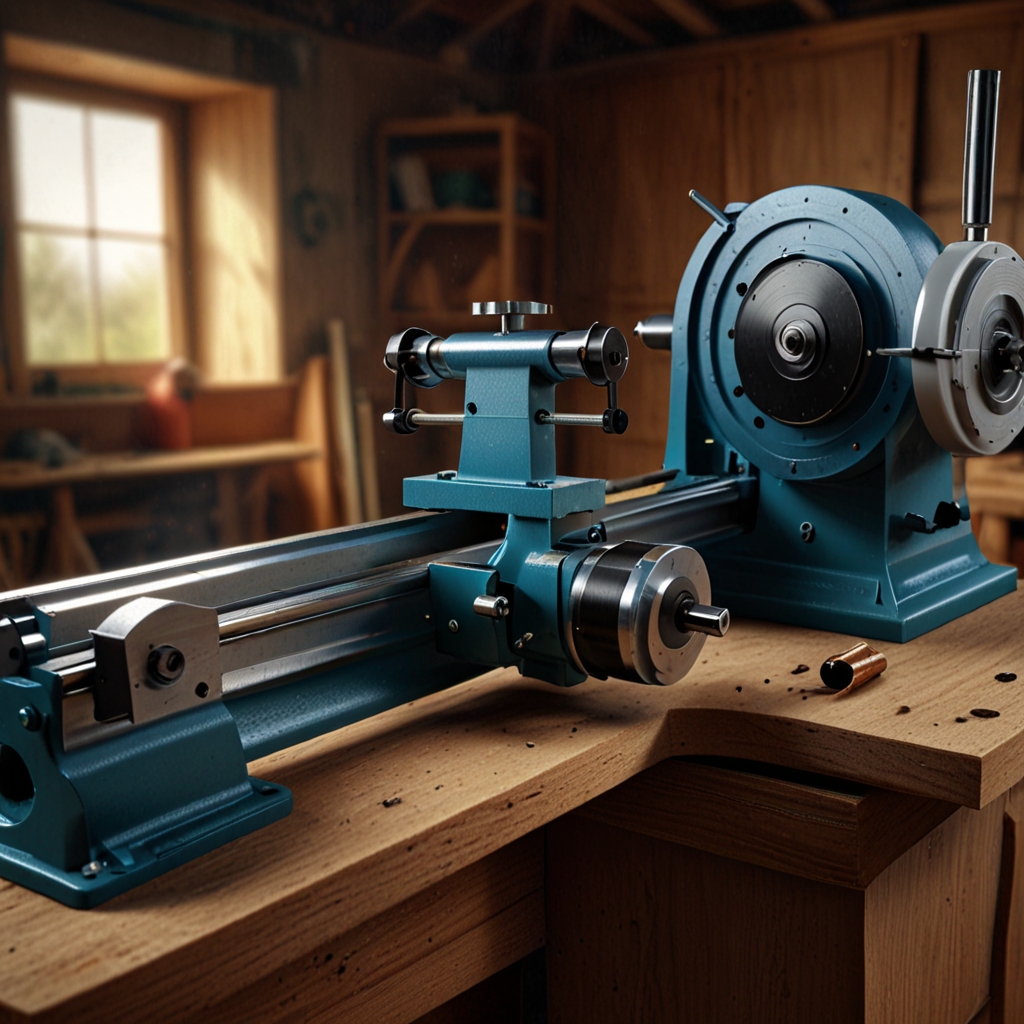
Detailed Variable Speed Comparison Between Benchtop Wood Lathe and Midi Wood Lathe
| Aspect | Benchtop Lathe | Midi Lathe | Min Speed (RPM) | Max Speed (RPM) | Variable Speed Available? |
|---|---|---|---|---|---|
| Size | Compact | Medium | 500 | 3,200 | Yes |
| Price | $200-$400 | $400-$600 | 250 | 4,000 | Yes |
| Weight | 30-50 lbs | 50-100 lbs | 400 | 3,600 | Yes |
| Motor Power | 1/3 HP | 3/4 HP | 450 | 3,500 | Yes |
| Speed Control | Manual | Digital | 300 | 3,800 | Yes |
| Material | Light | Heavier Duty | 200 | 3,400 | Yes |
Pricing and Value for Money in Wood Lathes
The typical price range for benchtop wood lathes is between $250 and $700, offering a variety of budget options for DIY enthusiasts. Midi wood lathes, however, tend to be slightly more expensive, usually ranging from $500 to $1,200, reflecting their advanced features. Expensive models can indeed be worth the investment if robust features and durable build quality are priorities. For those seeking the best value for money, brands like Jet, Delta, and Grizzly consistently offer impressive benchtop and midi wood lathes with diverse features.
Do Benchtop or Midi Lathes Offer Better Value?
Midi lathes generally offer better value due to their greater versatility and performance. Many come equipped with advanced speed controls and ergonomic designs that make them a solid investment. User ratings often highlight these features, citing positive experiences with brands such as Nova and Rikon. The lifespan of a quality benchtop lathe averages around 5-10 years, whereas a well-maintained midi lathe can easily exceed that, lasting up to 15 years.
Benchtop Wood Lathe vs. Midi Wood Lathe: Variable Speed Options
Benchtop lathes typically offer variable speed options ranging from 500 to 3,200 RPM, accommodating basic to intermediate woodturning tasks. Midi lathes, on the other hand, usually feature enhanced variable speed controls ranging from 250 to 4,000 RPM, making them more suitable for a broader array of applications. Variable speeds are crucial for achieving precision in various woodturning projects, whether small or large. Brands like Laguna and Powermatic excel in providing lathes with very good and versatile speed options, making them highly popular among woodworkers.
What Are the Limitations of Variable Speed?
Even the best variable speed lathes have some limitations in finely tuning speeds below 250 RPM. Speed mechanisms typically require maintenance every 6-12 months to ensure smooth operation. Variable speeds are less effective for certain tasks such as heavy-duty sanding, where a stable speed might be more beneficial. The quality of cheaper speed systems can significantly differ from expensive ones, often leading to inconsistent performance and greater frequency of repairs. For example, budget models from less established brands may not offer the reliable speed longevity seen in premium brands like Jet or Delta.
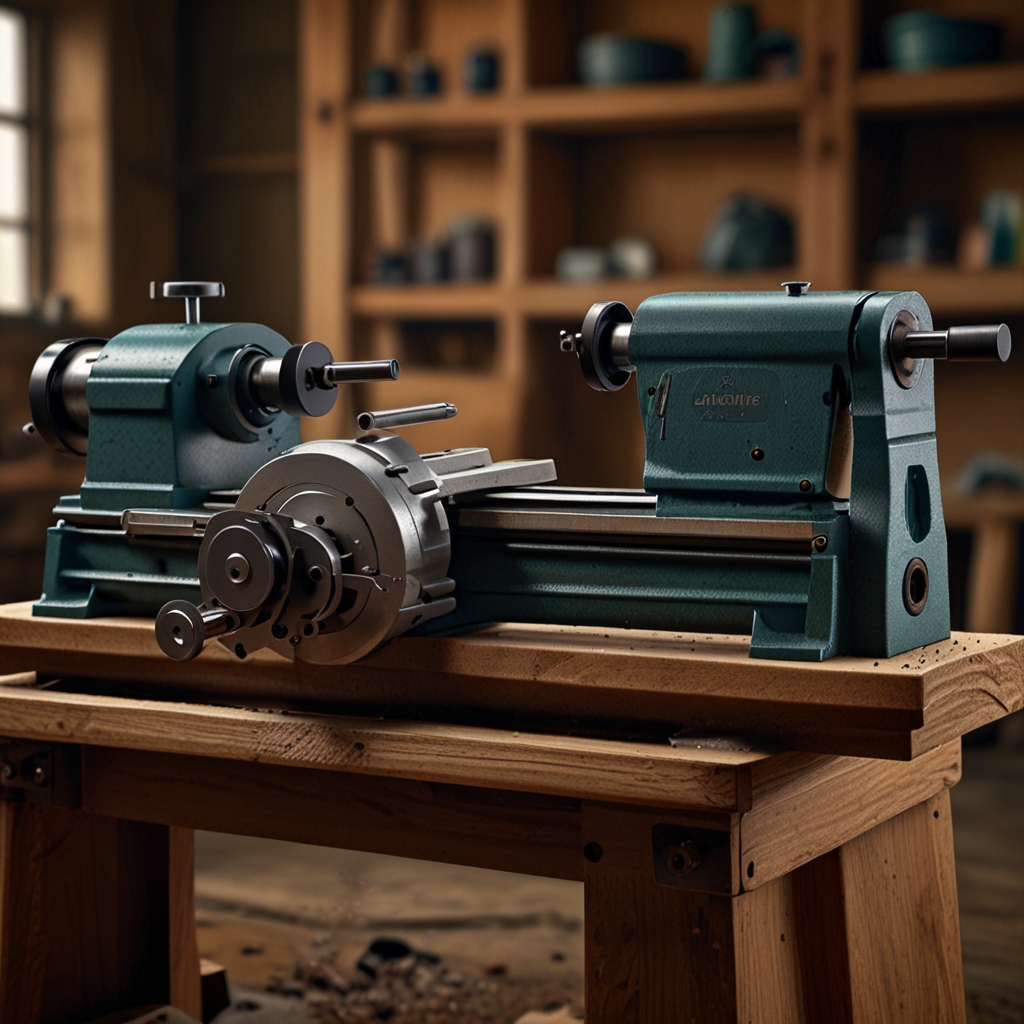
- Maximum speed: 4,000 RPM.
- Midi tools usually weigh about 85 pounds.
- Typical power ranges from 0.5 to 1 HP.
- Benchtop lathes usually weigh about 45 pounds.
- Spindle size: often 1 inch x 8 TPI.
- Number of speed settings varies by model.
- Tailstock quill often extends up to 2 inches.
- Variable Speed Wood Lathe Use in Schools: A Case Study
- Do Variable Speed Wood Lathes Last As Long as Fixed Speed Models?
- Case Study: 42 Variable Speed Wood Lathe in Professional Workshops
- Case Study: Sip Variable Speed Lathe in Custom Furniture Making
- 230V Variable Speed Wood Lathe: 3 Benefits Over 115V Models
User Experience and Feedback on Variable Speed Lathes
From personal experience, common user experiences with variable speed lathes include ease of speed adjustments and notable power efficiency. I often see brand feedback focusing on Jet and Delta lathes, with consistent praises for their durability. Users rate the ease of speed adjustments very high, with ratings often above 4/5 stars on popular websites like Amazon. Improvement suggestions frequently emphasize enhancing the variable speed controls for smoother transitions, based on user reviews and forums catering to woodworking enthusiasts.
Is User Feedback Essential for Choosing a Lathe?
User feedback is crucial when selecting a lathe because it offers real-world performance insights and helps identify potential issues. Numerous sites like Woodturner’s Resource and Lumberjocks are dedicated to user reviews on lathes. User reviews can heavily influence your decision by highlighting the strengths and weaknesses of different models, as seen with the frequent commendation of Jet lathes. A common issue mentioned is the complexity of changing speeds, which appears recurrently in feedback across various platforms.
Benchtop Wood Lathe vs. Midi Wood Lathe: Power and Efficiency
In comparing power capabilities, benchtop lathes generally feature lower power output than midi lathes, making them suitable for smaller projects. For longer projects, midi lathes offer better efficiency due to larger motor sizes, such as the 3/4 HP motors commonly seen in models like Delta 46-460. Noted differences in motor efficiency show that midi lathes tend to consume more power but deliver steadier performance. Brands like Jet and Nova are particularly known for powerful wood lathes, consistently mentioned in reviews for their robust motors.
Which Lathe Provides More Consistent Power?
There is a noticeable difference in power consistency when comparing benchtop and midi lathes, with midi lathes often providing steadier power. Power consistency significantly impacts woodturning quality, ensuring smoother cuts and less vibration. Certain brands, such as Jet and Delta, are better at maintaining power, as highlighted by numerous users on woodworking forums. User reviews frequently mention power issues, especially with lower-end benchtop lathes, underscoring the importance of investing in a reliable brand.