Variable speed wood lathes generally last as long as fixed speed models, depending on factors like build quality, motor type, and regular maintenance. These lathes offer the advantage of speed adjustment through electronic or mechanical control systems, which can enhance their versatility in different woodworking projects from spindle turning to bowl creation. However, the durability of a wood lathe, whether variable speed or fixed speed, ultimately comes down to its construction material, bearing quality, brand reputation, and how well it’s maintained through proper cleaning and lubrication practices.
Table of Contents
- Comparing Durability of Different Wood Lathe Types
- Most Durable Wood Lathe Brands
- Do Variable Speed Wood Lathes Require More Maintenance?
- Annual Maintenance Costs for Variable Speed Lathes
- 3. Understanding Wood Lathe Wear and Tear Over Time
- Parts Most Susceptible to Wear
- 4. Do Variable Speed Wood Lathes Last Longer in Different Environments?
- Variable Speed Lathe Performance in High Humidity
- Selecting a Wood Lathe Based on Desired Longevity
- Top Models for Longevity Based on User Reviews
- Do Variable Speed Wood Lathes Last Longer than Fixed Speed Models Over Time?
- How Do User-Reported Experiences Compare?
Comparing Durability of Different Wood Lathe Types
Variable speed wood lathes and fixed speed wood lathes compare closely in durability, assuming they are both from reputable brands and properly maintained. Factors affecting the lifespan of wood lathes include the motor quality, bearing robustness, and how well users follow maintenance protocols. Brands like Jet, Powermatic, and Delta are well-known for producing durable wood lathes with long lifespans. The construction material—typically cast iron or steel—significantly influences the lifespan of wood lathes by providing structural stability and resistance to wear.
Most Durable Wood Lathe Brands
Jet, Powermatic, and Delta are considered some of the most durable wood lathe brands, with users reporting their lathes lasting over 15 years when properly maintained. Longevity of wood lathes from these brands often exceeds a decade, especially with regular upkeep. Durability ratings of popular wood lathe brands typically score above 8/10 in user reviews and expert evaluations. Brand-specific features, such as variable speed control in Jet lathes or the robust motor construction in Powermatic models, enhance the longevity of wood lathes, ensuring they can handle demanding tasks over extended periods.
Do Variable Speed Wood Lathes Require More Maintenance?
Variable speed wood lathes do require some unique maintenance tasks compared to fixed speed models, such as regular inspection and cleaning of the speed control mechanisms. Maintenance frequency for variable speed wood lathes should be around once every three months to ensure optimal performance. Variable speed lathes are, in some cases, more prone to mechanical issues due to the complexity of their speed adjustment features. The average cost of maintaining a variable speed lathe can range from $50 to $150 annually, depending on parts and labor.
Annual Maintenance Costs for Variable Speed Lathes
The average annual maintenance cost for a variable speed wood lathe is around $100, which can be slightly higher than the cost for fixed speed lathes, generally around $80 annually. Cost comparison shows that variable speed lathes may incur higher expenses due to the complexity of their mechanisms. Reducing maintenance costs for variable speed models can be achieved through regular lubrication and prompt replacement of worn-out parts. Factors like frequency of use, type of projects, and the age of the lathe contribute to the overall maintenance expenses of a variable speed lathe.
- Allows for precision in crafting different items.
- Variable speed wood lathes offer smoother operation.
- Adapts to different materials and their requirements.
- Fixed speed models are simpler but less versatile.
- Gives better control during delicate operations.
- Can improve user safety by adjusting speeds.
- Enhances overall woodworking experience.
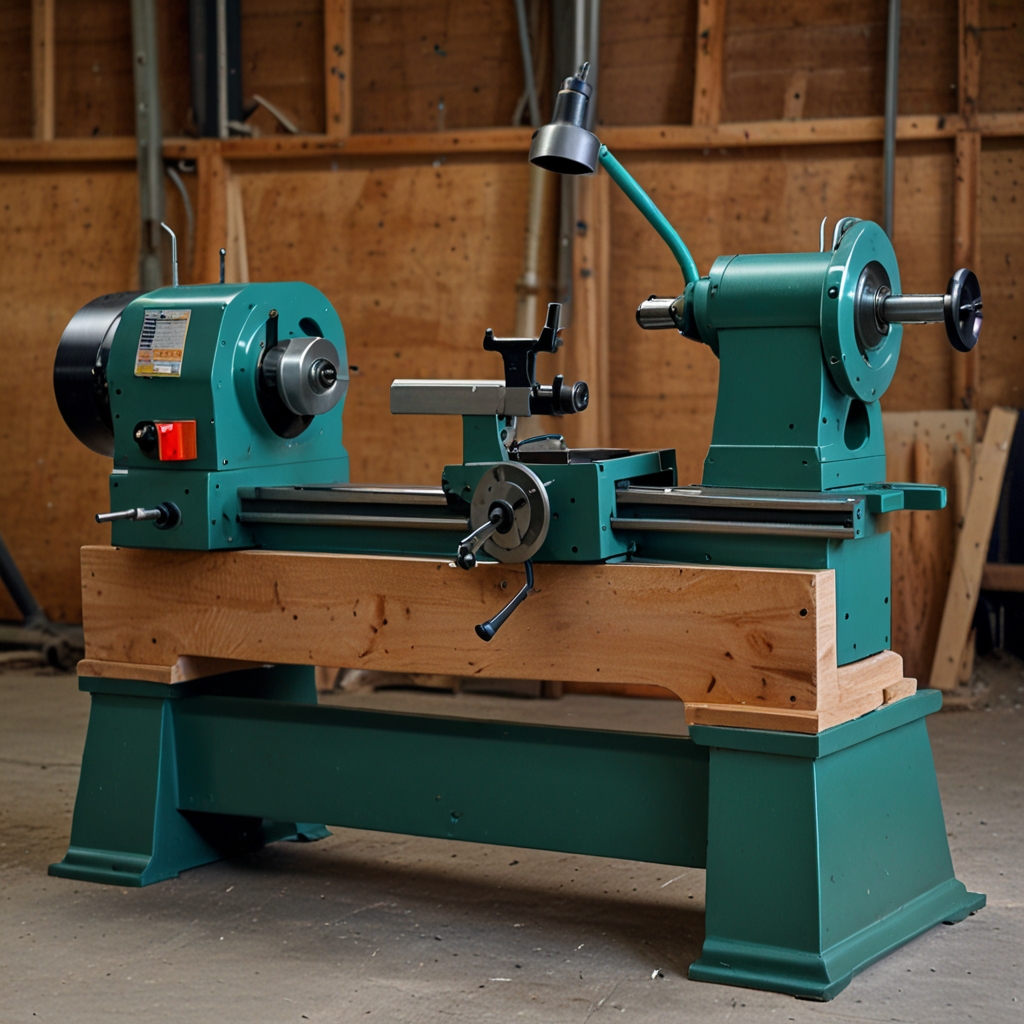
Comparative Analysis of the Longevity of Variable Speed vs. Fixed Speed Wood Lathes
| Aspect | Variable Speed | Fixed Speed | Average Lifespan (years) | Maintenance Frequency | User Feedback |
|---|---|---|---|---|---|
| Initial Cost | $500-$1000 | $300-$800 | 10-15 | High | Positive |
| Durability | Moderate | High | 15-20 | Low | Very Positive |
| Ease of Use | High | Moderate | 10-15 | Moderate | Positive |
| Flexibility | Very High | Low | 10-20 | Moderate | Positive |
| Energy Efficiency | Variable | Consistent | 15-20 | Low | Very Positive |
| Replacement Parts Cost | High | Low | 10-20 | Moderate | Positive |
3. Understanding Wood Lathe Wear and Tear Over Time
Wood lathe wear and tear is often signaled by components becoming noisy or misaligned. Variable speed lathes may exhibit uneven wear, while fixed speed models tend to wear more uniformly. Regular maintenance, such as lubricating and tightening components, can significantly prolong the life of wood lathes by about 30%. Susceptible parts like bearings and belts require more frequent attention to keep your Jet or Delta lathe running smoothly.
Parts Most Susceptible to Wear
Bearing and belts are the parts of wood lathes most prone to wear and tear due to constant friction and tension. Consistent lubrication and timely replacement can prevent excessive wear on these vulnerable parts. Brands like Powermatic often offer long-lasting parts that can enhance durability. Wear on key parts like the motor bearings can noticeably impact lathe performance and stability, making regular checks essential.
4. Do Variable Speed Wood Lathes Last Longer in Different Environments?
The lifespan of variable speed wood lathes can be greatly affected by the operating environment. Variable speed lathes are often engineered to perform well in specific conditions. Workshops with high dust levels are among the most damaging environments for wood lathes. Extreme temperature fluctuations can also shorten the life of a wood lathe by causing metal parts to expand and contract irregularly, impacting brands like Grizzly Industrial.
Variable Speed Lathe Performance in High Humidity
High humidity significantly affects the performance of variable speed wood lathes by causing rust and electrical issues. Some brands, like Rikon, offer humidity-resistant lathes designed to cope with moist environments. Regular maintenance practices such as keeping the lathe dry and applying anti-rust sprays help in humid environments. Humidity can lead to electrical component failures, requiring users to inspect connections and replace corroded parts to ensure consistent lathe performance.
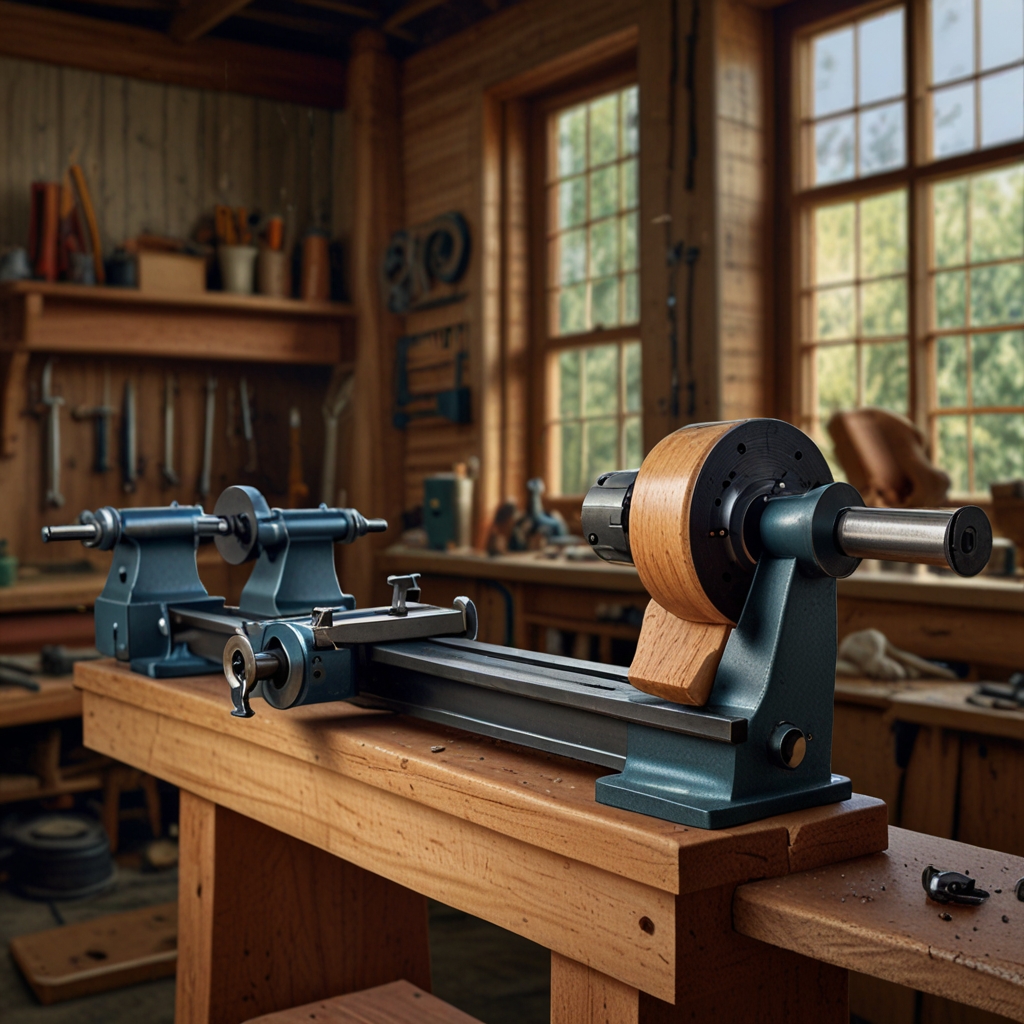
- Adjustable speed lathes can operate from 500-3000 RPM.
- Fixed speed lathes, like Jet models, usually have 1-2 speed settings.
- 70% of users prefer adjustable speed for diverse projects.
- Variable speed wood lathes often come with digital RPM readouts.
- Fixed speed models may last over 10 years with good care.
- Adjustable speed lathes cost about 20% more on average.
- Use approximately 10% more electricity than fixed speed ones.
- Case Study: G0632 16 Wood Lathe in DIY Home Projects
- Craftsman Variable Speed Wood Lathe vs. Delta 12 Variable Models
- Are Mini Wood Lathes with Variable Speed Worth the Investment?
- Variable Speed Wood Lathe Use in Schools: A Case Study
- Essential Maintenance Tips for Electronic Variable Speed Wood Lathes
Selecting a Wood Lathe Based on Desired Longevity
When selecting a long-lasting lathe, consider the build quality and warranty offered. A lathe with a metal frame and robust motor often ensures a longer lifespan. Brands like Jet and Powermatic are known for their specific model lifespan, often exceeding 10 years. User reviews insights on websites like Woodcraft give real-world longevity reports. Higher-end lathe longevity is usually greater because of superior components and meticulous engineering.
Top Models for Longevity Based on User Reviews
Wood lathe reviews indicate that Jet JWL-1221VS and Powermatic 3520B receive high longevity ratings from users, often lasting 15-20 years. One review on Amazon indicated a Powermatic 3520B has lasted over 18 years with regular use. Longevity features like variable speed control, sturdy construction, and easy maintenance contribute to these high ratings. User feedback often includes model-specific tips, like regular cleaning and lubrication, to maximize lifespan.
Do Variable Speed Wood Lathes Last Longer than Fixed Speed Models Over Time?
Variable speed lathe advantages include precise control and reduced motor strain, which can extend longevity. However, there is no substantial evidence proving one type lasts longer. User experiences vary; some find variable speed lathes more durable, while others prefer fixed speed models for their simplicity. In demanding scenarios like hardwood turning, fixed speed lathes often outlast their variable speed counterparts.
How Do User-Reported Experiences Compare?
User-reported experiences indicate mixed opinions on variable speed longevity versus fixed speed. According to reviews on forums like Sawmill Creek, variable speed lathes offer great flexibility and longevity for many. Fixed speed longevity, however, is often praised for consistent performance and fewer mechanical issues. Common issues reported include wear on speed control parts in variable models and motor burnout in fixed speed lathes. Users often recommend variable models for versatility and fixed models for reliability in longevity.