Maintaining your wood lathe is crucial for ensuring its longevity and optimal performance. Proper maintenance includes cleaning, lubricating, and inspecting the motor, which can prevent costly repairs and ensure safety. As someone deeply experienced in DIY home improvement projects, I can tell you that a well-maintained lathe not only performs better but also makes woodworking a more enjoyable experience.
Cleaning and Lubricating Your Lathe
The cleaning frequency for your wood lathe should be after every use to prevent buildup. Regular cleaning ensures smooth operation and extends the lifespan of the lathe. The best lubricant for wood lathes is a high-quality machine oil or synthetic lubricant specifically designed for woodworking tools. Cleaning tools such as brushes, cloths, and a vacuum help in effective maintenance. Improper cleaning techniques can lead to lathe damage, compromising its functionality. Ensure proper maintenance by following a consistent cleaning schedule and using the correct lubrication type for your wood lathe.
Essential Cleaning Tools for Your Lathe
Effective lathe cleaning requires specialized cleaning brushes to reach tight spaces and remove debris. Compressed air can be used, but it should be controlled to prevent damage. Cleaning agents such as mild solvents or specific wood lathe cleaners help remove accumulated grime. Safely removing built-up debris necessitates using soft brushes and vacuum attachments to avoid scratching the lathe. High-quality cleaning brushes, combined with compressed air and suitable cleaning agents, make lathe cleaning efficient and safe.
Maintaining Your Wood Lathe Motor
Failing motor signs include unusual noises, reduced performance, and overheating. Regular motor inspection should occur at least every six months to ensure proper functionality. Necessary motor maintenance tools include screwdrivers, multimeters, and lubricants. Motor replacement can be a manageable task for experienced DIY enthusiasts, but consulting the manufacturer’s guidelines or an expert can be very helpful. For example, Wood Lathe World offers excellent resources for maintaining your wood lathe motor, ensuring long-term reliable performance.
How Often Should You Inspect Your Lathe Motor?
Inspection frequency for your lathe motor should be monthly for early detection of issues. Benefits of frequent inspections include extended motor life and consistent lathe performance. Setting up an inspection schedule involves marking a calendar or setting reminders on your phone for routine checks. Not inspecting your motor regularly increases risks of motor failure and potential lathe damage. Regular motor check-ups as part of a maintenance routine are crucial for preventing motor risks and ensuring the lathe operates smoothly.
Table of Contents
- Cleaning and Lubricating Your Lathe
- Essential Cleaning Tools for Your Lathe
- Maintaining Your Wood Lathe Motor
- How Often Should You Inspect Your Lathe Motor?
- Sharpening Lathe Tools: Tips and Techniques
- How Many Degrees Should You Sharpen Lathe Tools?
- Replacing Parts to Maintain Your Wood Lathe
- What Is the Lifespan of Common Lathe Parts?
- Adjusting Your Wood Lathe for Optimal Performance
- How Do You Check If a Lathe Is Properly Aligned?
- Storing Your Lathe and Accessories Properly
- What Temperature Should a Wood Lathe Be Stored At?
- Longer lifespan for your machine
- Better performance from the lathe
- Consistent, high-quality work
- Fewer breakdowns with regular cleaning
- Safer operation while turning wood
- Less expensive repairs over time
- Increased satisfaction using the lathe
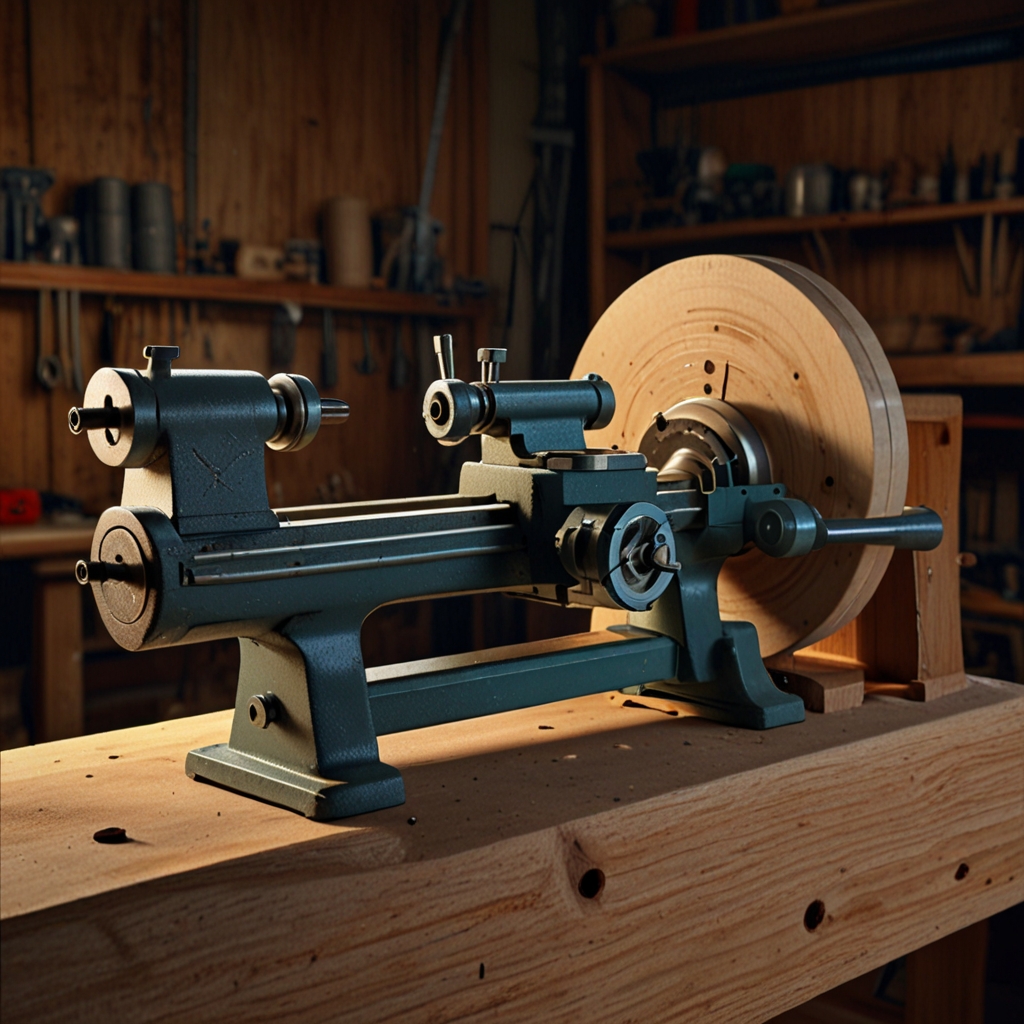
Comprehensive Overview for Wood Lathe Maintenance Procedures and Frequencies
| Task | Tool Required | Frequency | Time Required | Cost | Notes |
|---|---|---|---|---|---|
| Lubrication | Lubricant oil | Weekly | 10 mins | $5 | Ensure oil is wood-safe |
| Belt Replacement | Wrench | Annually | 20 mins | $15 | Check tension regularly |
| Cleaning | Brush, Cloth | After use | 15 mins | Free | Remove all dust |
| Inspection | Visual | Monthly | 30 mins | Free | Check for wear |
| Sharpening Tools | Grinder | Every 2 weeks | 15 mins | $0.50 | Consistent sharpness |
| Tailstock Adjustment | Allen Key | Monthly | 10 mins | Free | Ensure alignment |
Sharpening Lathe Tools: Tips and Techniques
The best angle for sharpening wood lathe tools is typically around 40 degrees, though this can vary depending on the specific tool and its use. Using a grinding wheel is ideal for sharpening your lathe chisels because it provides consistent and precise results. The sharpening frequency for your chisels will depend on how often they are used, but regular sharpening should be done to maintain their effectiveness—roughly every 30 minutes of use. Common sharpening mistakes to avoid include grinding away too much material, incorrect sharpening angles, and not using proper techniques, which can lead to poor performance and shorter tool lifespan. The Work Sharp WS3000 is a great tool to help you maintain proper sharpening angles.
How Many Degrees Should You Sharpen Lathe Tools?
A 25-degree angle is generally not suitable for all lathe tools, as different tools require different angles for optimal performance. To measure the sharpening angle accurately, use a sharpening guide or angle gauge, such as the Veritas Angle Setting Jig. Specific sharpening tools, like the Tormek T8, help achieve precise degrees and improve the quality of wood turning. Different sharpening angles can significantly affect the quality of wood turning, as an improper angle may cause tearing or rough finishes on your projects.
Replacing Parts to Maintain Your Wood Lathe
An essential part of maintaining your wood lathe is knowing when to replace the belt, typically every 1-2 years depending on usage frequency. To identify worn-out parts on your lathe, look for visible wear, unusual noises, or decreased performance during operation. Buying replacement parts from reputable sources such as Grizzly Industrial ensures you get quality maintenance parts. Many lathe components are easy to replace yourself, using DIY replacement guides available online, but some may require professional help.
What Is the Lifespan of Common Lathe Parts?
A wood lathe belt should last around 2 years with regular use. The expected lifespan of lathe bearings can range from 3 to 5 years, depending on the frequency and type of wood turning projects. Predicting the wear time of lathe parts can be done by regularly inspecting the components for signs of wear or using a maintenance log. Lathe parts like tool rests and drive centers often need more frequent replacement due to constant contact and pressure during operation, with companies like Jet Tools offering durable options.
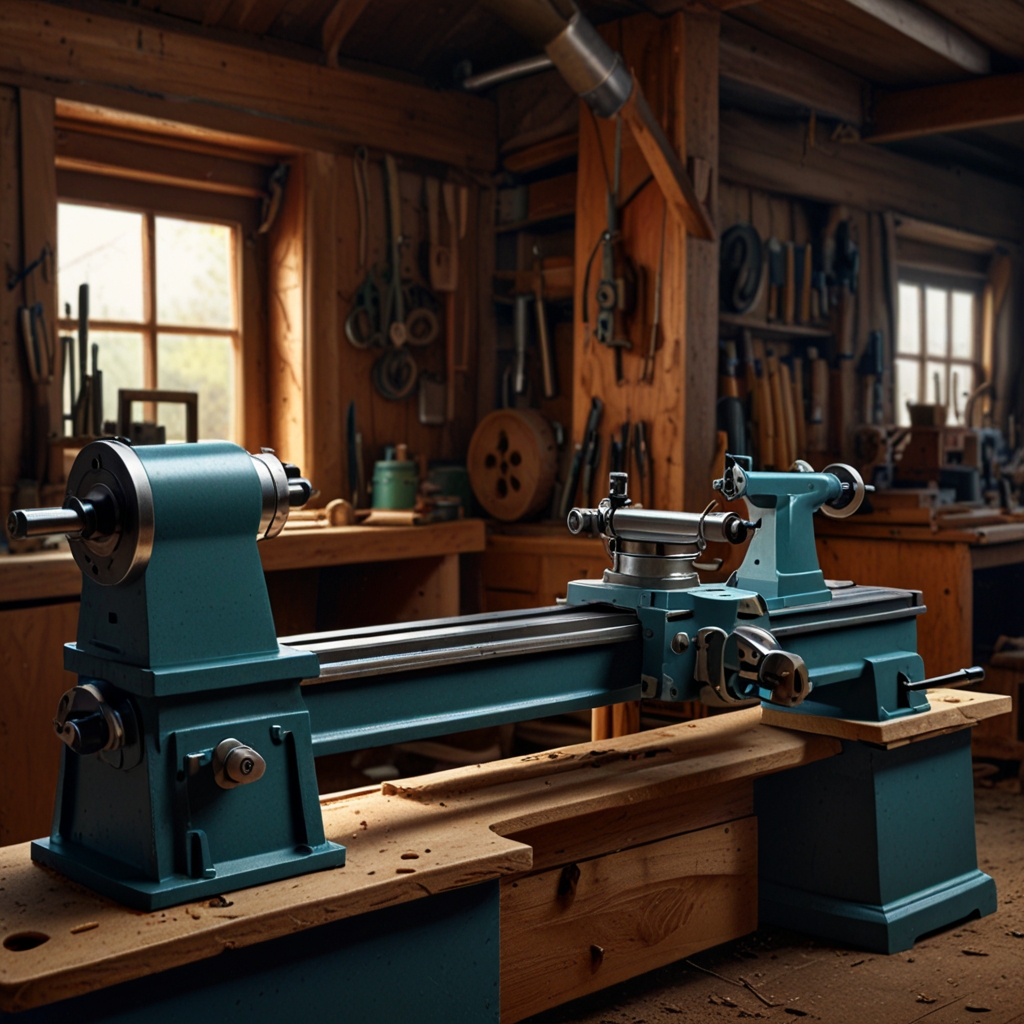
- Inspect belts every 20 hours of use
- Check alignment monthly
- Clean after every use
- Replace bearings every 1500 hours
- Tighten bolts weekly
- Change oil every 200 hours
- Use CaliberLathe Lubricant semi-annually
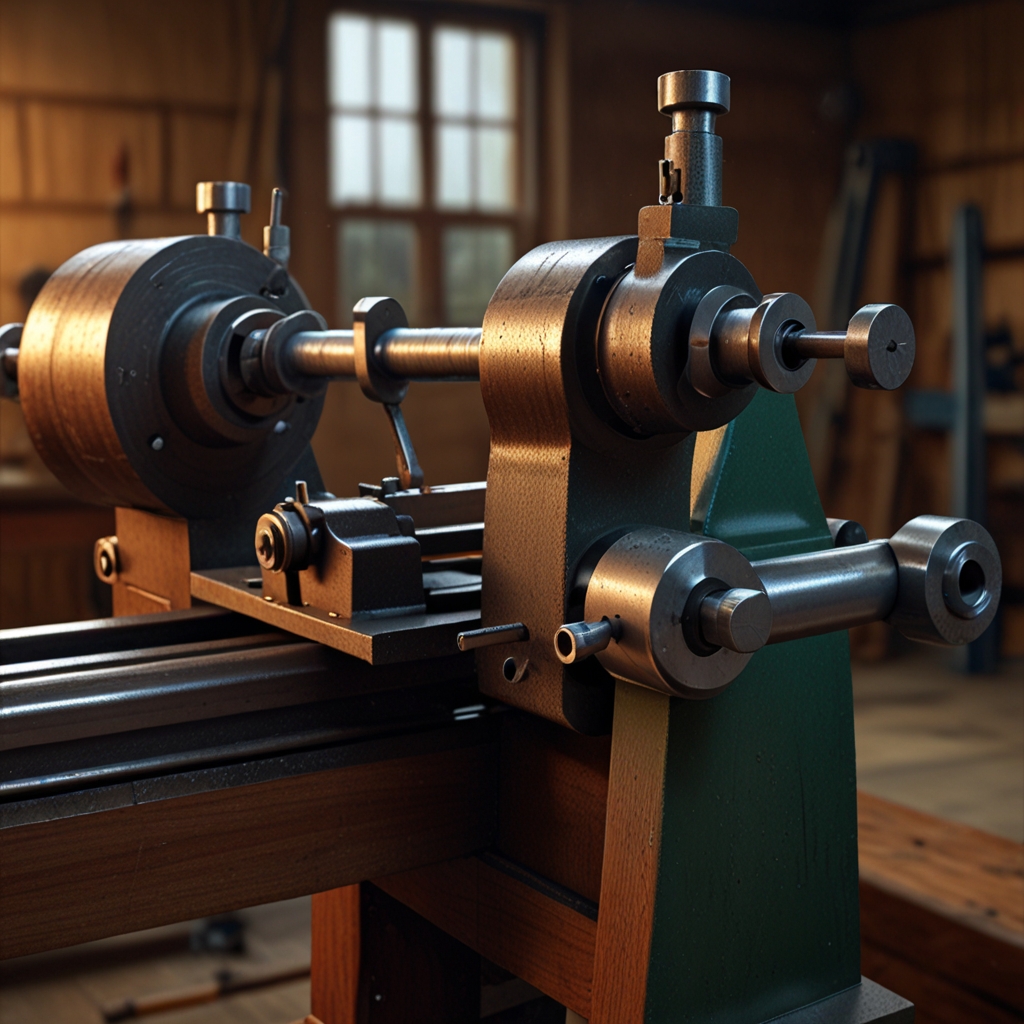
Adjusting Your Wood Lathe for Optimal Performance
From my extensive experience, I recommend lathe realignment frequency to be every 2-3 months for optimal performance. Adjusting tool rest involves loosening the tool rest locking handle, positioning it at the desired angle, and tightening the handle securely. Misalignment can lead to wavy finishes on woodturning projects, making proper realignment crucial. Ensuring level can be achieved using a spirit level across the lathe bed, checking both lengthwise and crosswise.
How Do You Check If a Lathe Is Properly Aligned?
Tools like a dial indicator and straightedge can help in checking alignment for accurate results. Visible vibration or uneven cuts are signs of misalignment that must be addressed. Correcting alignment usually involves adjustable feet on the lathe stand, allowing for precise level adjustments. Regular checks, ideally monthly, contribute to performance improvement, preventing minor issues from escalating.
Storing Your Lathe and Accessories Properly
The best storage conditions for a wood lathe are dry, cool environments to prevent moisture damage. It is important to store lathe tools with silica gel packs or rust inhibitors to prevent rust effectively. Improper storage can significantly damage lathe components, like the motor and bearings, reducing their lifespan. Compact storage solutions like wall-mounted racks or dedicated storage cupboards are available to facilitate proper storage.
What Temperature Should a Wood Lathe Be Stored At?
A temperature-controlled storage environment is beneficial for preserving the wood lathe’s performance. The ideal temperature range for storing a wood lathe is between 50°F and 80°F. Extreme temperatures above or below this range can cause temperature-related damage to lathe parts, like warping or motor issues. Look for signs like unusual noises or stiffness as indicators of temperature-related damage.