The debate of machine tools versus hand tools in woodturning centers around precision, efficiency, flexibility, and safety. Each method has distinct benefits and drawbacks, which vary based on the woodturning project’s requirements and the user’s skill level.
Table of Contents
- Choosing Between Precision and Flexibility in Woodturning
- Precision vs. Flexibility in Woodturning Tools
- Understanding the Debate: Machine Tools vs Hand Tools in Wood Turning
- Numerical Comparison of Efficiency Between Machine and Hand Tools
- Ergonomics and User Experience in Woodworking Tools
- Considerations for Comfort in Woodturning
- Costs and Maintenance in Woodturning: Machine Tools vs Hand Tools
- Why Might Hand Tools Have Lower Maintenance Costs?
- The Debate: Longevity and Durability of Woodworking Tools
- What is the Longevity of Popular Woodturning Brands?
- Skill Level and Learning Curve: Machine Tools vs Hand Tools
- How to Master Woodturning with Machine Tools for Beginners?
Choosing Between Precision and Flexibility in Woodturning
Hand tools for woodturning offer flexibility and a tactile connection with the material, but they require more skill and time. In contrast, machine tools excel in speed and efficiency, making them ideal for repetitive tasks and large projects. Hand tools are preferred for intricate, custom projects where flexibility is paramount. Safety considerations in woodturning with machine tools include proper training, eye and ear protection, and adherence to safety protocols due to the high-speed operation of lathes and spinning attachments.
Precision vs. Flexibility in Woodturning Tools
Precision differs significantly between hand tools and machine tools in woodturning; machine tools usually offer higher precision. Enhancing techniques, such as jig use and digital readouts, can boost the flexibility of machine tools. Modern woodturning lathes from brands like Jet and Powermatic come with precision-enhancing features such as variable speed controls and laser guides. However, flexibility in hand tool techniques, like custom chisels, can directly impact the final product quality, offering unique finishes that machinery might miss.
Understanding the Debate: Machine Tools vs Hand Tools in Wood Turning
The main points of contention in the machine tools debate versus hand tools revolve around cost, skill level, and project goals. CNC wood machine adoption impacts traditional woodturning methods by offering unparalleled precision and automation, reducing the need for manual intervention. Notable craftsmen, such as David Ellsworth and Jimmy Clewes, advocate for either method based on project needs and personal philosophy. Advocacy from tradition purists often emphasizes the artistic value, while industry standards lean towards machine tools for commercial viability.
Numerical Comparison of Efficiency Between Machine and Hand Tools
The average time saved by using machine tools compared to hand tools in woodturning can be up to 50%, especially on large-scale projects. Machine tools improve woodturning productivity by approximately 40% in terms of finished products per hour. Cost comparison reveals machine tools, like those from Robust Tools, are initially more expensive, ranging from $1,000 to $7,000, compared to hand tools, which can range from $20 to $500. Hand tools need to be replaced more frequently, often within a few years, whereas machine tools can last decades with proper maintenance.
- Hand tools offer more control and precision.
- Machine tools can work much faster.
- Using hand tools can be more satisfying and enjoyable.
- Machine tools like those from brands such as Jet make turning large pieces easier.
- Hand tools don’t require electricity, making them accessible anywhere.
- Machine tools can achieve consistent results every time.
- Using hand tools can help you develop better skills over time.
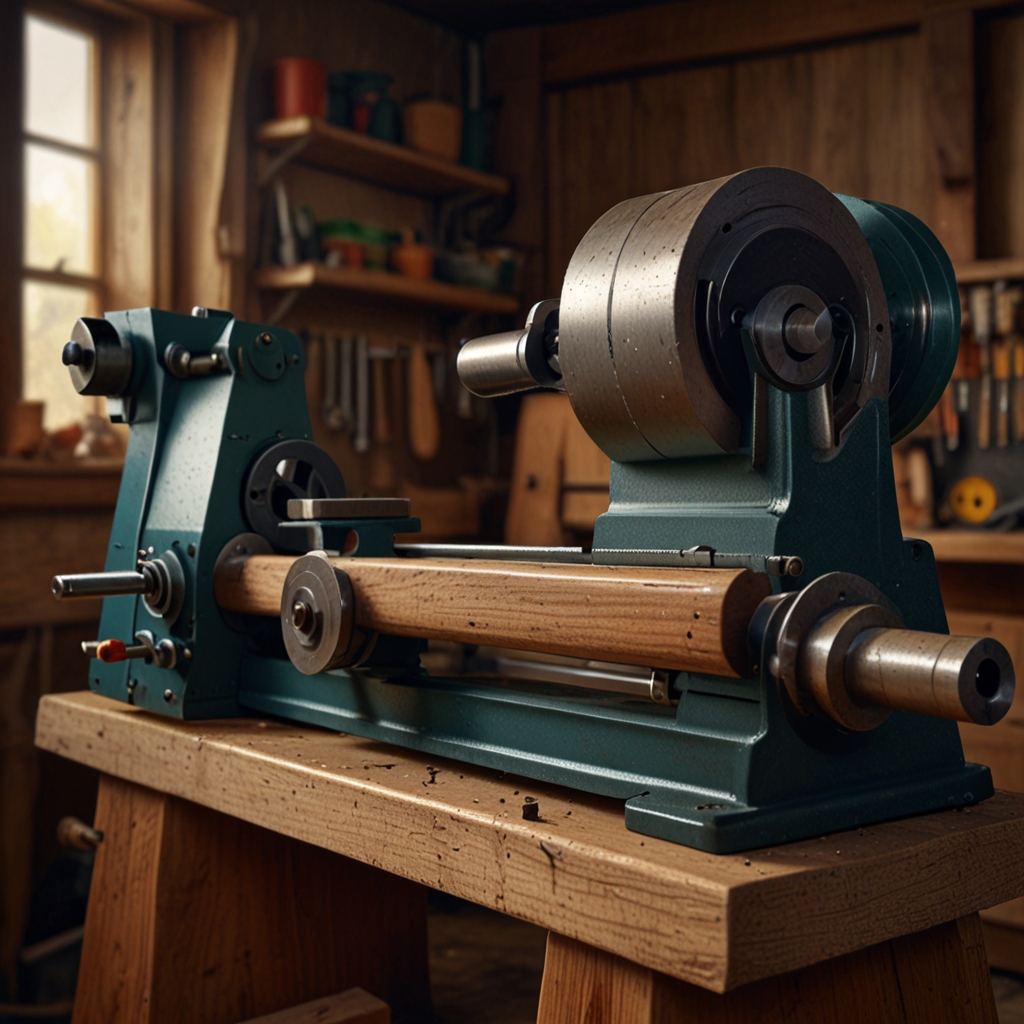
Comparison of Machine Tools and Hand Tools in Wood Turning: Efficiency, Cost, Learning Curve, Safety, Precision, Maintenance
| Aspect | Machine Tools | Hand Tools |
|---|---|---|
| Efficiency | High | Moderate |
| Initial Cost | $500-$5000 | $50-$500 |
| Learning Curve | Low | High |
| Safety | Moderate | High |
| Precision | High | Moderate |
| Maintenance | High | Low |
Ergonomics and User Experience in Woodworking Tools
Ergonomic designs in woodturning tools significantly enhance the user experience by minimizing strain on the user’s body. Ergonomic issues with hand tools often include poor handle design and weight distribution, leading to wrist and arm fatigue. Tool vibration in woodturning can impact user comfort and reduce project outcomes by causing inaccuracies. Superior ergonomic woodturning tools are often produced by brands like Robert Sorby and Easy Wood Tools, known for their advanced ergonomic designs.
Considerations for Comfort in Woodturning
Ergonomic features to look for in a woodturning lathe include adjustable height and easy-to-reach controls for better user comfort. Tool design can reduce fatigue during long woodturning sessions by incorporating cushioned handles and lightweight materials. Adjustable ergonomic accessories, such as tool rests and stands, are available for existing woodturning tools to increase comfort. Precision in woodturning is affected by ergonomic factors like handle grip and tool balance. Checking for these ergonomic features can drastically improve comfort and efficiency during woodturning projects with brands like Jet and Delta.
Costs and Maintenance in Woodturning: Machine Tools vs Hand Tools
Initial investment costs for machine tools are typically higher compared to hand tools in woodturning. The maintenance routine for machine tools involves regular lubrication and occasional part replacement, while hand tools require sharpening and oiling. There can be long-term cost benefits in choosing machine tools if frequent, heavy-duty projects are expected, as they are more durable and consistent. Common maintenance challenges with both types of tools include alignment issues for machine tools and blade dullness for hand tools. Understanding these factors can help balance woodturning investment costs with long-term use, as seen with brands like Powermatic.
Why Might Hand Tools Have Lower Maintenance Costs?
The simpler design of hand tools typically makes maintenance easier compared to machine tools. Sharpening hand tools should be done every few projects, depending on wood hardness, for optimal performance. Hidden maintenance costs for hand tools may include the occasional replacement of blades or handles. DIY maintenance tips for hand tools include regularly checking for wear and tear and using proper sharpening stones. Hand tool maintenance is accessible for most DIY woodturners and brands such as Veritas offer tools that are easy to maintain.
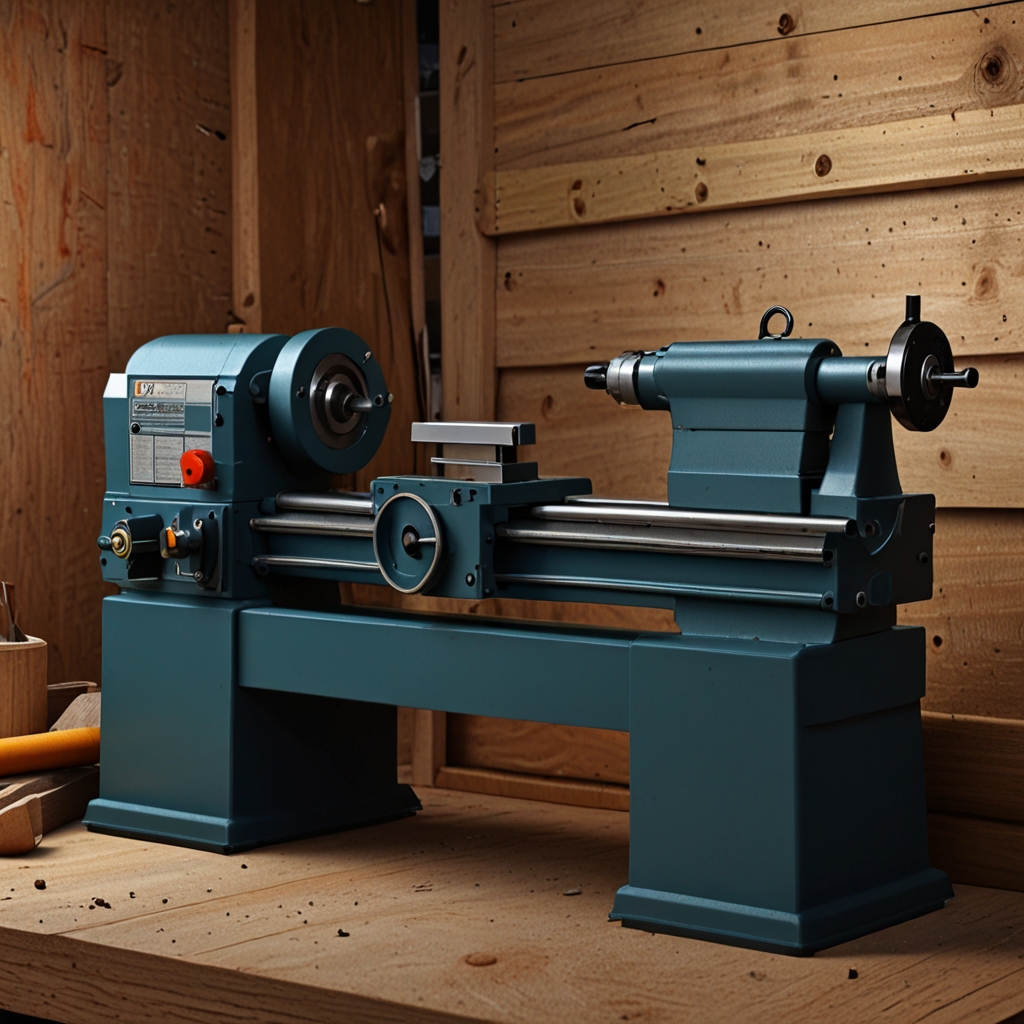
- Experts say 80% of beginners start with machine tools.
- Hand tools like chisels and gouges have been used for centuries.
- Machine tools can cost anywhere from $200 to $3,000.
- Brands like Nova offer combo machines that are highly popular.
- Hand tools typically cost less than machine tools.
- Machines can turn wood pieces at speeds up to 4,000 RPM.
- Many woodturners own both types of tools for different projects.
The Debate: Longevity and Durability of Woodworking Tools
The longevity of woodworking tools in woodturning depends significantly on the type of tool being used. Machine tools often have a longer lifespan compared to hand tools due to their durable construction and high-quality materials. Material quality greatly affects the durability of woodturning tools; for instance, high-carbon steel tools tend to be more durable. Brands like Sorby and Crown are known for producing long-lasting woodturning tools, crafted meticulously to ensure durability. Key factors influencing tool longevity in woodturning include maintenance, usage frequency, and the type of wood being turned, with proper care extending both machine tools lifespan and hand tools lifespan.
What is the Longevity of Popular Woodturning Brands?
Delta woodturning tools typically last for several decades under regular use due to their sturdy construction. The average lifespan of tools from brands like Craftsman is approximately 10-15 years, depending on usage and maintenance. Cummins industrial tools are often praised for their longevity, with many users reporting reliable performance even after extensive use. Customer reviews frequently mention the durability of Harbor Freight woodturning tools, noting that with proper care, these tools can also provide excellent service life. The overall tool lifespan of these brands varies, but investing in well-maintained, high-quality brands ensures a longer duration of use.
Skill Level and Learning Curve: Machine Tools vs Hand Tools
The learning curve for beginners using hand tools in woodturning is often steeper compared to machine tools due to the manual skill required. The skill level required for machine tools is usually lower initially, as these tools offer more precision and ease of use. Various training resources are available to help improve woodturning skills, including online tutorials, woodworking classes, and instructional books. Common challenges faced by beginners using machine tools for woodturning include learning to control speed and pressure, which can affect the final product’s quality. Resources for woodturning hand tools learning are equally abundant, providing skill improvement tools for all levels.
How to Master Woodturning with Machine Tools for Beginners?
The first steps for beginners to take when mastering machine tools in woodturning are learning the basics of tool operation and safety protocols. Specific machine tools recommended for beginners in woodturning include the Jet JWL-1221VS and the Wen 3424T, which offer user-friendly features. It typically takes about six months of regular practice to become proficient with machine tools in woodturning. Online resources such as YouTube channels, forums, and websites like Woodturning Online provide extensive guidance to help beginners learn woodturning with machine tools. Mastering machine tools involves practicing daily and utilizing beginners woodturning tips to improve steadily.