Wood Lathe Machines differ significantly from CNC Wood Turning Systems in terms of operation, skill requirements, precision, and project applications. Understanding these differences helps DIY home improvement fans choose the right tool for their projects.
Table of Contents
- History and Evolution of Wood Turning Machines
- Key Innovations in Wood Lathe Machines
- Operational Differences between Wood Lathe Machines and CNC Wood Turning Systems
- Required Skills and Training for Operators
- Material and Design Capabilities in Woodworking
- What Are Common Wood Types for Lathe Work?
- Cost Analysis: Wood Lathe Machines vs CNC Wood Turning Systems
- What Is the Average Cost of CNC Wood Turning Systems?
- Maintenance and Longevity of Woodworking Equipment
- Are There Special Maintenance Needs for CNC Systems?
- User-Friendliness and Accessibility of Woodworking Machines
- What Are the Common User Challenges with CNC Systems?
History and Evolution of Wood Turning Machines
Early wood lathe machines were used for shaping wooden items like bowls and spindles. Over centuries, these early wood lathe machines evolved into more sophisticated traditional lathe machines with enhanced features. The advent of CNC wood turning systems drastically transformed historical wood turning practices by introducing automation and precision. Technological advancements, including computer controls and precision engineering, have significantly influenced the evolution of modern wood lathes, blending traditional craftsmanship with cutting-edge technology.
Key Innovations in Wood Lathe Machines
Wood lathe innovations include developments such as variable speed controls and advanced digital readouts. Modern lathe materials, like high-strength steel and composites, have improved the durability and performance. Leading lathe brands such as Powermatic and Jet lead the market in innovating wood lathe designs. Contemporary lathe features now include enhanced safety measures like automatic shut-offs and emergency stop buttons, making lathe machinery safer than ever.
Operational Differences between Wood Lathe Machines and CNC Wood Turning Systems
The operational mechanics of traditional wood lathes involve manual control and hands-on adjustments, while CNC systems use computer programming for precision operations. CNC wood turning systems require knowledge of CAD software and programming skills, unlike traditional wood lathes that primarily need hands-on craftsmanship. CNC precision is notably superior, producing consistent, highly detailed work compared to manual wood lathes’ more varied output. Projects such as intricate furniture parts and mass-produced items benefit most from the efficiency and precision of CNC systems.
Required Skills and Training for Operators
Operator training for CNC wood turning systems typically involves learning CAD software and undergoing specialized training courses. Becoming proficient with traditional wood lathes generally takes several months of practice and experience. Wood lathe safety training is essential, including understanding protective gear and emergency procedures. Certifications, such as those from the Woodworking Machinery Industry Association, can significantly improve wood turning qualifications and operator proficiency.
- They create beautiful wooden pieces.
- The hand-turned tool allows for artistic control.
- Technology speeds up the process.
- The accuracy of CNC systems is very high.
- Older tools are often cheaper to start with.
- Modern tools can repeat designs exactly.
- Beginners can use simpler tools easily.
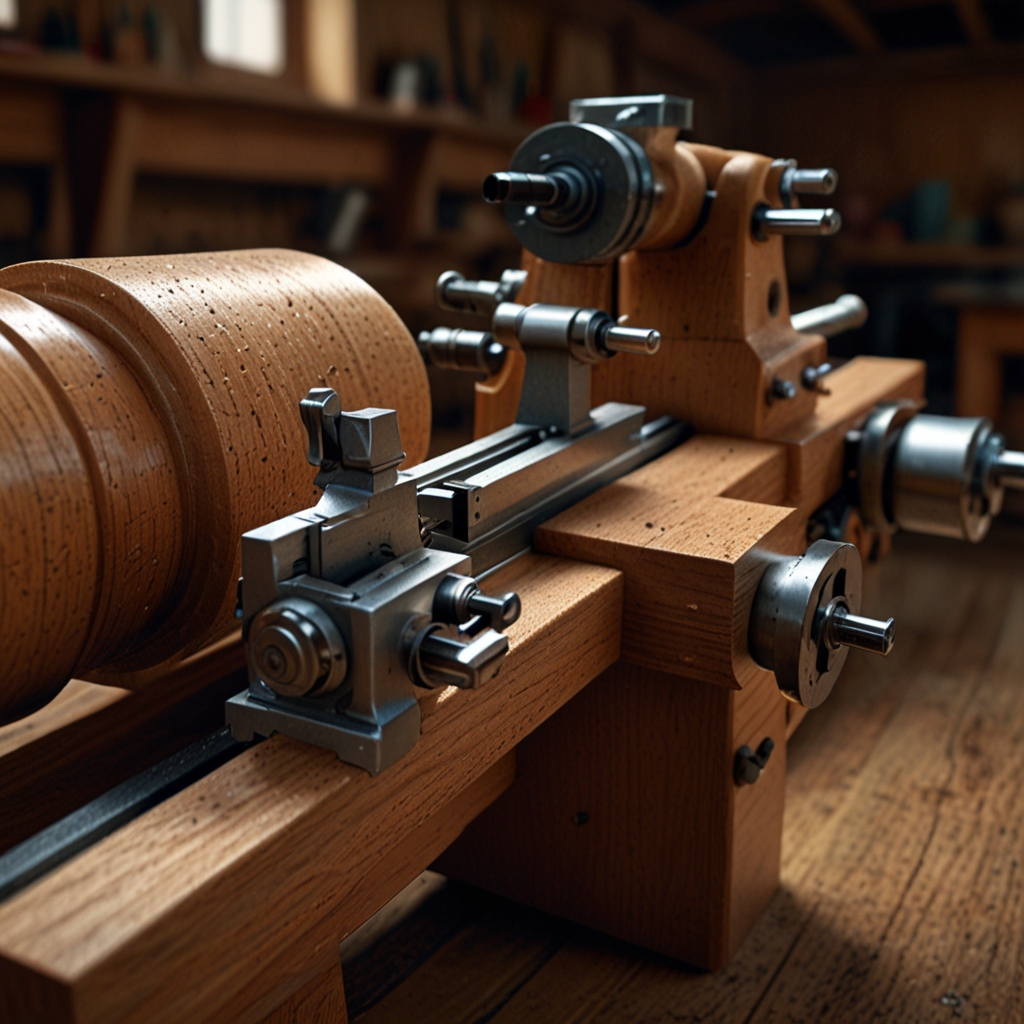
Comparison Between Traditional Wood Lathe Machines and CNC Wood Turning Systems in Terms of Efficiency, Cost, and Precision
| Category | Traditional Lathe | CNC System | Cost ($) | Skill Level | Precision |
|---|---|---|---|---|---|
| Initial Setup | Manual | Automated | 500-2000 | High | Medium |
| Operation Type | Manual | Automatic | 8000-20000 | Low | High |
| Time Efficiency | Low | High | – | – | – |
| Material Waste | High | Low | – | – | – |
| Maintenance | Simple | Complex | – | – | – |
| Output Quantity | Low | High | – | – | – |
Material and Design Capabilities in Woodworking
CNC wood turning systems and wood lathe machines differ significantly in material compatibility, design capabilities, and customization options. CNC systems offer greater material compatibility, allowing the use of diverse woodworking materials like plastics and composites. CNC systems design intricate and highly detailed patterns quickly, while traditional lathe materials work better with straightforward designs. Wood lathe machines efficiently turn hardwoods like maple, oak, and walnut. CNC systems enable superior customization options, providing unique design possibilities beyond the lathe machine capacities. For example, brands like Laguna and ShopBot offer impressive CNC machines with vast design capabilities.
What Are Common Wood Types for Lathe Work?
The best woods for lathe work include softwoods like pine and hardwoods like maple. These woods are known for their ease of cutting and smooth finishes. Hardwoods like oak and ash have common wood characteristics that ensure excellent performance in woodturning. Wood hardness affects the lathe process, with harder woods requiring more powerful tools and slower speeds. Exotic woods for turning, such as cocobolo and purpleheart, provide unique textures and colors. Lathe machine woods such as cherry and beech offer reliable quality for common projects. Rockler and Woodcraft supply diverse turning materials with various lathe material compatibility.
Cost Analysis: Wood Lathe Machines vs CNC Wood Turning Systems
The initial costs of wood lathes are usually lower compared to CNC wood turning systems. Traditional lathe machines can start at $300, while CNC machines like those from Axiom or X-Carve can begin at $2,000. Ongoing maintenance costs for both types of machines vary, with CNC systems requiring more frequent lubrication and software updates. Operational costs differ, as traditional wood lathes consume less energy compared to CNC machines, which involve more electronics. When investing in a CNC wood turning system, consider factors such as long-term expenses and budget considerations, weighed against advanced features and precision offered by brands like Next Wave Automation.
What Is the Average Cost of CNC Wood Turning Systems?
A basic CNC wood turning system costs around $2,000, which provides entry-level features for simple projects. Advanced machine prices range from $5,000 to $10,000, providing high-quality performance and precision for complex tasks. Brand influence plays a significant role in the cost of CNC systems, with reputable names like Tormach and BobsCNC generally priced higher due to reliability and support. Budget-friendly CNC options exist, such as the Genmitsu CNC routers, which offer affordable turning systems for beginners. Cost comparison between various models helps identify the most suitable, affordable CNC machine for specific needs.
- Traditional tools have been in use for over 100 years.
- CNC systems can run 24/7 without stopping.
- Old tools often weigh around 200 pounds.
- Many CNC machines have over 500 moving parts.
- Hand-turned tools can cost as low as $150.
- Top CNC systems can cost over $50,000.
- Some brands offer warranties lasting 5 years.
Maintenance and Longevity of Woodworking Equipment
If you love DIY home improvement as I do, you know that maintenance plays a critical role in the longevity of your woodworking equipment. For optimal performance, wood lathe machines should be serviced every six months to a year. CNC wood turning systems have common maintenance tasks like cleaning dust and debris, lubricating moving parts, and ensuring software updates are current. Proper wood lathe care, such as regular oiling and tightening of parts, can significantly extend machine longevity. Repair signs include unusual noises, decreased performance, and visible wear or damage on key components.
Are There Special Maintenance Needs for CNC Systems?
CNC systems require software updates every few months to maintain efficiency and integrate new features. Specific lubrication is essential weekly or after every 40 hours of operation to ensure smooth functioning. Machine storage should be in a dry environment to prevent rust and electrical damage. With preventative maintenance, the typical CNC lifespan is around 10 to 15 years.
User-Friendliness and Accessibility of Woodworking Machines
Traditional wood lathe machines are generally more user-friendly than CNC systems due to their straightforward mechanical operations. Modern CNC wood turning systems have advanced accessibility features like touch screen interfaces and automated settings, enhancing usability. For beginners, traditional wood lathes are better due to their simpler design and ease of use. User interface design in CNC systems, such as intuitive software and clear display panels, greatly improves the overall machine experience.
What Are the Common User Challenges with CNC Systems?
The learning curves associated with CNC wood turning are steep, often requiring extensive training or experience to master. Troubleshooting issues can involve diagnosing software problems and mechanical failures, which might not be straightforward. Common software problems include bugs and compatibility issues with different file formats. Connectivity issues, such as loss of wireless connection or hardware malfunctions, can significantly disrupt the use of CNC machines.