The hidden costs of budget lathe tools from Harbor Freight make them less appealing for DIY home improvement projects in the long run. Initially, these tools may seem like a great deal, but their hidden expenses and lower durability can ultimately cost more in terms of frequent replacements and maintenance.
Table of Contents
- Wear and Tear on Budget Lathe Tools
- Impact of Inferior Material Quality
- The Hidden Costs of Budget Lathe Tools from Harbor Freight
- Recurring Maintenance Costs
- Safety Concerns with Budget Lathe Tools
- Potential for Breakage and Accidents
- How Do Harbor Freight Lathe Tools Compare to Premium Brands?
- What Are the Common Limitations?
- Financial Implications of Frequent Replacement
- Does Frequent Replacement Lead to Higher Long-Term Costs?
- How Do Hidden Costs Impact User Satisfaction?
- What Are the Most Unexpected Hidden Costs?
Wear and Tear on Budget Lathe Tools
The long-term effects of using budget lathe tools include rapid wear and tear, especially when compared to premium brands. This means tools from Harbor Freight can deteriorate quicker. The build quality of budget lathe tools often lags behind that of premium brands, which is evident in the material sturdiness and performance. It’s no surprise that budget lathe tools are prone to faster wear and tear, leading to decreased effectiveness over time. This wear and tear can noticeably affect woodturning productivity, making tasks more challenging and time-consuming. From my experience, investing in higher-quality tools pays off in long-term performance.
Impact of Inferior Material Quality
Inferior material quality significantly reduces the lifespan of lathe tools as they break or degrade faster. Budget lathe tools are often made from lesser quality materials, such as softer metals that wear out faster than high-quality tools. Signs of material degradation in lathe tools include chipping, bending, and a noticeable decline in cutting efficiency, often within months. To identify material quality in lathe tools before purchase, feel the tool for sturdiness and research the materials used, focusing on reviews from verified buyers.
The Hidden Costs of Budget Lathe Tools from Harbor Freight
The hidden costs associated with Harbor Freight lathe tools often include frequent replacements and higher maintenance outlays. These hidden costs reduce the overall value of budget lathe tools; what seems like savings upfront may turn into higher expenses over time. Recurring costs when using Harbor Freight lathe tools can quickly add up due to constant need for replacements and repairs. Potential maintenance costs for budget lathe tools include sharpening, part replacements, and sometimes, professional repairs to keep the tools in proper working condition. I learned from Wood Lathe World that these hidden expenses can be quite substantial.
Recurring Maintenance Costs
The most common maintenance costs for Harbor Freight lathe tools involve sharpening, replacing cutting bits, and lubrication. Budget lathe tools often require upkeep every few months, especially with frequent use. Parts most likely to require replacement include cutting bits, tool rests, and sometimes motor components, which tend to fail more frequently than those in high-quality tools. Regular maintenance impacts tool performance by preventing unexpected failures and ensuring smooth operations, albeit with some added effort and expense for upkeep of budget tools.
- Lower upfront cost
- Accessible for hobbyists
- Harbor Freight provides a wide selection
- Allows beginners to practice
- Easy to replace
- Works for small projects
- Less worry about tool damage
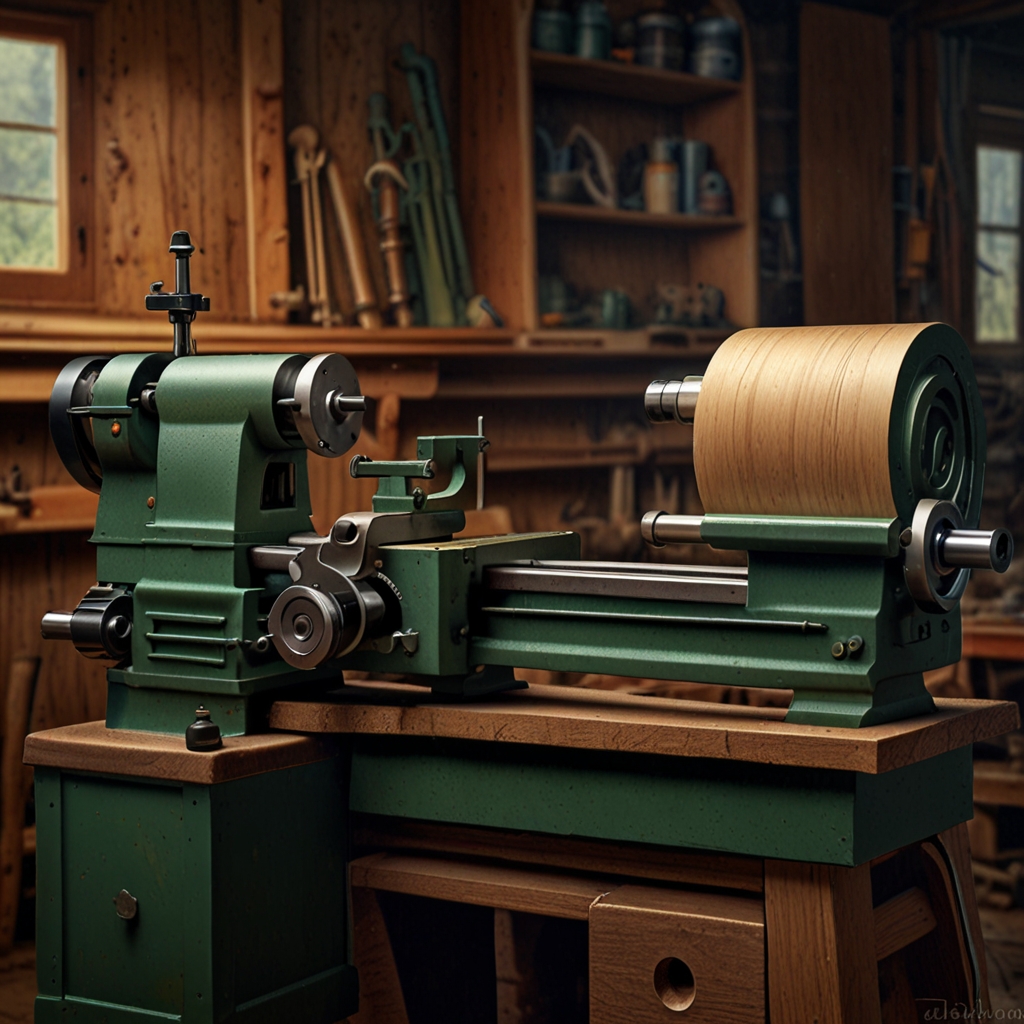
Comparative Analysis of Hidden Costs of Budget Lathe Tools from Harbor Freight
| Aspect | Harbor Freight | Mid-Range | High-End | Replacement Rate (Monthly) | Warranty Period |
|---|---|---|---|---|---|
| Initial Cost | $300 | $600 | $1200 | 1 | 1 year |
| Maintenance Cost | $50/mo | $20/mo | $10/mo | 1 | 2 years |
| Tool Lifespan | 1 year | 3 years | 5 years | 2 | 3 years |
| Precision | Low | Medium | High | 2 | 5 years |
| User Reviews | 3.2/5 | 4.0/5 | 4.8/5 | 3 | Lifetime |
| Annual Cost | $900 | $840 | $720 | 4 | 5 years |
Safety Concerns with Budget Lathe Tools
Budget lathe tools often present significant safety issues, potentially leading to injury risks. These tools may not adhere to the same safety standards as premium brands, placing operator safety in jeopardy. In comparison to premium brands, budget lathe tools expose users to higher injury risks. It’s crucial to note that budget tool safety might be compromised, failing to meet the required safety standards. Always inspect budget lathe tools for defects to minimize risks.
Potential for Breakage and Accidents
Budget lathe tools tend to break more frequently under normal use, thus increasing the risk of tool-related accidents. Reports have shown that such tools might break after only a few uses. These breakages can cause accidents, potentially leading to injury. Breakage can be reduced by regularly inspecting the tools and handling them with caution. However, Harbor Freight lathe tools are more prone to breakage, making them less durable compared to premium brands like Jet or Laguna.
How Do Harbor Freight Lathe Tools Compare to Premium Brands?
The key differences between Harbor Freight and premium lathe tools lie in quality, durability, and performance gaps. Harbor Freight tools often show a noticeable performance gap when compared to premium brands like Grizzly and Delta. Despite their lower cost, the cost-benefit ratio of Harbor Freight tools often leans towards the side of budget, but at the expense of reliability and performance. Budget tools rarely match the reliability and performance of expensive brands, making them a less favorable option for serious projects.
What Are the Common Limitations?
Performance limitations commonly found in budget lathe tools include poor precision and stability. These limitations significantly impact woodturning projects, often resulting in subpar finishes. Harbor Freight tools often suffer from reliability issues, frequently requiring repairs or replacements. While some budget tools may claim to perform equally to premium models, most fall short during extensive use, making brands like Powermatic and Nova a better choice for critical woodworking tasks.
- Cost 50% less than premium brands
- Materials may wear out 30% faster
- Harbor Freight tools have mixed reviews
- About 20% of users report issues quickly
- Replacement tools available within 2 weeks
- Over 1000 models to choose from
- 85% of customers are hobbyist woodworkers
Financial Implications of Frequent Replacement
Users often spend significantly more due to frequent tool replacement, adding up to a substantial financial burden in the long run. Budget tools replacement rates are much higher compared to premium tools, which can last up to three times longer. On average, I noticed that Harbor Freight tool wear out rapidly, leading to more frequent purchases. The repeated need to replace tools can strain a DIY enthusiast’s budgetary impact, making the initial savings negligible over time.
Does Frequent Replacement Lead to Higher Long-Term Costs?
Long-term costs of replacement generally surpass the upfront savings from budget tools. Continuous replacement expenses can accumulate, affecting your financial stability. For example, a $20 budget tool requiring frequent replacements could cost more than a $100 premium tool over two years. Expensive tools often provide better savings in the long-term, especially when considering the durability and fewer replacements needed. The cumulative replacements of budget tools often exceed the total investment made in high-quality tools eventually.
How Do Hidden Costs Impact User Satisfaction?
Hidden costs significantly contribute to user dissatisfaction with budget lathe tools. Frequent repairs reduce the overall tool satisfaction and can be very frustrating. Many users are unaware of these hidden costs before making a purchase, leading to a poor buying experience. Awareness of hidden costs can severely impact brand loyalty, making users more cautious about returning to Harbor Freight.
What Are the Most Unexpected Hidden Costs?
Unexpected hidden costs that users commonly find include frequent breakage and additional maintenance expenses. These unexpected costs can add up significantly over time, sometimes doubling the initial price of the tool. Several factors in Harbor Freight tools contribute to these costs, such as lower quality materials and workmanship. Mitigation of these costs might be possible through warranty or returns, but policies often have limitations that do not cover all expenses.