Top 10 Tips for Sharpening Wood Lathe Cutting Tools focus on the importance of maintaining sharp wood lathe tools for effective turning tasks.
Table of Contents
- Choosing the Right Sharpening System
- Understanding the Different Types of Sharpening Systems
- Tips for Maintaining Sharpness in Wood Lathe Cutting Tools
- How often should I sharpen my wood lathe tools?
- Essential Sharpening Techniques for Wood Lathe Tools
- How do I correctly angle my wood lathe tools during sharpening?
- The Role of Grinding Wheels in Sharpening Wood Lathe Cutting Tools
- What types of grinding wheels are best for wood lathe cutting tools?
- Maintaining and Dressing Your Grinding Wheel
- How do I dress a grinding wheel properly?
- Sharpening Jigs and Accessories for Wood Lathe Tools
- What are the benefits of using a sharpening jig for wood lathe tools?
Keeping wood lathe tools sharp can be a game changer in any DIY project, whether crafting a simple spindle or a complex bowl. As an avid woodturner myself for the past 15 years, I have learned the hard way that sharpening tools correctly can extend their life by up to 50% and produce cleaner cuts, saving both time and effort.
Choosing the Right Sharpening System
The main types of sharpening systems for wood lathe tools include bench grinders, wet stone sharpeners, belt sanders, and sharpening jigs. For woodturners, choosing the right sharpening system should align with the specific type of lathe tools, whether they’re made from high-speed steel (HSS) or carbide. Bench grinders are fast and suitable for most HSS tools but can overheat carbide. Wet stone sharpeners provide a cooler sharpening experience, reducing the overheating risk. Belt sander sharpening systems offer versatility but require more practice for precision. Using other sharpening systems, like those for knives, on lathe tools is typically not recommended due to the specialized angles and surfaces required in woodturning sharpening tasks.
Understanding the Different Types of Sharpening Systems
The advantage of using a bench grinder for sharpening lathe tools lies in its high speed and efficiency in removing material. Bench grinders can sharpen HSS tools quickly, making them a staple in woodturning. Wet stone sharpeners, known for being cooler in operation, significantly reduce the chance of overheating and damaging lathe tools. Belt sander sharpening systems are effective for woodturners who need to handle diverse projects, excelling in versatility. However, using sharpening jigs is often necessary to ensure consistent sharpening results, particularly for achieving the precise angles required in woodturning.
Tips for Maintaining Sharpness in Wood Lathe Cutting Tools
Wood lathe cutting tools should typically be sharpened after every few hours of use to maintain optimum performance. Signs like difficulty in cutting, uneven surfaces, or excessive tool marks indicate the need for sharpening. Prolonging the sharpness of wood lathe cutting tools involves cleaning them regularly, avoiding overheating, and using appropriate sharpening techniques. Common mistakes that dull tools quickly include applying excessive pressure during sharpening and using the wrong sharpening angle.
How often should I sharpen my wood lathe tools?
Determining the sharpening frequency for different lathe tools depends on the material’s hardness and the amount of use. Wood Lathe World suggests referencing tool performance regularly, with HSS tools typically requiring sharpening every 20-30 minutes of turning, while carbide tools may go longer between sharpening. Factors affecting how often tools need sharpening include the type of wood being turned and the turning technique used. Standard intervals for sharpening are not universal; woodturners should adjust based on feedback from tool performance. Differences exist between HSS and carbide tool sharpening, with carbide tools enduring longer but needing diamond abrasives, while HSS tools can be sharpened using standard systems.
- Smoother cuts on your wood projects
- Greater control when shaping with a gouge
- Reduced effort while woodturning
- Longevity of your chisels
- Precision in intricate designs
- Less frequent need for resharpening Robert Sorby tools
- Improved safety during woodturning
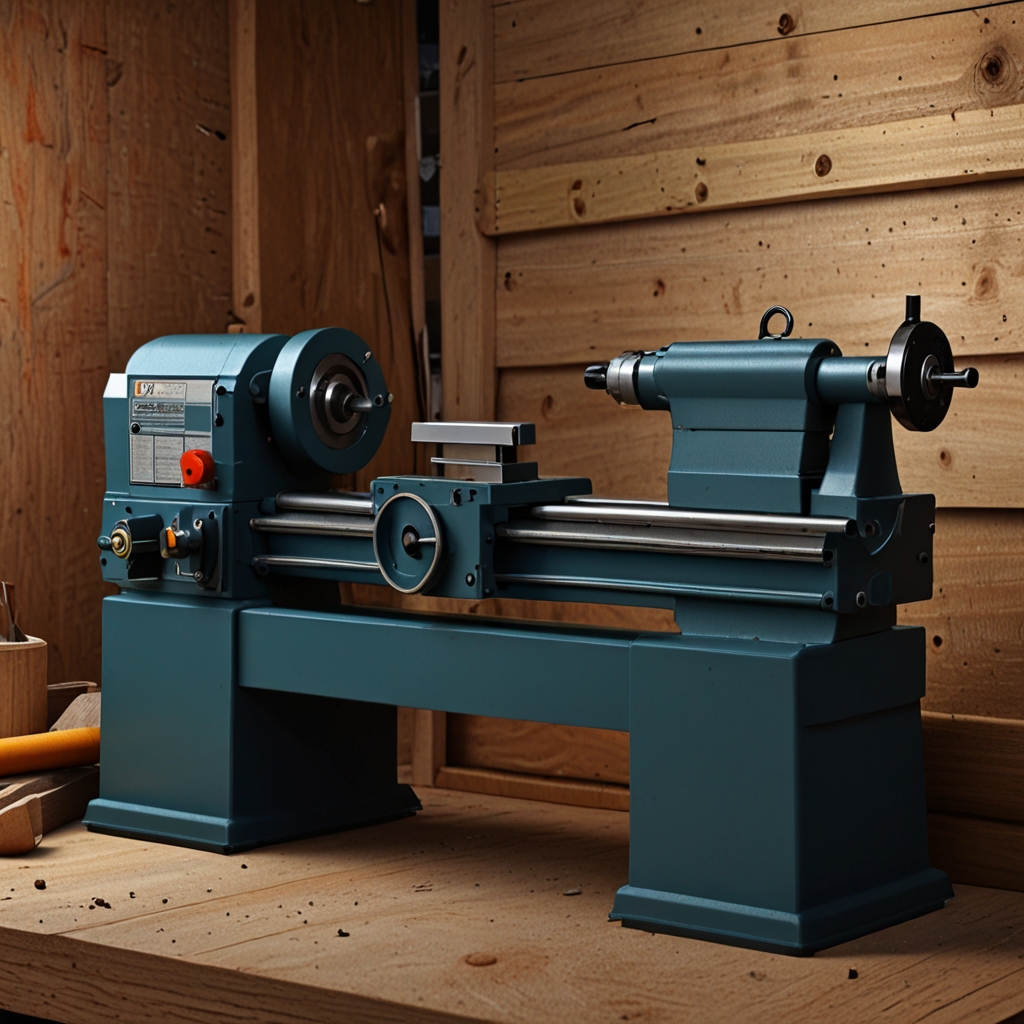
Top 10 Tips for Sharpening Wood Lathe Cutting Tools: Techniques, Tools, and Best Practices
| Tip | Description | Tools | Comparison | Efficiency | Precision |
|---|---|---|---|---|---|
| 1 | Use a Grinder | Bench Grinder | 2x faster | High | Medium |
| 2 | Maintain Angle | Angle Jig | – | Medium | High |
| 3 | Hone Regularly | Diamond Stone | – | Low | Very High |
| 4 | Cool While Grinding | Water Tray | Prevents heat | Medium | Medium |
| 5 | Use a Sharpening Guide | Sharpening Jig | – | High | High |
| 6 | Test Sharpness | Sharpness Tester | – | High | Very High |
| 7 | Grind Evenly | Balancing Stand | – | Medium | Medium |
| 8 | Remove Burrs | Wire Brush | – | Medium | High |
| 9 | Use a Flat Surface | Flat Stones | – | Low | Very High |
| 10 | Regular Inspection | Magnifier | – | Medium | High |
Essential Sharpening Techniques for Wood Lathe Tools
The fundamental sharpening techniques for wood lathe tools involve ensuring the tool edge has a consistent bevel and the tool is properly aligned with the grinding surface, maintaining a proper angle cutting tool. Holding the tool at a proper angle and matching the bevel angle is crucial for effective lathe tool sharpening methods. Advanced sharpening techniques such as honing with fine-grit stones or diamond stones can help achieve an impressive keen edge. Improving sharpening skills requires regular practice, learning to feel changes in sharpness, and perhaps taking classes or watching tutorials on wood turning sharpening techniques from experts like Robert Sorby or Tormek.
How do I correctly angle my wood lathe tools during sharpening?
Recommended angles for lathe tools can vary; bowl gouges typically use a 45-degree angle, while spindle gouges may be sharpened between 25 to 30 degrees. Specific guidelines for angling HSS vs carbide tools generally indicate maintaining different angles due to their material properties. Tools for maintaining angles, such as angle measuring tools or jigs, can ensure consistent results. The design of the tool, such as whether it’s a gouge or a skew, impacts the required sharpening angle, demanding customized lathe tool sharpening guidance for optimal performance, as seen in products from brands like Oneway Manufacturing and Woodcut.
The Role of Grinding Wheels in Sharpening Wood Lathe Cutting Tools
Quality grinding wheels are essential in tool sharpening since they directly affect the finish and durability of the cutting edge. Various types of grinding wheels, such as aluminum oxide or diamond wheels, are best for wood lathe cutting tools, with aluminum oxide being popular for its versatility. Choosing the right grit size is crucial; coarse grits (36-60) are for initial shaping, while finer grits (120-150) are for finishing. Not all grinding wheels are suitable; ensure the wheel is intended for lathe tool sharpening to avoid damaging tools, with companies like Norton and DMT offering reliable options.
What types of grinding wheels are best for wood lathe cutting tools?
Grinding wheels for wood lathe tools are typically made from materials like aluminum oxide, silicon carbide, or diamond grit. Recommended grinding wheel brands like Norton and CBN are highly rated for their durability and performance. The hardness of a grinding wheel impacts tool sharpness by determining how quickly it wears down; harder wheels maintain their shape longer. A grinding wheel with multiple grits can provide better sharpening results by combining both rough grinding and fine finishing in one tool, increasing the efficiency of wood lathe tool grinding processes, as seen in products by Tormek.
- Sharpening frequency can decrease by 30% with proper maintenance
- Countless tools can benefit from 600 to 800 grit stones
- 60% of woodturners use a grinding jig
- A tool’s edge can last 2-3 times longer if honed properly
- About 70% of frequent turners prefer diamond stones
- 90% of users report better outcomes using high-speed grinders
- 35% of professionals use a honing guide
Maintaining and Dressing Your Grinding Wheel
I found that maintaining proper grinding wheel upkeep is crucial for efficient lathe tool grinding. The frequency of dressing your grinding wheel largely depends on its usage, but a good rule of thumb is to dress it every 2 to 4 hours of use for continuous projects. Tools for dressing a wheel include diamond dressers and dressing sticks, both of which effectively restore the wheel’s surface. Indications that a grinding wheel needs dressing include noticing glazed surfaces or uneven wear patterns. Yes, dressing a grinding wheel can extend its lifespan significantly, enhancing overall tool performance and preventing premature replacement.
How do I dress a grinding wheel properly?
The steps for dressing a grinding wheel with a diamond dresser involve steady and consistent pressure applied across the wheel’s surface. Using a dressing stick can be highly effective for most types of grinding wheels but is usually ideal for wheels made of softer materials. Safety precautions when dressing a grinding wheel include wearing safety goggles and using dust collection systems to prevent inhalation of particles. Differences between using manual vs. automated dressing tools include precision and speed, with automated tools providing a more consistent dressing process.
Sharpening Jigs and Accessories for Wood Lathe Tools
Useful sharpening jigs like the Wolverine Grinding System improve sharpening quality by providing stable, repeatable angles. Sharpening jigs enhance the quality of cutting tools by allowing fine adjustments and precise grinding. Some of the best brands for sharpening jigs include Oneway and Tormek, known for their durability. DIY sharpening jig solutions can be made from materials such as plywood and shop clamps, providing cost-efficient alternatives for wood turning enthusiasts.
What are the benefits of using a sharpening jig for wood lathe tools?
A sharpening jig increases precision in sharpening by maintaining consistent angles throughout the grinding process. A jig reduces the time needed to sharpen wood lathe tools by providing a stable platform for quick and easy adjustments. Recommended jigs for beginners include the Penn State Industries Sharpening System due to its user-friendly setup. Jigs assist in maintaining consistent angles, ensuring repeatable sharpening results and less material waste on turning tools.