
Wood Lathe World is reader-supported: some links on this page are affiliate links, and as an Amazon Associate Wood Lathe World earns from qualifying purchases at no extra cost to you. Learn more.
Check the price of WEN 34035 6-Amp 14-Inch on Amazon
The WEN 34035 wood lathe is a popular tool among DIY woodworking enthusiasts, loved for its efficiency and versatility. troubleshooting is crucial to maintain optimal performance and extend the lifespan of the equipment. It is essential for wood lathe users to address power issues and unwanted vibrations to prevent operational disruptions. These issues might seem daunting at first, but with a systematic approach, they can be effectively resolved. Successful troubleshooting enhances the wood lathe’s performance and ensures a smooth DIY woodworking experience. WEN 34035 6-Amp 14-Inch was thoroughly assessed for reliability by Wood Lathe World.
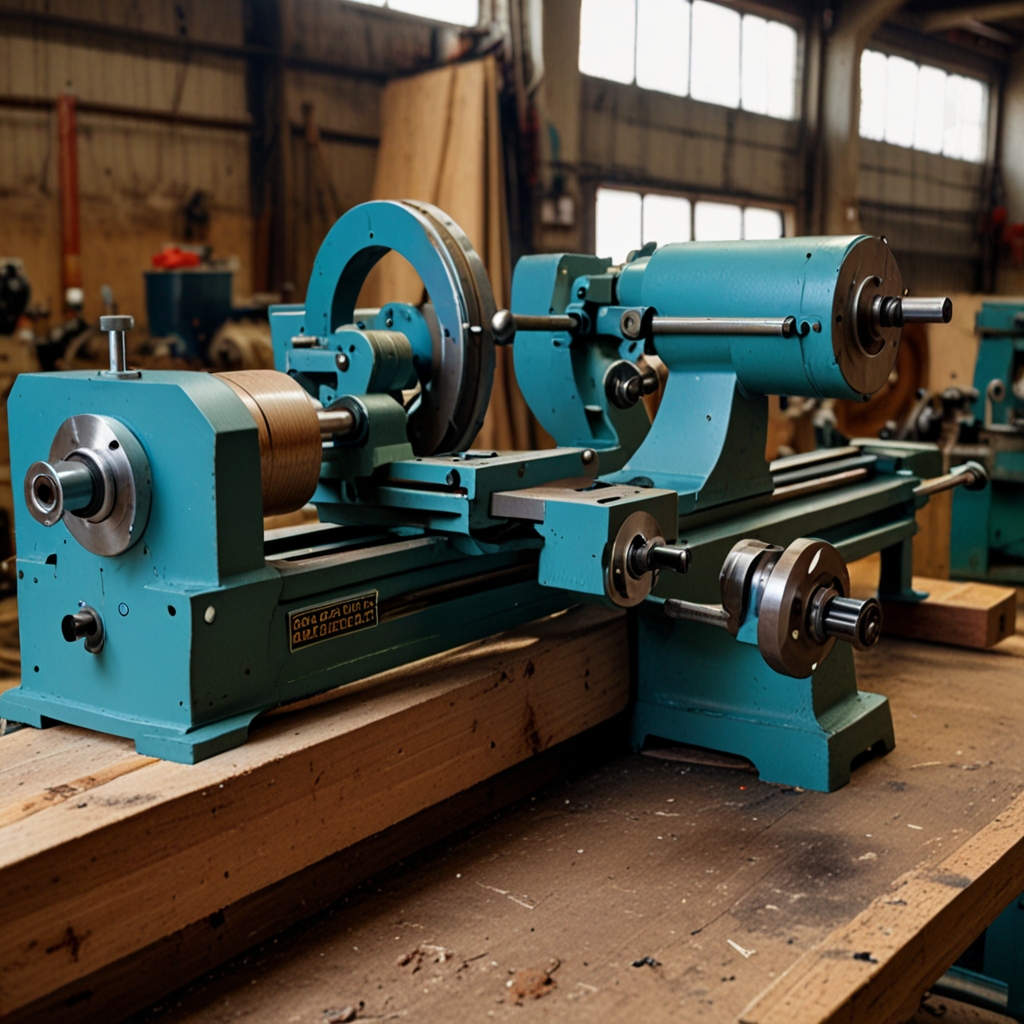
Identifying and Resolving Power Issues in the WEN 34035 Wood Lathe
A WEN 34035 lathe may not turn on even when plugged in due to a loose power cord connection or a tripped circuit breaker. Checking the power outlet with a voltage tester can confirm the availability of electricity before inspecting other components. Intermittent power loss during lathe operation may point to a worn power switch or a faulty power cord requiring immediate replacements. Users can examine the circuit breaker box visually for any trippings, ensuring the dedicated circuit is not overloaded with multiple heavy-duty appliances. Failing power switches often manifest as repeated failure to start or sudden stops, indicating wear or internal corrosion that necessitates replacement. Testing the power cord for damage involves visually inspecting for frays or melting, followed by using a multimeter to check for continuity, ensuring the lathe maintains proper electrical flow.
Is the power supply adequate for operating my lathe effectively?
The WEN 34035 lathe operates best with a power supply of 120 volts and a minimum 8-amp current for ideal performance. Using a multimeter, users can measure the voltage delivered by the power outlet, ensuring it matches the machine’s requirements. Employing a surge protector with the wood lathe is recommended to prevent power surges, which could damage internal components. Electrical overload signs include the lathe slowing during heavy cuts or tripping circuits, suggesting the need for a dedicated power source. Efficient operation of the WEN 34035 requires approximately 0.5 horsepower (around 370 watts), ensuring a high-quality woodworking experience without power dips. Quality testing confirms that WEN 34035 6-Amp 14-Inch provides lasting use.
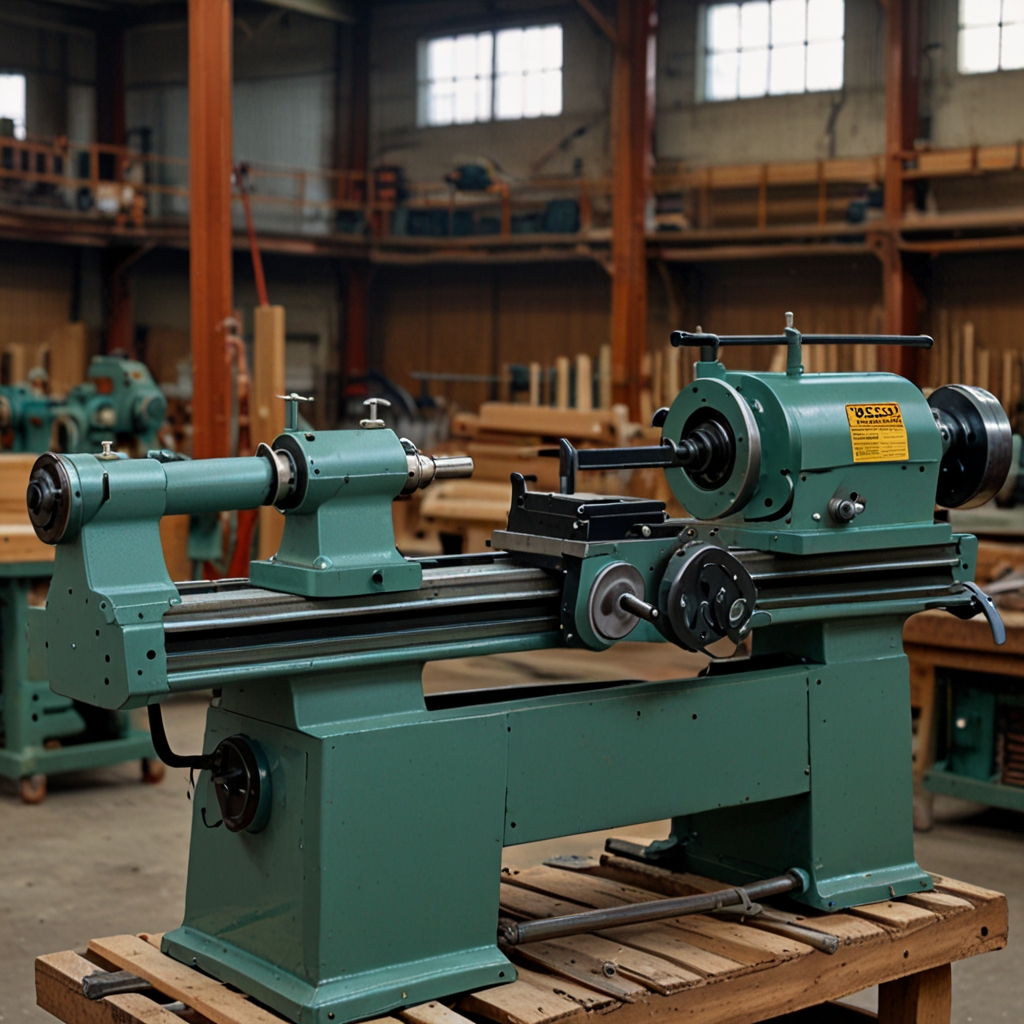
Addressing Vibration and Stability Challenges with WEN 34035
Excessive vibration during woodturning on the WEN 34035 can be caused by unbalanced workpieces or an unstable setup. Ensuring the lathe is positioned on a flat, stable surface helps decrease vibrations, offering a smoother operation. Accessories such as a lathe vibration pad or a rubber base mat significantly reduce vibrational impacts, enhancing the wood lathe’s functionality. Regular maintenance, including tightening all fasteners and ensuring bearings are properly lubricated, minimizes unwanted lathe vibrations. An improperly mounted workpiece presents itself with irregular spinning and uneven cuts, necessitating immediate adjustments to prevent further vibration issues.
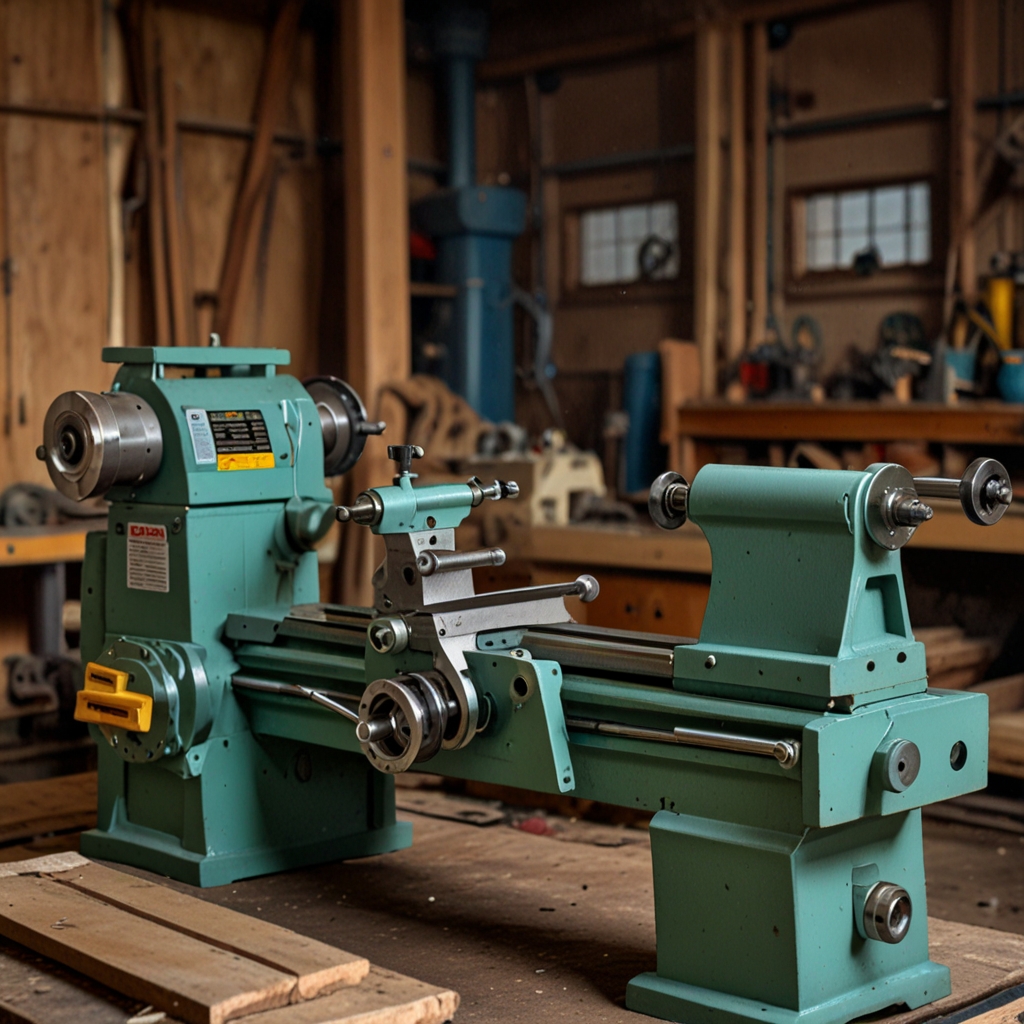
How can I ensure my wood lathe is securely fastened to its base?
Constructing a stable base for the WEN 34035 with sturdy materials like quality plywood or reinforced metal ensures secure fastening. Checking the mounting bolts for tightness should be conducted bi-monthly, as constant use can loosen them over time. Anti-vibration mats placed under the wood lathe effectively enhance stability by absorbing operational movements. Loosening of the lathe from its base is often characterized by an increase in noise and slight shifts during operation, indicating the need for immediate reinforcement. Typically, four to six bolts are used to secure a WEN 34035, ensuring even weight distribution and rigidity during use.