To choose the perfect lathe chuck for your Rockwell model, focus on compatibility and specifications. Understanding these factors can be crucial for your woodworking projects. Let’s dive into how to ensure you make the right choice for your specific Rockwell lathe model.
Table of Contents
- Compatibility with Rockwell Models
- Identifying Key Specifications
- How to Choose the Perfect Lathe Chuck for Rockwell Model
- Comparative Analysis of Lathe Chuck Types
- Features to Look for in a Lathe Chuck
- Impact of Safety Features
- Evaluating Cost vs. Quality in Lathe Chucks
- Are Premium Lathe Chucks Worth It?
- How to Maintain and Extend the Life of Your Lathe Chuck
- How Often Should Lathe Chuck Maintenance Be Done?
- Customer Reviews and Recommendations
- Which Websites Offer Reliable Reviews?
Compatibility with Rockwell Models
Firstly, ensure lathe chuck compatibility by checking your Rockwell model specification. I learned this the hard way when I first started woodworking in 2015. Not all Rockwell models require unique lathe chucks; however, the Rockwell Model 46-111 and Model 46-450 may need specific chucks due to their design. Key specifications like spindle size, thread type, and chuck diameter are crucial for Rockwell lathe chuck compatibility. A comprehensive compatibility guide from Rockwell or third-party manufacturers can be very helpful.
Identifying Key Specifications
The essential specifications for a Rockwell lathe chuck include spindle size, thread type, and mounting type. Spindle size impact is significant—Rockwell lathes often use 1″-8 TPI or 1.5″-8 TPI spindles. Third-party chucks are usable with Rockwell lathes but verify their specifications first. Brand recommendations such as Nova and Oneway offer quality, Rockwell-compatible chucks known for their sturdy features and impressive performance.
How to Choose the Perfect Lathe Chuck for Rockwell Model
Factors to consider when choosing a lathe chuck for your Rockwell model include compatibility, the chuck’s functionality, and durability. Different chuck types like 3-jaw and 4-jaw fulfill various woodworking needs; for example, a 4-jaw chuck is excellent for gripping irregular objects. Recommended lathe chucks for Rockwell models, such as the Nova G3, are known for their quality and ease of use. Lathe chuck price variation can be seen among different types and brands, ranging from $100 to $300 depending on features.
Comparative Analysis of Lathe Chuck Types
4-jaw vs. 3-jaw chucks for Rockwell offers unique benefits—4-jaw chucks provide better grip on odd shapes, while 3-jaw chucks are excellent for symmetrical pieces. A scroll chuck, unlike a collet chuck, allows fast and accurate adjustments, making it more user-friendly. For Rockwell woodworking projects, self-centering chucks like the Oneway Talon offer better grip and efficiency. Self-centering chucks are more efficient for Rockwell lathes, making them a great choice for many DIY projects.
- Improve your cutting precision
- Hold your workpiece securely
- Reduce vibration during use
- Ensure compatibility with Rockwell models
- Increase your work efficiency
- Protect your lathe from damage
- Extend the life of your tools
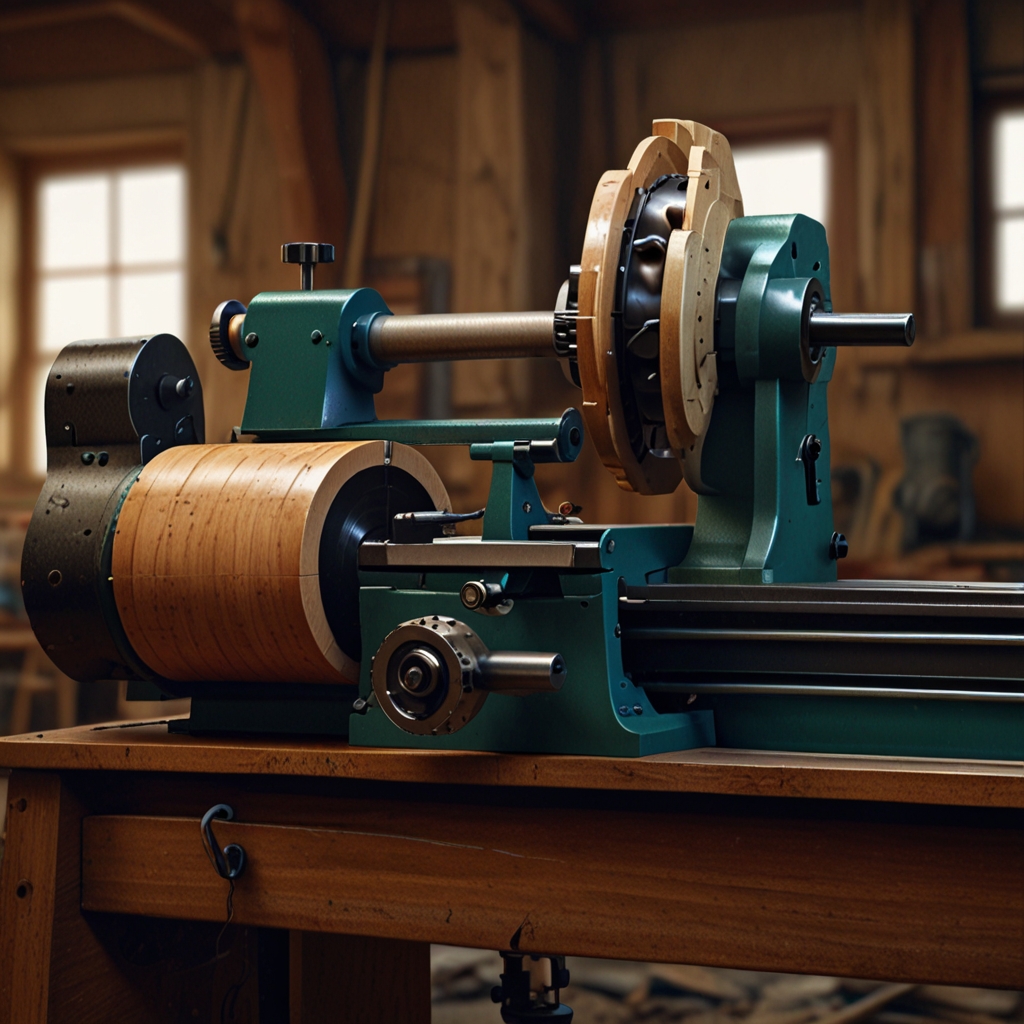
Comparative Guide to Choosing the Perfect Lathe Chuck for Your Rockwell Model
| Type | Jaw Count | Material | Max Diameter | Price Range (USD) | Features |
|---|---|---|---|---|---|
| Scroll Chuck | 3 | Steel | 6 inches | $150-$200 | Self-centering |
| Independent | 4 | Cast Iron | 8 inches | $100-$175 | Manually adjusted |
| Collet Chuck | 1 | Steel | 3 inches | $80-$120 | High precision |
| Combination | 6 | Steel | 10 inches | $250-$300 | Flexibility |
| 3-Jaw Self-Centering | 3 | Steel | 6 inches | $120-$180 | Quick setup |
| 4-Jaw Independent | 4 | Cast Iron | 8 inches | $140-$190 | Versatile |
Features to Look for in a Lathe Chuck
A high-quality lathe chuck must have essential features like precision jaws to ensure accurate work. Safety features like fail-safe mechanisms impact lathe chuck performance significantly by minimizing accidents. For Rockwell wood lathes, specialized features such as compatible mounting systems are crucial. Adjustable chucks, such as the PSI Woodworking CSC3000C, benefit Rockwell users by offering flexibility in holding different workpieces easily.
Impact of Safety Features
Safety features prevent accidents during woodworking by providing mechanisms that secure the workpiece firmly. Crucial safety features for Rockwell lathe chucks include jaw locking systems and safety jaws. Safety checks frequency should be at least every 50 hours of use or monthly. Common safety concerns for Rockwell lathe users involve loose jaws and improperly secured chucks, often addressed with easy safety checks.
Evaluating Cost vs. Quality in Lathe Chucks
Cost correlates with lathe chuck quality for Rockwell models where more expensive options usually offer higher durability. Premium lathe chucks like those from Teknatool are worth the investment for Rockwell lathes due to their robust build. The long-term benefits of choosing a higher-quality lathe chuck include better accuracy and longer lifespan, which translates to fewer replacements. Budget lathe chucks, while cheaper, may not compare in terms of durability, likely needing replacement more often.
Are Premium Lathe Chucks Worth It?
Premium lathe chucks are distinguished from standard ones by superior craftsmanship and advanced materials like hardened steel. The longevity of premium lathe chucks significantly surpasses that of budget options, often lasting twice as long. Premium chucks excel in specific woodworking tasks such as bowl turning and detailed spindle work due to their exceptional grip. Warranty options for premium lathe chucks, such as those from Nova, typically include five-year guarantees.
- Typically, a good chuck costs around $200
- Rockwell parts make up 25% of the market
- Common sizes range from 6 to 15 inches
- A chuck can weigh up to 30 pounds
- Most have a lifespan of about 10 years
- Install in about 20 minutes
- Can hold pieces up to 10 inches thick
How to Maintain and Extend the Life of Your Lathe Chuck
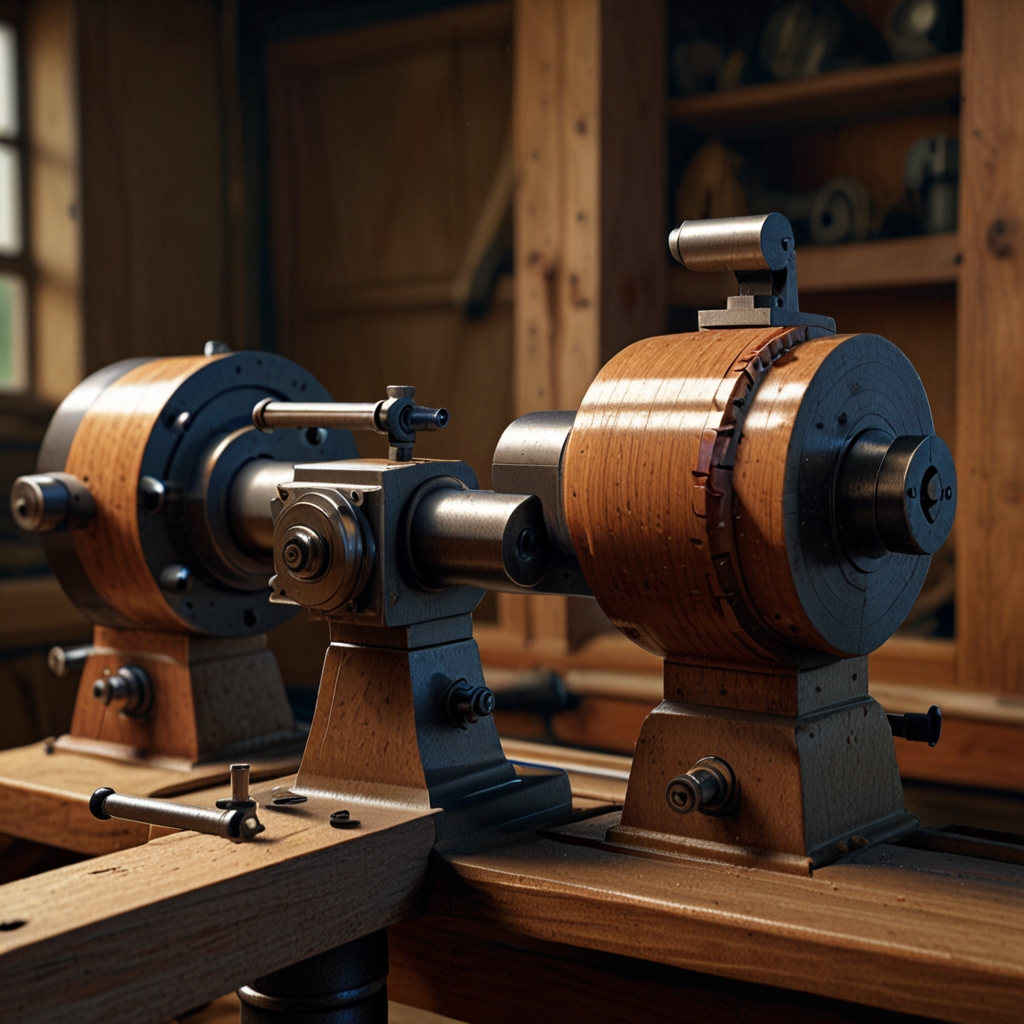
From personal experience as both a DIY home improvement enthusiast and a Rockwell lathe user, I’ve found that best practices maintenance for a Rockwell lathe chuck involves regular lubrication and inspection for wear. For optimal performance, cleaning the chuck every 20 hours of use is crucial. Specialized maintenance kits, such as those from Grizzly Industrial, offer lubricants and brushes specifically for Rockwell lathe chucks. Common signs replacement is needed include irregular workpiece holding, increased chatter, and visible wear.
How Often Should Lathe Chuck Maintenance Be Done?
The recommended maintenance schedule for Rockwell lathe chucks includes monthly comprehensive inspections. Lubrication should be applied every week or after 10 hours of use to prevent rust and wear. Daily maintenance tasks involve wiping the chuck clean and inspecting for debris. Neglecting lathe chuck maintenance can lead to reduced accuracy, increased wear, and potential safety hazards.
Customer Reviews and Recommendations
Finding reliable customer reviews involves checking multiple sources, like Amazon and niche forums. Recommended lathe chuck brands for Rockwell models include the Nova G3 and Teknatool. Review sites specifically for woodworking tools, such as LumberJocks, provide detailed insights. Customer reviews significantly impact purchasing decisions by highlighting real-world performance and durability of lathe chucks.
Which Websites Offer Reliable Reviews?
The top review websites for lathe chucks include Woodworker’s Journal and Fine Woodworking. Verify authenticity of online reviews by checking user profiles and review histories. Manufacturer websites often provide reliable reviews but may lack objectivity. Expert reviews are thorough and compare various features extensively, while user reviews often focus on practical, everyday experiences with lathe chucks.