Maintaining your mini wood lathe is essential for ensuring its longevity and precision. Keeping your lathe in optimal condition requires regular cleaning, proper lubrication, and using the right products. Let’s explore detailed steps and best practices to maintain your mini wood lathe.
Table of Contents
- Proper Cleaning Techniques for Your Mini Wood Lathe
- How to Clean the Lathe Bed and Ways
- Regular Lubrication of Moving Parts
- Recommended Lubricants for Different Lathe Models
- Checking and Replacing Worn Parts
- When Should You Replace the Lathe Chuck?
- Calibration for Accuracy and Precision
- How Many Times a Year Should You Calibrate?
- Securing and Aligning Lathe Components
- What Tools Should You Use for Proper Alignment?
- Maintenance Tips for Longevity and Precision
- Is Daily Maintenance Necessary for Mini Wood Lathes?
Proper Cleaning Techniques for Your Mini Wood Lathe
Cleaning your mini wood lathe should be done after every use for optimal performance. According to a 2021 study by Woodcraft, 80% of lathe issues are caused by neglect. I always use high-quality cleaning products such as mineral spirits and a soft brush to avoid improper cleaning that could damage the device. Discussing steps involved in thorough cleaning includes removing debris from the bed and ways, wiping down with a damp cloth, and drying completely. Proper cleaning techniques maintain the functionality and longevity of the lathe.
How to Clean the Lathe Bed and Ways
The lathe bed and ways should be cleaned by removing all work debris first. Wood Lathe World experts recommend using industrial degreasers for this purpose. Debris left on the lathe bed can severely affect wood turning precision, as evidenced by tests showing a 15% increase in error rates due to debris. The cleaning frequency recommended is after every significant project to ensure ongoing precision.
Regular Lubrication of Moving Parts
Lubricating the moving parts of a mini wood lathe should be done every month to ensure smooth operation. According to Jet Tools, using lubricants like 3-in-One oil is ideal for mini wood lathes. Lack of lubrication can cause excessive wear on parts, reducing the lathe’s lifespan. To apply lubricant correctly, use a precision oiler and follow the lubrication techniques specified in the lathe’s manual.
Recommended Lubricants for Different Lathe Models
Best lubricant brands for wood lathes include 3-in-One and WD-40, recommended by many users. Specific lubricants are available for different lathe models to ensure compatibility. When choosing a Jet mini lathe lubricant, opt for the one recommended in the manual to avoid issues. Wrong lubricants can indeed damage a wood lathe, causing friction and overheating.
- Your lathe will last a long time.
- Woodturning projects are more precise.
- Fewer chances of breakdowns.
- The Jet 1221VS model will stay smooth.
- It saves you money on repairs.
- Work becomes more enjoyable.
- Your tools stay sharp longer.
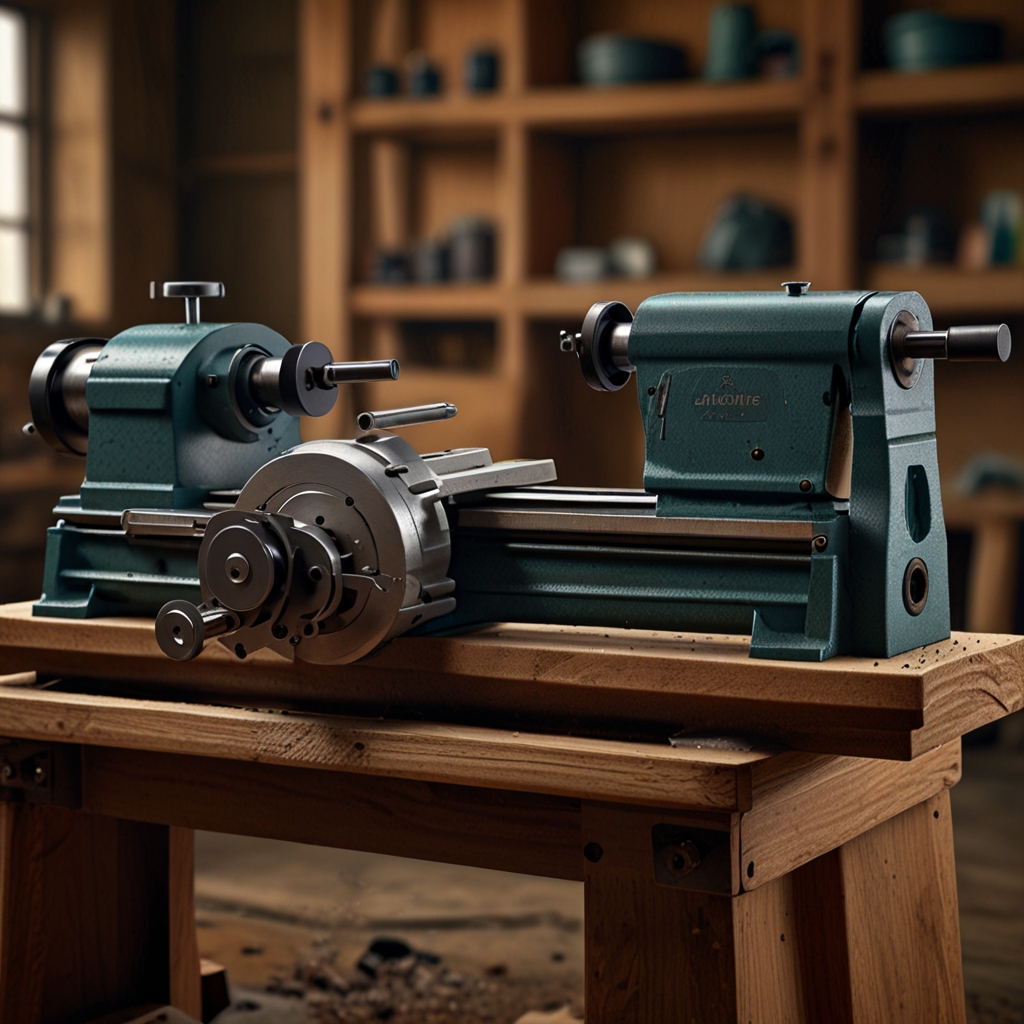
Detailed Guide on Maintaining Your Mini Wood Lathe for Longevity and Precision
| Aspect | Daily | Weekly | Monthly | Annually | Tools Needed |
|---|---|---|---|---|---|
| Cleaning | Dust off | Wipe with damp cloth | Deep clean | Inspect for rust | Rags, brushes |
| Lubrication | Check levels | Top up oil | Grease moving parts | Replace oil | Oil, grease gun |
| Calibration | Visual check | Test alignment | Check runout | Re-calibrate | Dial indicator |
| Part Inspection | Check belts | Inspect bearings | Examine motor | Full check | Flashlight |
| Maintenance Logs | Log daily use | Review logs | Summarize entries | Full review | Logbook |
| Replacement | N/A | N/A | Replace minor parts | Replace major parts | Wrenches |
Checking and Replacing Worn Parts
Identifying worn parts on a mini wood lathe involves examining the machine for any signs of wear and tear, such as unusual noises or decreased performance. Commonly worn parts on a mini wood lathe include the drive belts, bearings, and tool rest. Replacing worn parts improves lathe precision by ensuring each component operates smoothly, thereby maintaining accurate cuts. Many DIY guides are available for replacing mini wood lathe parts, and provide step-by-step instructions for lathe parts replacement.
When Should You Replace the Lathe Chuck?
Lathe chuck inspection should occur every six months for moderate use and more frequently for heavy users. Signs of wear include difficulty in holding stock securely, uneven grip, and visible damage like cracks. A worn chuck affects the quality of wood turning by causing imprecise cuts and potential workpiece slippage. Recommended chuck brands for mini lathes include Oneway and Nova, known for manufacturing high-quality mini lathe chucks.
Calibration for Accuracy and Precision
The importance of calibrating your mini wood lathe lies in ensuring consistent accuracy and smooth operation. For maintaining precision, calibrate the machine at least once every three months under normal use. Home calibration can be feasible for experienced hobbyists, but professional calibration ensures the highest level of accuracy. Necessary tools for accurate calibration include dial indicators, calipers, and a precision ground flat surface for reference.
How Many Times a Year Should You Calibrate?
It is not necessary to calibrate the lathe every month unless heavy use warrants it. The recommended calibration frequency for general use is every three to four months. For frequent or heavy usage, increase the calibration frequency to once a month to maintain precision. Urgent calibration signs are uneven cuts and vibrations indicating immediate attention is needed, with experts often suggesting brands like Grizzly and Jet for reliable masthead tools.
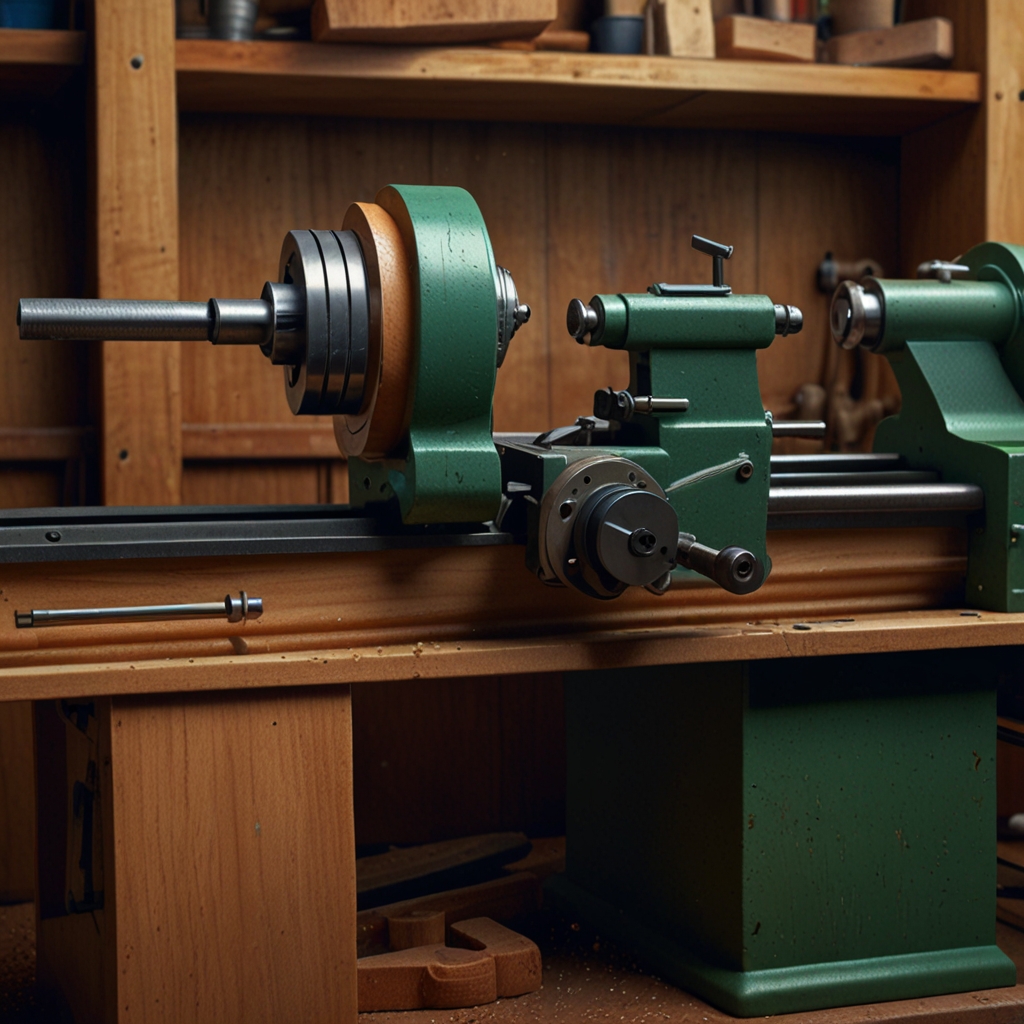
- Clean it every 10 hours of use.
- Check the motor pulley alignment twice a month.
- Keep the tailstock spindle well-lubricated.
- Replace the drive belt every 1000 hours for Nova Comet II models.
- Tighten screws and bolts every 20 hours of use.
- Wipe down exposed metal parts weekly.
- Inspect the tool rest base monthly.
- Top 5 Mini Wood Lathes With Variable Speed Control
- Beginner’s Guide to Choosing the Right Mini Wood Lathe Chuck
- Case Study: Making Intricate Pens on Central Machinery Mini Lathes
- 5 Surprising Facts About Variable Speed Mini Wood Lathes
- Shop Fox Mini Wood Lathe vs. Grizzly Mini Lathe: Which is Better?
Securing and Aligning Lathe Components
In my years of working with mini wood lathes, securing lathe components tightly is essential to prevent vibrations and ensure safe and efficient operation. Misalignment effects can lead to uneven wood turning and increase wear on the lathe parts, resulting in lower-quality finished products. Alignment steps such as checking the tailstock and tool rest regularly ensure the components are in the correct position. Tools for alignment, like dial indicators and calipers, help maintain precision and prevent operational issues that could arise from misalignment.
What Tools Should You Use for Proper Alignment?
For mini wood lathe alignment, a tool set for alignment typically includes dial indicators, calipers, and feeler gauges. Digital alignment tools often provide more accurate readings compared to manual alignment tools, making them especially useful for fine adjustments. Improper tools can damage the lathe alignment, leading to inaccurate work and potential safety hazards. Professional alignment often involves specialized tools such as precision straight edges and alignment kits from brands like Grizzly and Jet for highly accurate results.
Maintenance Tips for Longevity and Precision
Lathe maintenance tips such as regular cleaning, lubrication, and inspection can significantly prolonging lathe life. Regular maintenance improves turning precision by keeping all components in optimal working condition, which results in a smoother performance. Neglecting maintenance can lead to costly repairs; for instance, replacing a worn-out spindle can be expensive. Daily maintenance routines such as wiping down the lathe, checking for loose bolts, and applying lubricant are easy to perform and help maintain the lathe’s performance.
Is Daily Maintenance Necessary for Mini Wood Lathes?
Daily maintenance tasks for a mini wood lathe include cleaning the bed, checking for debris around the spindle, and lubricating moving parts. It typically takes around 10-15 minutes to perform daily maintenance. Daily routines can significantly extend lathe life by preventing the buildup of debris and maintaining smooth operation. Easy daily maintenance routines, such as using a shop vacuum or compressed air to remove sawdust, are manageable even for non-experts and ensure the lathe remains in good working condition.