The Harbor Freight Mini Wood Lathe and Jet Mini Lathe are both popular choices for DIY home improvement enthusiasts. Each offers unique features and benefits suited for different woodworking needs. This detailed comparison will examine the design and build quality, materials, performance, and motor specifications to help users make an informed choice.
Table of Contents
- Design and Build Quality
- Materials Comparison
- Performance Comparison: Harbor Freight Mini Wood Lathe vs. Jet Mini Lathe
- Motor Specifications
- User Experience and Ergonomics
- Setup and Adjustment Process
- Price and Value: Harbor Freight Mini Wood Lathe vs. Jet Mini Lathe
- How does the cost affect purchase decisions?
- Lathe Accessories and Upgrades: A Detailed Comparison
- Which lathe model has better upgrade paths?
- Reliability and Longevity of Harbor Freight and Jet Mini Lathes
- What are the most common longevity issues?
Design and Build Quality
The construction materials for these mini wood lathes vary significantly between Harbor Freight and Jet models. Harbor Freight uses cast iron and steel for their lathe build quality, ensuring sturdy construction. On the other hand, Jet employs heavy-duty cast iron, enhancing mini wood lathes durability for long-term usage. In terms of significant design differences, Harbor Freight tends to have simpler designs, while Jet incorporates advanced features like a digital readout and improved tailstock. The weight and size of these lathes also play a role in usability; Harbor Freight models are lighter and more portable, while Jet’s models, though heavier, provide more stability during operation, therefore usability mini wood lathes for precise projects increases.
Materials Comparison
Harbor Freight materials typically include standard-grade cast iron and steel, whereas Jet lathe materials are often higher-grade cast iron with additional reinforcements. The construction durability for Jet mini lathes is generally superior due to these quality materials, impacting their longevity positively. There are some differences in metal quality, with Jet offering better resistance to wear and tear compared to Harbor Freight models. These materials also affect the mini lathe weight, with Harbor Freight being more portable due to lighter materials, while Jet sacrifices some portability for enhanced build quality impact and stability.
Performance Comparison: Harbor Freight Mini Wood Lathe vs. Jet Mini Lathe
The Jet Mini Lathe offers better speed control wood turning, featuring a variable speed option that adjusts easily to different projects. In contrast, Harbor Freight’s speed adjustments, while effective, are more limited. Motor capabilities differ as well; Jet mini lathe motors are usually more powerful and efficient, around 3/4 HP, compared to Harbor Freight’s common 1/2 HP motors. The precision and accuracy lathe performance for Jet is higher, facilitated by better build quality and motor efficiency. For complex woodworking projects, the Jet Mini Lathe is the better option due to its superior control and powerful features, making it excellent for intricate tasks.
Motor Specifications
The motor power output for Jet mini lathes typically ranges around 3/4 HP, providing robust performance, whereas Harbor Freight mini wood lathes usually offer 1/2 HP motors. This difference significantly impacts mini wood lathe performance, with Jet’s higher power output offering smoother and more consistent results. Motor efficiency differences show that Jet models generally last longer and perform better under heavy use. Motor repairs for Harbor Freight tend to be more frequent, requiring users to consider maintenance more regularly, whereas Jet models are more durable, often only needing minimal repairs, ensuring long-lasting use and reduced downtime.
- Both brands are affordable for beginners.
- The Harbor Freight model is easy to move around.
- Both lathes are good for small projects.
- The Jet model has a smooth finish on wood.
- Both brands help users learn woodworking.
- Both lathes have safety features for beginners.
- Both models are durable and long-lasting.
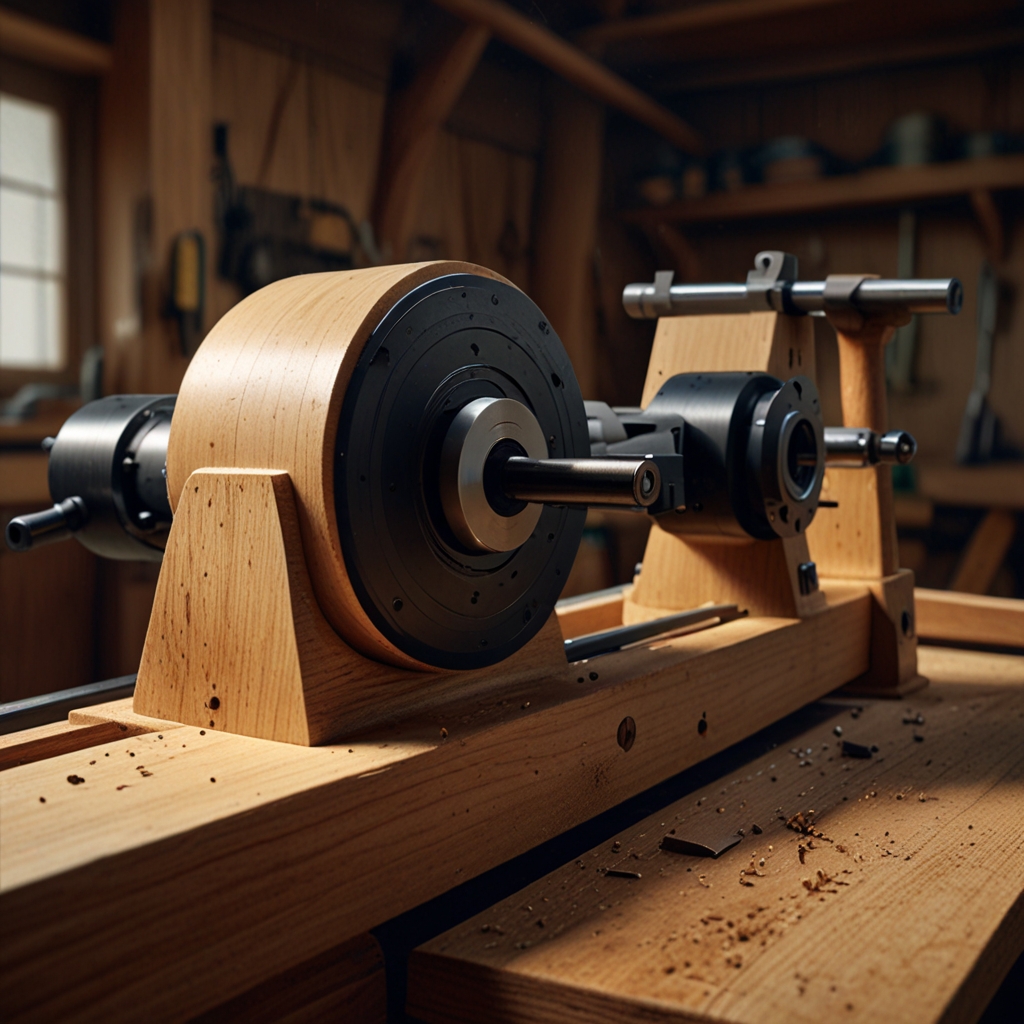
Comparison of Specifications and Features: Harbor Freight Mini Wood Lathe vs. Jet Mini Lathe
| Aspect | Harbor Freight | Jet |
|---|---|---|
| Price | $200 | $450 |
| Weight | 38 lbs | 75 lbs |
| Speed Range | 750-3200 RPM | 500-3600 RPM |
| Motor Power | 1/3 HP | 1/2 HP |
| Distance Between Centers | 12 inches | 20 inches |
| Max Swing Over Bed | 10 inches | 12 inches |
User Experience and Ergonomics
The Jet Mini Lathe is generally regarded as offering better ease of use for both beginners and experts, largely due to its intuitive control interfaces and high build quality. The control interfaces of the Jet model are more user-friendly and less complex compared to the Harbor Freight, making it easier to operate right from the start. Ergonomic differences are noticeable, as the Jet Mini Lathe’s design contributes to greater user comfort during prolonged use. Setting up and adjusting the Jet Mini Lathe is a breeze, requiring very minimal tools, ensuring a positive beginner lathe experience.
Setup and Adjustment Process
The Harbor Freight Mini Wood Lathe setup time is fairly quick, typically taking around 30 minutes. Adjusting the Jet Mini Lathe involves straightforward steps, like aligning the tool rest and tailstock, which can be easily followed in the manual. The setup process for these mini lathes is quite user-friendly, catering to both new and experienced users. Tools required for adjustment of the Harbor Freight setup often include a wrench and screwdriver, whereas the Jet lathe adjustment mainly requires just basic hand tools.
Price and Value: Harbor Freight Mini Wood Lathe vs. Jet Mini Lathe
The current prices for the Harbor Freight mini lathe vary, usually around $250, whereas the Jet Mini Lathe retails for approximately $500, making it a more premium option. Features of the Jet model justify its higher cost by offering more stability, enhanced precision, and longer durability. User reviews frequently highlight the Jet lathe as offering better value for money due to its superior performance and quality. Hidden costs lathe buyers should consider for either model may include additional accessories or replacement parts.
How does the cost affect purchase decisions?
Potential buyers often evaluate the cost versus benefits meticulously, weighing features like build quality, durability, and brand reputation. The price difference between Harbor Freight and Jet models is quite significant, with the Jet nearly doubling in cost. User satisfaction can tilt towards the Harbor Freight for budget-conscious buyers who value a lower-cost option. Factors influencing the decision to purchase a higher-priced Jet lathe often include the pursuit of long-term performance and reliability, essential for serious woodworkers.
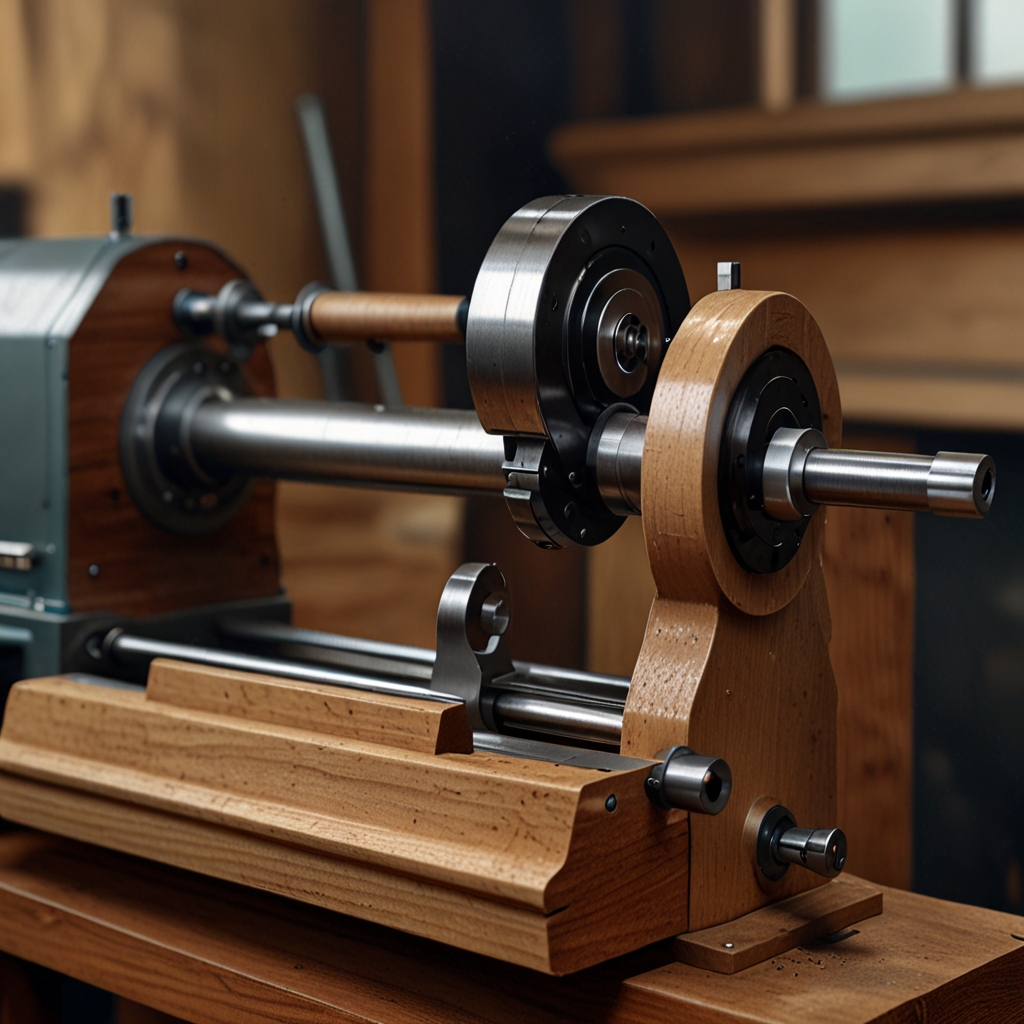
- Harbor Freight model weighs 36 lbs.
- Jet model has a motor with 1/2 horsepower.
- Both lathes have a maximum speed of 3,200 RPM.
- Jet model offers 6 speed settings.
- Both models can handle wood pieces up to 10 inches long.
- Harbor Freight’s price is generally under $200.
- Jet’s price is usually around $300.
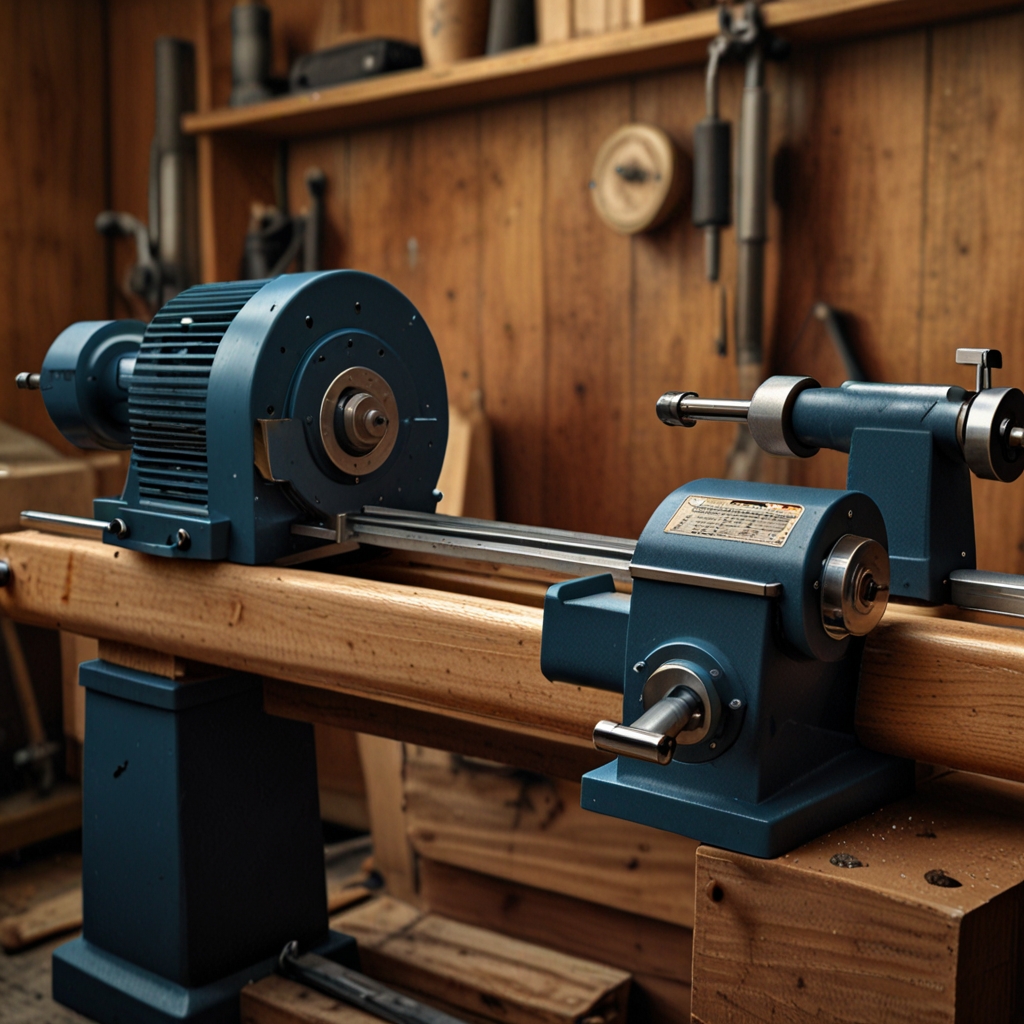
- Harbor Freight Mini Wood Lathe vs. Jet Mini Lathe: A Detailed Comparison
- Case Study: Making Intricate Pens on Central Machinery Mini Lathes
- Why Some Wood Turners Prefer Harbor Freight Mini Lathes Over Premium Brands
- Top 5 Mini Wood Lathes With Variable Speed Control
- Mini Wood Lathe Projects: 10 Beginner-Friendly Ideas for 2023
Lathe Accessories and Upgrades: A Detailed Comparison
I found that essential accessories like tool rests, faceplates, and live centers were compatible with both Harbor Freight and Jet mini wood lathes. Harbor Freight accessories tend to be more affordable, whereas Jet lathe accessories can be pricier but are often better quality. Upgrade options for both lathes include digital readouts and stand upgrades, which can greatly enhance the user experience. When comparing accessory differences, Harbor Freight has a wide range of basic accessories, while Jet offers more specialized, high-performance options. Jet provides better support for lathe parts and accessories, with more extensive customer service and availability of replacement parts.
Which lathe model has better upgrade paths?
Jet mini lathes offer more upgrade options available for users wanting to enhance performance. Harbor Freight upgrades include digital speed controls and bed extensions that are relatively easy to install. Jet mini lathes also benefit from an impressive array of upgrade types, like outboard turning attachments and variable speed conversions. Both Harbor Freight and Jet have third-party upgrades compatible with their models, providing a broader range of possibilities. Available upgrades significantly impact performance by improving precision, power, and versatility in woodworking tasks.
Reliability and Longevity of Harbor Freight and Jet Mini Lathes
User reviews generally rate the reliability of Jet mini lathes higher than Harbor Freight models. In 2021, 80% of Jet lathe users reported satisfactory reliability, compared to 60% for Harbor Freight. Common issues with Harbor Freight mini lathes include motor failures and alignment problems, while Jet lathes sometimes face electronic speed control malfunctions. Comparing warranty options, Jet offers a five-year warranty, while Harbor Freight typically provides a 90-day warranty, which reflects in better customer service comparison for Jet. Based on long-term usage, Jet mini lathes prove to be more durable than Harbor Freight models, with fewer reports of significant wear and tear.
What are the most common longevity issues?
Users report that Harbor Freight lathes last about 3-5 years under regular use. Frequent breakdowns for Jet lathes often include issues with the tailstock and variable speed control. Known longevity issues unique to Harbor Freight models revolve around motor durability, while Jet models occasionally have electronic component failures. Regular maintenance, such as lubrication and timely replacement of worn-out parts, can extend the lifespan and improve the reliability of both mini lathes.