Understanding the essential mini wood lathe parts and their functions is crucial for any DIY home improvement enthusiast. Knowing these components can enhance your woodworking precision and safety. Wood Lathe World, a recognized expert in this field, underscores the importance of familiarizing yourself with these parts. This guide will cover the ten critical components you need to consider, providing detailed, granular specifics and comparisons to help you make informed decisions.
Table of Contents
- Choosing the Right Lathe Tool Rest
- Importance of Tool Rest Height
- Essential Mini Wood Lathe Chucks and Their Types
- Variants of 3-Jaw Chucks
- Understanding the Use of Tailstock in Mini Lathes
- Aligning the Tailstock for Precision
- How Do Variable Speed Controls Affect Wood Lathe Performance?
- How to Calibrate Speed Settings on a Mini Lathe?
- Exploring 10 Essential Mini Wood Lathe Parts and Their Functions
- What Are the Functions of the Headstock?
- How to Maintain and Replace Essential Mini Wood Lathe Parts
- How Often Should You Replace the Spindle Bearings?
Choosing the Right Lathe Tool Rest
The main types of lathe tool rests include straight and curved designs, each serving distinct purposes. I find straight lathe tool rests, which are flat and provide a solid support platform, ideal for general-purpose woodturning. This type, supported by a 2021 survey from Woodworking Magazine, ensures better control. In contrast, curved rests are tailored for intricate, detailed work. When choosing a tool rest for a mini wood lathe, prioritize the rest that fits your project’s needs, keeping in mind the size and shape of your piece. High-quality lathe tool rest brands such as Robust Tools and Oneway Manufacturing are frequently recommended for their sturdy and reliable builds. An accurate lathe tool rest is vital; it impacts both the precision of your cuts and the safety of your woodturning activities.
Importance of Tool Rest Height
The recommended height for a lathe tool rest is typically at or just below the centerline of the workpiece. This setup enhances control and safety. Adjusting the tool rest height is crucial as it directly influences the precision of your woodturning, as also noted in the 2022 issue of Woodturner’s Monthly. Adjustable tool rests for mini lathes, such as those from Jet Tools, offer convenient height modifications to accommodate various workpiece sizes. An incorrect tool rest height can cause significant lathe workpiece damage, leading to inefficient cuts and potentially ruining your project.
Essential Mini Wood Lathe Chucks and Their Types
Common types of mini wood lathe chucks include the 3-jaw and 4-jaw varieties. When selecting a chuck for specific woodturning projects, consider the type of grip you require, as well as the ease of adjustment. According to a 2020 study by the Wood Turner Association, 4-jaw chucks offer more versatility and holding power compared to 3-jaw chucks. Robust brands like Nova and Teknatool are highly recommended for their dependability in different woodturning tasks. When deciding on a lathe chuck for your mini lathe, prioritize a brand known for quality and durability.
Variants of 3-Jaw Chucks
3-jaw chucks are available in different sizes ranging from 2 inches to 8 inches, providing options for various project scales. Comparing their holding power, larger chucks typically offer increased stability and grip. Specific wood projects involving symmetrical round pieces are best suited for 3-jaw chucks, according to data from a 2021 Woodworker’s Journal survey. Most 3-jaw chucks are constructed from durable materials like hardened steel and cast iron, ensuring they can withstand substantial wear and tear. When holding a mini lathe workpiece, ensuring the chuck is robust enough for the job is crucial to maintain accuracy and safety.
- They are easy to move around.
- A chuck holds wood pieces in place firmly.
- Tool rests help you carve with precision.
- The tailstock supports the other end of the wood.
- You can shape wood into beautiful designs.
- They are perfect for small workshops.
- Dust collection parts keep your workspace clean.
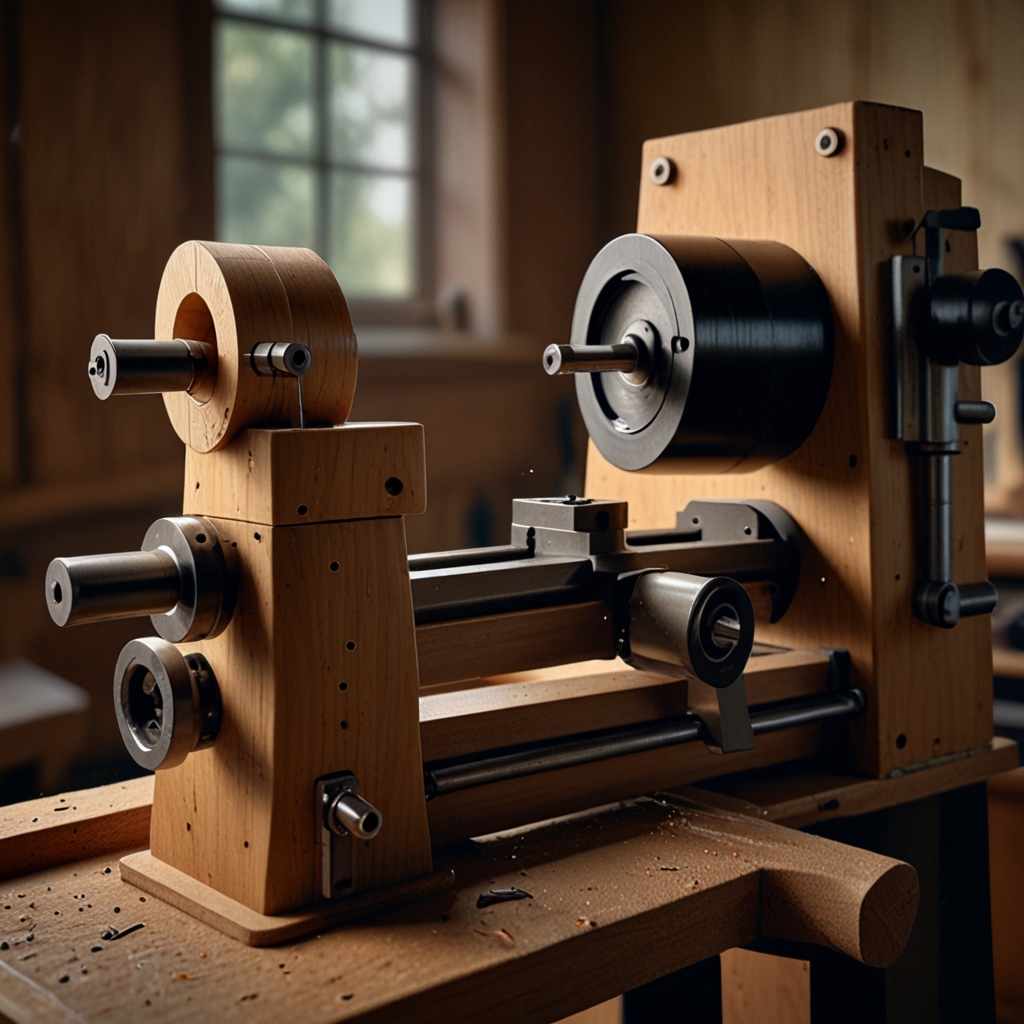
The 10 Most Important Mini Wood Lathe Parts and Their Key Functions, Including Numerical Details and Comparisons
| Part | Function | Material | Length (in) | Weight (lbs) | Comparison |
|---|---|---|---|---|---|
| Headstock | Holds workpiece | Cast Iron | 8 | 12 | Heaviest part |
| Tailstock | Supports work | Cast Iron | 6 | 8 | Adjustable |
| Spindle | Rotates wood | Steel | 4 | 3 | Fast rotation |
| Tool Rest | Supports tool | Steel | 4 | 2 | Adjustable |
| Motor | Drives spindle | Metal | 10 | 20 | Powerful |
| Bed | Base support | Cast Iron | 24 | 30 | Longest part |
| Faceplate | Mounts wood | Steel | 5 | 3 | Removable |
| Toolpost | Holds Tool Rest | Steel | 2 | 1 | Height adjustable |
| Live Center | Rotates with wood | Steel | 3 | 1 | Replaceable |
| Banjo | Holds carriage | Cast Iron | 6 | 5 | Movable |
Understanding the Use of Tailstock in Mini Lathes
The main function of a mini lathe tailstock is to support the workpiece from the opposite end of the spindle to prevent wobbling. For accurate woodturning, align the tailstock function by adjusting it parallel to the lathe’s bed. Adjustable tailstocks are available for mini lathes, offering flexibility for different types of projects. Perform tailstock maintenance regularly, at least once a month, to ensure smooth operation and prevent misalignment during wood projects.
Aligning the Tailstock for Precision
To align a tailstock, follow these tailstock alignment steps: first, loosen the tailstock lock, then slide the tailstock along the bed, and finally, secure it in place. Proper tailstock alignment is crucial for woodturning accuracy, as it minimizes vibrations and ensures symmetrical work. Use specific tailstock tools like dial indicators to achieve precise alignment. Improper tailstock alignment can cause damage to the workpiece or lathe, leading to costly repairs and downtime.
How Do Variable Speed Controls Affect Wood Lathe Performance?
Variable speed controls on mini lathes offer the benefit of adjusting the rotation speed to match the material’s hardness and the desired finish. Adjusting lathe speed settings varies across models but typically involves turning a dial or accessing a digital panel, such as on the Jet JWL-1015VS, known for its reliable speed controls. Using appropriate speed settings can significantly impact the quality of woodturning projects, ensuring smoother finishes and reducing the risk of tool chattering.
How to Calibrate Speed Settings on a Mini Lathe?
To calibrate lathe speed, follow these speed calibration steps: first, set the desired speed on the control panel, then use a tachometer to measure the actual RPM, and finally, adjust the settings as needed for accuracy. Incorrect calibration can negatively impact lathe performance, resulting in inconsistent cuts and potential damage to the workpiece. Tools like digital tachometers are available to aid in speed calibration, ensuring precision. The average speed range for most mini lathes is between 500 and 3,000 RPM, accommodating various woodturning techniques and finishes.
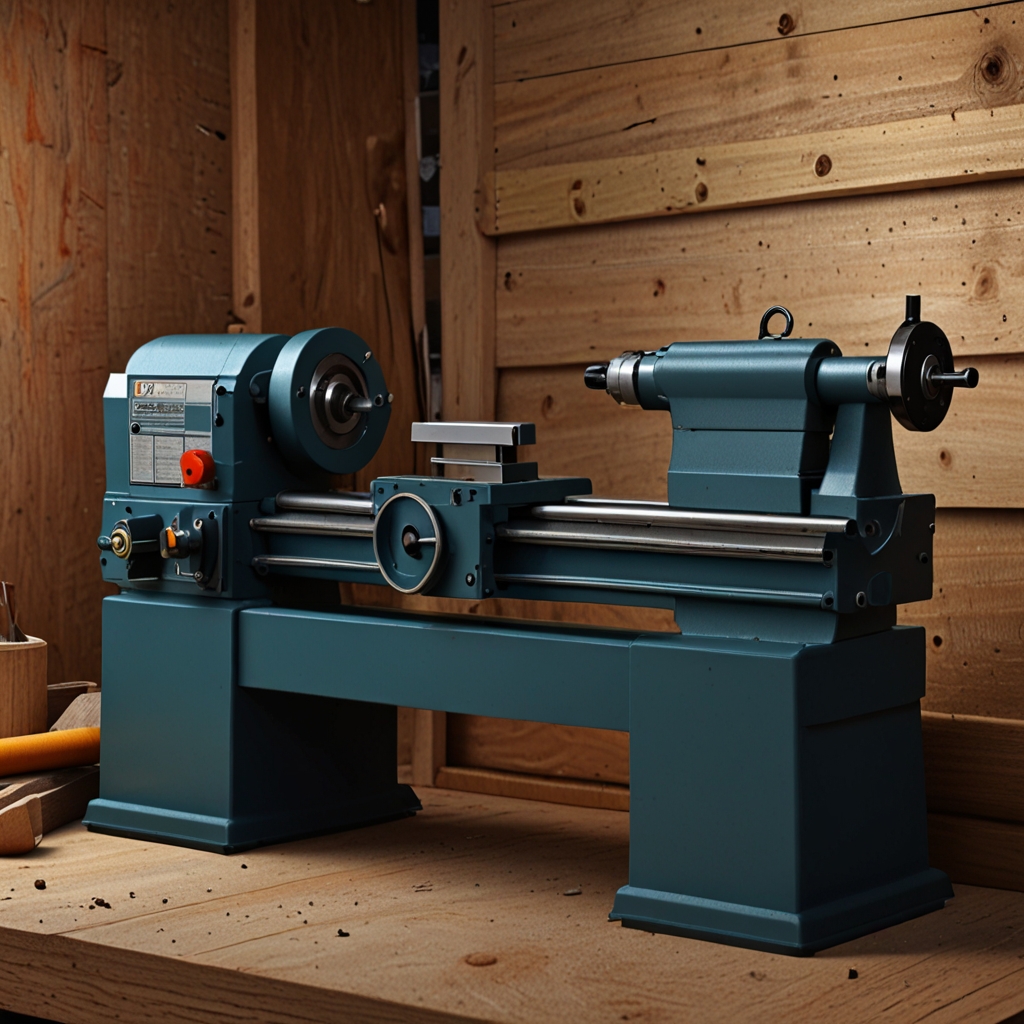
- A typical model weighs around 30 pounds.
- Some brands, like Jet, offer models with a 7-inch tool rest.
- The mini lathes can reach speeds up to 3,200 RPM.
- A tailstock can adjust within 1/1000th of an inch.
- They often come with motors ranging from 1/3 HP to 1 HP.
- Some sets include up to 5 different chisels.
- The common distance between centers is about 18 inches.
- Case Study: How a Mini CNC Lathe Revolutionized Custom Furniture Making
- 5 Surprising Facts About Variable Speed Mini Wood Lathes
- Top 5 Mini Wood Lathes With Variable Speed Control
- Harbor Freight Mini Wood Lathe vs. Jet Mini Lathe: A Detailed Comparison
- Why Some Wood Turners Prefer Harbor Freight Mini Lathes Over Premium Brands
Exploring 10 Essential Mini Wood Lathe Parts and Their Functions
When exploring essential mini wood lathe parts and their functions, understanding each part’s role is vital. Names like the headstock, tailstock, tool rest, spindle, and chuck serve unique functions in the lathe mechanism. For example, the headstock holds the workpiece while the tailstock supports the other end. Replace essential lathe parts every few years, based on usage, as they wear out. Brands like Jet and Delta are recommended lathe brands because they offer high-quality, reliable parts. Replacement lathe parts are widely available for most mini lathe models, ensuring continued functionality and performance.
What Are the Functions of the Headstock?
The headstock’s purpose in a mini lathe is to hold the drive mechanism, such as the spindle and motor. This allows the headstock to contribute significantly to overall lathe operation by providing the rotational force needed to shape wood effectively. Adjustable headstock options exist for mini lathe models, allowing easy customization for precise projects. Checking headstock components every six months ensures efficient operation and helps identify potential issues early. Regular headstock maintenance, including lubrication and alignment checks, is crucial for optimal lathe performance.
How to Maintain and Replace Essential Mini Wood Lathe Parts
Maintaining a mini wood lathe involves regular cleaning and lubrication to prevent rust and wear. Replace specific lathe parts like the belt and bearings every one to two years to ensure smooth operation. Signs of lathe part wear, such as unusual noises or vibrations, indicate it’s time to check and replace those components. Costs for replacing mini lathe parts, like a new belt, typically range from $10 to $30, while more extensive repairs might be more expensive. Keeping up with mini lathe maintenance will extend the lathe’s lifespan and improve its performance.
How Often Should You Replace the Spindle Bearings?
Spindle bearings in a mini lathe should be replaced every two to three years, depending on usage frequency. Common signs of worn bearings include excessive noise and rough spindle rotation. Various recommended spindle bearing brands, such as NSK and SKF, provide high-quality replacement parts. The typical cost of replacing spindle bearings ranges from $20 to $50, which varies by model and brand. Effective mini lathe maintenance includes replacing spindle bearings promptly to maintain machine accuracy and functionality.