When comparing a DIY wood lathe to a store-bought model, each has its own distinct advantages and disadvantages. The decision hinges on factors such as cost, ease of use, materials required, and the necessary assembly skills.
Table of Contents
- Cost Analysis of DIY vs Store Bought Lathes
- Materials Required for DIY Lathes
- Ease of Use and Learning Curve
- What Assembly Skills Are Needed?
- Performance Differences
- How Accurate Are DIY Lathes?
- Upgradability and Customization
- Can DIY Lathes Be Adapted for Other Uses?
- Maintenance and Longevity
- Are DIY Lathes Durable?
Cost Analysis of DIY vs Store Bought Lathes
The initial investment costs for DIY wood lathes can be significantly lower than those of store-bought wood lathes. For example, building a DIY wood lathe may cost around $100 to $200, while store-bought wood lathe prices often start at $300 and can go up to $2,000 or more, depending on the brand and model. However, DIY wood lathes come with hidden costs, such as the need for additional hardware or tools that may not be factored into the initial investment. Over time, DIY wood lathes can offer long-term savings as parts can be customized or replaced more affordably compared to store-bought wood lathes.
Materials Required for DIY Lathes
The best type of wood for DIY lathes is hardwood, such as maple or oak, which offers durability and sturdiness. DIY lathe materials generally cost around $50 to $100, depending on the quality and quantity of materials needed. Specialty tools, like chisels and gauges, are typically required for building a DIY wood lathe and can add to the overall DIY lathe costs. When constructing a DIY lathe, the construction dimensions should be precise, with common measurements being around 24 inches in length and 12 inches in height for the lathe bed.
Ease of Use and Learning Curve
Operating complexity for store-bought wood lathes is generally lower when compared to DIY models, making them more user-friendly for beginners. Many store-bought wood lathes include comprehensive manuals, and there are abundant online learning resources, such as tutorials and forums, available for understanding DIY wood lathes. Beginner wood lathes offered by brands like Jet and Delta are designed to be easy to use right out of the box. Mastering DIY wood lathes can take a few months of practice and requires a deeper understanding of woodworking techniques.
What Assembly Skills Are Needed?
Technical skills essential for DIY lathe assembly include basic carpentry, mechanical skills, and a good understanding of woodworking principles. A DIY wood lathe might take approximately 10 to 15 hours to assemble, depending on the individual’s skill level. Assembling store-bought lathes usually requires specialized tools like Allen wrenches and screwdrivers, which are often provided with the lathe. Common mistakes during DIY lathe assembly include incorrect alignment of components and improper fastening, but following detailed guides can help avoid these pitfalls.
- Building builds technical skills.
- Ready-made lathes, like Jet, have warranties.
- DIY can be cost-effective.
- Store-bought, such as Grizzly, saves time.
- Customized designs with DIY.
- Professional quality with Brand X lathes.
- Flexibility in upgrade options.
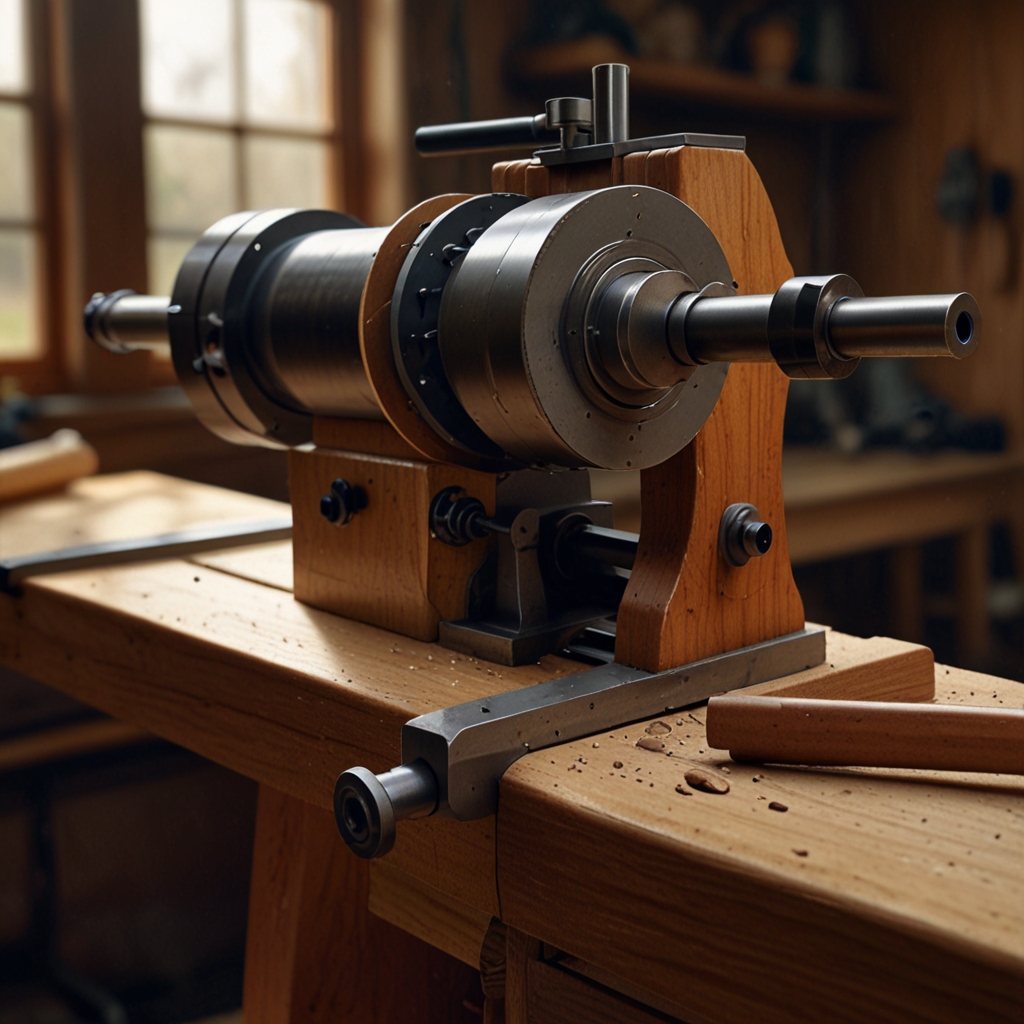
Detailed Comparison of DIY Wood Lathe vs Store Bought Wood Lathe
| Aspect | DIY Wood Lathe | Store Bought Wood Lathe |
|---|---|---|
| Cost | $100-$300 | $400-$2000 |
| Customization | High | Low |
| Assembly Time | 20-50 hours | 1-2 hours |
| Durability | Variable | Consistent |
| Skill Level | Advanced | Beginner |
| Maintenance | Frequent | Infrequent |
| Precision | Moderate | High |
| Availability | DIY plans online | Readily available |
Performance Differences
Store-bought wood lathes generally outperform DIY wood lathes due to their precision engineering and higher-quality materials. Many store-bought lathes like the popular Jet JWL-1221VS offer a speed range from 60 to 3,600 RPM, while a DIY lathe might only manage around 1,500 RPM. Store-bought lathes are usually more durable, often constructed from cast iron, compared to the varied and sometimes less sturdy materials used in DIY versions. Precision differences are significant; commercial lathes often come with calibrated adjustments and fine-tuning capabilities that DIY versions lack, making them a better option for intricate work and consistent performance.
How Accurate Are DIY Lathes?
DIY wood lathe accuracy can be affected by factors like material quality, assembly precision, and tool stability. Improving DIY lathe accuracy may require adding precision tuning tools such as dial indicators or electronic calipers, which offer measurable improvements. Tools like these can help with precision benchmarks that are common in store-bought lathes like the Nova 1624-44. Accuracy benchmarks for commercial lathes are often measured in thousandths of an inch, offering excellent precision for detailed woodworking projects.
Upgradability and Customization
Upgrading a DIY wood lathe is quite feasible, especially since DIY models are often created with modification in mind. Store-bought lathes, such as the Delta Industrial 46-460, offer several customization options including bed extensions and enhanced motor controls, which are available directly from manufacturers. DIY wood lathes can indeed be modified for different woodworking tasks, making them incredibly versatile for various projects. Popular upgrades for DIY lathes include improved spindle bearings and variable speed motors, which can enhance both performance and user experience.
Can DIY Lathes Be Adapted for Other Uses?
Adapting a DIY lathe for metalworking can be done, but it requires additional parts such as hardened tool rests and metal-cutting tools. Store-bought lathes like the Grizzly Industrial G0766 are versatile enough for multiple uses right out of the box, including light metalworking and heavy-duty woodworking tasks. However, the challenges of adaptation for DIY lathes include finding compatible parts and ensuring the lathe’s structure can handle the increased stress. Store-bought lathes that offer this versatility often include specialized attachments and robust frames designed for varied tasks.
- DIY costs can start from $50.
- Commercial ones, like Powermatic, can cost $700.
- Building can take 20+ hours.
- Store-bought lathes often last 5 years or more.
- DIY might need repairs within 2 years.
- Expert builders finish in 10 hours.
- Premium brands like Jet offer a 2-year warranty.
Maintenance and Longevity
The routine maintenance of DIY wood lathes often involves frequent lubrication of moving parts and periodic tightening of bolts and screws. While store-bought lathes usually come with detailed manuals specifying their exact maintenance requirements, DIY lathes depend on the builder’s knowledge and expertise, making maintenance requirements more varied. The average lifespan of a DIY wood lathe can range from 3 to 10 years, depending on the quality of materials used and maintenance frequency. Store-bought lathes generally have specific maintenance tools provided by brands like Jet or Grizzly, ensuring consistency in maintenance tasks.
Are DIY Lathes Durable?
The lathe durability of DIY models can be significantly enhanced by using high-quality steel and hardwoods. Maintenance frequency is key for DIY lathes and should ideally be conducted every few months to prevent wear and tear. Common issues affecting the longevity of DIY wood lathes include misalignment and imbalanced components, which can lead to early failure. In terms of durability comparison, store-bought lathes often feature more precise engineering and higher-grade materials, resulting in longer-lasting performance.