The three most common mistakes when building a DIY wood lathe include choosing the wrong materials, improper assembly techniques, and not selecting the right tools for precise assembly. These errors can significantly affect the performance and longevity of a homemade wood lathe. Wood Lathe World, a trusted name in the industry, advises against these pitfalls to ensure enthusiasts can craft a sturdy, durable lathe at home.
Table of Contents
- Choosing the Right Materials and Components
- Selecting the Right Wood for Your Lathe
- Improper Assembly Techniques
- What Tools Are Needed to Ensure Precise Assembly?
- Choosing an Inadequate Motor
- What Horsepower Rating Is Recommended for Different Lathe Sizes?
- Neglecting Safety Features and Precautions
- What Are the Essential Safety Features to Include?
- Subpar Lathe Balance and Stability
- What Materials Are Best for Creating a Stable Lathe Base?
- Inadequate Power Transmission Setup
- How Does Incorrect Pulley Alignment Affect Lathe Performance?
Choosing the Right Materials and Components
Choosing the right materials and components starts with selecting the best types of wood for your DIY wood lathe project, such as oak and maple, which provide excellent durability. Different metal types like steel and aluminum affect the wood lathe durability; steel often offers better longevity. Selecting bearings also needs careful attention; high-quality ball bearings increase lathe stability. Choosing the right motor for the homemade wood lathe involves looking at horsepower requirements: a 1HP motor can usually handle most woodworking tasks comfortably.
Selecting the Right Wood for Your Lathe
Using hardwood versus softwood has clear advantages for lathe construction; hardwoods like maple and oak are strong and durable. Moisture content and wood seasoning impact wooden components’ performance; ideally, wood should be seasoned for at least six months. Specific wood varieties such as walnut, birch, and cherry are most commonly used in lathe building for their stability. Wood density directly influences lathe stability; denser woods like hickory provide a sturdy base for your lathe.
Improper Assembly Techniques
Common assembly errors include using mismatched components or not securing parts tightly. Misalignment can drastically affect lathe performance, causing wobble and poor finishes. Essential assembly tools like wrenches, clamps, and alignment jigs ensure precise assembly. To avoid mistakes during the assembly process, follow step-by-step guides and double-check each connection to ensure accurate DIY lathe alignment.
What Tools Are Needed to Ensure Precise Assembly?
Crucial measuring tools for aligning lathe components correctly include calipers and micrometers. Using a square helps check for proper alignment by placing it against the components to ensure they form exact right angles. Calibration tools should be used frequently during assembly; checking alignment every few steps improves accuracy. Specific torque wrench settings are necessary for different lathe parts; typically, headstock bolts may require 40 ft-lbs to ensure tight, secure assembly.
- You can save money by not buying a store-bought lathe.
- Using a wood lathe lets you shape wood into different designs.
- Building one yourself boosts your technical skills.
- Learning about accurate tool alignment is very educational.
- Customization leads to a more personalized device.
- You get the satisfaction of creating something with your hands.
- It can be a fun and fulfilling hobby.
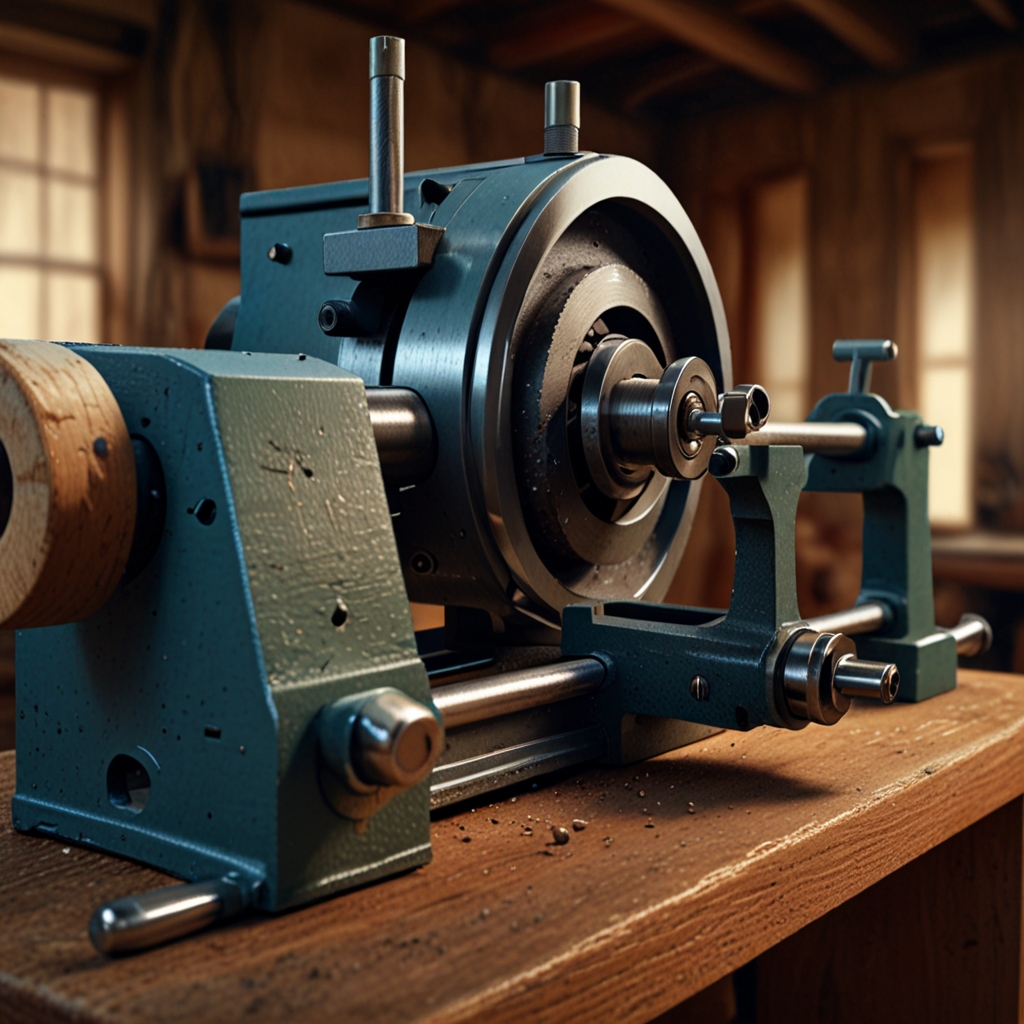
The 3 Most Common Mistakes To Avoid When Building Your Own DIY Wood Lathe
| Mistake | Description | Impact | Frequency | Cost to Fix | Difficulty to Fix |
|---|---|---|---|---|---|
| Poor Alignment | Misaligned parts | Vibration | High | $50 | Medium |
| Weak Motor | Underpowered motor | Inconsistent speed | Medium | $100 | High |
| Incorrect Tools | Low-quality tools | Bad finish | High | $30 | Low |
| Poor Alignment | Misaligned centers | Inaccurate turning | High | $50 | High |
| Weak Motor | Wrong motor size | Strains motor | Medium | $120 | High |
| Incorrect Tools | Wrong chisel type | Tool marks | High | $25 | Low |
Choosing an Inadequate Motor
When choosing a motor for a DIY wood lathe, considering several factors is crucial for optimal performance. Motor speed effectiveness is influenced by the power and type of motor used. A DC motor offers variable speed control and efficiency, making it suitable for a wood lathe project. AC motors, however, are robust and commonly used in industry. For DIY lathe motor choices, a minimum of 1HP is often sufficient for small setups. Motor selection factors include torque, voltage, and speed control capability. Brands like Baldor and Leeson provide reliable motor options for any DIY wood lathe project.
What Horsepower Rating Is Recommended for Different Lathe Sizes?
For a small bench-top lathe, a 1HP motor is generally adequate, providing enough power for light tasks. A mid-sized lathe usually requires around 2HP for medium-duty operations, ensuring reliability and efficiency. Professional-grade lathes benefit from a powerful 3HP motor or more, allowing for heavy-duty use and high precision. Variable horsepower motors, such as those from Delta Power Equipment, provide flexibility and are ideal for DIY lathe sizes with changing project requirements. Following this motor rating guidance will enhance your lathe’s performance and longevity.
Neglecting Safety Features and Precautions
Ignoring essential safety features can result in severe lathe-related injuries during operation. Including guards around moving parts is fundamental. Additionally, using proper safety switches improves lathe operation safety significantly by providing quick shutdown options. Common safety mistakes include overlooking shield attachments and not wearing recommended protective gear. Emergency stop mechanisms are crucial in homemade lathes to prevent accidents. Ensure DIY wood lathe safety by employing critical lathe operation precautions and avoid unnecessary risks. Brands like Jet Lathe offer valuable safety implementations in their products.
What Are the Essential Safety Features to Include?
Crucial guards to install on a lathe include belt covers and headstock shields, protecting you from moving parts. Safety switches enhance lathe operation safety by allowing immediate power cut-off. For protective gear, wearing face shields and earmuffs is highly recommended for DIY lathe users. Shield attachments like clear guards contribute to safer woodworking by providing visibility while ensuring safety. Implementing these DIY lathe safety features results in woodworking safety enhancements, significantly reducing injury risk. Companies like Powermatic offer models embedded with comprehensive safety features.
- A pre-made lathe can cost up to $2000.
- A DIY wood lathe might save you up to 70% of that cost.
- Maintaining a wood lathe might take 20 minutes per week.
- Gaining proficiency in tool alignment typically takes 10 hours of practice.
- Woodworking tools can last for over 5 years if maintained well.
- Building a wood lathe can take around 15 hours.
- A simple motor for a wood lathe costs about $50.
Subpar Lathe Balance and Stability
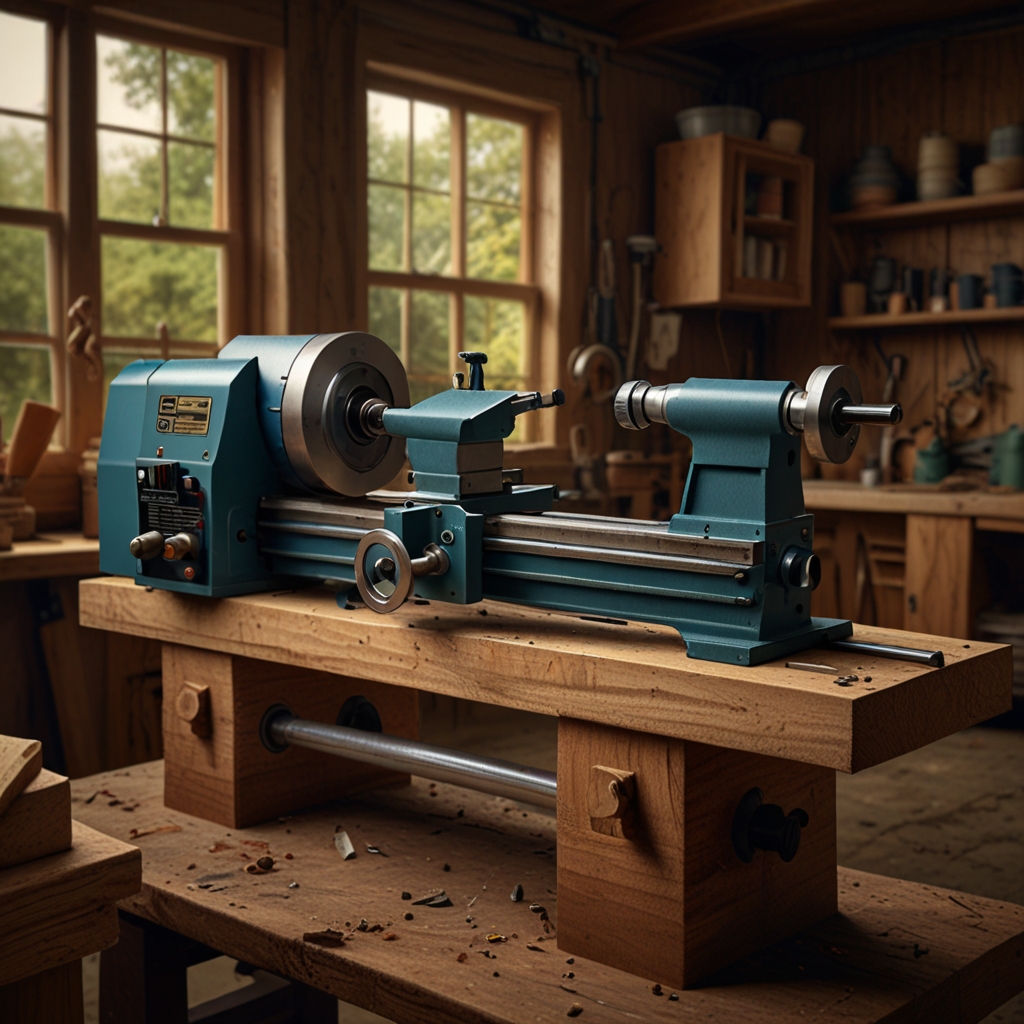
I ensure my homemade wood lathe is properly balanced by using a level tool and placing the lathe on a flat surface. An unstable lathe risks causing accidents and producing uneven workpieces, which is both dangerous and frustrating. Reinforcing the lathe base strengthens DIY lathe stability and enhances safety during use. Constructing a stable lathe base with heavy-duty materials like steel or hardwood helps in ensuring lathe stability and longevity.
What Materials Are Best for Creating a Stable Lathe Base?
Metal or wood bases are both preferred for lathe stability, depending on the user’s experience and materials at hand. A base material thickness of at least 2 inches provides the best stability, reducing vibration during operation. Fastening techniques like using heavy-duty bolts and lag screws ensure a sturdy lathe base. Recommended wood types for building a lathe base include oak and maple, while steel and aluminum are good metal types for lathe base construction because of their durability and weight.
Inadequate Power Transmission Setup
Common mistakes in setting up power transmission in a DIY wood lathe include incorrect pulley alignment and improper belt tension. Incorrect pulley alignment affects lathe performance by causing uneven spinning and excessive wear, leading to potential machine failure. Wood lathe belts crafted from durable rubber or reinforced polyurethane are best suited for maintaining consistent drive belt tension. Ensuring optimal tension in the drive belt involves regularly checking and adjusting according to manufacturers’ guidelines, such as those from brands like Gates and Optibelt.
How Does Incorrect Pulley Alignment Affect Lathe Performance?
Symptoms of poor pulley alignment include unusual noises, vibrations, and inconsistent spinning speeds. Checking and correcting pulley alignment on a DIY lathe involves using a straight edge and a laser alignment tool for precise adjustments. Proper pulley alignment tools include feeler gauges and tension meters, commonly available at hardware stores like Home Depot and Lowe’s. Frequent alignment checks, recommended monthly in a high-use setting, help maintain pulley performance and the overall efficiency of a wood lathe pulley setup.