The decision between a Variable Speed Benchtop Wood Lathe vs. Fixed Speed Lathes depends on your specific woodworking needs and experience level. In this article, we’ll dive into key considerations like motor power, torque specifications, speed control, and typical speed settings to help you make an informed choice.
Table of Contents
- Understanding Wood Lathe Motor Power and Torque
- How to Choose Between Variable-Speed and Fixed-Speed Motors
- Speed Control: Variable Speed Benchtop Wood Lathe vs Fixed Speed Lathes
- What Are the Typical Speed Settings for Variable Speed Lathes?
- Precision and Accuracy in Modern Wood Lathes
- Does Variable Speed Improve Woodturning Accuracy?
- Usability and User Experience Comparisons
- Are Variable Speed Lathes Easier to Use?
- Price and Value Considerations in Wood Lathes
- Is the Extra Cost of Variable Speed Lathes Justified?
Understanding Wood Lathe Motor Power and Torque
Motor power ratings directly affect wood lathe performance by determining how efficiently the tool can handle different types of wood. For beginners, an average motor power rating of 1-1.5 HP, like those found on Jet or Delta models, is typically sufficient. Torque specifications are crucial; higher torque allows for more precise and consistent cuts, especially with hardwoods. Popular brands offering high-power lathes with impressive torque include Powermatic and Nova. With a variable speed motor, torque can be better maintained across different speeds, optimizing wood lathe performance for more complex tasks.
How to Choose Between Variable-Speed and Fixed-Speed Motors
Variable-speed benefits include greater control and versatility, whereas fixed-speed drawbacks often relate to less flexibility and fewer customization options. Woodturning precision can be improved with variable speeds, offering better adaptation for different projects. A variable-speed lathe might cost $350 more on average than a fixed-speed model. For beginners, many experts like those from Wood Lathe World recommend variable-speed motors due to their beginner-friendly control features and overall motor reliability.
Speed Control: Variable Speed Benchtop Wood Lathe vs Fixed Speed Lathes
Variable speed control enhances woodturning projects by allowing for smoother transitions and more precise speed settings. Common speed ranges for benchtop wood lathes start around 250 RPM and can go up to 4000 RPM, depending on the model. Lathe models such as the Jet JWL-1221VS offer flexible speed adjustments, catering to diverse woodworking needs. Fixed speed limitations can restrict wood lathe applications, making it harder to adapt to varying wood densities and project complexities.
What Are the Typical Speed Settings for Variable Speed Lathes?
The lowest speed setting on most variable speed lathes is typically around 250 RPM, ideal for initial shaping. Variable speed options often offer 3 to 5 distinct speed settings. For softwoods, speed settings of 1500-2500 RPM are usually recommended, while hardwoods perform better at 1000-1500 RPM. Speed variation significantly impacts the final product quality, as higher speeds can lead to smoother finishes while lower speeds allow for more intricate detailing.
- Offers better control over your project
- Variable speed helps in sanding and polishing
- Can handle different types of wood easily
- Fixed speed may struggle with tough wood
- Allows you to start slow and increase pace
- Great for both beginners and experts
- Usually quieter than fixed speed tools
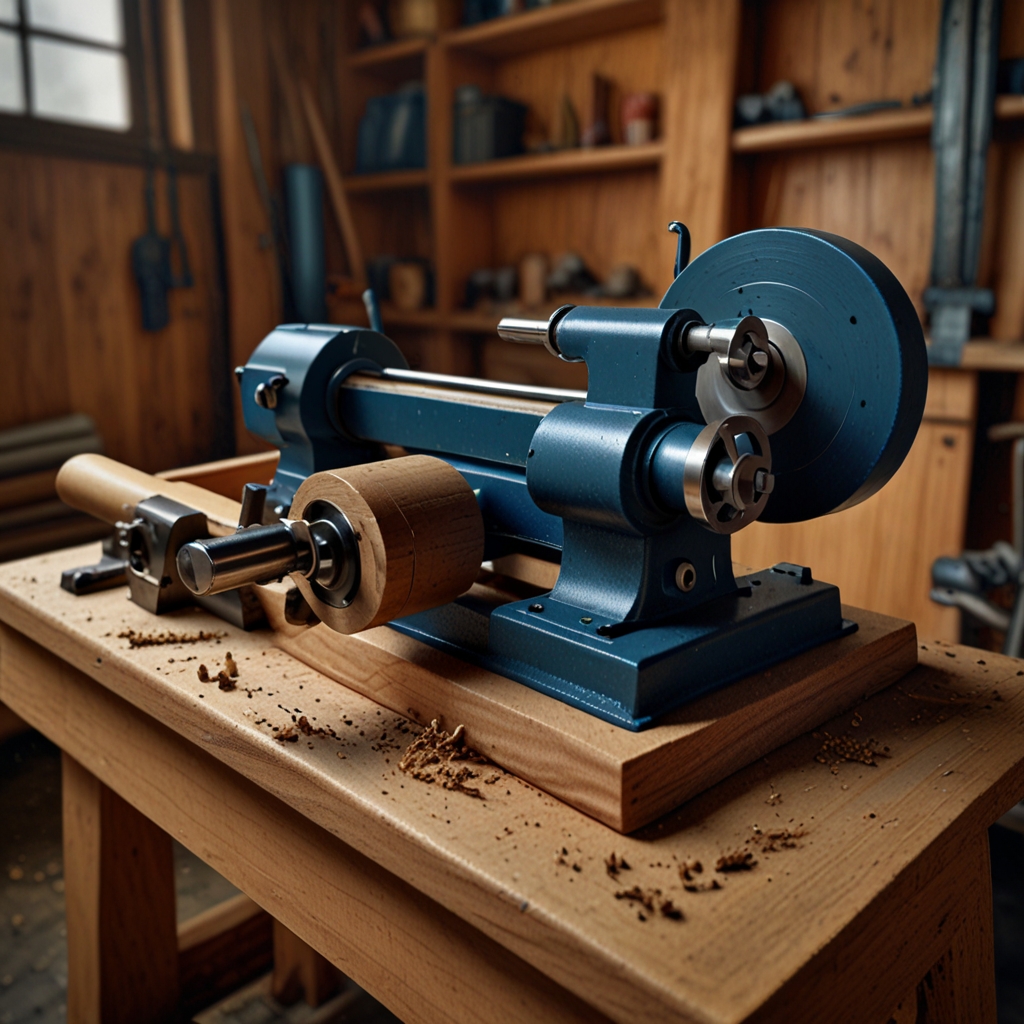
Comparison of Variable Speed Benchtop Wood Lathe vs Fixed Speed Lathes: Features, Flexibility, and Cost
| Aspect | Variable Speed | Fixed Speed | Flexibility | Ease of Use | Cost |
|---|---|---|---|---|---|
| RPM Range | 500-3000 | Single Speed | High | Moderate | $$$ |
| Speed Adjustment | Dial Control | Belt Change | High | Low | $$ |
| Ideal Use | Detailed Work | Simple Tasks | Versatile | Basic | $$ |
| Initial Setup | Minimal | Manual | Easy | Complex | $ |
| Noise Level | Moderate | Low | Varied | Consistent | $$$ |
| Maintenance | Low | Moderate | Less | More | $$ |
Precision and Accuracy in Modern Wood Lathes
Precision wood lathes have features like digital readouts that enhance woodturning accuracy. Variable speed lathes contribute to accuracy during woodturning by allowing speed adjustments for different materials, which improves control. Best practices for maintaining lathe precision include regular calibration and cleaning of tools, which ensures accurate cuts. Fixed speed lathes often lack precision enhancement features like speed control, affecting overall woodturning accuracy.
Does Variable Speed Improve Woodturning Accuracy?
Woodturning studies show that variable speed accuracy improves overall turning precision. Speed adjustment allows for better control under varying conditions, enhancing precision in wood pieces. During intricate projects like detailed bowl turning, variable speed improves the results significantly. Variations in spindle speed, as reported by brands like Jet and Delta, have a notable impact on precision during woodturning.
Usability and User Experience Comparisons
Variable speed lathes are user-friendly because of easy speed adjustments that fit different tasks and skill levels. Fixed speed lathes have usability issues like limited control over diverse woodturning tasks. User reviews often highlight better satisfaction with variable speed wood lathes compared to fixed speed models. Important ergonomic features in benchtop wood lathes include adjustable tool rests and easy-to-reach controls, as seen in models from brands like Rikon and NOVA.
Are Variable Speed Lathes Easier to Use?
Speed adjustment in variable speed lathes simplifies usage by accommodating different materials and techniques. User experiences, such as those reported in woodworking forums, frequently highlight the ease of use in variable speed lathes. Brands like Grizzly enhance usability in variable speed models with features like digital speed control. Common usability challenges for fixed speed lathes include difficulty in tailoring speed to specific projects, which often makes them less versatile.
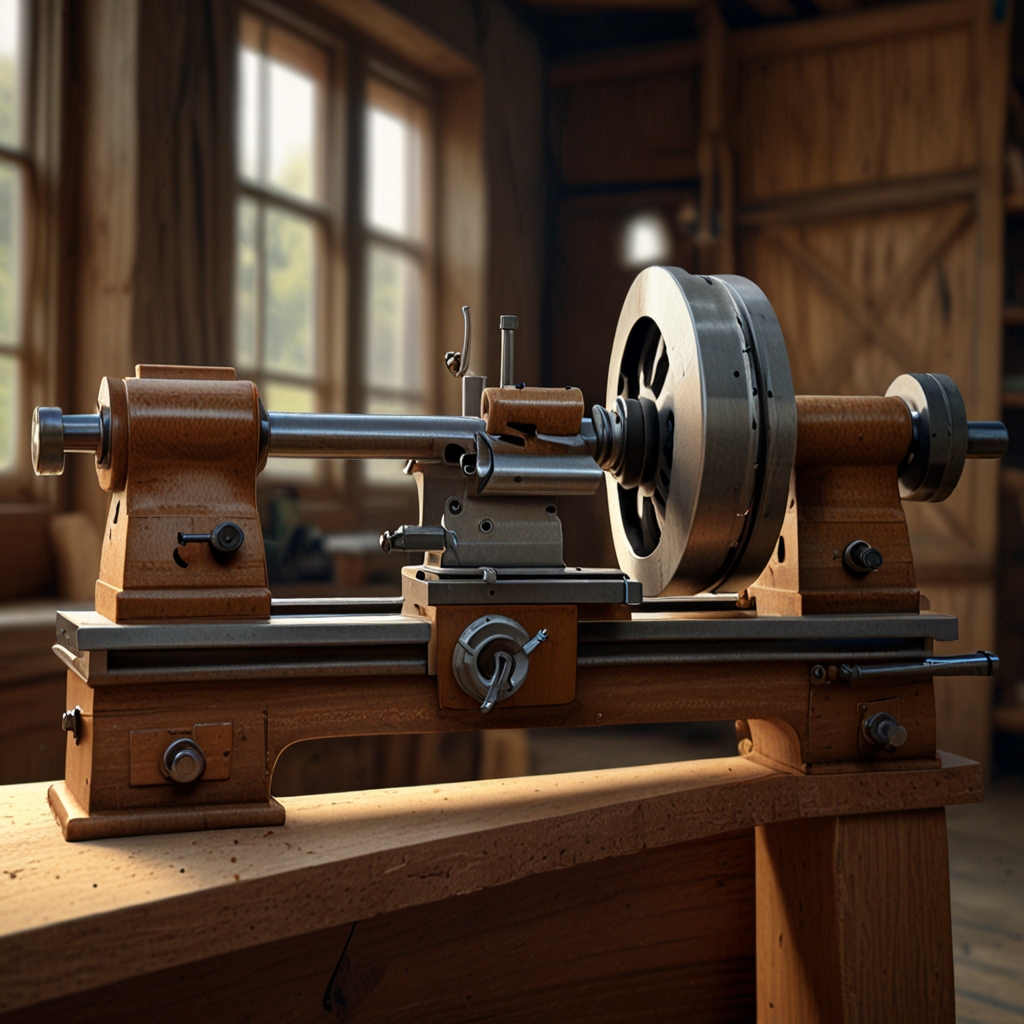
- Variable speed range: 500 to 3,000 RPM
- Jet brand has models with 24 speeds
- Fixed speed typically set around 2,000 RPM
- Delta offers lathe models with up to 10 speeds
- Variable speed tools often have digital displays
- Weight of variable speed models: 70 pounds
- Fixed speed models can weigh up to 100 pounds
Price and Value Considerations in Wood Lathes
In my experience, the cost of variable speed lathes tends to be higher than that of fixed speed models. Variable speed cost can be $100 to $200 more than fixed speed pricing, largely due to the inclusion of advanced electronic controllers. Wood lathe price factors include motor power, build quality, and additional features, with premium models reaching prices above $1,000. Extra cost justification for variable speed lathes often centers around the increased control and versatility they offer. Brand reputation pricing can also play a part, as top-notch brands like Jet or Delta command higher prices but promise excellent wood lathe value.
Is the Extra Cost of Variable Speed Lathes Justified?
The higher cost of variable speed lathes is justified by the specific features they offer, such as electronic variable speed controls that allow for precise adjustments. Maintenance cost comparison reveals that variable speed lathes might incur higher upfront maintenance costs due to complex electronics, but these costs often balance out over time. Users’ experiences on cost-benefit analysis suggest that many find the versatile performance of variable speed models to be worth the investment. Budget-friendly lathes with variable speed features, such as those from Wen, are available for under $300, offering a cost-effective entry point.