Upgrading your benchtop wood lathe can significantly enhance its performance and versatility. Whether you’re adding a more powerful motor, upgrading speed controls, or fine-tuning specifications, careful consideration and precise adjustments can greatly improve your woodworking results and efficiency.
Table of Contents
- Choosing the Right Motor for Your Needs
- Evaluating Motor Specifications and Compatibility
- Upgrading Your Benchtop Wood Lathe Speed Controls
- Configuring and Using Variable Speed Controls
- Enhancing Stability and Reducing Vibration
- Effective Techniques for Minimizing Lathe Vibration
- What Are the Safety Upgrades for Your Benchtop Wood Lathe?
- Cost-Effective Safety Enhancements for Benchtop Lathes
- Improving Tool Rest and Tailstock Functionality
- What Tailstock Upgrades Are Most Effective?
- Where to Find High-Quality Lathe Accessories?
- Which Online Platforms Provide Reliable Reviews?
Choosing the Right Motor for Your Needs
Motor power directly affects wood lathe performance by determining how smoothly the machine can handle varying stock sizes and densities. Induction motors typically offer durability and low maintenance, whereas direct-drive motors provide instant torque and are often quieter. It’s feasible to install a more powerful motor on a benchtop wood lathe, but compatibility and existing lathe limitations must be considered. Renowned brands such as Delta, Jet, and Wood Lathe World are well-regarded for their high-quality lathe motors, ensuring reliable performance and durability.
Evaluating Motor Specifications and Compatibility
The ideal motor horsepower for a mini benchtop wood lathe is typically between 1/4 HP to 1 HP, balancing power and convenience. To determine motor compatibility with an existing lathe, consult the lathe’s manual or manufacturer specifications, ensuring the motor fits physical mountings and electrical requirements. Motor specifications like RPM and torque should align with the intended wood lathe tasks, balancing power without overloading the machinery. Industry standards, such as those set by the American National Standards Institute (ANSI), guide these specifications, ensuring safety and consistency.
Upgrading Your Benchtop Wood Lathe Speed Controls
Variable speed offers the benefits of more precise control over cutting and finishing tasks, adapting to different wood types more efficiently. To upgrade to variable speed control on a benchtop lathe, purchase a compatible kit, often priced between $100 and $300, and follow the manufacturer’s installation instructions. Brands like Powermatic and Nova are known for high-quality speed control upgrades, enhancing the overall lathe performance. Trusted brands, reliable installation kits, and expert guidance facilitate smoother and safer speed control transitions.
Configuring and Using Variable Speed Controls
Variable speed settings for different wood types should adjust to harder woods with slower speeds to prevent burning and to softer woods with higher speeds for smoother cuts. Calibrate new speed controls by gradually increasing the speed while monitoring the lathe’s response to ensure accuracy and stability. Specific speed settings can indeed improve wood turning skills, providing better control, smoother finishes, and less strain on the lathe. Follow troubleshooting steps such as checking connections, resetting the speed control unit, and consulting the user manual if there are malfunctions.
- Better control during projects
- Enhanced motor performance
- More precise cuts
- Increased safety features
- Extended machine lifespan
- Smoother and quieter operation
- Ability to work on larger pieces
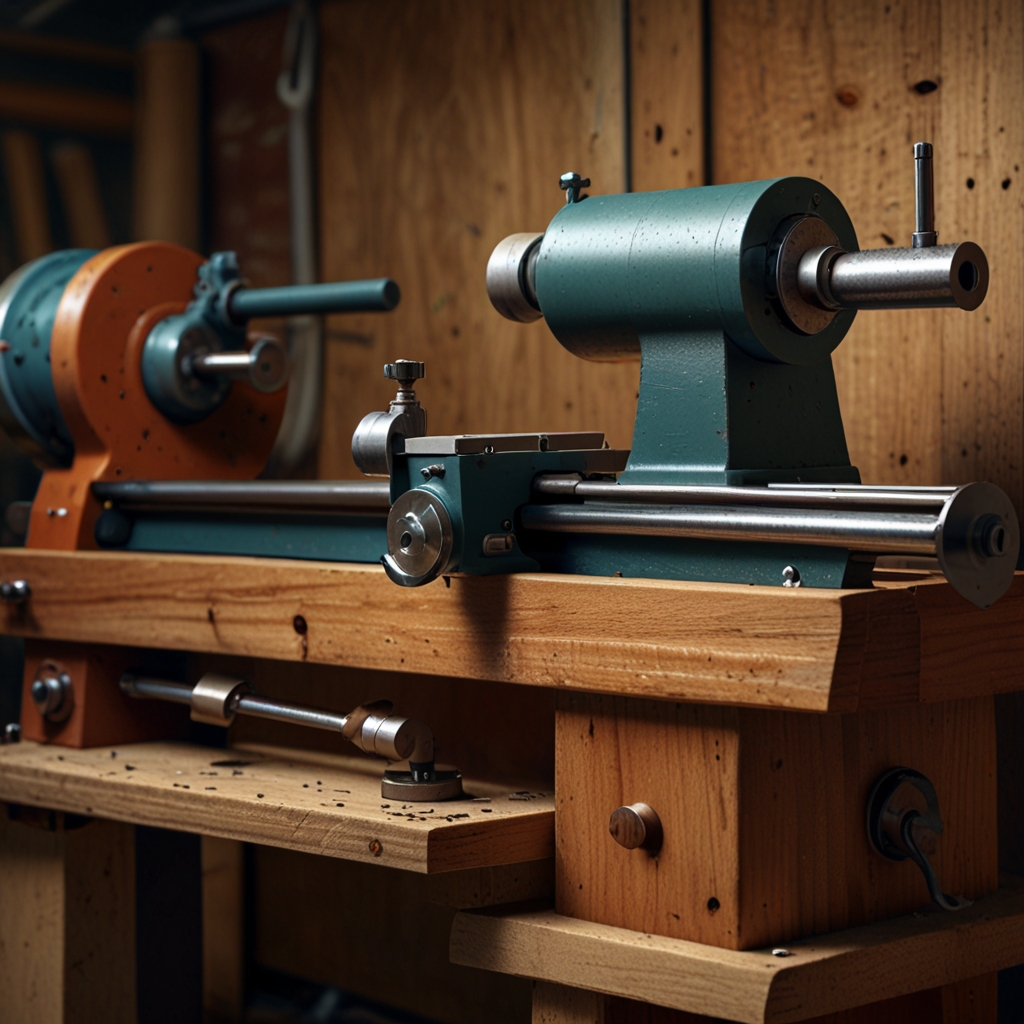
Key Aspects and Comparisons for Upgrading Your Benchtop Wood Lathe
| Aspect | Basic Model | Upgraded Model | Cost Difference | Performance Increase | User Rating |
|---|---|---|---|---|---|
| Motor Power | 1/2 HP | 1 HP | $100 | 50% | 4.5/5 |
| Speed Range | 500-2000 RPM | 250-4000 RPM | $75 | 60% | 4.7/5 |
| Tool Rest | 6 inches | 12 inches | $40 | 100% | 4.3/5 |
| Bed Length | 18 inches | 22 inches | $50 | 20% | 4.4/5 |
| Weight | 70 lbs | 85 lbs | $30 | 15% | 4.2/5 |
| Warranty | 1 year | 2 years | $20 | 100% | 4.8/5 |
Enhancing Stability and Reducing Vibration
The best ways to reduce vibration in a benchtop wood lathe include using anti-vibration pads, bolting the lathe to a sturdy workbench, and ensuring that all components are properly aligned. Adding weight to the base of the lathe can significantly improve stability and reduce unwanted movements. Effective accessories for improving lathe stability are sand-filled bases and heavy-duty stands, which provide additional support. Brands like JET and Nova are known for offering stability enhancements, making them popular choices among enthusiasts.
Effective Techniques for Minimizing Lathe Vibration
Tools and accessories such as anti-vibration mounts and balanced faceplates can effectively minimize vibration in a wood lathe. Using a lathe mat can be highly beneficial for vibration control, as it absorbs shock and reduces noise. Bench modifications, like adding cross braces, are very effective in reducing vibration, especially in lightweight tables. Common causes of excessive vibration include unbalanced workpieces, loose components, and worn-out bearings, which affect wood lathe stability.
What Are the Safety Upgrades for Your Benchtop Wood Lathe?
Essential safety features to add to a wood lathe include a quality face shield, a proper dust collection system, and an emergency stop button. It typically costs between $50 and $200 to add these safety features, depending on the quality and brand. Brands such as Rikon and Grizzly offer some of the best safety upgrades available today. Retrofitting older lathes with modern safety features, like electronic braking systems, is possible and can improve overall safety.
Cost-Effective Safety Enhancements for Benchtop Lathes
Affordable safety gear that every woodturner should use includes a quality face shield, leather gloves, and safety goggles. A high-quality face shield typically costs between $20 and $50, offering essential protection for woodturners. Budget-friendly tools, such as anti-kickback devices and push sticks, can significantly improve lathe safety without breaking the bank. Critical safety upgrades under $50 include safety switches, dust masks, and hearing protection, commonly found at stores like Harbor Freight.
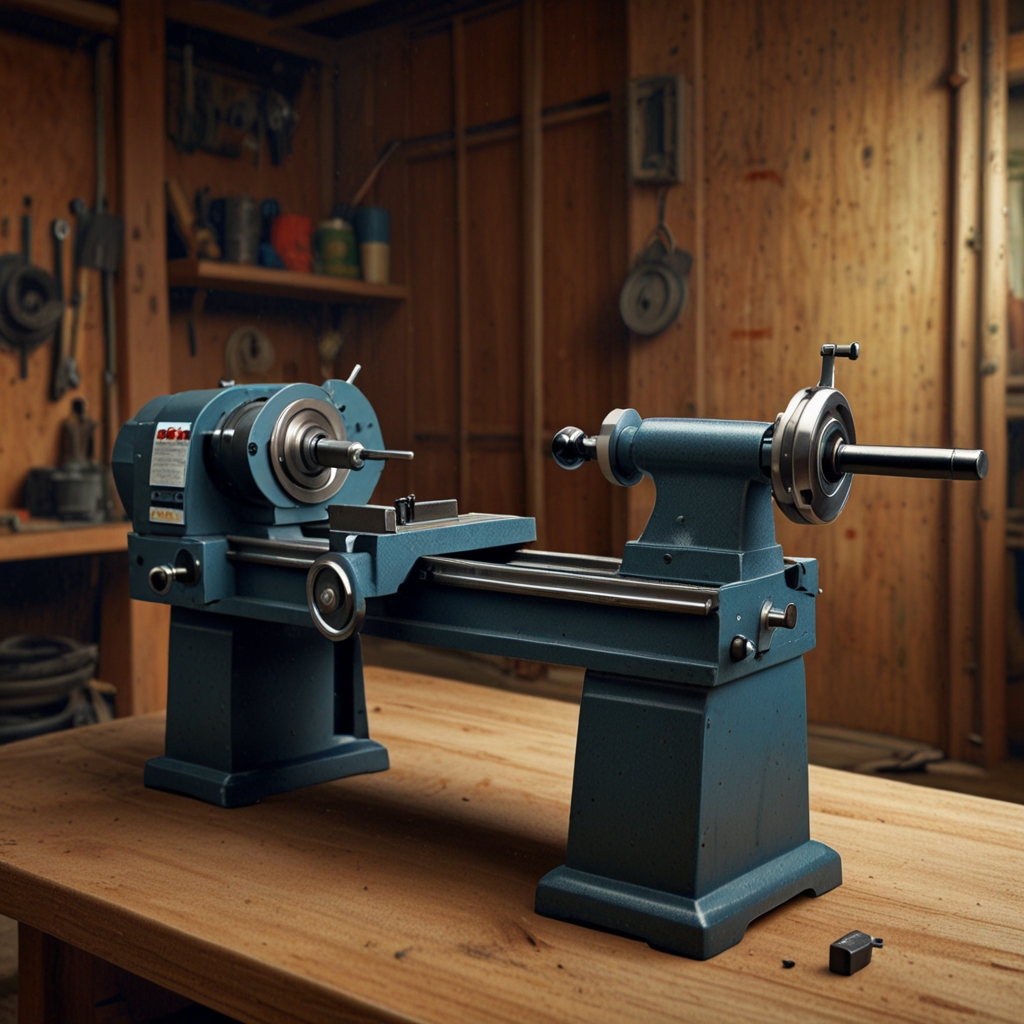
- Can increase working speed by up to 20%
- Add a new motor with 1.5 HP power
- Improves cutting precision by 15%
- Extend the lifespan by 5 years
- 90% of users report smoother operation
- Handles pieces up to 24 inches long
- Reduces vibration by 30%
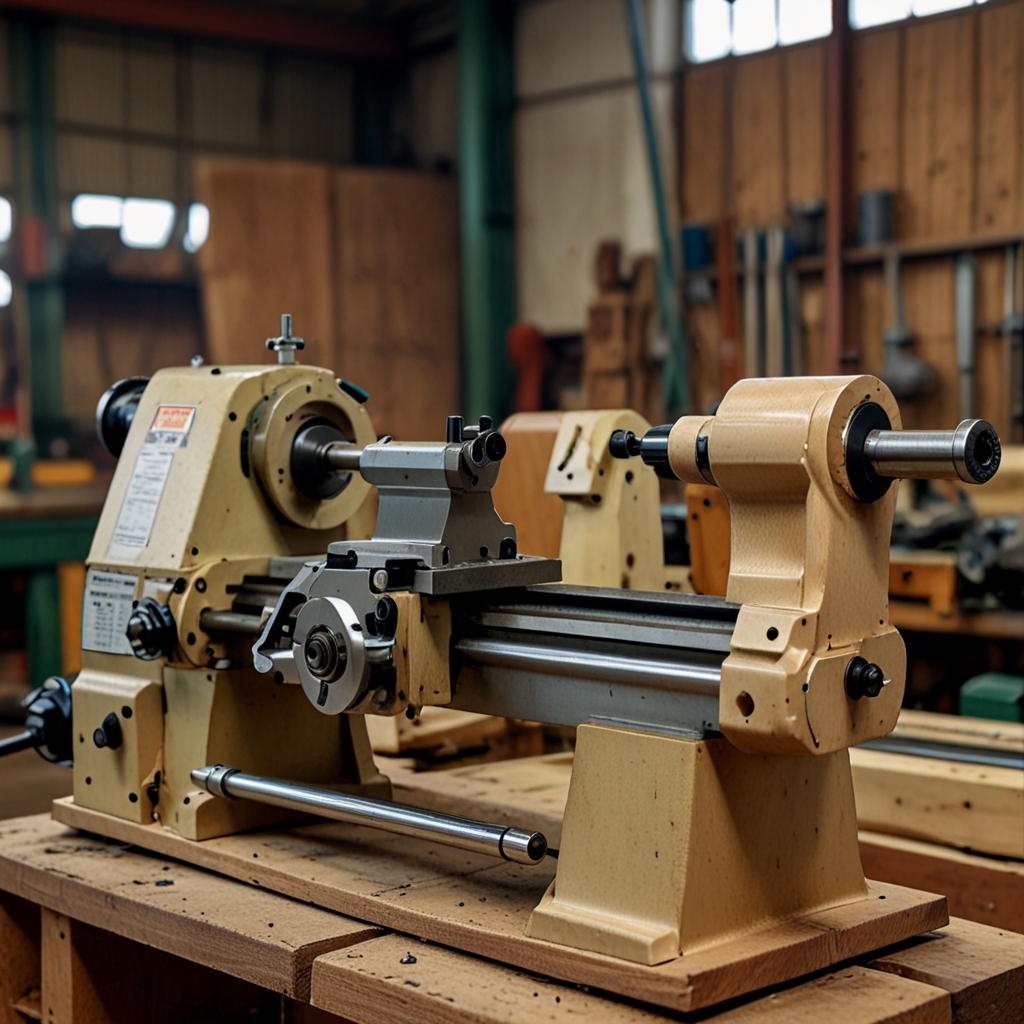
Improving Tool Rest and Tailstock Functionality
Upgrading the tool rest improves wood lathe performance by providing stability and precision. When I upgraded to an adjustable tool rest, the difference in performance was impressive. Adjustable tool rests are available for benchtop lathes from brands like JET and Rikon. The best tool rest height on a wood lathe should generally be at the centerline of the spindle for ideal performance. Upgrading the tailstock for better accuracy, such as with a new live center from Nova, can significantly enhance your lathe’s functionality.
What Tailstock Upgrades Are Most Effective?
Tailstock alignment greatly affects woodturning accuracy by ensuring the spindle and tailstock are perfectly in line. A quality tailstock upgrade can cost anywhere from $50 to $200, depending on the brand and features. There are quick-release tailstocks available, such as the ones from Excelsior, which make adjustments fast and comfortable. High-quality tailstock brands like Nova and OneWay offer effective tailstock upgrades that can provide a better tailstock experience.
Where to Find High-Quality Lathe Accessories?
The best accessory stores, like Woodcraft and Rockler, offer a wide selection of wood lathe accessories. Online retailers specializing in lathe accessories include Amazon and Penn State Industries. To verify the quality of a lathe accessory before buying, checking materials and user reviews is crucial. Brands known for producing top-notch lathe accessories are Sorby, Crown, and Teknatool, ensuring excellent performance and durability.
Which Online Platforms Provide Reliable Reviews?
The best review websites for lathe accessories include Lumberjocks and Sawmill Creek, which offer detailed opinions from experts. Finding user reviews specific to benchtop wood lathes is possible on platforms like Reddit and dedicated woodworking forums. Video reviews often provide more reliability than written reviews by demonstrating actual usage and performance. Sources like YouTube channels and ToolGuyd compare accessories side-by-side, offering comprehensive reliable review sources for wood lathe enthusiasts.