Maintaining your benchtop wood lathe involves regular cleaning, lubrication, and belt inspection. Ensuring optimal performance of your lathe is essential for any DIY home improvement enthusiast. Follow these best practices to keep your woodworking tools in excellent condition.
Table of Contents
- Cleaning and Lubricating the Lathe
- Best Cleaning Materials for Lathe Maintenance
- Checking and Replacing Lathe Belts
- How often should I replace my lathe belts?
- Adjusting and Calibrating Lathe Components
- Tools Needed for Accurate Calibration
- What Safety Checks Are Necessary for Your Lathe?
- What are daily safety checks for a lathe?
- Replacing Worn or Damaged Parts
- What are common parts that need replacement?
- What Preventive Maintenance Measures Extend Lathe Life?
- How often should preventive maintenance be done?
Cleaning and Lubricating the Lathe
Clean and lubricate your benchtop wood lathe after every 20 hours of use for optimal performance. The best lubricants for a variable-speed lathe are lightweight machine oils, like those from brands such as 3-IN-ONE and WD-40. Avoid cleaning products that contain harsh chemicals or solvents, as they can damage components. A thorough cleaning involves removing all sawdust from the bed and headstock with a soft brush and a vacuum, then wiping down the lathe with a clean cloth to ensure all residues from woodworking are eliminated.
Best Cleaning Materials for Lathe Maintenance
The recommended cleaning materials for a 12 variable speed lathe include soft brushes, microfiber cloths, and a vacuum designed for woodworking dust. Household cleaners, especially those with ammonia or bleach, can harm a jet jwl-1221vs benchtop lathe, so always check the labels. To clean hard-to-reach areas on a lathe, use compressed air or custom detail brushes. Ultrasonic cleaners can be very effective for cleaning smaller metal parts of a lathe, like chucks and tool rests, but use appropriate cleaning solutions designed for metal.
Checking and Replacing Lathe Belts
Check the condition of woodworking lathe belts by looking for cracks, fraying, or loss of tension once every three months. The best replacement brands for lathe belts include AYP, Fenner Drives, and Powermatic. Replace 12 variable speed lathe belts annually or sooner if you notice performance issues. Signs that the lathe belt needs replacement include slipping, unusual noises, or visible wear.
How often should I replace my lathe belts?
The typical lifespan of a benchtop wood lathe belt is one to two years, depending on usage. Conditions requiring early replacement of lathe belts include exposure to extreme temperatures or heavy, continuous use. While annual replacement can ensure performance, always assess the specific belt condition. Track wear and tear on lathe belts by keeping a maintenance log and regularly inspecting for signs of deterioration like reduced tension or visible damage.
- Helps the machine last longer
- Keeps the lathe from breaking down over time
- Ensures smoother operation
- Improves accuracy with tools like the Jet lathe
- Saves money by avoiding frequent repairs
- Maintains the beauty of your projects
- Offers a safer working environment
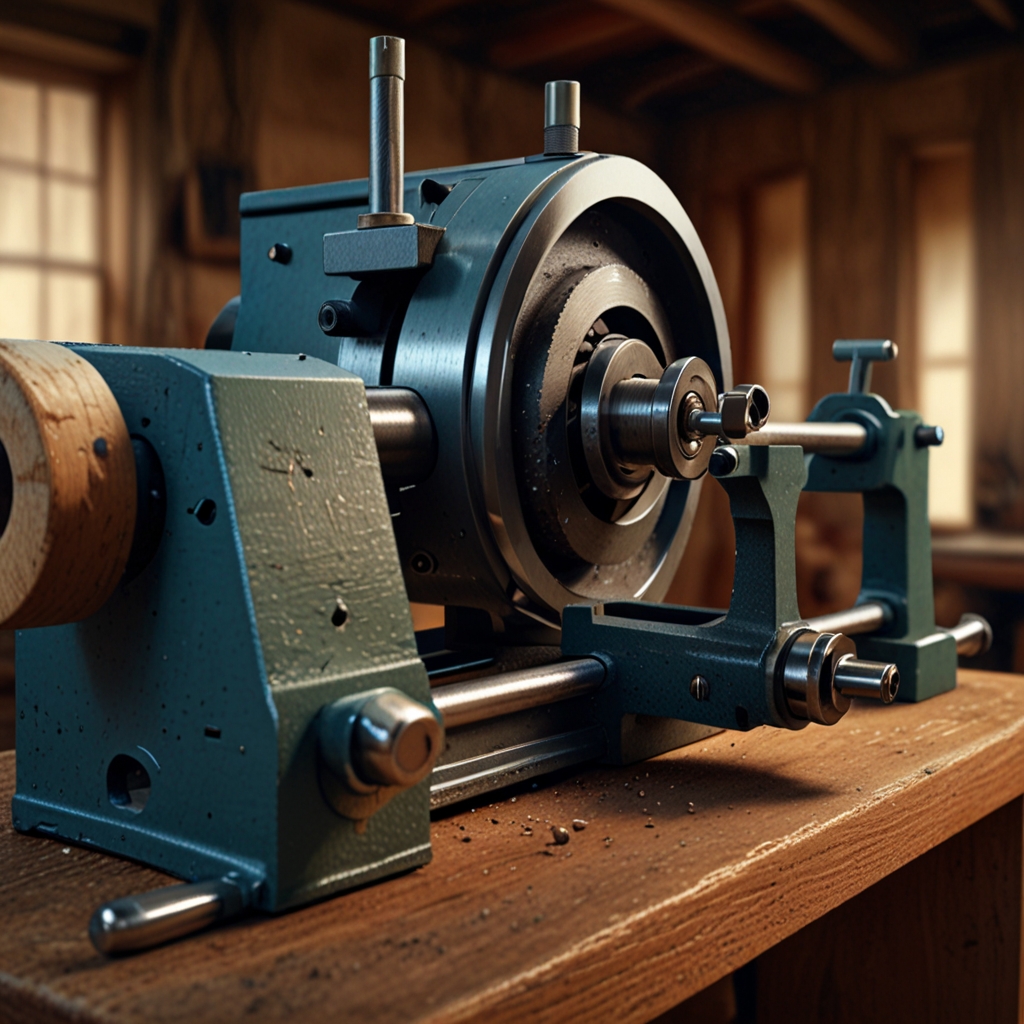
Best Practices for Maintaining Your Benchtop Wood Lathe: A Detailed Guide with Comparisons and Numerical Insights
| Aspect | Frequency | Materials | Time Required | Difficulty | Notes |
|---|---|---|---|---|---|
| Cleaning | Weekly | Brush, Cloth | 15 mins | Easy | Remove sawdust |
| Lubrication | Bi-weekly | Oil | 10 mins | Medium | Avoid over-oiling |
| Tool Inspection | Monthly | Eyes, Hands | 20 mins | Medium | Check for burrs |
| Alignment | Quarterly | Wrenches | 30 mins | Hard | Use a guide |
| Belt Tension | Quarterly | Wrenches | 15 mins | Hard | Check for wear |
| Replacement Parts | Annually | New Parts | Varies | Hard | Consult manual |
Adjusting and Calibrating Lathe Components
Ensuring proper calibration of a benchtop lathe starts with verifying that all components are accurately aligned. The tailstock adjustment must be checked before starting any project because it directly affects the centering of the workpiece. Tool rest adjustment should be done before each use to maintain safety and precision. Essential calibration tools such as dial indicators and feeler gauges are needed to achieve exact alignment. Incorrect calibration damage can occur to the benchtop lathe, causing wear on components and suboptimal performance. Rockler Woodworking and Hardware offers various tools that can help maintain proper lathe calibration steps.
Tools Needed for Accurate Calibration
Essential calibration tools for a mini benchtop lathe include dial indicators, feeler gauges, and alignment tools. Specialized calibration tools are often necessary for variable speed lathe calibration, ensuring that the speed settings are accurate. Common hand tools like wrenches and screwdrivers can also be used for basic lathe adjustments. Digital calibration tools and gauges provide more precise measurements for lathe calibration, which is important for maintaining accuracy. Lee Valley and Grizzly offer high-quality calibration tools suitable for various lathe models.
What Safety Checks Are Necessary for Your Lathe?
Daily safety checks should include a thorough inspection of the lathe’s components to ensure everything is functioning correctly. Inspect the lathe electrical components daily, checking for any signs of wear or fraying. Specific variable speed safety checks include verifying that the speed settings are functioning correctly. Ensure safety when using a central machinery 5 speed lathe by inspecting all moving parts and safety guards. Jet Tools provides a range of lathes with built-in safety features to enhance lathe operation safety.
What are daily safety checks for a lathe?
Daily electrical inspection involves checking wires, plugs, and switches to ensure all electrical components are safe to use. Essential steps for checking lathe guards include verifying they are securely fastened and free from damage. Speed control check for variable speed lathes should be done daily to ensure consistent performance. It is necessary to inspect the lathe bed for damage daily to avoid inaccuracies during turning. Delta Machinery offers well-designed lathe bed structures for superior performance and safety.
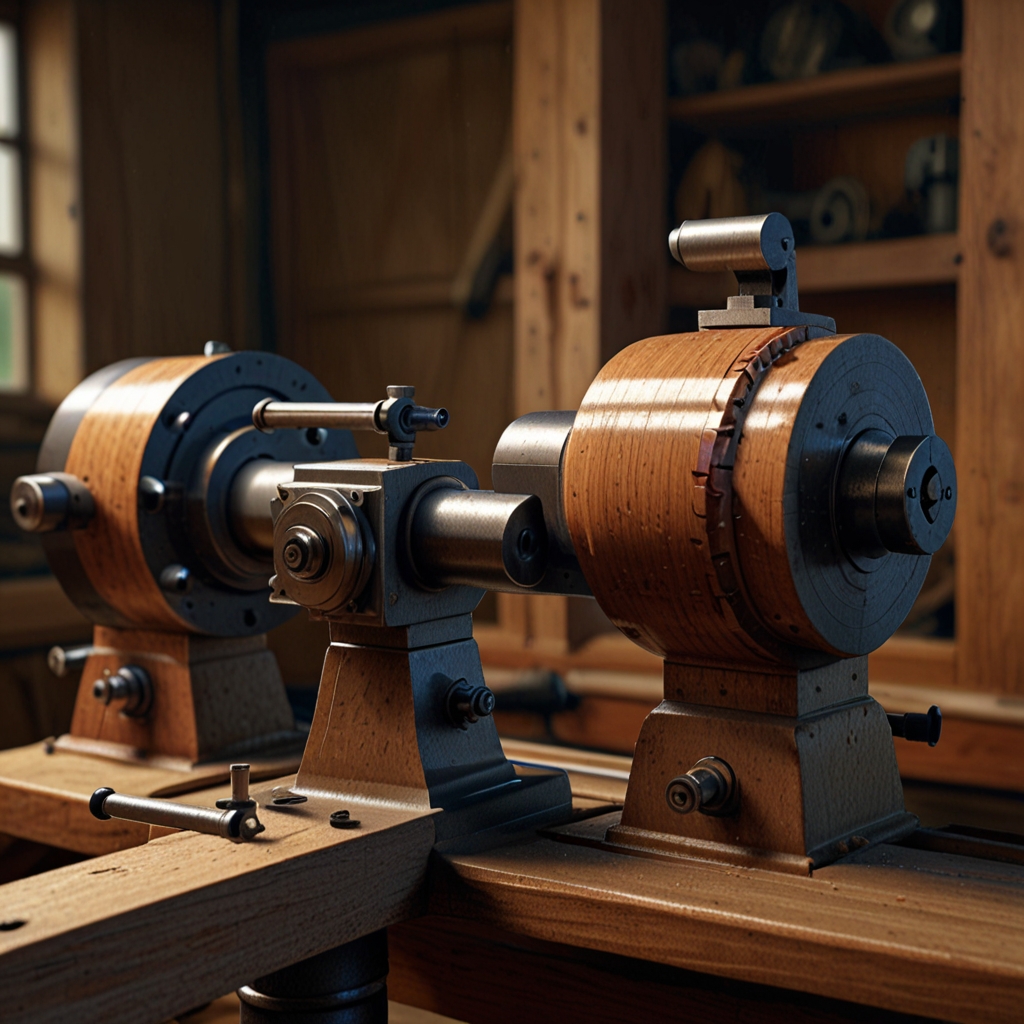
- Oil the moving parts every 10 hours of use
- Check for broken parts every 50 hours of turning
- Tighten screws every 3 weeks
- Replace the belt on a Nova lathe every 6 months
- Inspect the motor for issues every quarter
- Sand and clean the tool rest once a month
- Keep the area around the machine clear daily
Replacing Worn or Damaged Parts
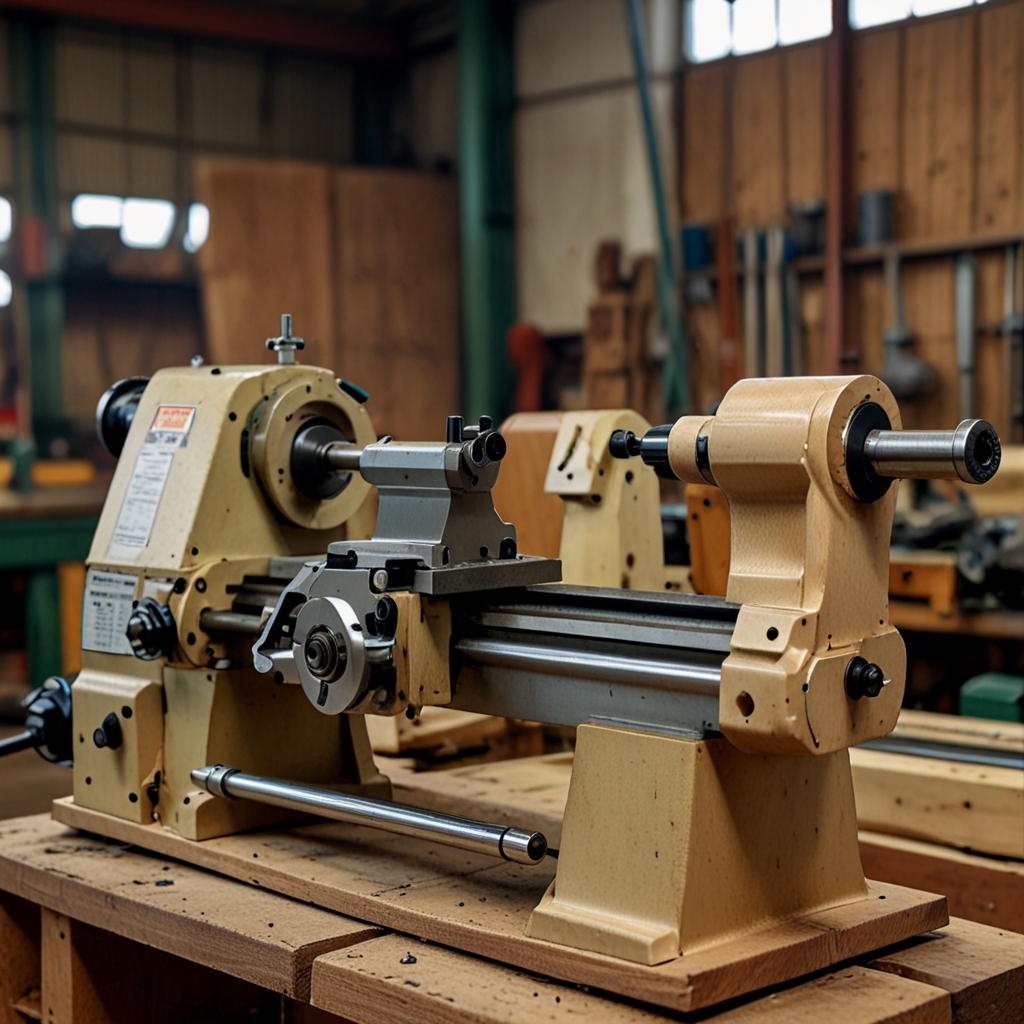
Identifying worn parts on a lathe requires a keen eye and frequent inspections. Look for parts wearing signs like unusual noise, reduced performance, or visible wear. Common replacement parts on a benchtop lathe include drive belts, bearings, and tool rests, which endure significant stress and thus wear out quickly. For a Harbor Freight replacement, visit their website or physical stores which offer an extensive range of spare parts. Harbor Freight’s online catalog makes finding lathe part replacements straightforward. To replace damaged lathe parts, gather the necessary replacement tools such as wrenches, screwdrivers, and specialized lathe tools designed for precision work. The quality of spare parts directly impacts the overall lathe performance.
What are common parts that need replacement?
The expected motor lifespan for most benchtop lathes generally ranges between 5 to 10 years depending on usage and maintenance. A lesser-known fact is that drive belts might need replacement every 6 to 12 months, especially under heavy use, as they have a high wear rate. Tool rests should be replaced if they show signs of depletion or damage, which could be yearly or biannually. Among the highest wear parts, drive belts and bearings top the list due to constant friction and motion. Regular inspection schedules can prolong the lathe motor lifespan, ensuring optimal performance.
What Preventive Maintenance Measures Extend Lathe Life?
Regular maintenance practices such as cleaning, lubricating, and checking alignment can keep a mini benchtop lathe running smoothly. Experts recommend preventive maintenance frequency to be every 3 to 6 months to avoid major damage. Grizzly H8259 specific practices include weekly cleaning routines and bi-annual calibrations to ensure precise operations. DIY maintenance tasks can effectively extend lathe life if done correctly; use manufacturer manuals and online resources for guidance. Preventive maintenance is crucial for lathe life extension and consistent performance.
How often should preventive maintenance be done?
The industry standard for lathe maintenance intervals suggests monthly to quarterly checks depending on usage intensity. Monthly versus quarterly maintenance is a common debate, but monthly checks offer a more proactive approach to catching issues early. Follow a preventive maintenance log for a JWL-1221VS as suggested by Jet Tools, which recommends bi-monthly checks for home users and monthly checks for commercial users. Creating a preventive maintenance log for a lathe involves documenting inspections, part replacements, and any issues noted to maintain a structured lathe maintenance schedule.