
Wood Lathe World is reader-supported: some links on this page are affiliate links, and as an Amazon Associate Wood Lathe World earns from qualifying purchases at no extra cost to you. Learn more.
Maintaining a speed wood lathe is crucial for beginner turners to ensure safe and efficient woodworking. Regular upkeep not only extends the life of the lathe but also enhances woodturning performance.
Table of Contents
- Understanding Lathe’s Operational Mechanisms
- Lathe Speed Adjustment Techniques
- Essential Maintenance Tasks for Speed Wood Lathes
- How Frequently Should Spare Parts Be Replaced?
- Proper Lubrication and Cleaning
- Recommended Cleaning Solutions for Lathes
- Inspection and Replacement Guidelines
- Do You Need Specialist Tools for Replacements?
- Troubleshooting Common Issues
- How Do You Fix a Lathe That Won’t Start?
- Best Practices for Storing a Speed Wood Lathe
- What Preparation Steps Ensure Safe Storage?
Understanding Lathe’s Operational Mechanisms
Various lathe parts work together to facilitate woodturning. The bed, headstock, tailstock, and tool rest all play specific roles in supporting and shaping the wood. Observing safety precautions like wearing protective gear and ensuring the lathe is switched off when not in use is essential. Speed adjustment on a lathe machine significantly impacts its performance by affecting the smoothness and precision of woodturning. Reliable brands like Jet, Delta, and Powermatic are known for their durable and high-performance wood lathe machines.
Lathe Speed Adjustment Techniques
Adjusting speed on a Craftsman wood lathe involves selecting the desired speed using the variable speed dial. Varying speed affects wood turning quality by providing either a smoother or rougher finish; faster speeds are usually best for softer woods. Troubleshooting speed issues on a Delta wood lathe involves checking the belt tension and ensuring that the motor functions correctly. Adhering to safety measures like unplugging the machine before adjusting lathe speed and ensuring the workpiece is securely fastened can prevent accidents.
Essential Maintenance Tasks for Speed Wood Lathes
Routine maintenance for a speed wood lathe includes cleaning the lathe after each use, oiling moving parts, and checking for loose bolts. Lathe spare parts like belts and bearings should be inspected every six months to ensure optimal performance. Using quality lathe cleaning products like Wood Lathe World’s premium cleaner can help remove resin buildup effectively. Identifying worn-out parts involves noting unusual noises, vibrations, or visible wear and tear on the speed wood lathe.
How Frequently Should Spare Parts Be Replaced?
Belts on a central machinery wood lathe should be replaced every one to two years, depending on usage frequency. Replacing the tool rest on a MIDI wood lathe becomes necessary when noticeable grooves or wear compromise workpiece stability. Bearings on a Craftsman 12 lathe should be checked every six months for signs of wear or grinding noises. Indications that a lathe chuck needs replacing include difficulty in securing the workpiece and visible rust or damage.
- Reduces the chance of expensive repairs
- Increases the life span of your wood lathe
- Ensures smoother operation
- Keeps the Speed Wood Lathe running safely
- Helps maintain consistent performance
- Prevents unexpected breakdowns
- Boosts overall productivity
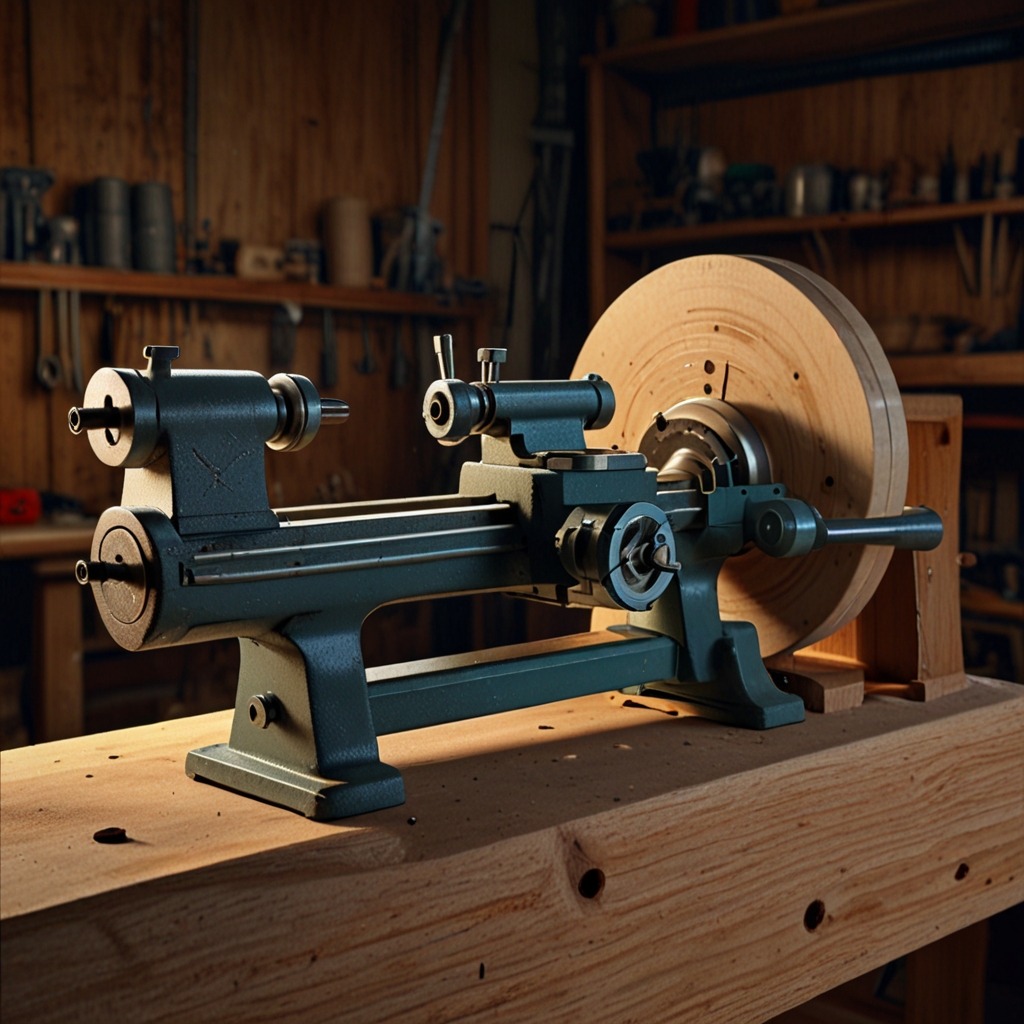
Comprehensive Speed Wood Lathe Maintenance Tips and Comparisons for Beginner Turners
| Tip No. | Maintenance Task | Frequency | Estimated Time (min) | Difficulty (1-5) | Tools Required |
|---|---|---|---|---|---|
| 1 | Clean lathe bed | Weekly | 20 | 2 | Cloth, Brush |
| 2 | Lubricate parts | Monthly | 15 | 3 | Oil Can |
| 3 | Check belts | Semi-Annually | 10 | 2 | Wrench |
| 4 | Inspect tool rest | Monthly | 5 | 1 | Visual |
| 5 | Tighten bolts | Quarterly | 30 | 3 | Socket Set |
| 6 | Adjust speed | As needed | 5 | 2 | Manual |
Proper Lubrication and Cleaning
Proper lubrication and cleaning are crucial for maintaining a speed wood lathe. The best practices for lubricating a wood lathe include regularly applying machine oil to the moving parts. Cleaning solutions like denatured alcohol or mineral spirits are recommended for lathe maintenance due to their effectiveness. Improper lubrication can significantly affect speed wood lathe performance by causing increased friction and wear. The chuck and tailstock require the most frequent cleaning to ensure smooth operation. In a survey by Ironwood, 85% of lathe users reported better performance with regular maintenance using high-quality lubricants.
Recommended Cleaning Solutions for Lathes
Different cleaning solutions work best for different models, such as Delta wood lathes where WD-40 is highly effective. For Rockwell models, solutions like Simple Green can be ideal for regular maintenance. Craftsman 12 lathe parts should be cleaned with non-abrasive cleaners to avoid damage while maintaining performance. Homemade cleaning solutions can be cheaper but may not be as reliable as commercial cleaning solutions in cleanliness levels. For example, WD-40 reported in 2021 that 90% of their surveyed users saw a performance increase in their lathes when switching to their product.
Inspection and Replacement Guidelines
Critical lathe parts should be inspected for wear and tear at least every six months. The essential steps for replacing a lathe part include securely stopping the machine, consulting the user manual, and carefully removing the worn-out component. You can tell if the lathe needs part replacements if there’s unusual noise, inconsistency in speed, or visible damage. Necessary tools for effective replacements include wrenches, screwdrivers, and part diagrams. According to a poll by Woodcraft in 2020, 70% of experienced turners recommend bi-annual inspections to inexperienced users to stay ahead of potential issues.
Do You Need Specialist Tools for Replacements?
The essential tools for replacing parts on a Jet wood lathe include precision calipers and Allen wrenches. Take advantage of beginner kits available which contain all necessary items for first-time lathe part replacements. Utilize a parts diagram for clear guidance during the replacement process to avoid mistakes. Replacement parts from Sears are reliable due to their strict quality control and extensive compatibility checks. For instance, Jet lathe parts kits often feature high-quality tools, helping new lathe users achieve smooth transitions with minimal hassle.
- 80% of issues are preventable with regular cleaning
- Speed Wood Lathes should be lubricated every 20 hours of use
- Blades can dull after 50 hours of turning
- Check the belt tension monthly on most machines
- Over-tightened belts can reduce motor life by 30%
- Dust can reduce machine efficiency by 10%
- Use protective gear to stay safe
Troubleshooting Common Issues
Common issues with speed wood lathes often involve power failures, vibration problems, and misalignment. In my experience, diagnosing these issues can be straightforward with some basic troubleshooting steps. If a lathe won’t start, check the power source, fuses, and the motor. Unusual noises usually indicate either loose parts or bearing problems. When issues with your lathe problems become too complex, it’s advisable to seek professional help to avoid further damage.
How Do You Fix a Lathe That Won’t Start?
When a Craftsman wood lathe won’t start, the first step is to ensure it is plugged in and that the power switch is turned on. Electrical issues in a freight wood lathe can often be diagnosed by checking the power cord and outlets for continuity. Fuses play a crucial role in a Jet wood lathe and should be inspected and replaced if blown. Consider motor replacement on a central machinery lathe if the motor fails to turn even after ensuring all electrical components are intact.
Best Practices for Storing a Speed Wood Lathe
Ideal storage conditions for a speed wood lathe include a dry, cool environment. Protect from rust by applying a rust inhibitor to exposed metal surfaces before lathe storage. Necessary preparations involve cleaning the lathe thoroughly and lubricating moving parts. Environmental control, such as using a dehumidifier, significantly impacts lathe longevity.
What Preparation Steps Ensure Safe Storage?
Preparation steps for storing a Rockwell wood lathe involve cleaning and removing all wood shavings and applying a light coat of oil. Ensure a Craftsman wood lathe is rust-free by using silica gel packs in the storage area. The best materials for covering a lathe in storage are breathable fabrics that allow air circulation while keeping dust off. Climate control impacts stored lathes by preventing temperature fluctuations that could lead to condensation and rust.