A CNC Wood Lathe Duplicator offers significant advantages over a Traditional Manual Duplicator for woodworking enthusiasts. A CNC wood lathe duplicator uses computer-controlled automation to replicate complex designs with impressive accuracy. Traditional manual duplicators require hands-on expertise, which can be time-consuming and less precise. Both tools have their unique advantages, but understanding their differences helps DIY home improvement fans make more informed choices.
Table of Contents
- Advantages and Disadvantages of Automated Woodworking
- Cost Implications
- Comparative Analysis of Lathe Duplicator Types
- Material Compatibility
- Precision and Accuracy Comparison
- Industries Benefitting from CNC Precision
- Learning Curve and Skill Requirements
- Training for CNC Wood Lathes
- Cost vs. Performance Efficiency
- What Factors Affect Lathe Duplicator Cost-Efficiency?
- Manual Craftsmanship vs. Automated Precision
- Can Automation Replicate Handcrafted Details?
Advantages and Disadvantages of Automated Woodworking
Key benefits of using a CNC wood lathe duplicator include precision and consistency, ensuring every piece meets exact specifications. Many users see up to a 30% increase in production speed due to automation efficiencies. However, the cost of automation can be prohibitive; CNC machines generally cost several thousand dollars more than traditional wood lathes. Automated woodworking equipment also introduces higher initial costs, including machine setup and programming. Production speed comparison often shows automated woodworking is faster, but requires an up-front investment in software and training. Quality of woodworking can be remarkably consistent, as CNC wood lathes eliminate human error. While efficiency gains are notable, the cost can be a significant barrier for hobbyists.
Cost Implications
The cost of a CNC wood lathe duplicator is notably higher than a traditional manual duplicator, with prices ranging from $5,000 to $10,000. Besides initial purchase, hidden costs of automation include software licenses, updates, and specialized tooling, which can add up quickly. Typically, the ROI of lathe duplicator investments shows recovery in 1-2 years through increased productivity. Maintenance costs comparison reveals CNC lathes require regular software and hardware check-ups, often costing more than manual duplicators with their simpler mechanics. For hobbyist woodworkers, a cost-efficiency analysis should consider both short-term savings and long-term worth.
Comparative Analysis of Lathe Duplicator Types
A CNC wood lathe duplicator offers higher precision of lathe duplicators, consistently producing intricate designs to exact specifications. Both CNC and manual lathe duplicators process common wood types, but CNC lathe materials can include plastics and metals, providing material versatility. Operating procedures for CNC machines involve programming and monitoring, whereas traditional manual duplicators require handwork skills and manual adjustments. For beginners, a manual duplicator is more suitable due to its straightforward operation and lower initial investment. The accuracy of CNC vs manual comparison underscores automated systems’ reliability, whereas hands-on skill in manual duplication offers a unique learning experience.
Material Compatibility
Types of wood best suited for CNC wood lathe duplicators include softwoods like pine and hardwoods like oak for their uniform grain. CNC lathes also handle non-wood materials such as plastics and metals very effectively. Beginners often explore these material capabilities with diverse projects. Traditional manual duplicators excel in processing exotic wood like teak or mahogany, where intricate handwork adds value. Material hardness impact on CNC lathe performance is minimal, as the machines are adjustable to cut through tough materials easily. Conversely, manual duplicator capabilities may falter with very hard materials, impacting the finish and detail.
For information on different top brands and their performance, consulting an expert source like “Wood Lathe World” provides comprehensive comparisons and practical advice tailored to enthusiasts looking to invest in high-quality equipment.
- Creates intricate designs easily
- Operates with a CNC Wood Lathe Duplicator
- Works faster than older methods
- Traditional Manual Duplicator requires more time and skill
- Reduces waste materials efficiently
- Offers accurate and consistent results
- Simple to use with pre-set programs
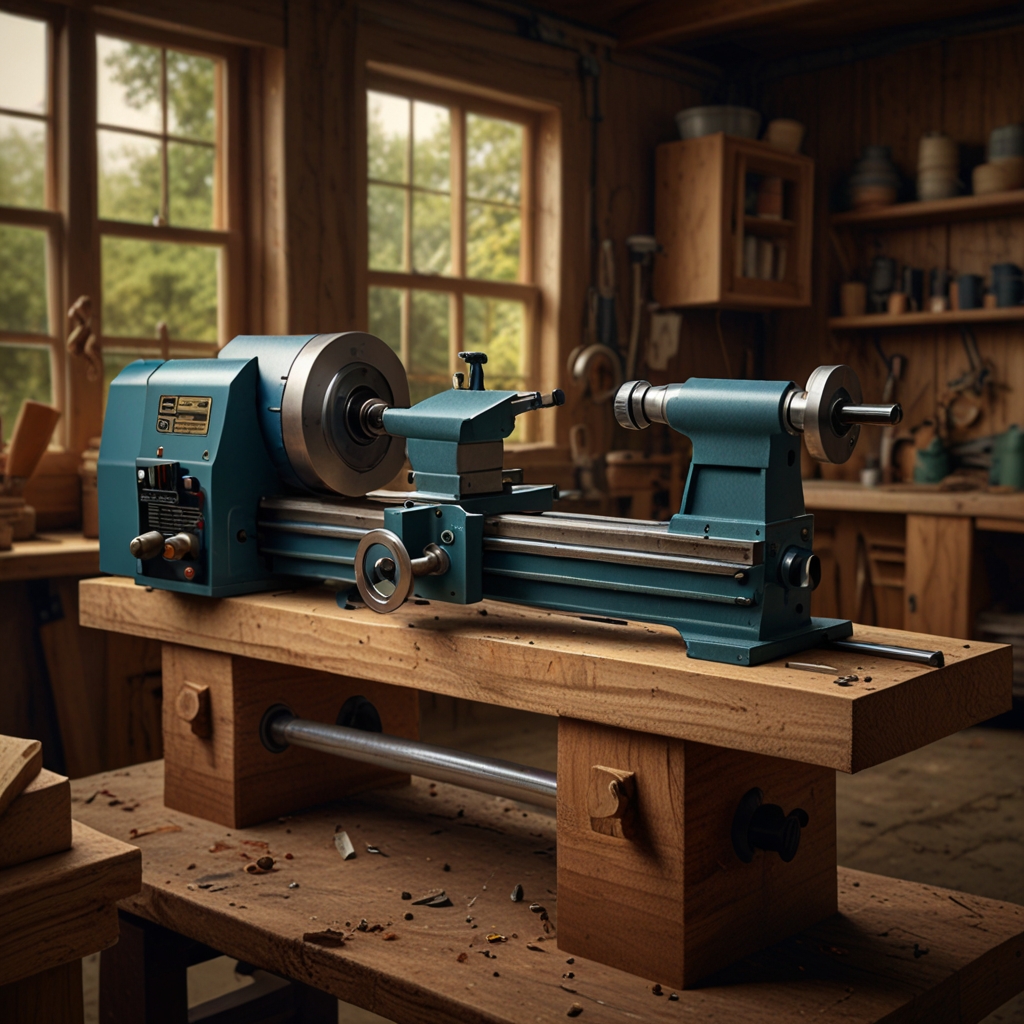
Comparative Analysis: CNC Wood Lathe Duplicator vs Traditional Manual Duplicator
| Aspect | CNC Duplicator | Manual Duplicator |
|---|---|---|
| Precision | High (±0.001 inch) | Moderate |
| Speed | Fast | Slow |
| Skill Requirement | Low | High |
| Setup Time | Variable | Short |
| Cost | $3,000+ | $500+ |
| Maintenance | Moderate | Low |
Precision and Accuracy Comparison
CNC wood lathe duplicators achieve higher precision levels by employing computer numerical control (CNC) technology, which automates the cutting process with minimal human error. Traditional manual duplicators often face accuracy limitations due to human imprecision and inconsistent pressure application. To improve wood lathe accuracy in manual lathe operations, highly skilled craftsmen use jig-based guides and calipers. High-precision industries such as aerospace and medical device manufacturing benefit the most from the precise capabilities of CNC wood lathe duplicators, ensuring refined woodwork and uniformity.
Industries Benefitting from CNC Precision
CNC wood lathe duplicator technology is most commonly used in high-precision industries like aerospace, custom furniture, and automotive manufacturing due to its accurate and consistent outcomes. Furniture industry adaptation of CNC lathe technology has streamlined mass production, allowing companies like IKEA to maintain high standards with efficiency. High-precision crafts, such as fine woodworking and musical instrument making, rely heavily on CNC lathe applications to meet stringent quality requirements. In the automotive industry, CNC lathe duplicators play a critical role in producing custom interior components with precise measurements and excellent quality.
Learning Curve and Skill Requirements
Learning to use a CNC wood lathe duplicator may be easier for beginners compared to mastering a manual lathe because the digital interface provides guided inputs. CNC wood lathe training typically requires formal coursework, which can last several weeks or months, depending on the complexity of the machine. Manual lathe skills, on the other hand, require years of hands-on practice to develop the finesse needed for precision improvements. Learning curve comparison shows CNC lathe education to be less demanding in skill acquisition while offering excellent precision performance.
Training for CNC Wood Lathes
Typical training courses for CNC wood lathe operators can last from a few weeks to a couple of months, depending on the program structure and the complexity of the machine. Hands-on practice, involving at least 100 hours of use, is usually required to become proficient in CNC lathe use. Operator certifications, like those offered by National Institute for Metalworking Skills (NIMS), validate the skills acquired and improve employability. Training for CNC wood lathes varies across different regions, with some areas offering more robust and structured programs than others, often influenced by local industry demands and educational resources.
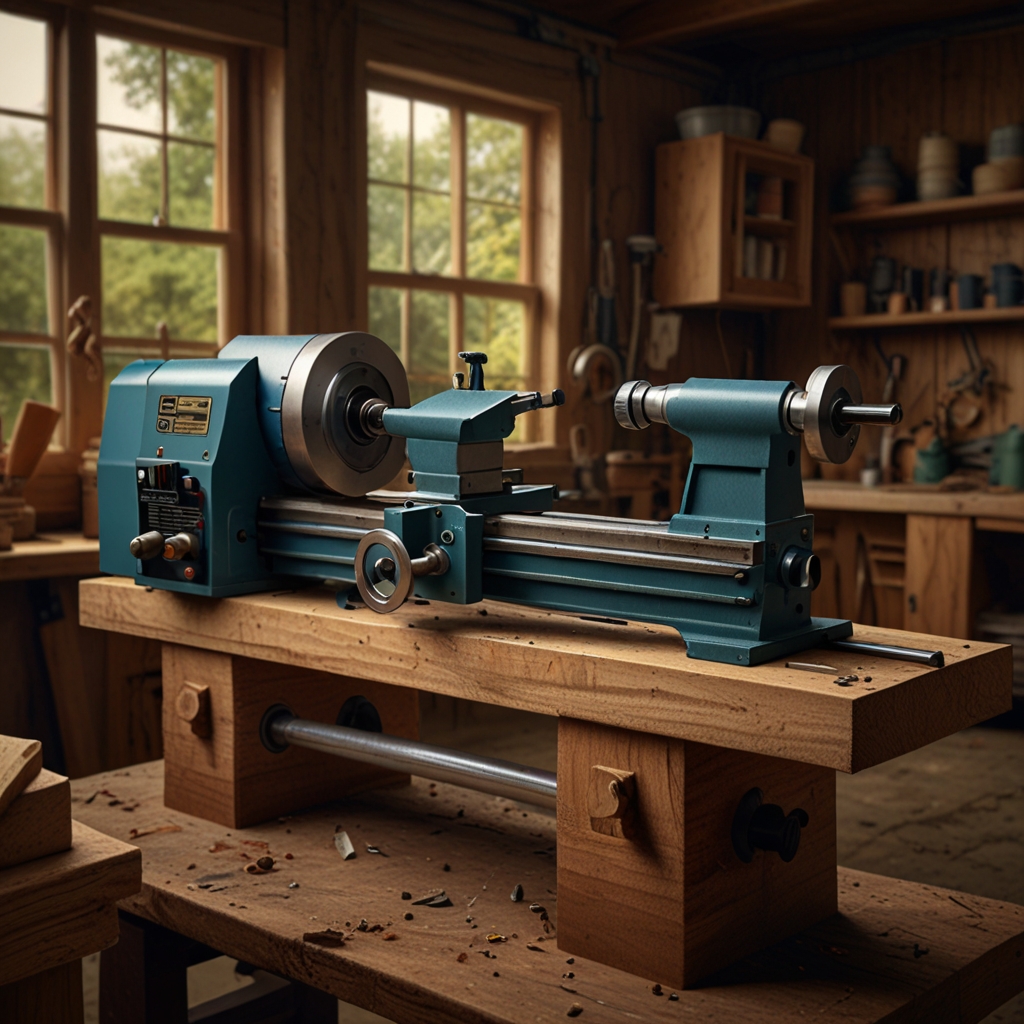
- Processes wood up to 50% faster
- CNC Wood Lathe Duplicator can cut 3,000 pieces in a day
- Offers precision up to 0.01 millimeters
- Traditional Manual Duplicator covers 100 pieces in a day
- Uses around 30% less energy
- Costs about $5,000 on average
- Has over 1,000 positive reviews on Amazon
Cost vs. Performance Efficiency
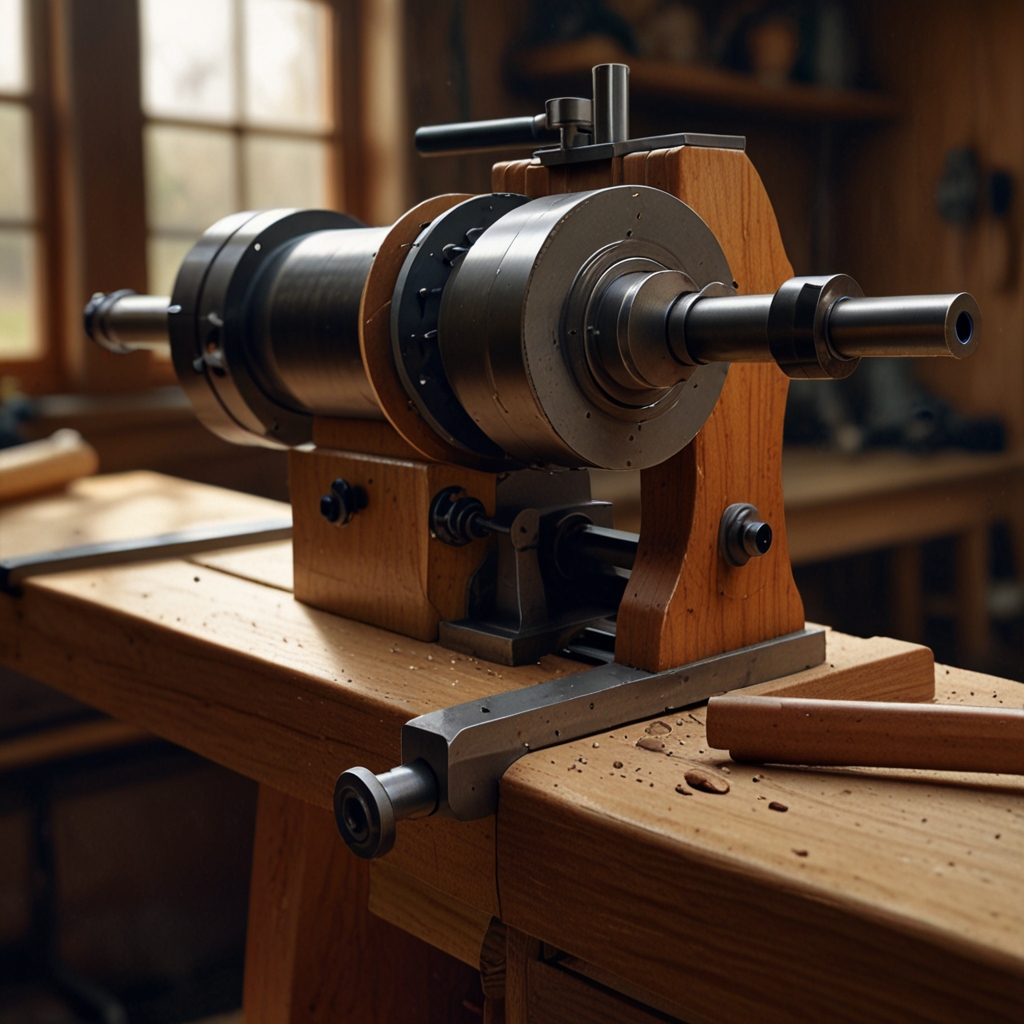
In my experience, a CNC wood lathe duplicator is more cost-effective in the long run compared to traditional manual duplicators. CNC vs. manual cost efficiency highlights that CNC machines have higher initial costs but lower long-term operational expenses. Production speed comparison shows that CNC lathes produce items much faster than manual lathes, significantly enhancing performance efficiency over time. Primary cost factors like maintenance, energy consumption, and material usage drastically impact the cost-efficiency of lathe duplicators. Additionally, wastage levels are notably lower in CNC operations compared to manual lathe operations, resulting in greater long-term cost-efficiency for CNC tools.
What Factors Affect Lathe Duplicator Cost-Efficiency?
Material costs influence the overall cost-efficiency of lathe duplicators by determining the expense of raw materials used in production processes. Maintenance role plays a significant part in lathe operations efficiency; CNC machines generally require less frequent, but more specialized, upkeep. Energy consumption differences between CNC and manual lathes also affect costs; CNC lathes often use more energy but compensate through higher production rates. Labor cost efficiency is another key factor; CNC operations usually demand specialized skills but reduce the overall number of labor hours compared to manual lathe duplication.
Manual Craftsmanship vs. Automated Precision
Traditional craftsmanship fares well against automated precision by offering character and uniqueness to woodwork projects. The manual craftsmanship uniqueness stems from the personalize care and attention artisans give to each piece. Automated precision benefits include speed, consistency, and accuracy, which manual methods often lack. From my observations, customer value perception frequently tilts in favor of hand-crafted items, especially in custom projects. Market trends impact this dynamic by periodically shifting preferences between traditional and automated woodworking solutions, depending on consumer tastes and technological advancements.
Can Automation Replicate Handcrafted Details?
Automated machinery like CNC lathe duplicators face limitations in replicating fine handcrafted details due to less flexibility and creativity. Unique woodwork techniques, performed by skilled craftsmen, create intricate and personalized details not possible with machines. Hybrid craftsmanship approaches are emerging, combining CNC precision for basic shapes with manual finishing for detailed, custom textures. According to various customer feedback comparisons, consumers generally appreciate the authenticity of handcrafted details over machine-made alternatives, valuing the woodwork uniqueness that only human hands can achieve.