Maintaining and cleaning your Wen wood lathe tools is essential for optimal performance and longevity of your equipment. An effective maintenance routine will not only improve the life span of your lathe tools but also ensure that they function smoothly.
Table of Contents
- The Importance of Regular Tool Maintenance
- Essential Maintenance Tools
- Cleaning Your Wen Wood Lathe Tools
- How to Clean Lathe Tool Cutting Edges?
- Lubrication Techniques for Lathe Tools
- How to Choose the Right Lubricant for Lathe Tools?
- Sharpening Your Wen Wood Lathe Tools
- What Grit Should Be Used for Sharpening Lathe Tools?
- Proper Storage Solutions for Lathe Tools
- What Storage Conditions Are Ideal for Preserving Lathe Tools?
- Inspecting Wen Wood Lathe Tools for Wear and Damage
- How Often Should You Inspect Lathe Tools?
The Importance of Regular Tool Maintenance
Maintaining your Wen wood lathe tools should be done regularly to ensure optimal performance. I recommend establishing a tool maintenance schedule to keep on track. The specific maintenance tools required typically include a cleaning brush, a sharpener, and machine oil for lubrication. Wood Lathe World even provides valuable resources and schedules for maintaining Wen wood lathes. Regular maintenance benefits both the functionality and the long-term lathe tool lifespan, making wood lathe upkeep essential.
Essential Maintenance Tools
The must-have tools for maintaining Wen wood lathe tools include a high-quality sharpening stone, a set of wrenches, and machine oil. High-precision maintenance often requires specialized tools like a digital caliper for accurate measurements. Choosing maintenance tools for your Wen wood lathe can be straightforward by sticking to superior maintenance tool brands like Tormek and DMT. These brands are known for producing excellent and durable maintenance tools, ensuring you have the essential maintenance tools needed for top-notch lathe upkeep.
Cleaning Your Wen Wood Lathe Tools
Best practices for cleaning Wen wood lathe tools involve using a soft brush to remove debris and a non-abrasive cloth for wiping. Cleaning your tools every time after use helps keep them in optimal condition. Safe cleaning products include mild detergent and machine oil designed for metal surfaces. Proper cleaning positively affects lathe tool performance, ensuring your lathe tools remain in excellent condition for precise woodworking.
How to Clean Lathe Tool Cutting Edges?
The best products for cleaning lathe tool cutting edges are specialized metal cleaners and honing oils. It’s advisable to clean the cutting edges of lathe tools after every significant use to maintain their sharpness. Safe cleaning techniques include using a sharpening stone to gently remove any buildup without causing damage. Indicators that the cutting edges require cleaning include noticeable debris, reduced cutting performance, and visible dullness on the edges.
- Longer lifespan for each tool
- Smoother operation when using Wen lathe
- Prevents rust and wear on the tools
- Better performance with Wen lathe
- Saves money on replacements
- Tools stay sharper for longer
- Increased safety while using the tools
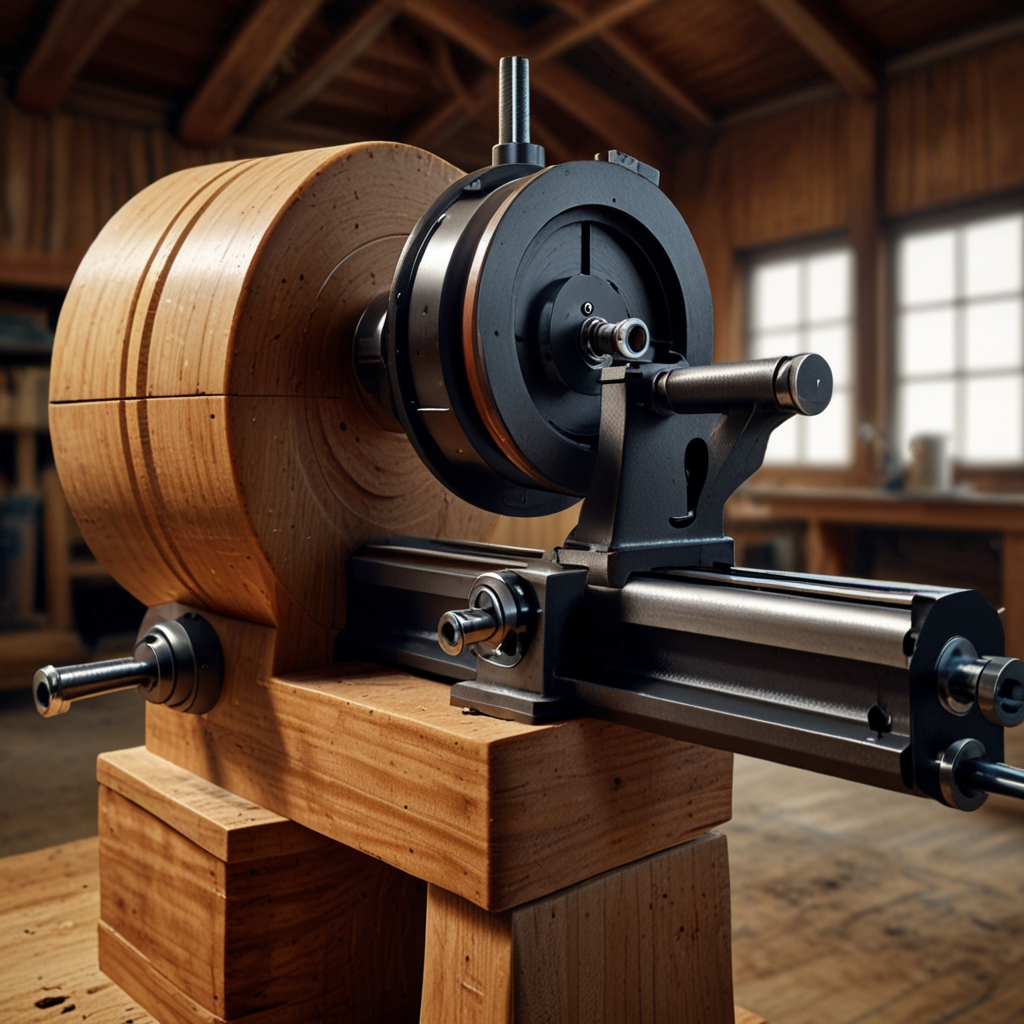
A Comprehensive Guide to Maintaining and Cleaning Your Wen Wood Lathe Tools
| Step | Task | Frequency | Tools Needed | Time (mins) | Notes |
|---|---|---|---|---|---|
| 1 | Inspect Tools | Daily | Eyes | 5 | Look for damage |
| 2 | Clean Blades | Weekly | Cloth | 10 | Use mild soap |
| 3 | Oil Moving Parts | Monthly | Lubricant | 15 | Use light oil |
| 4 | Sharpen Tools | Monthly | Grinder | 20 | Keep at correct angle |
| 5 | Check Alignment | Quarterly | Gauge | 30 | Ensure precision |
| 6 | Replace Parts | Annually | Spare Parts | 60 | As needed |
Lubrication Techniques for Lathe Tools
Properly lubricating Wen wood lathe tools involves applying a small quantity of lubricant to the tool’s moving parts to ensure smooth operation and longevity. Ideal lubricants for Wen wood lathe tools include mineral oil, lithium grease, and PTFE-based oils, as these reduce friction and prevent wear. Lubrication frequency for lathe tools typically follows a regular interval of every 20 to 30 hours of use, but it might vary depending on the workload. Neglecting lubrication for lathe tools can lead to increased wear and tear, overheating, and even permanent damage to the machine components, which compromises performance over time. Keeping lathe tool lubrication consistent helps maintain the quality and efficiency of Wen tools.
How to Choose the Right Lubricant for Lathe Tools?
When choosing a lubricant for Wen wood lathe tools, consider factors such as the tool’s material, operation speed, and working environment to ensure optimal performance. Recommended lubricant brands for Wen wood lathes include CRC Industries, Mobil, and DuPont, known for their quality and effectiveness. The type of wood being worked on can affect lubricant choice, as harder woods may require thicker lubricants to reduce friction adequately. Different types of lubricants available for lathe tools include mineral oils, synthetic oils, and grease, each offering varying levels of protection and performance. Wen wood lathe lubricants should align with the specific lathe tool lubrication factors for the best results.
Sharpening Your Wen Wood Lathe Tools
The steps to sharpen Wen wood lathe tools effectively include securing the tool, selecting the appropriate sharpening angle, and using a consistent grinding motion. Lathe tools should be sharpened after every few hours of use, typically 10 to 15 hours, to maintain the best results and tool performance. Compatible sharpening tools for Wen wood lathes include bench grinders, sharpening stones, and diamond wheels, all designed to cater to various tool types. Guides are available for sharpening different lathe tool types, such as bowl gouges, spindle gouges, and parting tools, ensuring each tool is maintained correctly. Regularly sharpening lathe tools helps ensure their effectiveness and longevity.
What Grit Should Be Used for Sharpening Lathe Tools?
The best grit sizes for sharpening lathe tools range from 80-grit for rough sharpening to 600-grit for fine honing, depending on the tool’s condition and use. Grit size directly affects the sharpness of lathe tools, with coarser grits removing more material quickly and finer grits providing a smooth edge. Multiple grit sizes are needed for different lathe tools, with rough grits for initial shaping and fine grits for finishing touches. Recommended grit brands for lathe tool sharpening include Norton, DMT, and Shapton, known for their quality and performance. Having the right sharpening grit size significantly enhances lathe tool sharpening effectiveness and tool longevity.
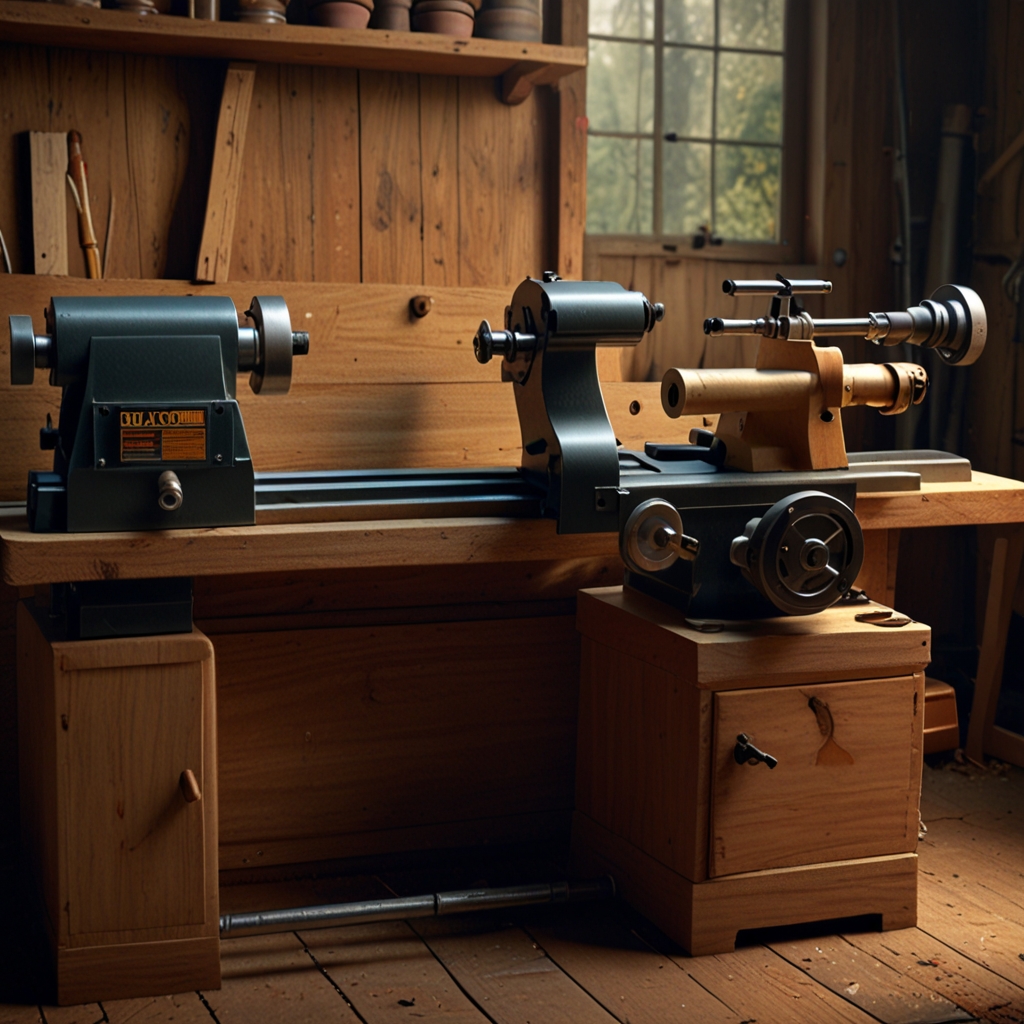
- Clean your tools every 10 uses
- Wen lathe spindles need oil every 50 hours
- Sharpen blades after 20 work hours
- Replace Wen lathe belts every 100 hours
- Tool maintenance costs around $10/month
- A properly maintained tool can last 10 years
- Spend 15 minutes after each use for cleaning
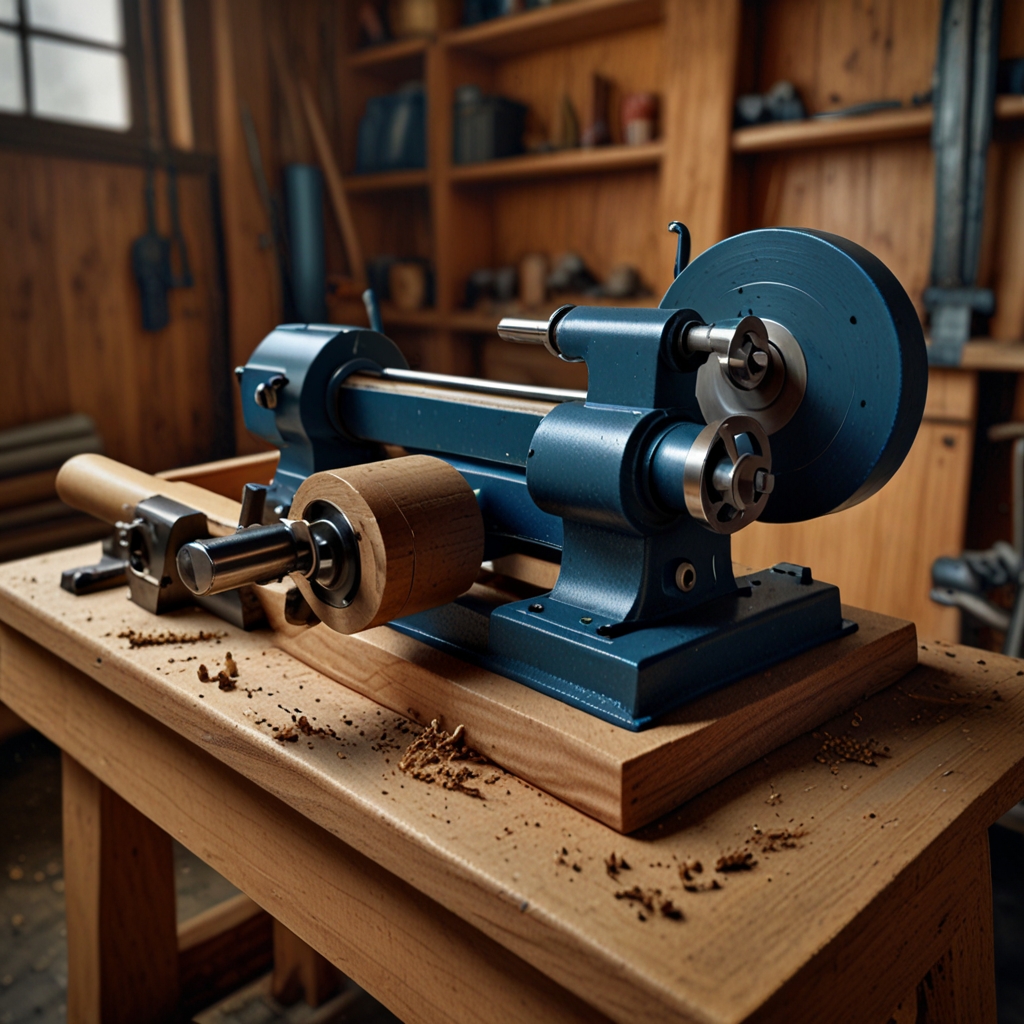
Proper Storage Solutions for Lathe Tools
The best storage solutions for Wen wood lathe tools ensure tools remain in excellent condition and are easily accessible. Improper storage affects the condition of lathe tools by causing rust and dullness. Specific storage products such as tool racks, magnetic strips, and foam-lined cases are recommended for Wen wood lathe tools. For lathe tool safety, always store sharp tools in a secure, designated area to prevent accidents and injuries. Incorporating proper lathe tool storage promotes efficient use and prolongs the life of the tools.
What Storage Conditions Are Ideal for Preserving Lathe Tools?
Ideal storage conditions for lathe tools include maintaining a consistent temperature below 75°F and humidity levels between 40-60%. Environmental impact on tools can lead to oxidation and corrosion, especially in high humidity. Storage containers with silica gel packets can help maintain ideal conditions by absorbing excess moisture. Maintaining storage conditions involves monitoring once a month to ensure stability. Proper temperature and humidity levels are crucial for lathe tool longevity.
Inspecting Wen Wood Lathe Tools for Wear and Damage
Inspecting Wen wood lathe tools involves a thorough check for any nicks, rust, and loose parts to ensure optimal performance. Common signs of wear in lathe tools include dull edges and visible cracks. Inspecting wen wood lathes should be done at least bi-monthly to catch any issues early. Consider professional inspection services like those offered by specialized woodwork shops for a more detailed assessment. Regular lathe tool inspection prevents minor wear from escalating into significant damage.
How Often Should You Inspect Lathe Tools?
Monthly inspections are usually sufficient for maintaining lathe tools under normal usage conditions. The frequency of use impacts the inspection schedule; frequent use might necessitate weekly checks. Key inspection indicators include increased difficulty in cutting and visible wear on tool edges. Regular inspections benefit lathe tool longevity by ensuring early detection of issues and preventing severe damage. Adhering to a consistent inspection routine enhances the performance and lifespan of the lathe tools.