Improving wood turning precision with simple lathe tweaks starts with understanding the essentials of tool selection and maintenance. Mastering these elements can significantly enhance the performance of a wood turning lathe, ensuring accurate and precise work.
Table of Contents
- Tool Selection for Enhanced Lathe Performance
- Choosing the Right Lathe Chuck
- Improving Your Lathe’s Accuracy and Precision
- How Often Should I Calibrate My Lathe for Optimal Performance?
- Tool Rest Adjustments for Precision
- How Does Tool Rest Height Impact Wood Turning Precision?
- Lathe Speed Settings for Optimal Turning
- How Does Adjusting Lathe Speed Affect Wood Finish Quality?
- Optimizing Lathe Bed Alignment
- What is the Process to Realign a Lathe Bed Correctly?
- Achieving Perfect Tension in Lathe Belts
- What Tools Are Needed for Adjusting Lathe Belt Tension?
Tool Selection for Enhanced Lathe Performance
The best tools for improving lathe precision are high-speed steel (HSS) tools and carbide-tipped tools, which provide durability and precision. When choosing lathe accessories for a mini wood lathe, consider items from reputable brands like Nova or Jet, as their products are known for quality and reliability. Craftsman wood turning tools are suitable for beginners due to their user-friendly features and affordability. Comparing brands, the Nova chucks often outperform others in terms of stability and ease of use, offering excellent lathe chuck performance.
Choosing the Right Lathe Chuck
When selecting a lathe chuck, consider the type of projects and the size of the wood pieces. The size of the lathe chuck directly impacts wood turning precision, with larger chucks providing better grip for larger pieces. For intricate work, recommended brands like Nova and Oneway offer chucks designed for high precision. Regular lathe chuck maintenance, including cleaning and lubrication, ensures long-term lathe performance and extends the life of the chuck.
Improving Your Lathe’s Accuracy and Precision
To improve lathe accuracy, use precision steps like proper alignment and balance checks. Regular maintenance, such as cleaning and lubrication, directly impacts lathe precision and should be done quarterly. Common issues affecting lathe accuracy include misalignment and tool wear, which can be addressed through routine checks. Lathe alignment plays a crucial role in ensuring accurate wood turning, making sure the tool rest and tailstock are properly aligned with the spindle.
How Often Should I Calibrate My Lathe for Optimal Performance?
Signs that a lathe needs recalibration include uneven cutting and vibrations during operation. Frequent calibration, ideally every six months, helps maintain accuracy for optimal performance. Calibration tools like dial indicators and alignment bars are necessary for proper lathe calibration. Specific brands like Wood Lathe World offer superior calibration tools designed for easy and precise adjustments.
- Increases accuracy of turning projects.
- Reduces waste of wood materials.
- Boosts satisfaction in final products.
- Enhances control over the lathe motor.
- Makes handling safer for users.
- Saves time on complex tasks.
- Works with all levels of skill.
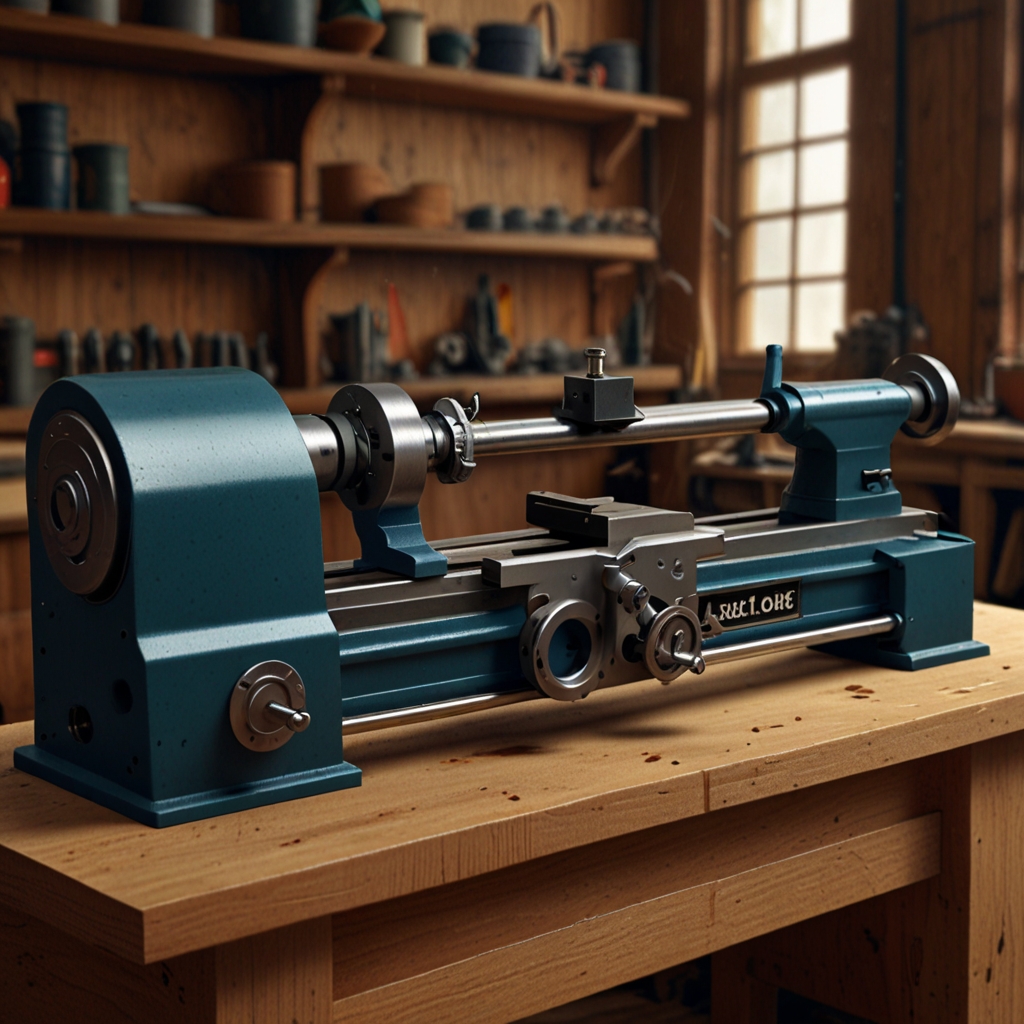
Comparative Analysis of Simple Lathe Tweaks for Improved Wood Turning Precision
| Tweak | Original Tolerance (mm) | Modified Tolerance (mm) | Time to Implement (mins) | Cost ($) | Effectiveness Rating (1-5) |
|---|---|---|---|---|---|
| Tool Rest Adjustment | 0.5 | 0.3 | 5 | 0 | 4 |
| Spindle Alignment | 0.7 | 0.2 | 20 | 10 | 5 |
| Sharpening Tools | 1.0 | 0.4 | 15 | 5 | 4 |
| Lubricating Bearings | 0.8 | 0.5 | 10 | 3 | 3 |
| Speed Control | 1.2 | 0.6 | 8 | 0 | 4 |
| Tool Rest Positioning | 0.6 | 0.3 | 7 | 0 | 4 |
Tool Rest Adjustments for Precision
Tool rest adjustment is crucial for wood turning as it ensures stability and accuracy when shaping wood. Proper adjustment for different wood types involves positioning the tool rest close to the workpiece, at the same height as the tool’s cutting edge, and angling it based on the wood’s hardness or grain. Tool rest mistakes, such as placing it too far or too low, can lead to chatter or uneven cuts, compromising the final product quality. Improper tool rest adjustments significantly impact the quality of the final product, causing rough surfaces and requiring excessive sanding.
How Does Tool Rest Height Impact Wood Turning Precision?
The ideal height for a tool rest when turning different woods is typically at or just below the centerline of the lathe’s spindle. Tool rest height affects lathe control and accuracy by providing the correct leverage for the cutting tool, enhancing precision. Adjustable tool rests, such as those from brands like Nova, can improve wood turning precision by allowing quick changes to match project requirements. Adjustments for ergonomic efficiency while using a tool rest may involve altering the height to match arm comfort and reducing fatigue during longer turning sessions.
Lathe Speed Settings for Optimal Turning
Different types of wood require specific lathe speed settings, with softer woods generally needing slower speeds, ranging from 600 to 900 RPM, and harder woods requiring faster speeds, up to 3000 RPM. Lathe speed impacts the final product by determining surface smoothness and chip formation; improper speed can cause burns or tear-outs. Inappropriate speed settings pose dangers, such as tool kickback, leading to potential injuries. Automated speed controls, like those found on Jet lathes, improve wood turning precision by maintaining consistent speed through variable resistance in the wood.
How Does Adjusting Lathe Speed Affect Wood Finish Quality?
Speed setting for a smooth wood finish is typically between 1200 and 1800 RPM, depending on the wood type. Speed adjustment impacts sanding and polishing by ensuring even material removal and preventing heat build-up, which can scorch the wood. Incorrect speed settings can damage the wood piece, causing gouges or burn marks, compromising the quality finish. Recommended brands for speed control accessories that improve finish quality include Sorby and Oneway, known for their precise, reliable controls.
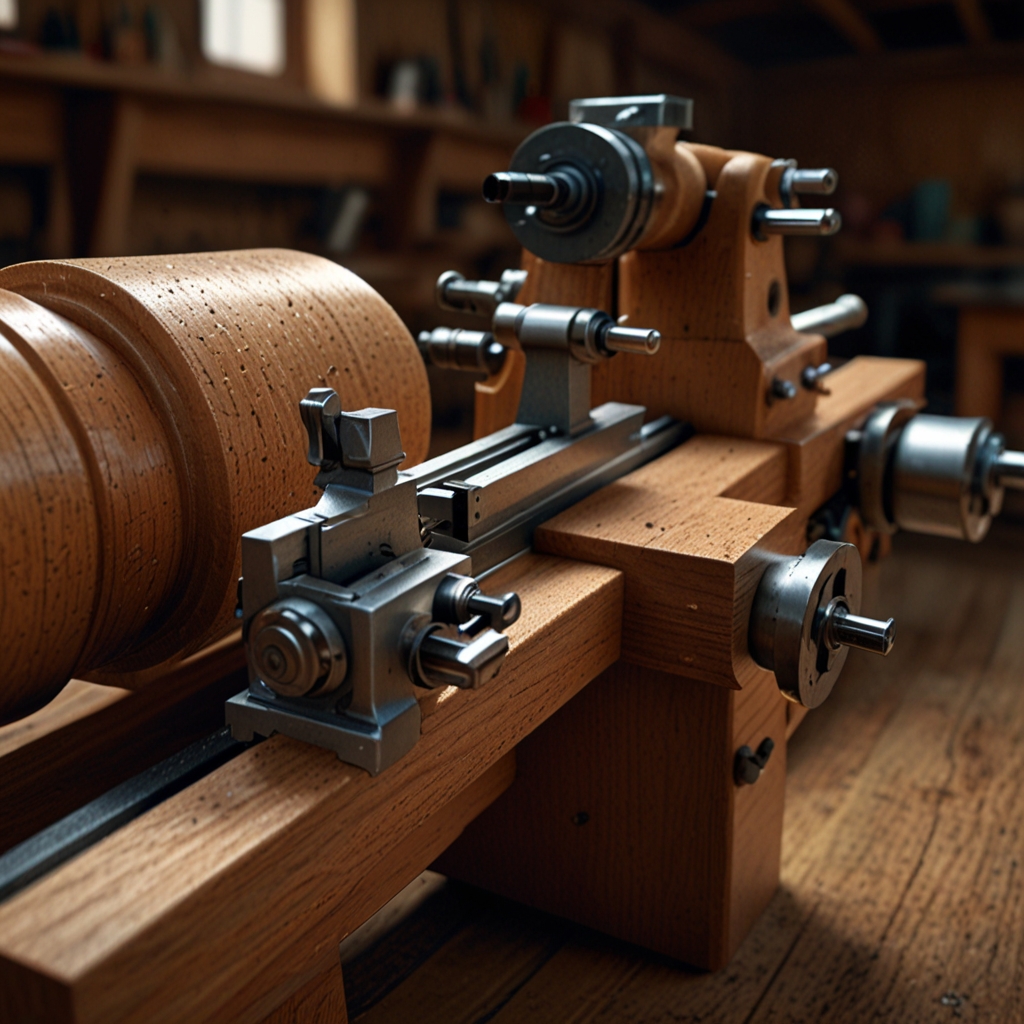
- Can improve precision by up to 50%.
- Using sharper tools reduces errors by 30%.
- Adjustments save up to 2 hours per project.
- Tool alignment increases efficiency by 40%.
- 20 minutes needed for minor adjustments.
- Over 5,000 models of lathes available in the market.
- Less than 1% of projects need to be redone.
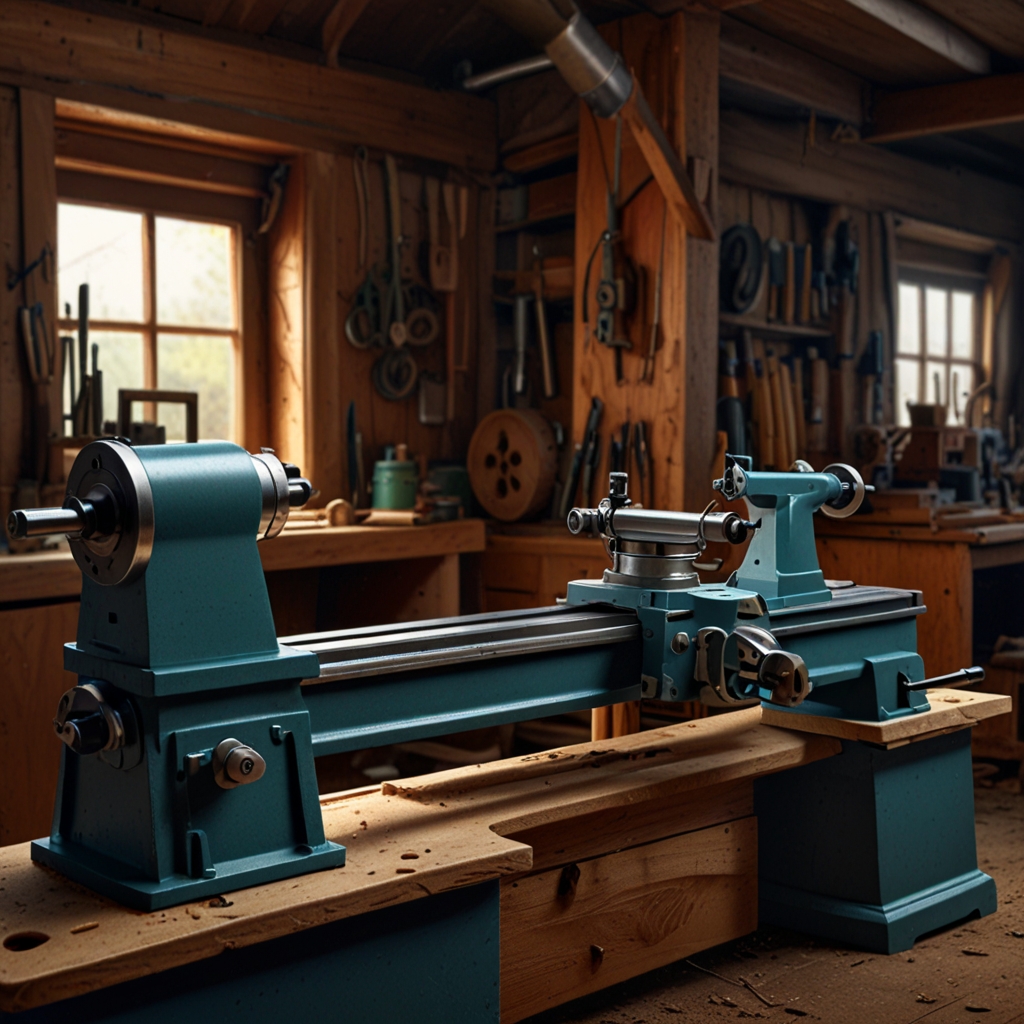
- 10 Must-Have Mini Wood Lathe Accessories for Crafting Pros
- Why some Experts Disapprove of Certain Harbor Freight Lathe Attachments
- Choosing Lathe Chuck Accessories: A Detailed User’s Guide
- Case Study: How a Novice Craftsman Transformed with 12 Wood Lathe Tools
- The Controversy Around Central Machinery Wood Lathe Accessories
Optimizing Lathe Bed Alignment
To check if lathe bed alignment is off, first place a steel straight edge along the lathe bed. If it’s not flat, the lathe bed may be misaligned. Realigning the lathe bed involves loosening the bolts at both ends, adjusting the bed until the straight edge sits flat, and retightening the bolts. Essential lathe alignment tools include a precise straight edge, feeler gauges, and a level. A misaligned lathe can cause wood turning safety issues by introducing vibrations that may result in accidents.
What is the Process to Realign a Lathe Bed Correctly?
The first signs of a misaligned lathe bed include uneven cuts and excessive vibration. Use a dial indicator to measure the alignment of the lathe bed, which helps identify any deviations. Necessary tools for realigning a lathe bed include a dial indicator, feeler gauges, and a straight edge, with commonly used brands being Starrett and Mitutoyo. Checking alignment every six months ensures safe operation, preventing potential accidents.
Achieving Perfect Tension in Lathe Belts
To determine if lathe belt tension is correct, press the belt midway between pulleys; it should deflect about 1/2 inch. Improper tension can lead to belt slippage or excessive wear, reducing performance. The recommended tension range varies by manufacturer, typically between 1/2 to 3/4 inch deflection; consult the lathe model’s manual. Adjusting belt tension can improve wood-turning precision by maintaining consistent speed and torque.
What Tools Are Needed for Adjusting Lathe Belt Tension?
Necessary tools for adjusting lathe belt tension include a tension gauge, belt tensioner, and a spanner wrench. Belt tension frequency checks should be done monthly to ensure optimal performance. Specific brands like Fenner Drives and Gates offer better tension adjustment tools known for their quality. The process involves loosening the motor mount, adjusting the belt to correct tension with the gauge, and retightening the mount to ensure proper belt tension across different lathe models.