Maintaining your Rockwell wood lathe requires understanding its components and regular oversight to ensure peak performance. Comprehensive knowledge of Rockwell wood lathes, combined with hands-on maintenance routines, ensures your lathe remains in excellent condition. Follow this guide for effective, easy upkeep practices.
Table of Contents
- Understanding Rockwell Wood Lathe Basics
- Identifying Your Rockwell Wood Lathe Model
- Ultimate Guide to Maintaining Your Rockwell Wood Lathe Components
- How Often Should You Inspect Rockwell Lathe Components?
- Lubricating and Cleaning Your Delta Wood Lathe
- How Often Should You Lubricate Your 46-111 Wood Lathe?
- Calibrating Your Lathe for Optimal Performance
- What Are the Best Tools for Calibrating a Rockwell 4-Speed Lathe?
- Ultimate Guide to Troubleshooting Common Issues
- What Should You Do If Your Rockwell Lathe Stops Working Suddenly?
- History and Evolution of Rockwell International Lathes
- What Are Some Milestones in the Development of 46-450 Wood Lathes?
Understanding Rockwell Wood Lathe Basics
The main features of a Rockwell wood lathe include a sturdy cast iron bed, adjustable speed settings, and a variety of tool rests for different woodturning tasks. Rockwell wood lathes, such as the popular 46-111 wood lathe, are known for their durability and precise craftsmanship. Identify your lathe model by locating the plate, usually found on the headstock or motor housing. This plate provides the model number necessary for referencing the lathe manual or parts. Rockwell offers various models like the Rockwell Delta and Rockwell Beaver, each tailored for specific woodturning needs. Compared to other brands, Rockwell wood lathes are noted for their heavy-duty construction and reliability, making them a great choice for DIY home improvement projects.
Identifying Your Rockwell Wood Lathe Model
The model number of a Rockwell wood lathe is typically located on a plate attached to the headstock or motor housing for easy reference. Decoding this model number, such as the Rockwell Delta 46-111 wood lathe or the Rockwell 46-450, is crucial for understanding specific features and required parts. The Rockwell 46-111 model offers unique specifications compared to the larger Rockwell 46-450, impacting performance and capable tasks. If the model number is missing, check the lathe manual for Rockwell model identification tips or contact Wood Lathe World experts for assistance.
Ultimate Guide to Maintaining Your Rockwell Wood Lathe Components
The essential components of a Rockwell wood lathe include the headstock, tailstock, tool rest, and motor, all vital for seamless operation. The frequency for checking the condition of lathe parts should be every 20-30 hours of use, ensuring the lathe remains in good working order. Regular lubrication of moving parts, especially the bearings and spindle, is necessary to avoid wear and tear. Essential maintenance tools include wrenches, oil cans, and cleaning brushes, ensuring every component of the Rockwell Delta or 46-111 is serviced effectively. Following a lubrication schedule extends the life of your lathe.
How Often Should You Inspect Rockwell Lathe Components?
The recommended inspection frequency for Rockwell lathe parts is every 20-30 hours of use or monthly if the lathe is rarely used. Creating an inspection checklist simplifies this process, allowing easy tracking of lathe parts condition. When inspecting the 46-111 wood lathe, check for signs of wear on the tool rest and ensure the motor operates smoothly. It is not advisable to skip any inspections, regardless of your specific Rockwell model, as regular inspections ensure ongoing performance and safety. Rockwell lathe maintenance checklists are essential for identifying and preventing potential issues.
- Your tool will last longer.
- Rockwell Wood Lathe stays in good shape.
- Improves safety while using the tool.
- A well-maintained lathe produces better wood pieces.
- Saves you money on repairs.
- Reduces noise when the lathe is running.
- Easy to follow a maintenance routine.
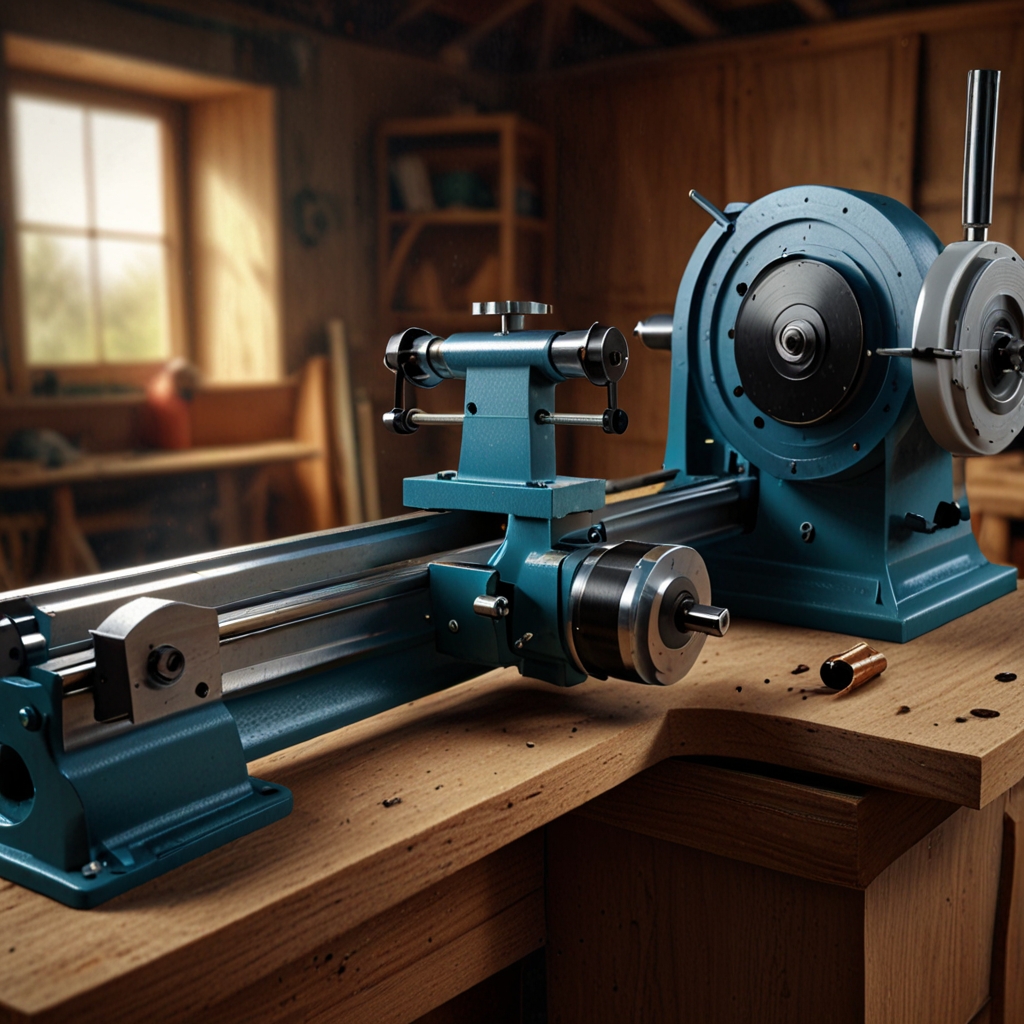
Detailed Comparison of Key Maintenance Tasks for Rockwell Wood Lathe
| Task | Frequency | Tools Needed | Time | Difficulty | Comments |
|---|---|---|---|---|---|
| Lubricate Bearings | Monthly | Grease Gun | 15 min | Easy | Use lithium grease |
| Clean Bed | Weekly | Soft Cloth | 10 min | Easy | Remove dust |
| Check Belt Tension | Bi-monthly | Wrench | 20 min | Moderate | Tighten as per manual |
| Inspect Motor | Quarterly | Flashlight | 30 min | Moderate | Look for wear |
| Sharpen Tools | Weekly | Grinder | 25 min | Moderate | Use 60 grit |
| Check Alignment | Bi-weekly | Ruler | 15 min | Easy | Align tailstock |
Lubricating and Cleaning Your Delta Wood Lathe
The best types of lubricants for Rockwell-Delta lathes are high-quality machine oils and greases, specifically designed for wood lathes. Apply these lubricants to your Delta wood lathe every 50 hours of operation to ensure frequent lubrication and consistent performance. The most critical Delta lathe parts needing more frequent cleaning include the tool rest, tailstock, and spindle head. To execute comprehensive cleaning steps for your Delta wood lathe, first, unplug the lathe, then use a brush and compressed air to remove any debris, and finally, wipe down all lathe parts with a cloth dampened in a mild solvent. Regular lathe maintenance ensures smooth operation and prolongs the lifespan of your Rockwell Beaver lathe.
How Often Should You Lubricate Your 46-111 Wood Lathe?
The ideal lubrication schedule for a 46-111 wood lathe is once every 40 hours of use to maintain optimal performance. Apply a small, even coating of lubricant to each part of the lathe, focusing on the spindle, tool rest, and bearings. Common signs indicating that your 46-111 lathe needs lubrication include squeaking sounds, increased vibration, or difficulty in adjusting moving parts. Over-lubrication risks such as oil drips and attracting dust can damage your 46-111 wood lathe, so always follow the recommended lubricant quantity. Lathe maintenance for your Delta 46-111 ensures its durability and efficiency.
Calibrating Your Lathe for Optimal Performance
To calibrate the speed settings on a wood lathe, use a digital tachometer to measure the spindle speed accurately and adjust as needed. Essential calibration tools for a Rockwell lathe include a digital caliper, dial indicator, and feeler gauges. Recalibrate your lathe for precision every six months or after extensive use to ensure optimal performance. Common signs that a lathe needs recalibration are inconsistent turning results, wobbling workpieces, or audible vibration. Precision calibration of your Rockwell Delta is crucial for high-quality woodworking projects.
What Are the Best Tools for Calibrating a Rockwell 4-Speed Lathe?
The best calibration tools for a Rockwell 4-speed lathe are those from trusted brands like Starrett and Mitutoyo, known for their accuracy and quality. Usually, three to four tools suffice for proper calibration, including a digital caliper, dial indicator, machinist square, and feeler gauges. Specific tools for calibrating the Rockwell 3400 wood lathe, such as the Rockwell Digital Caliper, ensure precise measurements. Calibration can sometimes be done without specialized tools, but using dedicated calibration tools dramatically enhances lathe accuracy. Investing in high-quality calibration tools from brands like Starrett can make a significant difference in your lathe’s performance.
- Check and clean the lathe every 20 hours of use.
- The Rockwell Wood Lathe weighs around 250 pounds.
- The average lifespan of a well-maintained lathe is 10 years.
- Replace the Rockwell Wood Lathe’s drive belt every 2 years.
- Grease the bearings every 100 hours of use.
- Keep the tool rest 0.2 inches away from the wood piece.
- Change the motor filter every 6 months.
Ultimate Guide to Troubleshooting Common Issues
From experience, the most common lathe problems with Rockwell wood lathes include motor issues, unusual noises, and alignment troubles. To troubleshoot motor issues on a Rockwell lathe, first, check for wiring problems and ensure connectors are tight and functional. If the lathe is making unusual noises, inspect the bearings and belts for wear and replace them if necessary. To fix alignment issues on a Rockwell wood lathe, use an alignment gauge to ensure both the headstock and tailstock are perfectly aligned. Following these troubleshooting Rockwell tips helps maintain the performance and durability of your equipment.
What Should You Do If Your Rockwell Lathe Stops Working Suddenly?
The first steps to take if the Rockwell lathe stops working are to turn off the power and unplug the device. Next, perform a component inspection starting with the power supply and switches, followed by the belts and motor. To identify if the problem is with the 46-525 wood lathe motor, listen for any unusual noises or check for overheating signs. For emergency fixes, try resetting the circuit breaker or replacing a blown fuse to quickly get your Rockwell lathe back to work.
History and Evolution of Rockwell International Lathes
The Rockwell International brand has a rich history, beginning with its establishment in the 1920s. Over the years, the design evolution of Rockwell wood lathes has included advancements in durability and precision. Key Rockwell innovations include variable speed controls and integrated dust collection systems, which greatly improved the usability of their products. Rockwell International has significantly contributed to the woodworking industry by setting higher standards for lathe quality and performance.
What Are Some Milestones in the Development of 46-450 Wood Lathes?
The first 46-450 wood lathe was released in the early 1970s, marking a significant step in Rockwell’s product line. There have been multiple design iterations for the 46-450 lathe, improving its functionality and ease of use. Significant improvements in the 46-450 series over time include enhanced motor power and better stability. These changes have made the 46-450 lathe significantly easier to use, fostering greater productivity for woodworkers.