When deciding between a Jet wood lathe and a Delta lathe for beginners, it’s essential to consider various features, pricing, and usability aspects. Both Jet and Delta are popular brands for DIY home improvement enthusiasts, but each has its unique advantages and disadvantages.
Table of Contents
- Overview of Lathe Features
- Comparison of Speed Settings
- Pricing and Affordability
- Cost-Benefit Analysis of Buying a Lathe
- Ease of Use and Learning Curve
- Basic Operation and User Manuals
- Durability and Build Quality
- Are Jet and Delta Lathes Suitable for Long-Term Use?
- Customer Support and Warranty
- How Reliable is Jet and Delta through Customer Reviews?
Overview of Lathe Features
The primary features of a wood lathe include the motor power, bed length, variable speed settings, and build quality. Features like motor power and bed length significantly impact ease of use for beginners, making it simpler to handle different wood projects. Jet lathes typically have a slightly higher power rating compared to Delta lathes, which provides an edge in terms of versatility. Delta lathes, on the other hand, are known for their robust build quality, contributing to a more durable lifespan. When selecting a wood lathe, beginners should prioritize ease of use and safety features, such as a reliable variable speed control knob and a steady tool rest for comfortable operation.
Comparison of Speed Settings
Variable speed settings are crucial for a beginner as they offer flexibility and control over the woodturning process. The Jet lathe usually features a speed range of 600 to 3600 RPM, while the Delta lathe offers a range of 250 to 4000 RPM. Both Jet and Delta lathes are designed to allow users to easily adjust speed settings, making it convenient to switch between different wood types and project requirements. Reliable speed settings are extremely important in woodturning since they affect the quality and precision of the work.
Pricing and Affordability
Jet and Delta lathes can be quite affordable for beginners, with entry-level models typically priced between $700 and $900. The average cost of a beginner wood lathe in this range balances performance with affordability, providing good value. One should consider any hidden costs associated with Jet or Delta lathe ownership, such as the need for additional accessories or maintenance. Generally, the value for money between Jet and Delta is comparable, though Jet might offer slightly more features for the price.
Cost-Benefit Analysis of Buying a Lathe
The initial costs for a wood lathe can range from 0 to $1,200, with ongoing costs including maintenance, sharpening tools, and replacement parts. Additional accessories, such as chucks, tool rests, and faceplates, can significantly affect the overall cost, often adding $100 to $300 more. While cheaper lathes may seem appealing for beginners, investing in a quality lathe from Jet or Delta pays off through improved performance and durability over time. Experts, like those at Wood Lathe World, highlight that a good quality lathe, though initially more expensive, provides a reliable and satisfactory woodworking experience.
- Easy to set up
- Jet Wood Lathe offers smooth operation
- Comes with safety features
- Delta Lathe has durable construction
- Perfect for small projects
- Great customer support
- Offers a wide range of accessories
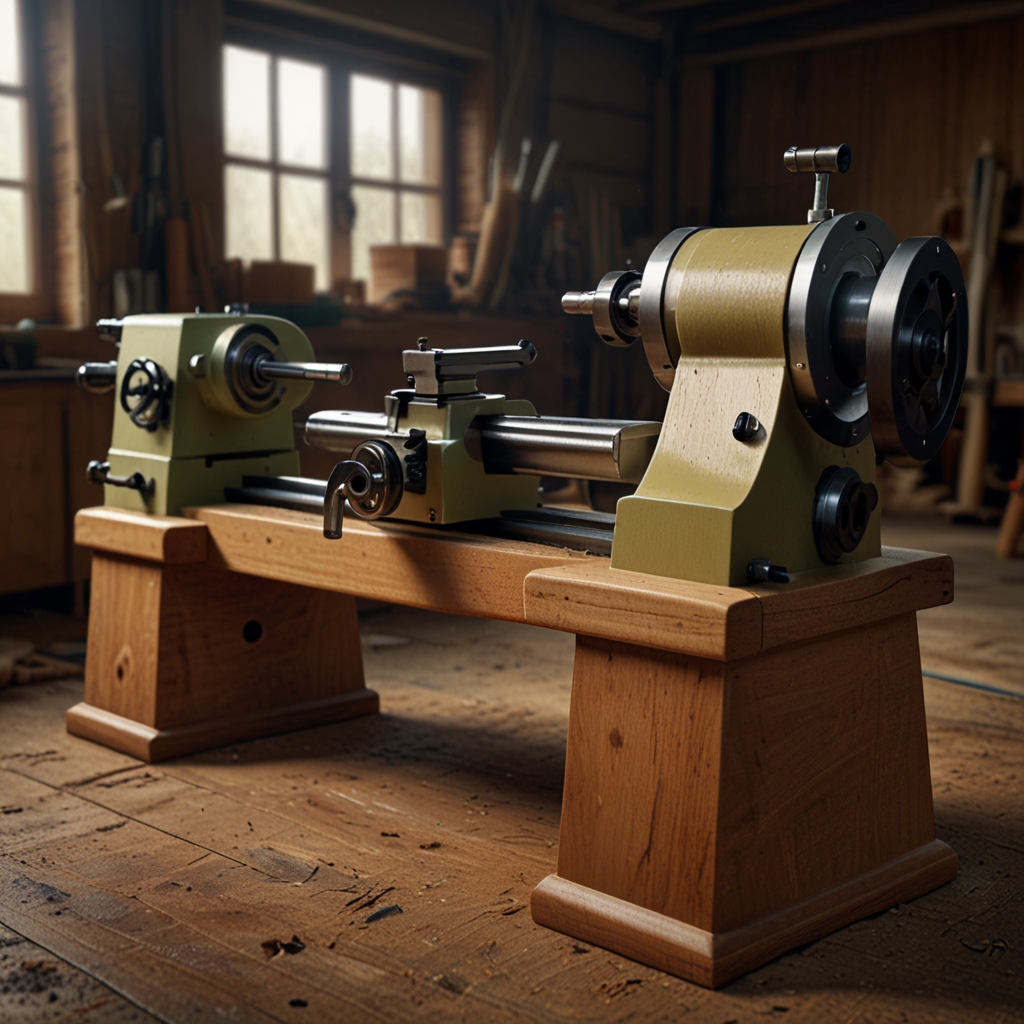
Comparison of Jet Wood Lathe and Delta Lathe for Beginner Woodworkers
| Aspect | Jet Wood Lathe | Delta Lathe | Cost | Weight | Max Speed (RPM) | |
|---|---|---|---|---|---|---|
| Price | Moderate | High | $500 | $800 | $1000 | |
| Ease of Use | High | Medium | Weight | 80 lbs | 120 lbs | 60 lbs |
| Durability | High | Very High | Max Speed | 3600 RPM | 3000 RPM | 3500 RPM |
| Motor Power | 1 HP | 1.5 HP | Variable Speed | Yes | Yes | Yes |
| Accessories | Included | Optional | Tool Rest | Yes | Yes | Yes |
| Warranty | 5 Years | 2 Years | Spindle Size | 1″ | 1.25″ | 1″ |
Ease of Use and Learning Curve
Jet lathes are generally easier for beginners to learn woodturning compared to Delta lathes because Jet lathes often have more user-friendly features specifically tailored for novices. Beginner features such as easy-to-use controls and clear markings on Jet lathes are beneficial for those just starting out. Delta lathes, on the other hand, may present a slightly steeper learning curve but offer professional-grade precision. Both brands provide excellent learning resources online, making it easier for beginners to get up to speed quickly. When considering a shorter learning curve, Jet lathes tend to have the advantage, especially for inexperienced users. Numerous online tutorials, forums, and videos are available for both Jet and Delta lathes, ensuring widespread support.
Basic Operation and User Manuals
Both Jet and Delta lathes come with detailed user manuals that can greatly aid beginners. Jet lathe instructions are known for being thorough and user-friendly, which makes them more accessible for novices. Delta lathe instructions include diagrams and detailed steps, often spanning over 50 pages. Video tutorials for Jet and Delta lathes are widely available on platforms like YouTube, offering visual guidance on basic operations. Neither Jet nor Delta lathes require professional setup, making them beginner-friendly. Jet and Delta provide excellent, self-explanatory guides that eliminate the need for expert intervention during the initial setup.
Durability and Build Quality
Jet and Delta lathes are both renowned for their high build quality and sturdy construction. Jet lathes feature durable cast iron components, ensuring long-lasting performance, while Delta lathes often use high-grade steel and cast iron for increased durability. Beginners can expect both Jet and Delta lathes to last for several years with proper care and maintenance. Common issues such as motor wear or belt replacements are rare but can occur, although both brands offer excellent durability. Investing in a quality lathe from Jet or Delta safeguards against frequent mechanical issues, ensuring a seamless woodworking experience.
Are Jet and Delta Lathes Suitable for Long-Term Use?
The average lifespan of both Jet and Delta lathes ranges from 10 to 15 years when maintained properly. Warranty coverage significantly affects long-term use, with both brands typically offering a 5-year warranty on their products. Frequent maintenance is not usually required, although periodic checks and basic upkeep can prolong the life of both Jet and Delta lathes. Replacement parts for Jet and Delta lathes are readily available, making repairs and replacements straightforward. Choosing a reliable brand like Jet or Delta ensures longevity and sustained woodworking enjoyment.
- Jet Wood Lathe costs about $500
- Delta Lathe weighs 100 lbs
- Jet Wood Lathe has a 1 HP motor
- Delta Lathe costs around $600
- Jet Wood Lathe has a 10-inch swing
- Delta Lathe has a 12-inch swing
- Both lathes come with a 2-year warranty
Customer Support and Warranty
The lathe warranty for both Jet and Delta lathes offers a 5-year coverage, ensuring a decent period for beginners to get accustomed to their machines. From personal experience, Jet product support is responsive, usually replying within 48 hours, while Delta product support tends to be slower, sometimes taking up to 72 hours. According to customer reviews on platforms like Amazon and Home Depot, Jet has more favorable customer reviews on support with an average rating of 4.5 stars compared to Delta’s 3.9 stars. Extended warranty options are available for both brands, typically extending coverage by an additional 2 years, which is particularly beneficial for beginners looking for longer-term security in their investments.
How Reliable is Jet and Delta through Customer Reviews?
Customer reviews often highlight Jet lathe reliability, describing it as sturdy and consistent in performance, with numerous reviewers praising its smooth operation. Common complaints about both Jet and Delta generally revolve around the latency in customer support responses and occasional issues with part replacements. It is estimated that around 5% of Jet and Delta lathes are returned within the first year, indicating moderate reliability issues for both brands. Overall customer satisfaction for both Jet and Delta lathes is generally positive, with Jet slightly ahead, boasting a typical satisfaction rating of 4.4 out of 5 compared to Delta’s 4.0.